Sanitary and phytosanitary control: what is it and why is it needed?

Sanitary and phytosanitary control (SPS control) is a set of measures aimed at preventing the spread of organisms hazardous to human and animal health, as well as harmful organisms that can cause damage to agriculture. SPS control is carried out in accordance with international and national rules and standards.
Goals of sanitary and phytosanitary control
The main goals of sanitary and phytosanitary control:
- Protection of human and animal health from dangerous organisms;
- Protection of plants from harmful organisms;
- Ensuring food and forage safety;
- Ensuring food security;
- Environment protection.

Types of sanitary and phytosanitary control
Sanitary and phytosanitary control is divided into the following types:
- Entry control is carried out when goods are imported into the country.
- Exit control is carried out when goods are exported from the territory of the country.
- Internal control is carried out on the territory of the country during the production, storage and transportation of goods.
Methods of sanitary and phytosanitary control
Sanitary and phytosanitary control is carried out by various methods, including:
- Physical control - inspection of goods for the presence of dangerous or harmful organisms.
- Biological control is a laboratory examination of goods for the presence of dangerous or harmful organisms.
- Documentary control - checking documents for goods to ensure that they comply with SPS control requirements.
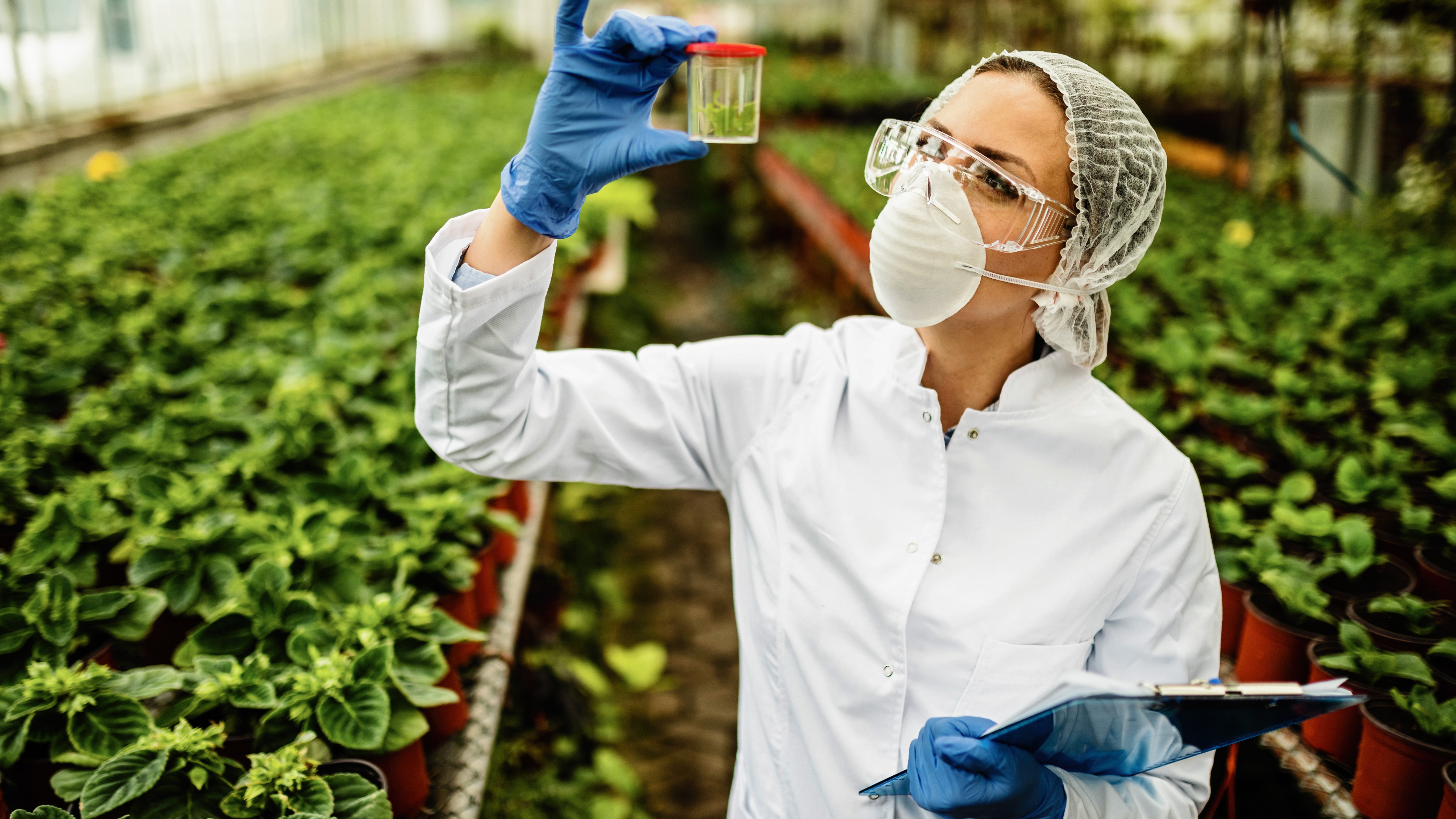
The importance of sanitary and phytosanitary control
Sanitary and phytosanitary control plays an important role in ensuring the safety of human and animal health, as well as in the protection of plants and the environment. SPS controls help prevent the spread of dangerous organisms that can lead to disease outbreaks, crop loss and environmental pollution.
Sanitary and phytosanitary control in Turkmenistan
State regulation in the field of ensuring the sanitary and epidemiological well-being of the population is carried out by the Cabinet of Ministers of Turkmenistan, the State Sanitary and Epidemiological Service of the Ministry of Health and Medical Industry of Turkmenistan, as well as local executive authorities and local self-government bodies within their competence.
State administration in the field of plant quarantine is carried out by the Cabinet of Ministers of Turkmenistan, the Ministry of Agriculture and Environmental Protection of Turkmenistan (the authorized body), the Service, local executive authorities and local self-government bodies in the manner established by the legislation of Turkmenistan.
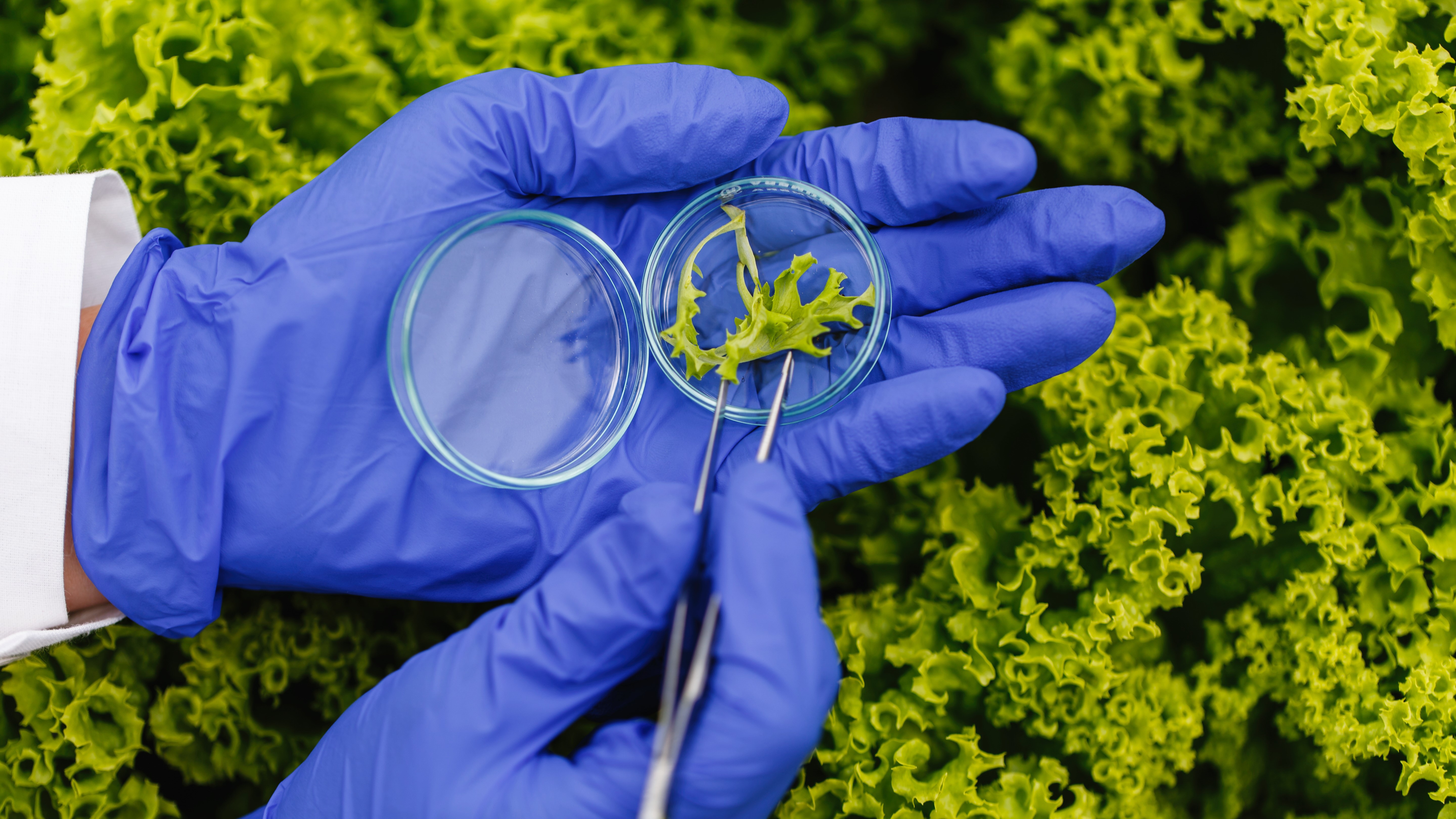
As part of entry control, the following activities are carried out:
- Inspection of goods for the presence of dangerous or harmful organisms.
- Laboratory testing of goods for the presence of dangerous or harmful organisms.
- Reviewing product documents to ensure they comply with SPS control requirements.
As part of exit control, the following activities are carried out:
- Inspection of goods for the presence of dangerous or harmful organisms.
- Laboratory testing of goods for the presence of dangerous or harmful organisms.
- Issuance of permission to export goods subject to SPS control.
The following activities are carried out as part of internal control:
- Inspections of enterprises involved in the production, storage and transportation of goods subject to SPS control.
- Laboratory testing of goods subject to SPS control.
- Issuance of permits for the production, storage and transportation of goods subject to SPS control.
Sanitary and phytosanitary control is an important component of the system of ensuring food security and environmental protection. It helps prevent the spread of animal and plant diseases, as well as the penetration of dangerous organisms and pests into the country. In conclusion, it should be noted that sanitary and phytosanitary control is mandatory to protect human, animal and plant health.
References:
https://mejlis.gov.tm/single-law/258?lang=ru
https://mejlis.gov.tm/single-code/5?lang=ru
https://trade4msmes.org/guides/sanitary-and-phytosanitary-measures-and-technical-barriers-to-trade/
https://www.wto.org/english/tratop_e/sps_e/spsund_e.htm
https://www.wto.org/english/tratop_e/sps_e/sps_e.htm
https://atr.asean.org/read/sanitary-and-phytosanitary-sps-measures/62
This publication was prepared by USAID’s Trade Central Asia activity, as a part of the Export Ecosystem Development Initiative in cooperation with the Orient Information Portal.


