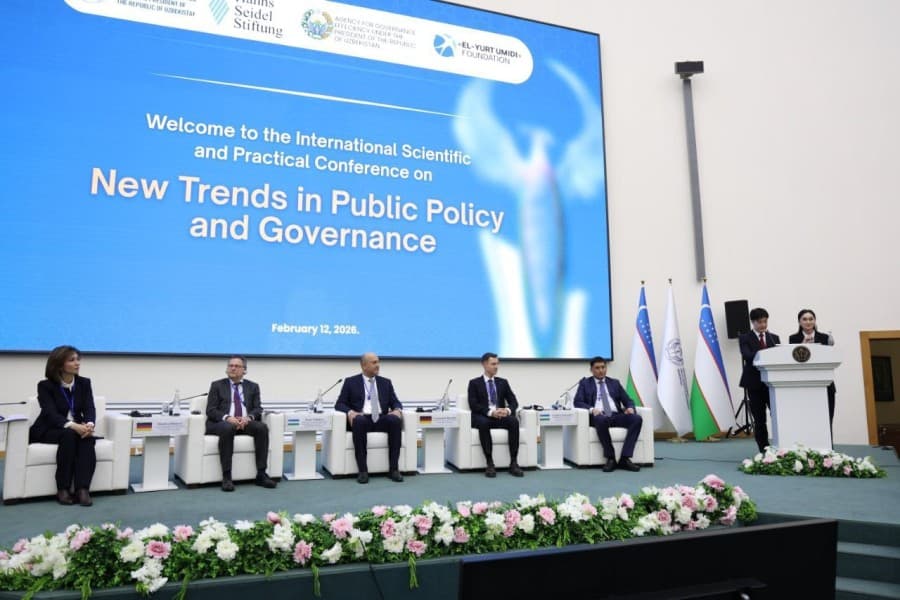
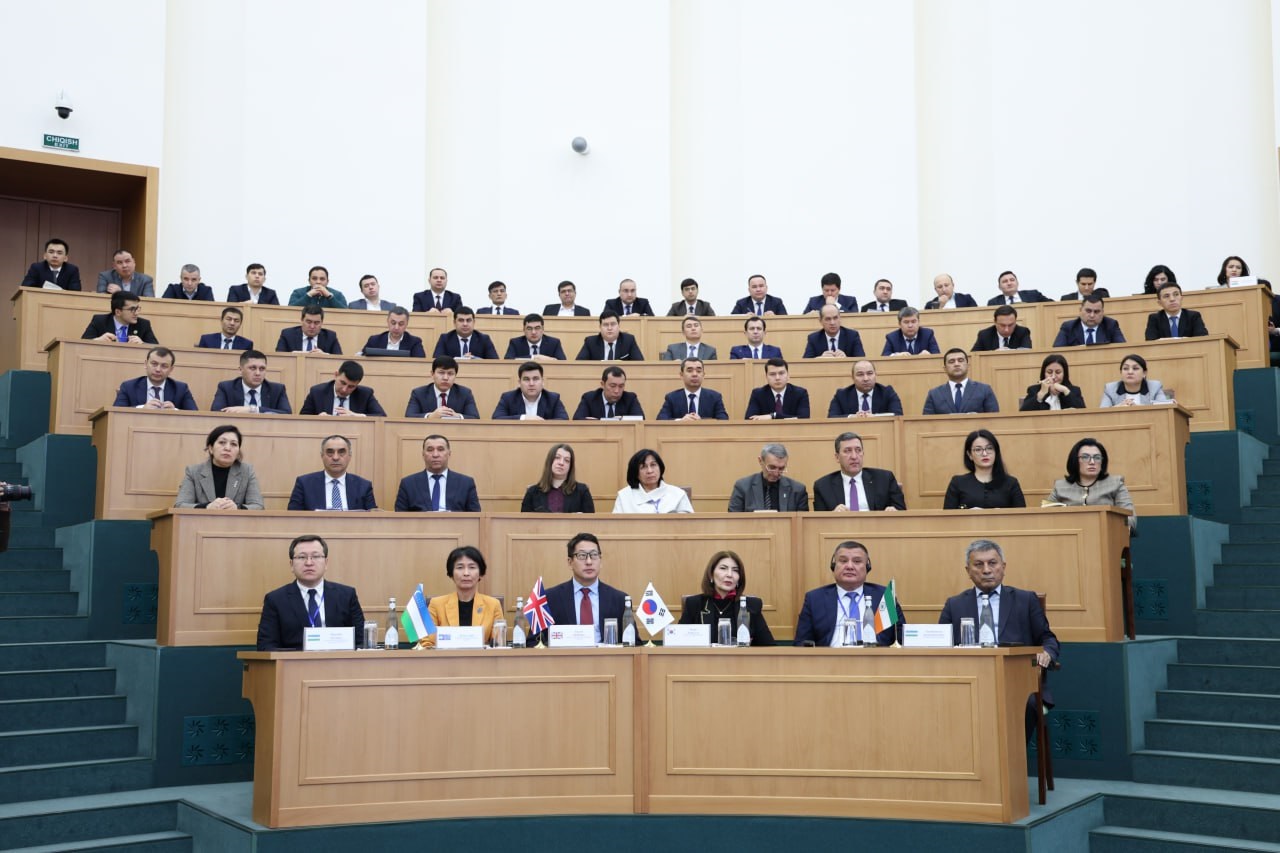
In mid-February, Tashkent hosted an international scientific and practical conference titled “Modern Trends in Public Policy and Administration”, along with an accompanying round table, at the Academy of Public Policy and Management under the President of the Republic of Uzbekistan.
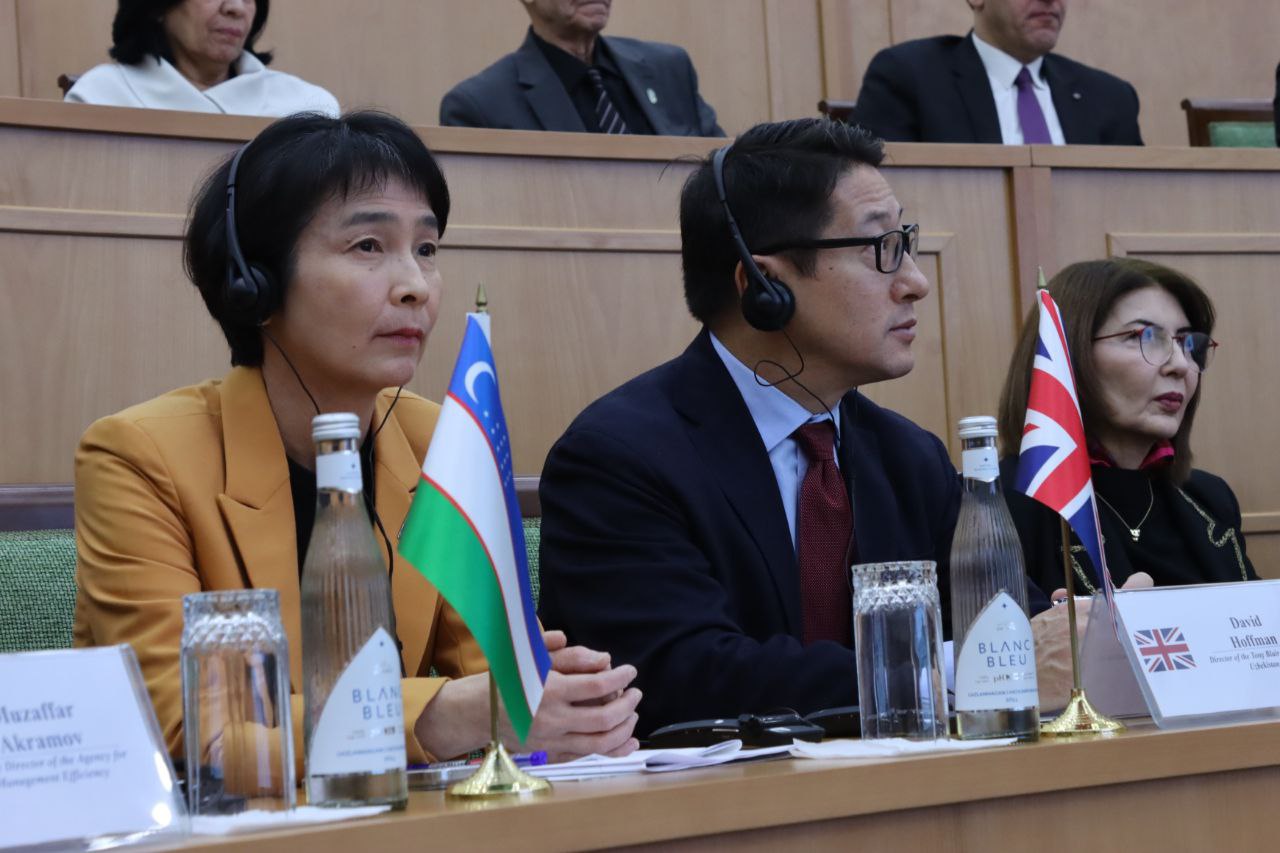
The event acquired a truly international scale, bringing together over 120 scholars, experts and practitioners from more than ten countries, including Russia, the United States, Egypt, Germany, the Republic of Korea, Belarus and Central Asian states.
Such a concentration of experts from different countries on a single platform made it possible to compare national practices, identify best solutions and develop shared approaches to contemporary challenges. Particularly valuable was the participation of both theorists and practitioners, which ensured the applied nature of the discussions.
Turkmenistan was represented at the forum by Begench Khalnepesov, Head of Academic Affairs at the Academy of Civil Service under the President of Turkmenistan.
The central agenda covered a wide range of pressing issues in public administration. Participants engaged in in-depth analysis of current trends, discussed factors influencing institutional development, and explored prospects for introducing digital technologies — including artificial intelligence — into governance processes.
One of the key conclusions was the confirmation that digitalisation of public administration is no longer an option but an imperative. Discussions on AI, analytical platforms and e-services clearly demonstrated that countries in the region recognise the need for technological modernisation and the creation of a unified digital infrastructure for interstate interaction.
Based on successful international experience, presentations addressed key areas of public service — from human resource management to the improvement of diplomatic relations and methods of political analysis.
Experts actively exchanged views on how to enhance public administration amid global and regional challenges, strengthen the role of human capital and update approaches to teaching political science.
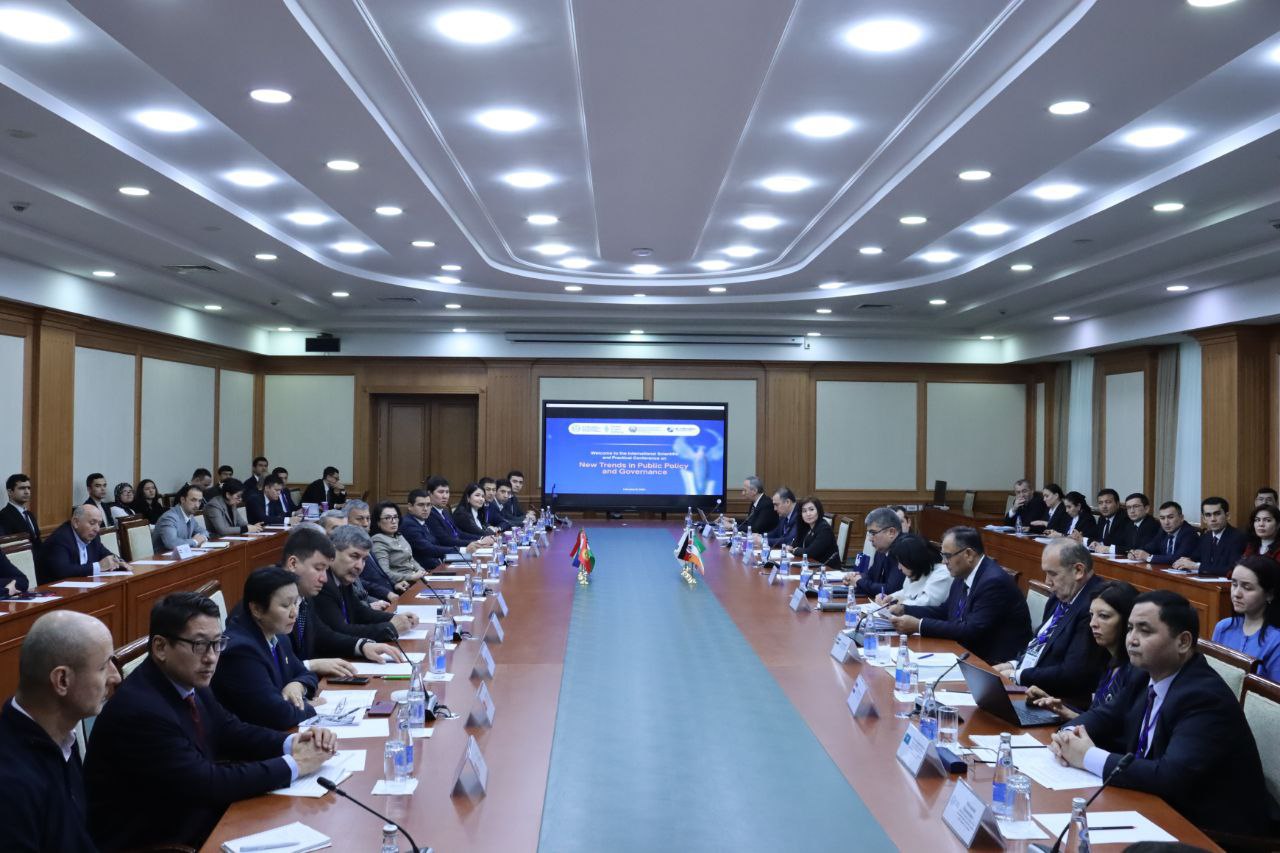
The plenary session and thematic panels were marked by particular dynamism, concluding with lively discussions in which participants not only presented positions but also sought common ground and proposed practical solutions.
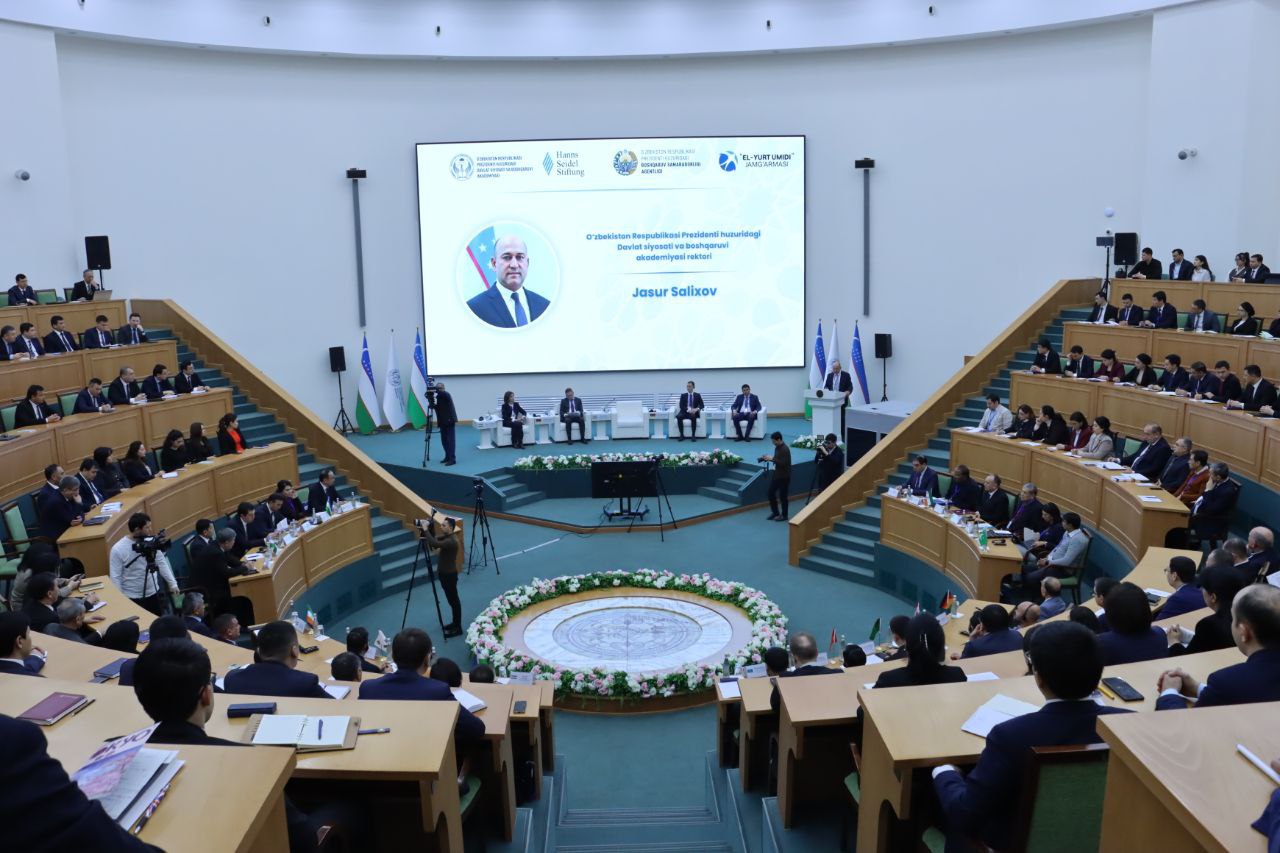
Rector of the Academy of Public Policy and Management under the President of Uzbekistan, Jasur Salikhov, emphasized that modern governance systems increasingly rely on analytical capacity and digital competencies, which are becoming the foundation of effective transformation.
For each participating country, the conference provided an opportunity to present its own experience, receive expert assessment of ongoing reforms, and outline ways to adapt international models to local conditions.
An important component of the conference was a round table involving representatives of public administration academies from Central Asian countries, focused on strengthening regional cooperation.
As a result of productive discussions, priority areas for cooperation among relevant regional institutions for 2026–2030 were identified. These include joint educational and professional development programmes, research and analytical projects, and the creation of platforms for inter-academic exchange.
Of particular note is an initiative proposed following the round table: the establishment of a dedicated forum of Central Asian academies, led by their rectors. This proposal reflects participants’ commitment to systematic and long-term cooperation.
In conclusion, participants unanimously noted that the Tashkent conference became an important platform for strengthening professional cooperation and knowledge exchange. It not only demonstrated the relevance of joint efforts in public administration, but also set a clear direction for further improvement of governance systems amid global transformation.
Moreover, the Tashkent discussions clearly showed that the development of public administration today is impossible in isolation. The forum proved to be not merely a venue for exchanging opinions, but a genuine catalyst for advancing public administration in the region.
Its main outcomes lie not in declarations, but in concrete cooperation mechanisms — and, importantly, these mechanisms are already reflected in plans for joint programmes and initiatives to establish regional platforms. Over time, such organically developing processes will help form a sustainable network of professionals capable of responding promptly to new challenges.
These are important steps towards making public administration systems in participating countries more flexible and technologically advanced — and, above all, oriented towards our shared interests.
Enedzhan Kepbanova