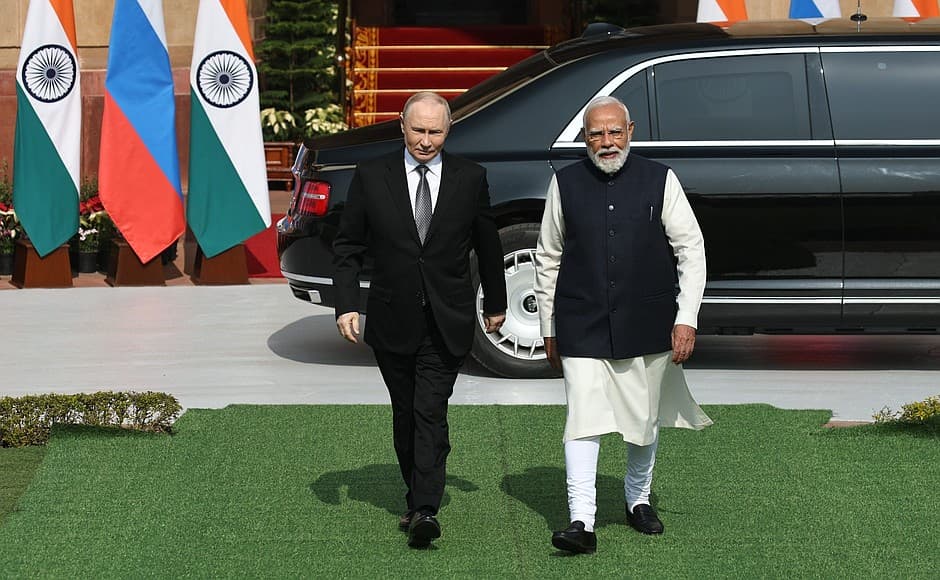



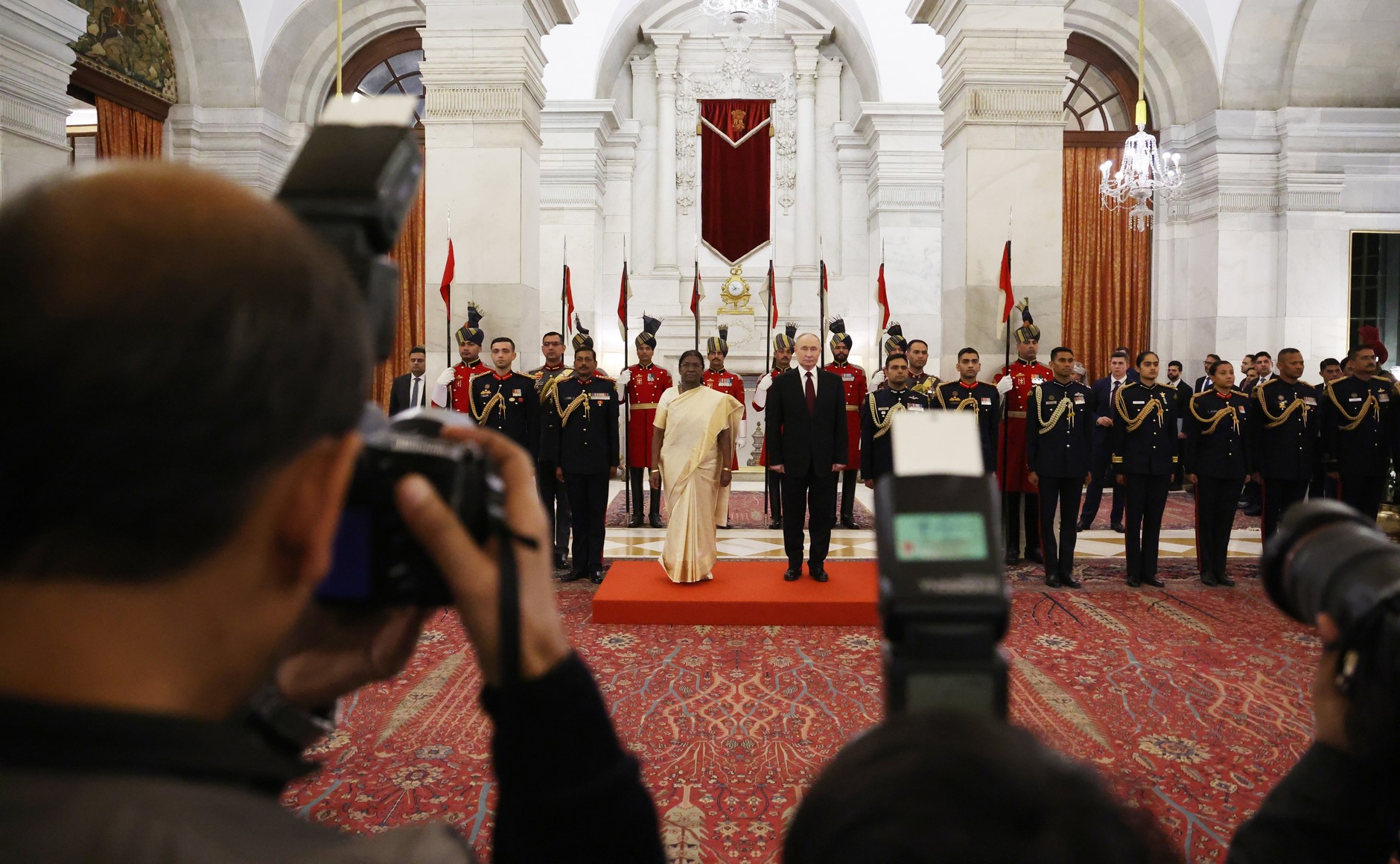
Russian President Vladimir Putin's state visit to India (December 4–5, 2025) was an important statement on the emergence of a new world order. The talks in New Delhi, held in an atmosphere of deep trust, cemented a strategic partnership resilient to external pressure and outlined ambitious goals in the economy, energy, and security.
Geopolitics: Trust and the Path to Multipolarity
A key geopolitical message was conveyed during the visit to the Mahatma Gandhi memorial. Vladimir Putin directly linked Gandhi's philosophy to a "new, more just multipolar world order" based on equality and mutual respect, free from "dictatorship and hegemony." This thesis forms the basis for the consolidation of Moscow and New Delhi in such forums as BRICS and the SCO.
Prime Minister Narendra Modi emphasized the historic significance of the summit, noting that the foundation of a strategic partnership was laid 25 years ago. He stated that India-Russia relations have "stood the test of time," a direct confirmation of the partnership's strategic resilience despite global differences.
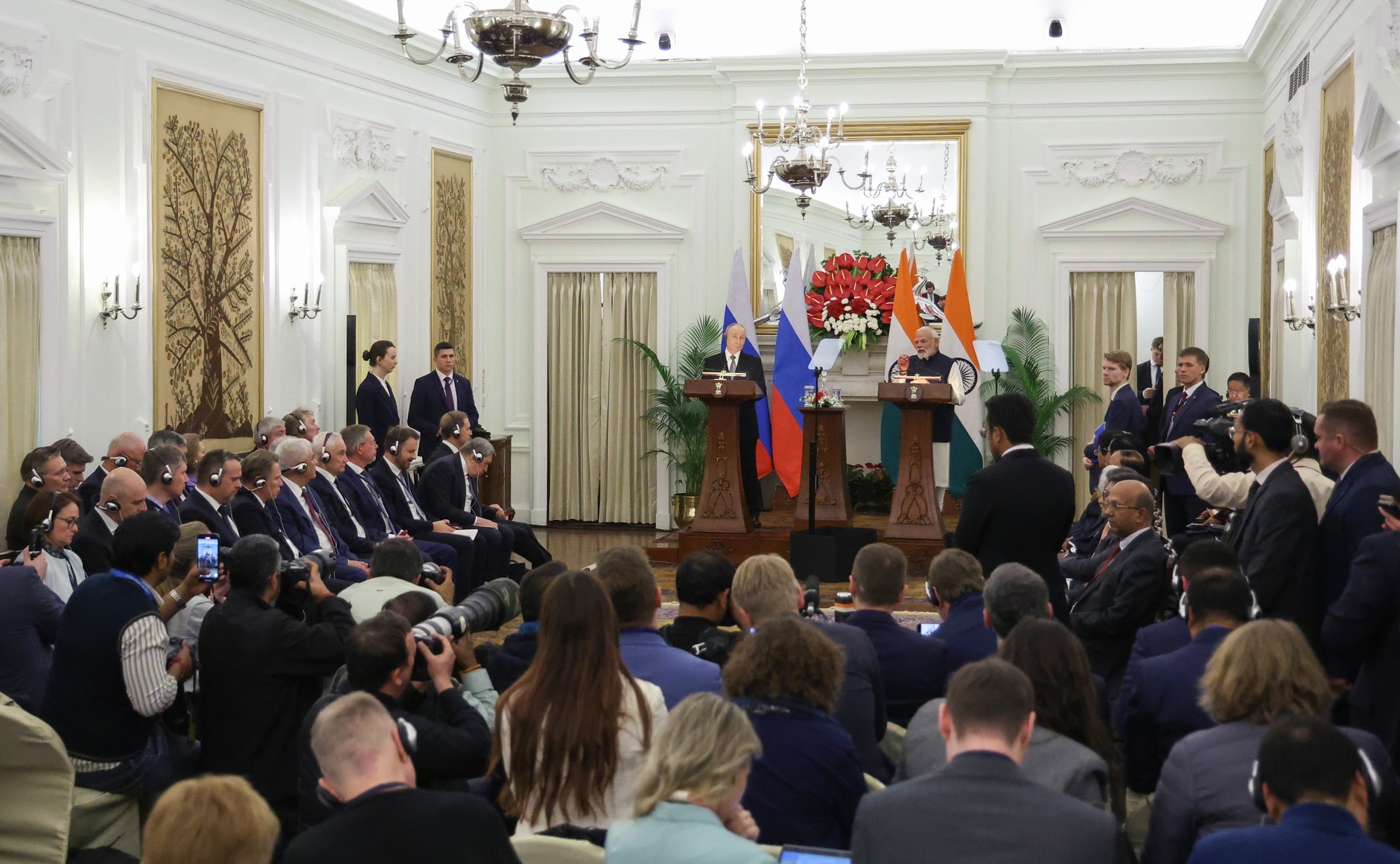
Modi stated that he regularly exchanges views with the Russian leader on the conflict in Ukraine. The Prime Minister emphasized that India has "its own position, and this position is in favor of peace." India supports all peace efforts, confirming its unique role as a non-confrontational but trusted global player with an open channel of communication with Moscow.
Economy: Addressing the Imbalance and Reaching $100 Billion in Trade
The visit cemented the transition to a new bilateral trade model aimed at long-term sustainability and eliminating the imbalance, where Russia currently holds the surplus.
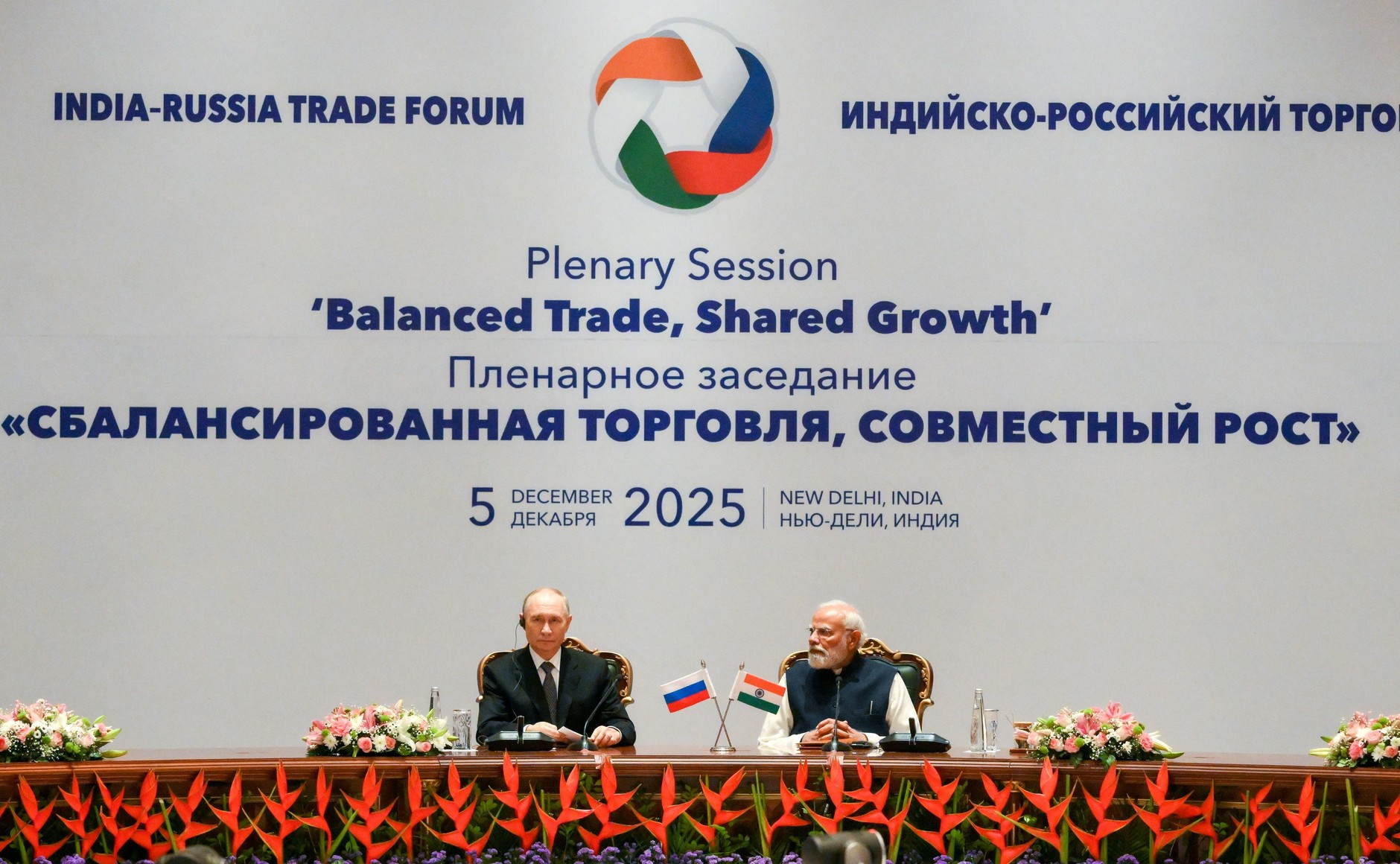
New Goal: The leaders approved a program for developing strategic areas of economic cooperation through 2030. The main ambition is to increase trade turnover from the current $65 billion to $100 billion.
De-dollarization: It was noted that the share of national currencies in commercial transactions between the countries reaches 96%. This is one of the highest figures in global trade and a powerful step toward strengthening financial sovereignty.
Free Trade: The parties agreed to expedite work on a Free Trade Area (FTA) agreement between India and the Eurasian Economic Union (EAEU). The successful conclusion of such an agreement will create one of the largest economic blocs in the world, significantly influencing global trade flows.
Energy, Defense, and High Technology
The visit confirmed that cooperation in energy and defense remains critically important for both countries, with an emphasis on technology transfer and localization of production.
Vladimir Putin noted that the countries are developing new areas related to high technology, aviation, space, and artificial intelligence, emphasizing that the partnership extends beyond traditional areas.
As part of the "Make in India" program, the parties agreed to encourage the joint production of components and parts for servicing Russian weapons, with technology transfer for the Indian army and subsequent export to friendly third countries.
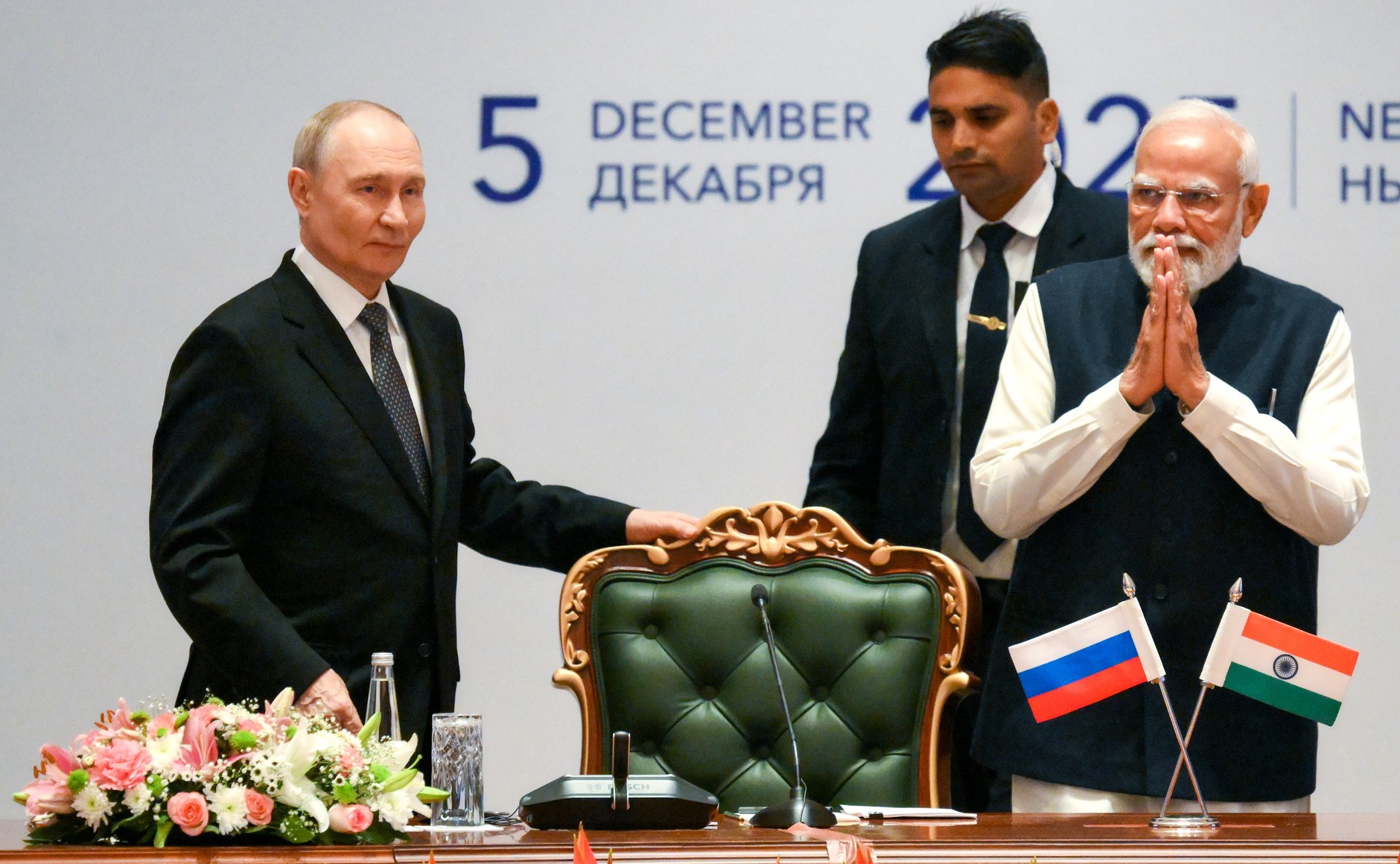
Russia confirmed its readiness to participate in the construction of new units at the Kudankulam Nuclear Power Plant, as well as in small modular and floating nuclear power plant projects, ensuring India's long-term energy security.
Vladimir Putin's visit to New Delhi demonstrated that the Russian-Indian partnership has not only restored its pre-crisis momentum but has also reached a new, progressive level, where mutual trust is being converted into large-scale, long-term projects. These agreements have direct implications for the global economy and geopolitics, confirming the reality of the transition to a multipolar world.
ORIENT