In an era of current global instability, when international relations are rapidly fragmenting and the world is experiencing a profound crisis of mutual trust, open and inclusive political dialogue is no longer simply a feature of classical diplomacy. Today, it is a necessary, uncontested condition for the survival of macro-regions and the preservation of their internal stability. Trying to identify the contours of the future, the expert community on the sidelines of the Termez Dialogue in Tashkent is increasingly turning to historical memory.
A return to the civilizational code of the late nineteenth century, when Central and South Asia existed as a single, permeable intellectual, cultural, and economic space, today seems to be one of the most important remedies for geopolitical egoism. To mend the torn fabric of the Eurasian continent, countries need a strong value platform, and Turkmenistan's creative course offers precisely such a unifying philosophy.
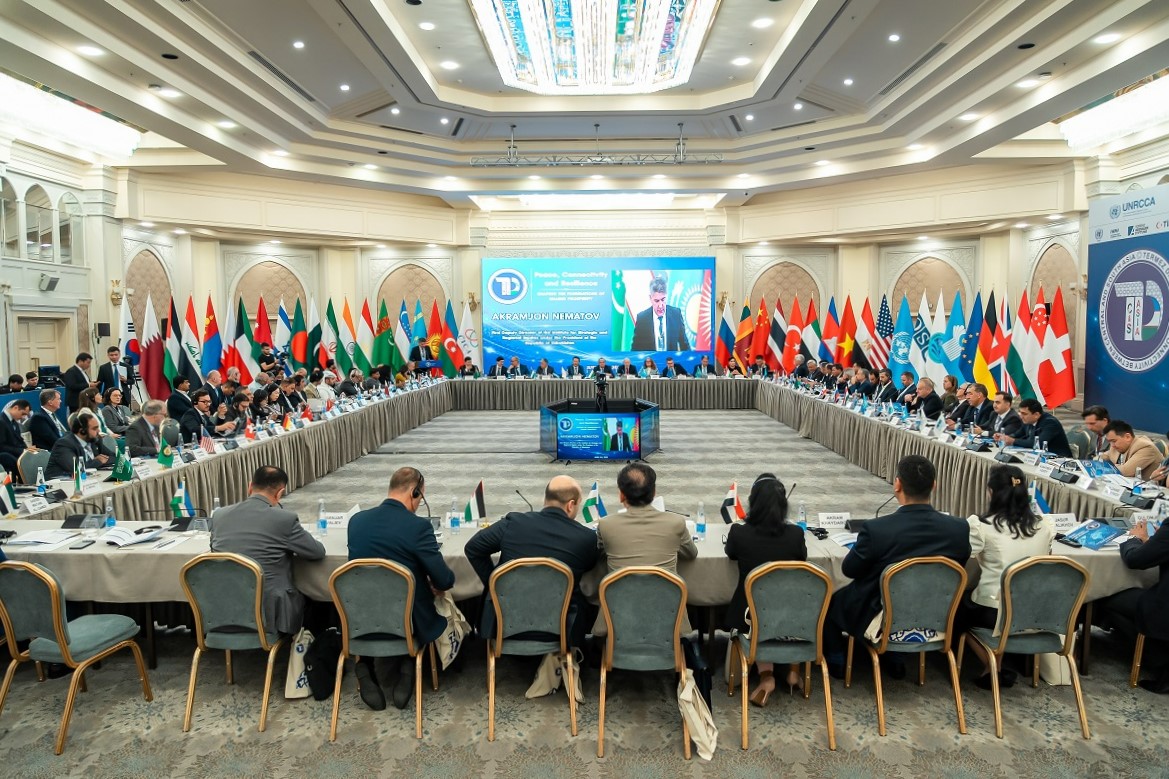
Turkmenistan's internationally recognized status of permanent neutrality, enshrined in UN General Assembly resolutions, is revealed in today's reality not as a passive distancing from global upheavals, but as a highly effective and humane strategy. It is an active tool for constructing an indivisible security space, where the sovereignty of each participant is respected a priori, and economic interconnectedness serves as a reliable safeguard against conflict.
With colossal resource potential and young, rapidly growing populations, the macro-regions of Central and South Asia are capable of transforming their domestic consumer demand into a powerful driver of global significance. Strengthening cross-border ties is turning this common space into a key bridgehead linking the markets of the Middle East, East Asia, and Europe. However, current mutual trade volumes still lag behind actual economic potential due to artificial systemic barriers erected during the era of political division.
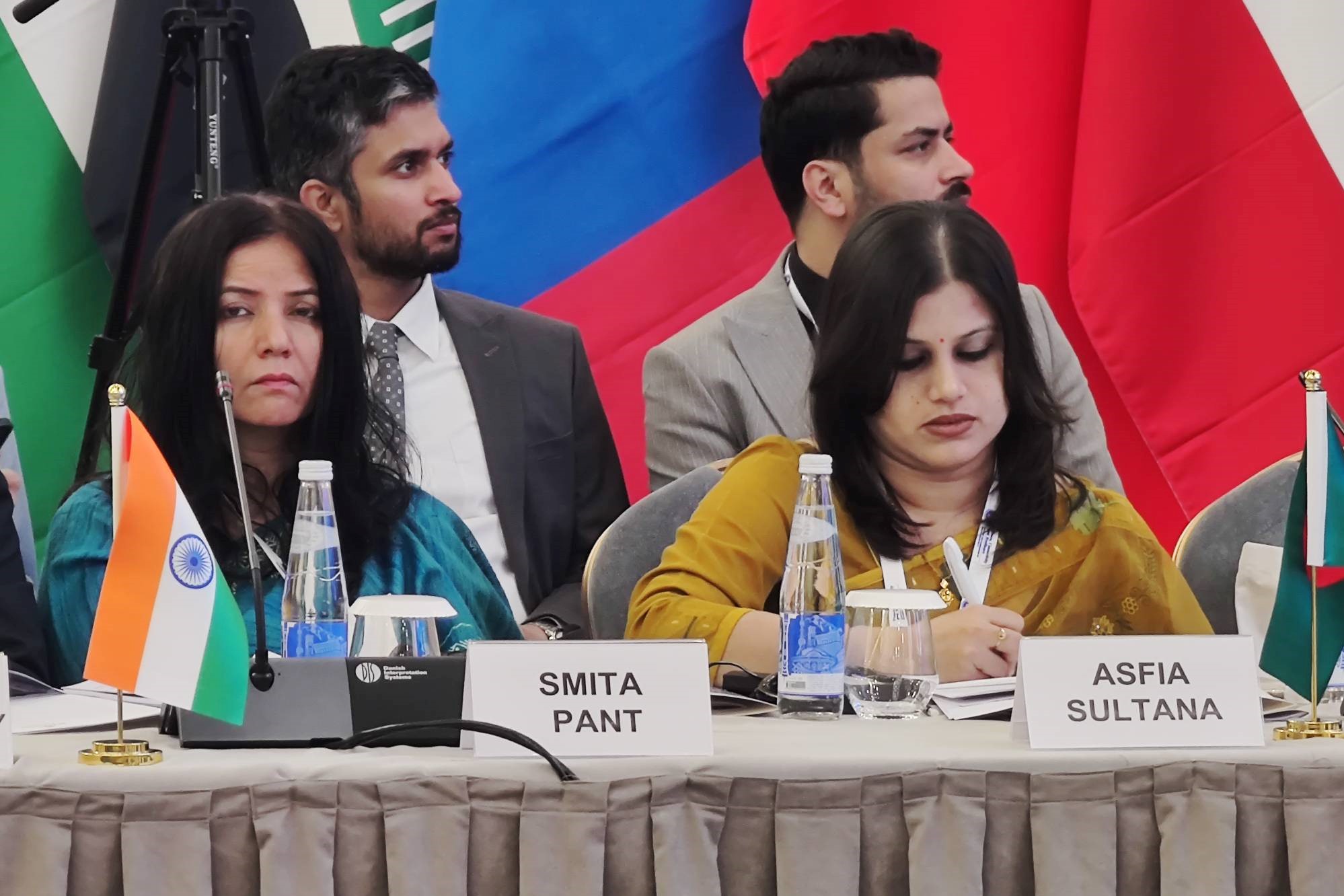
Overcoming these challenges requires a shift from conceptual discussions to practical action, where economics and logistics effectively restore historical justice. The consistent reduction of administrative and tariff restrictions, the harmonization of national standards, and the introduction of transparent rules of the game allow the private sector and financial institutions to confidently invest in large-scale projects.
The countries' geographic proximity is being converted into a tangible advantage through the creation of a diversified multimodal infrastructure. By developing port capacity on the Caspian Sea and modernizing transit corridors, Turkmenistan is emphasizing the total digital transformation of logistics. Paperless trade and intelligent transport solutions radically reduce costs, restoring trade routes to the ease and unhinderedness they enjoyed during the era of the Great Silk Road.
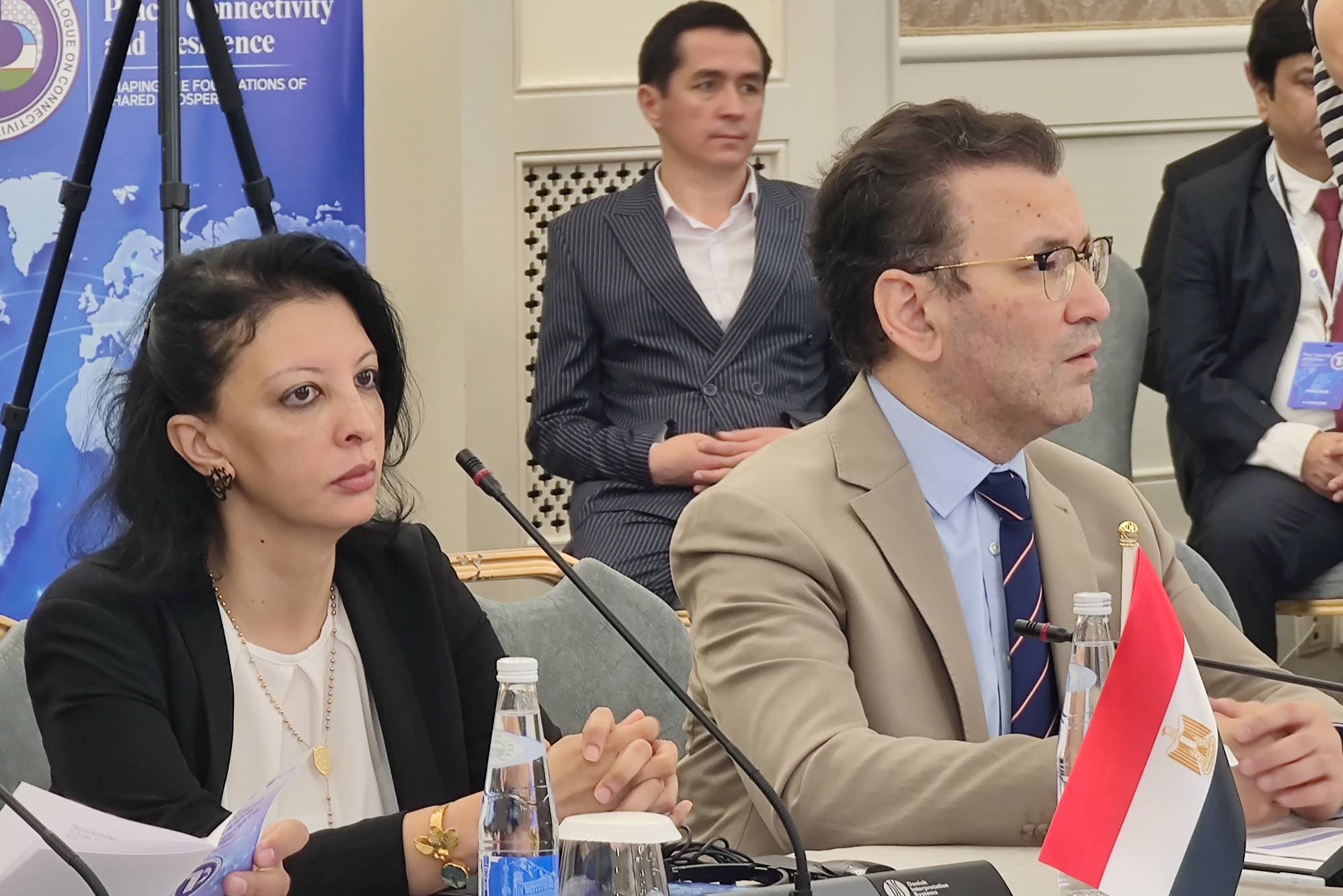
Within this same constructive logic, infrastructure and energy megaprojects, such as the TAPI gas pipeline or the CASA-1000 transregional power grid, acquire a profound humanitarian dimension. Against the backdrop of global resource shortages and rapid urbanization, energy security is becoming an indivisible concept. Jointly developing the potential of renewable energy sources and laying fiber-optic communication lines along energy arteries do more than simply address the utilitarian challenges of supply.
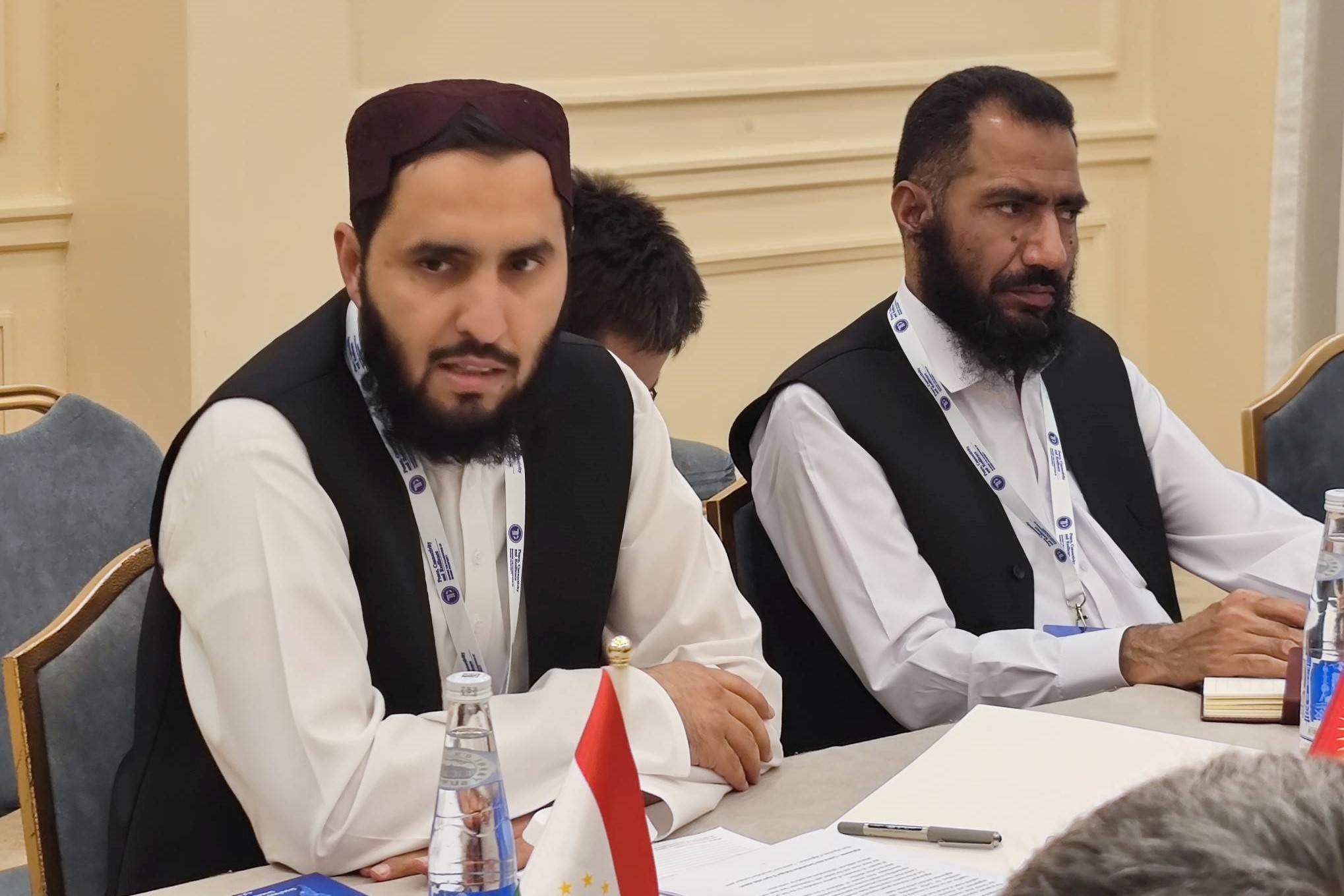
They create thousands of jobs, lay the technological foundation for industrial growth, and foster a long-term, shared interest in maintaining peace among all parties. The most illustrative example of this approach is the gradual integration of Afghanistan into regional economic and climate change processes. Engaging a neighboring state in this constructive process demonstrates that Afghanistan is not a chronic regional problem, but an integral part of our common home, a natural and vital bridge between two great macro-regions.
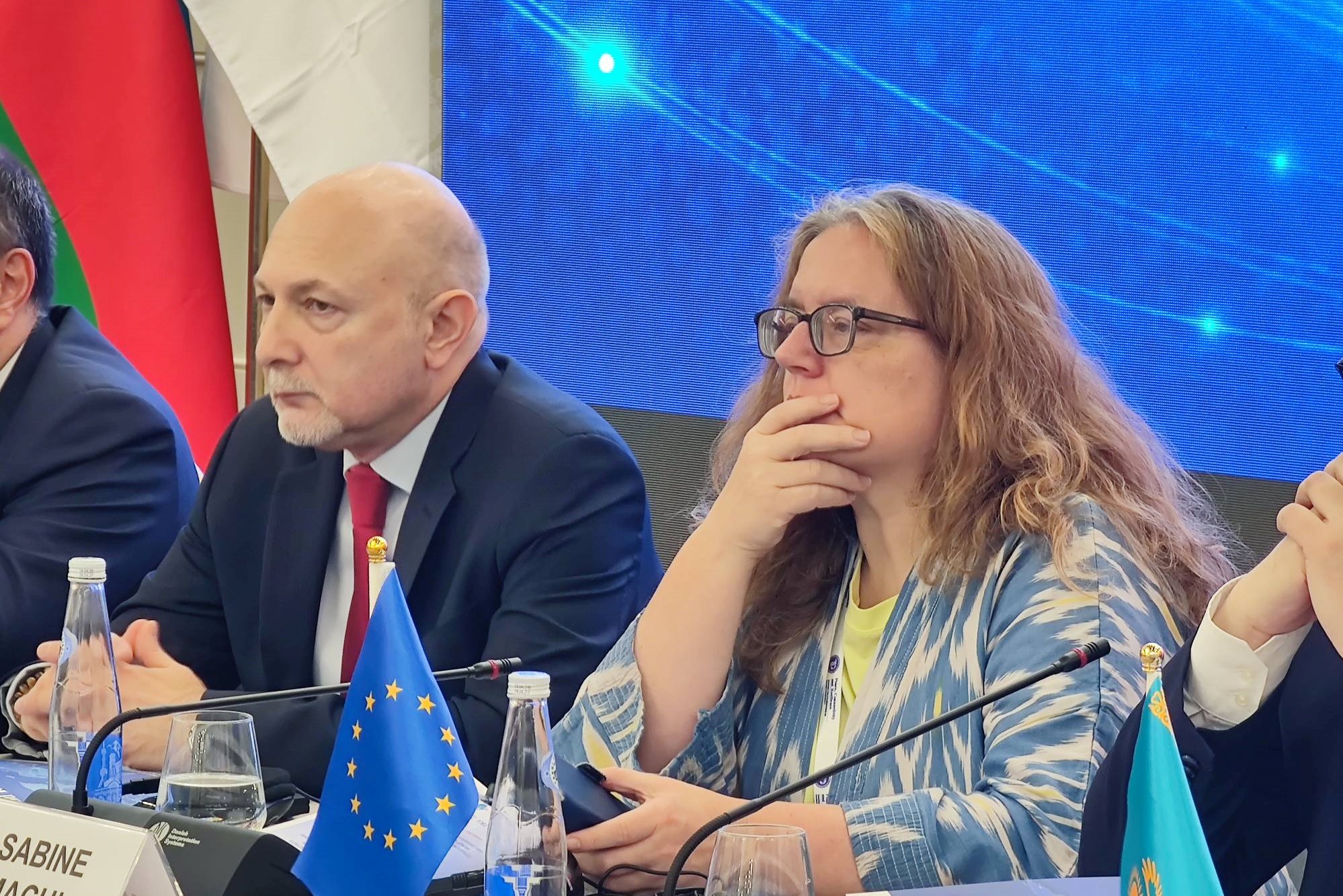
The ultimate goal of building a new Eurasian space is the recognition of shared environmental responsibility. No single state today can combat climate risks, droughts, and the degradation of natural systems alone. Nature knows no political borders and recognizes no customs posts, so responses to hydrological and environmental challenges must be coordinated and transboundary.
The joint search for equitable and scientifically sound solutions in water resource management, actively pursued within the framework of the Conference on Interaction and Confidence-Building Measures in Asia (CICA), is transforming potential points of interstate tension into strong bridges of good-neighborliness.
Demonstrating its commitment to a depoliticized approach and principles of mutual respect, neutral Turkmenistan remains open to fair and equal interaction for the prosperity of all peoples in the common Asian space.
Bekdurdy AMANSARYEV,
Expert, Center for Strategic Studies, Institute of International Relations, Ministry of Foreign Affairs of Turkmenistan