



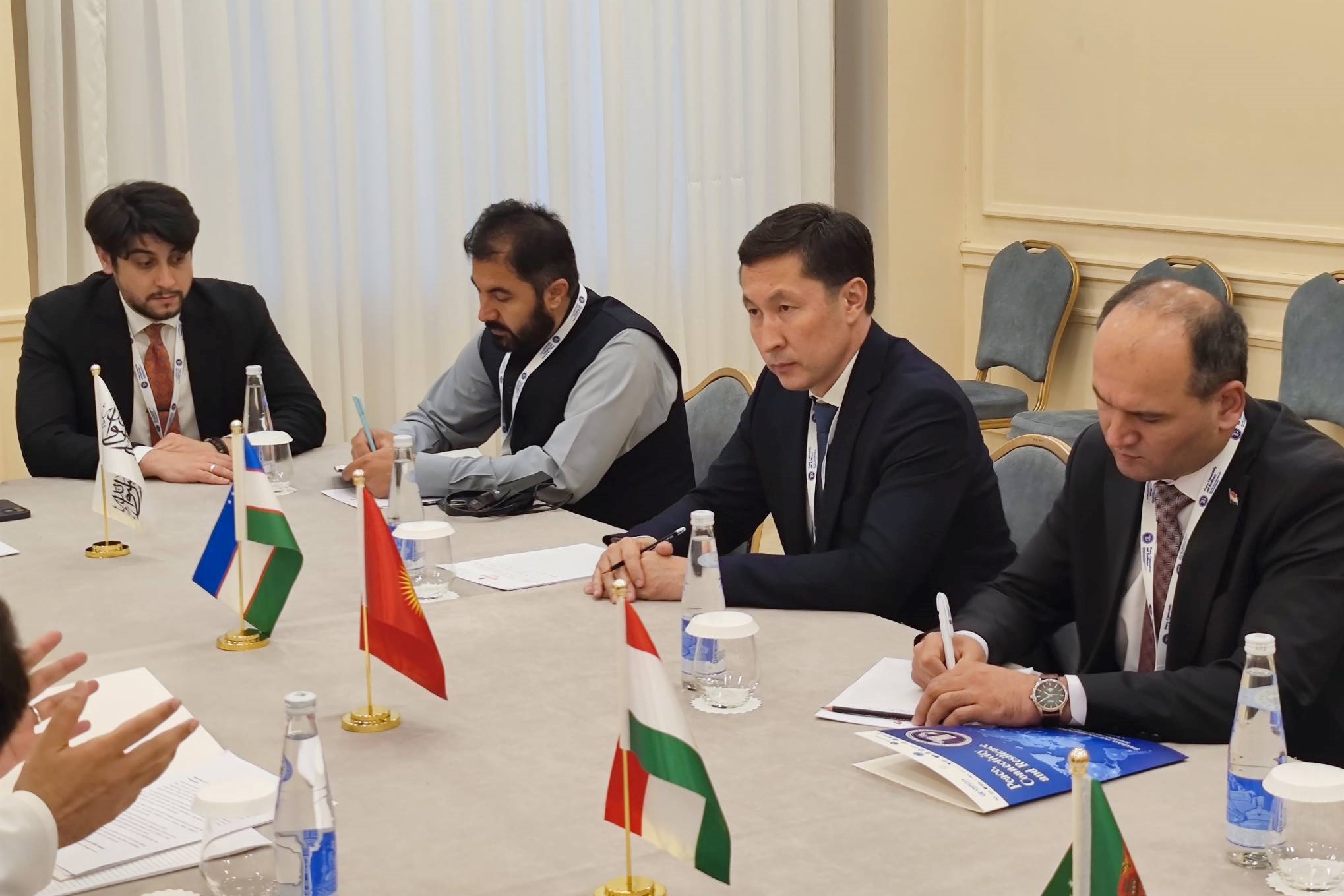
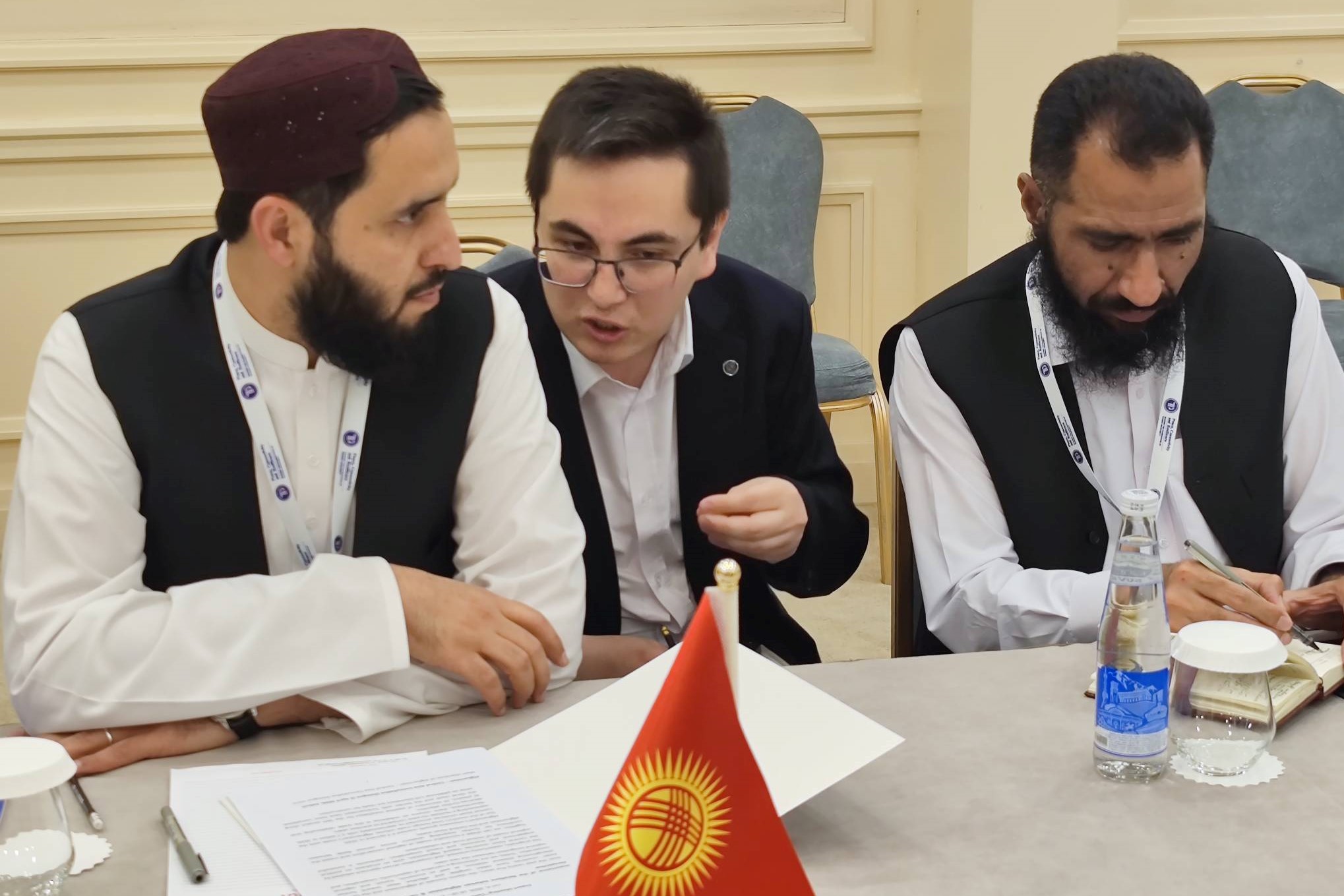
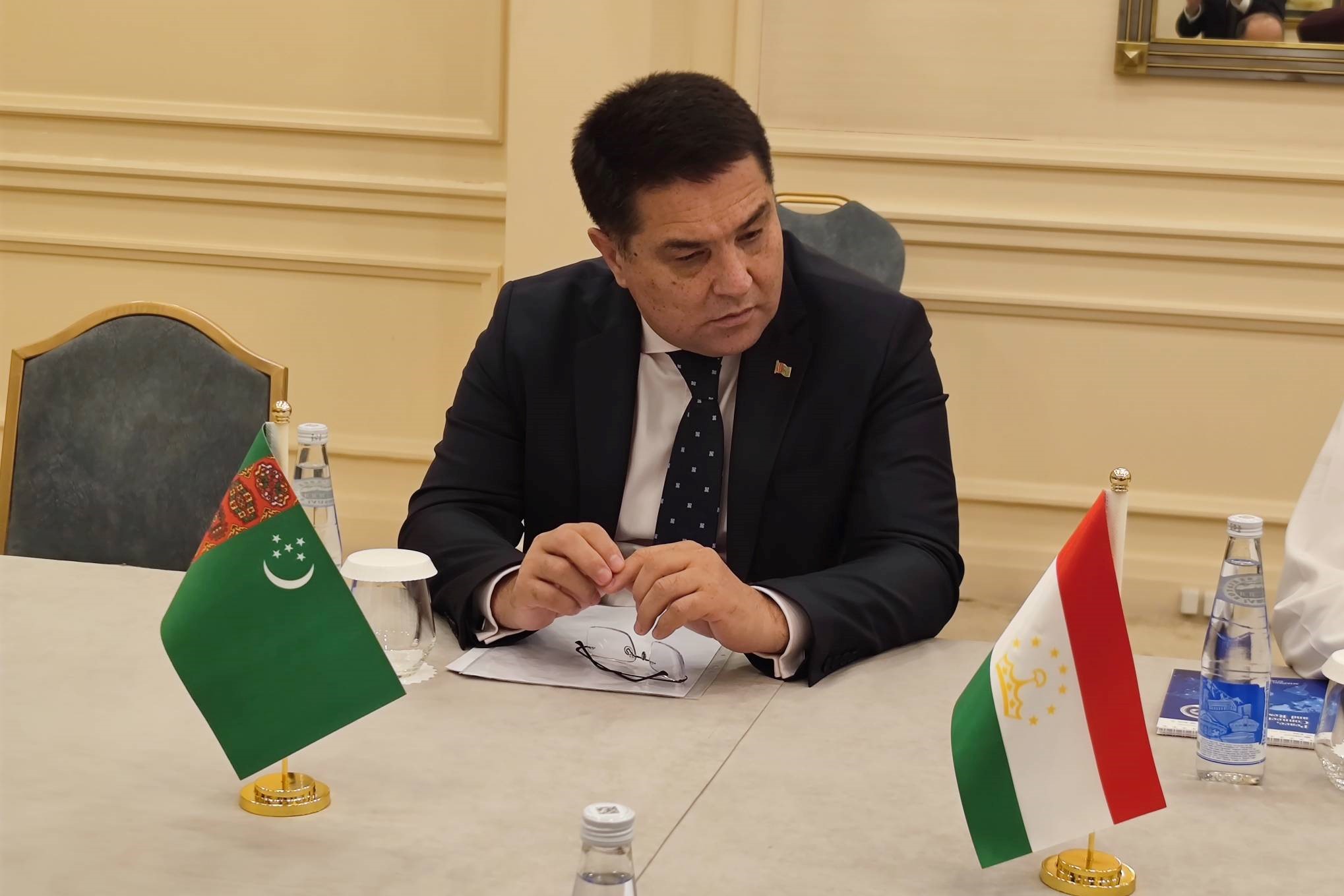
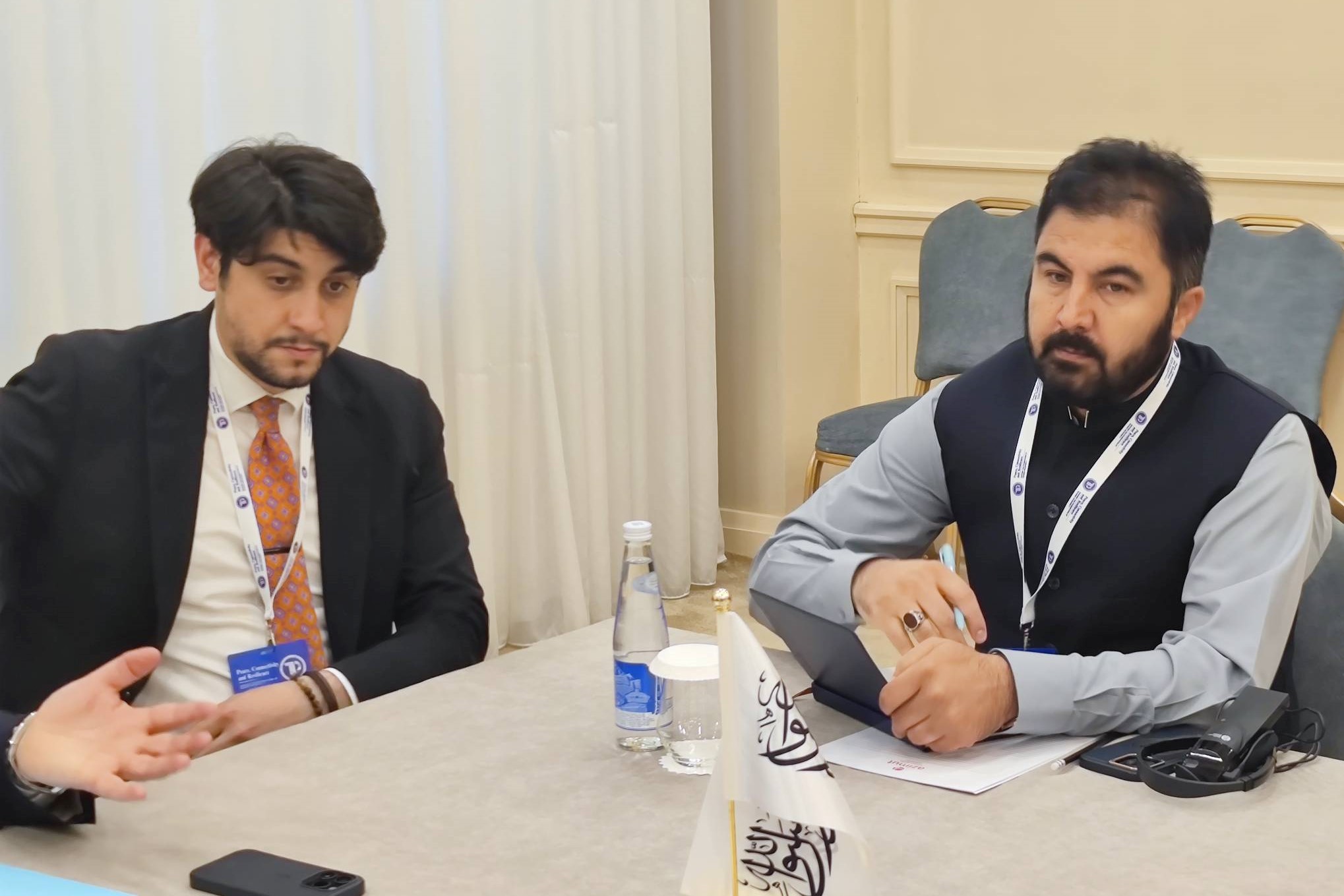
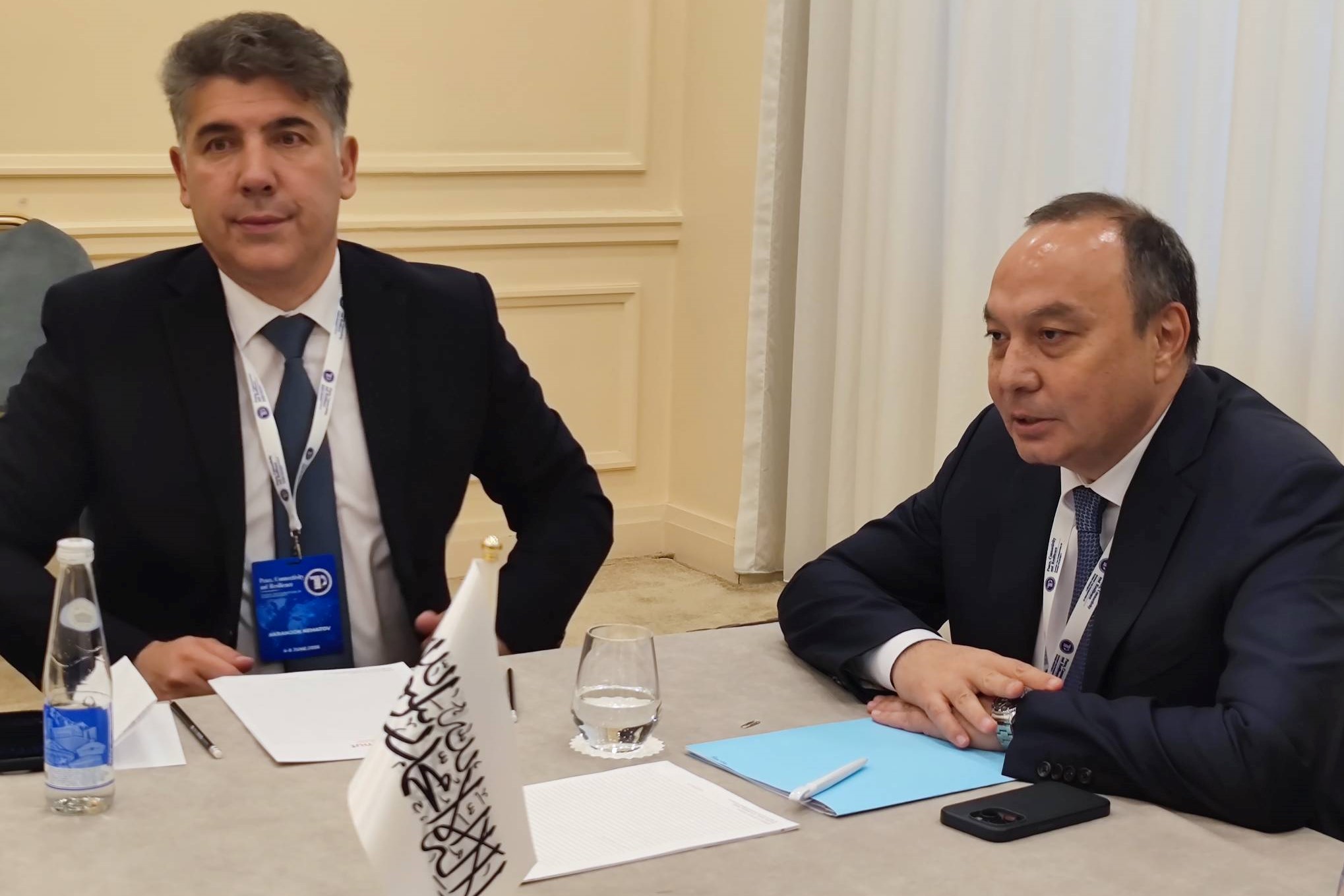
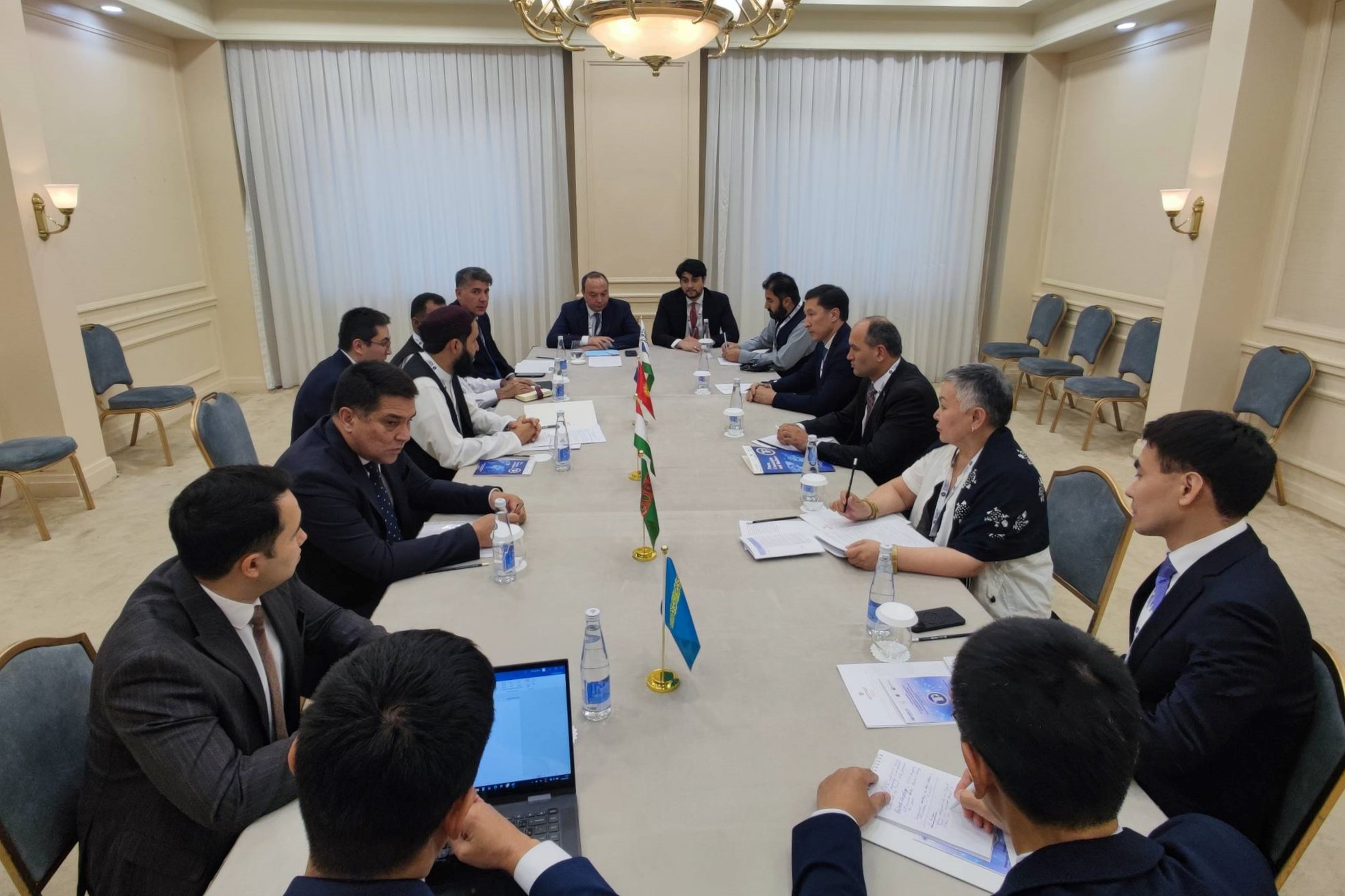
Tashkent, June 4 | ORIENT. As part of the second session of the Termez Dialogue on Connectivity between Central and South Asia, currently underway in the Uzbek capital, an expert meeting entitled "Central Asia + Afghanistan" was held at the level of think tanks representing the format's countries. This meeting demonstrates the current shift in regional thinking from threat containment to joint creation. Shiri Shiriev, Director of the Center for Strategic Studies at the Institute of International Relations of the Ministry of Foreign Affairs of Turkmenistan, participated in the discussion.
The main goal of this expert meeting is to harness powerful analytical potential to promote real, effective interstate cooperation. The focus was naturally on large-scale infrastructure projects that are currently transforming Afghanistan from a geopolitical impasse into a key link on the continent.
The most striking example of this strategy is the TAPI gas pipeline project. According to preliminary estimates, this gas pipeline will reach the Afghan city of Herat by the end of 2026 or early next year, marking a historic milestone not only for Ashgabat as a supplier and Kabul as a recipient of clean energy. For Afghan society, this means the creation of thousands of jobs, the launch of domestic industry, and powerful socioeconomic support for the population.
The stabilization of Afghanistan through economic pragmatism automatically strengthens the security of all of Central Asia, and the extension of TAPI into Pakistan and India will finally unite the two largest macro-regions of Eurasia.
Alongside the gas pipeline, rail transport is actively developing, with the Turkmenistan-Afghanistan-Pakistan railway serving as a key element. This transport corridor is already demonstrating practical results, linking Turkmen logistics hubs with the Afghan stations of Akina and Torghundi. Current work is aimed at extending the route deeper into Afghan territory toward Herat, turning the road into a major artery for transporting industrial, construction, and humanitarian supplies.
This significantly reduces logistics costs and integrates Kabul into global trade chains. Furthermore, Ashgabat is developing plans to build a modern highway along the railway route. This will create a fully-fledged multimodal corridor, ensuring flexible freight transportation and providing modern roadside infrastructure, including distribution and service centers.
The creation of a reliable digital and energy framework for the region is closely linked to transportation. The power transmission line from Turkmenistan is gradually eliminating severe energy shortages in Afghanistan's northern and western provinces, bringing power to businesses and homes, and potentially transforming the country into a transit point for Turkmen electricity exports to the vast South Asian market.
At the same time, a fiber-optic communications line is being laid along these energy facilities. This telecommunications bridge will not only provide Afghan cities with high-speed internet but also connect Central Asia to Indian Ocean networks, turning Kabul into a key digital hub for the region.
Other regional projects are also working in tandem, such as the Trans-Afghan Railway Corridor through Termez, Mazar-i-Sharif, Kabul, and Kharlachi, which has the potential to reduce costs by 30-40 percent, and the CASA-1000 initiative to supply summer hydropower from Tajikistan and Kyrgyzstan. Their fundamental value is unified: they foster an indivisible common interest among all participants in maintaining long-term peace. The infrastructure network is becoming the most effective peacekeeping tool, providing real economic incentives for stability.
However, regional integration faces not only logistical but also serious natural and climatic challenges. Droughts, low water levels, and extreme weather events are a shared reality that requires a truly collective response, as they directly impact the lives of hundreds of millions of people. In this context, the careful and scientifically sound management of the Amu Darya basin's water resources is becoming a litmus test for regional trust.
When the irrigation systems under construction in northern Afghanistan, including the large-scale Koshtepa Canal, reach their full design capacity, water withdrawals will account for a significant share of the river's total long-term flow. Against the backdrop of a general decline in river flow predicted by hydrologists in Central Asia, this partial redistribution will require downstream countries to adapt significantly. The particularly rapidly developing agricultural zones of the Khorezm region and the Republic of Karakalpakstan will have to undergo a large-scale modernization of irrigation networks, the implementation of water-saving technologies, and a revision of crop patterns.
It is clear that internal water conservation resources have their technological limits, and without close coordination among all riparian states, it will be impossible to protect farmers' interests. Acutely aware of these hydrological risks, the countries of the region agree that joint environmental adaptation must be an absolute priority.
Effective solutions cannot be isolated national measures; they must be coordinated and cross-border, taking into account the legitimate economic interests of each neighbor. It is gratifying to note that our Afghan colleagues are currently demonstrating an exceptionally constructive approach, actively participating in specialized conferences, working groups, and authoritative environmental forums alongside experts from Central Asia.
At these venues, a continuous and respectful search for equitable solutions is underway, demonstrating that even the most complex water management issues, with a good-neighborly approach, can transform from a source of concern into a solid foundation for long-term cooperation for the benefit of all peoples in the region.
Bekdurdy AMANSARYEV,
Expert, Center for Strategic Studies, Institute of International Relations, Ministry of Foreign Affairs of Turkmenistan
