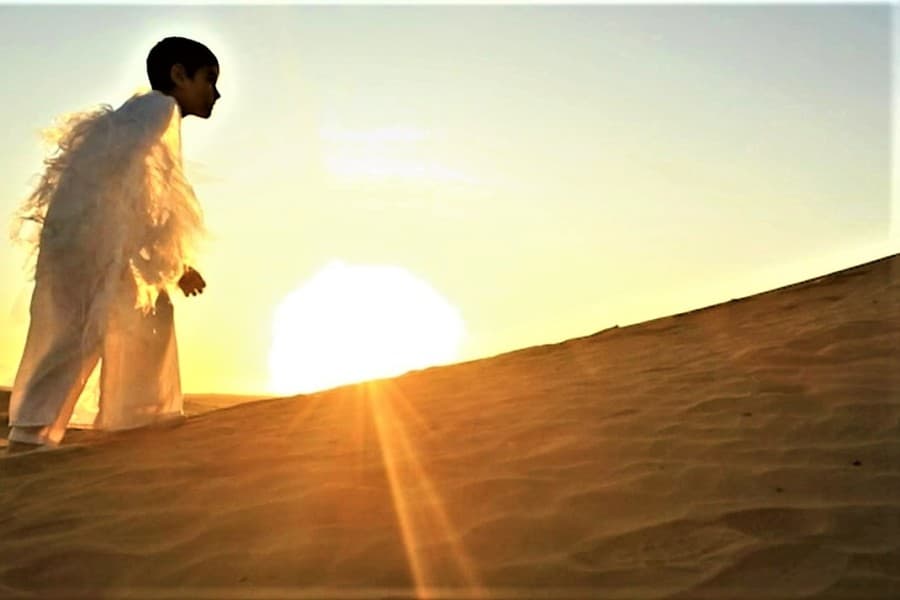
On the sidelines of the Regional Environmental Summit in Astana (RES 2026 EXPO), the results of the Astana Eco Film Festival were announced. While the jury deliberated on the professional awards, a film from Turkmenistan captured the hearts of the audience. The Audience Choice Award went to the documentary "Children of the Sun and Water" by Bekdurdy Amansaryev.
While many of the competing entries focused on contemporary challenges, this film—produced by Turkmenfilm—offered viewers something more: a vertical journey through time. The film explores the water-use culture of the Turkmen people, spanning from the Bronze Age to the present day.

The focal point of the narrative is the legendary Margiana—the fifth center of world civilization. It was here, at the Gonur Depe archaeological site, that the philosophical and ethical foundations of Zoroastrianism took shape—a system in which the purity of water and earth was elevated to the status of supreme sanctity.
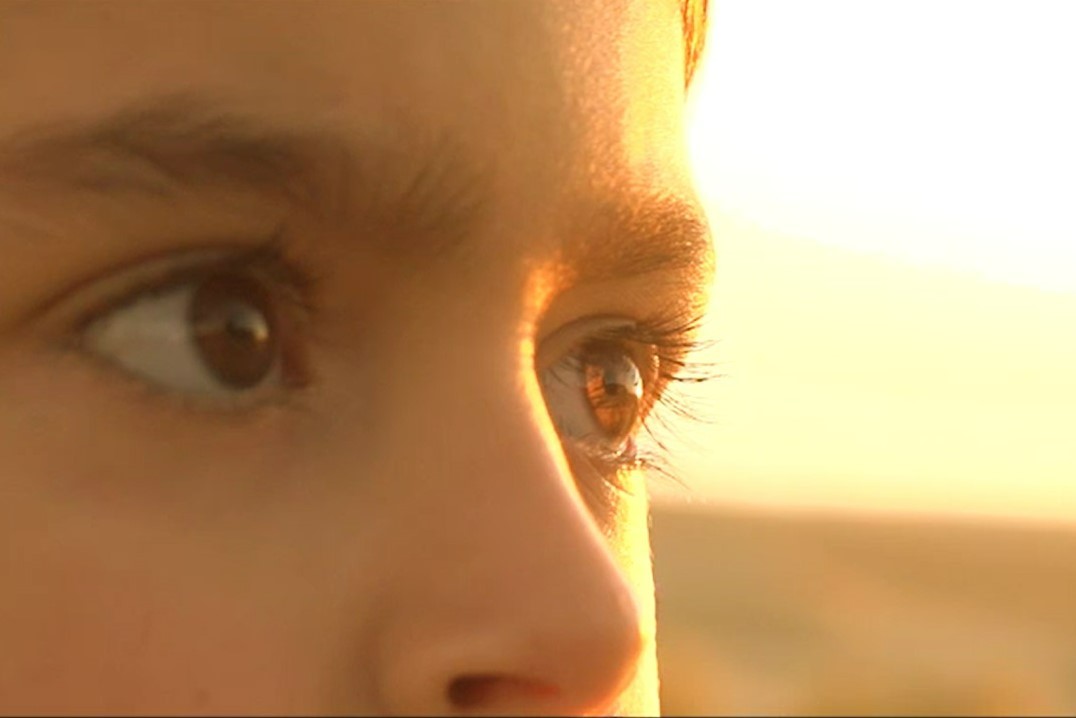
Viewers were captivated not only by the visual aesthetics of the footage—filmed in the pristine, protected corners of Turkmenistan—but also by the film’s profound intellectual depth. Running like a golden thread throughout the entire film is a piece of ancient Eastern wisdom:
"Just as the life of a tiny insect depends upon the boundless Universe, so too does the infinite Universe depend upon that tiny insect."

This film is not merely an environmental manifesto; it is a warning. The words voiced in the film—serving as an appeal to our contemporaries: "If the harmony of the cosmos remains undisturbed, then all of existence will unfold in accordance with the laws of the Creator" — have resonated deeply with an international audience weary of the dry statistics found in environmental reports.
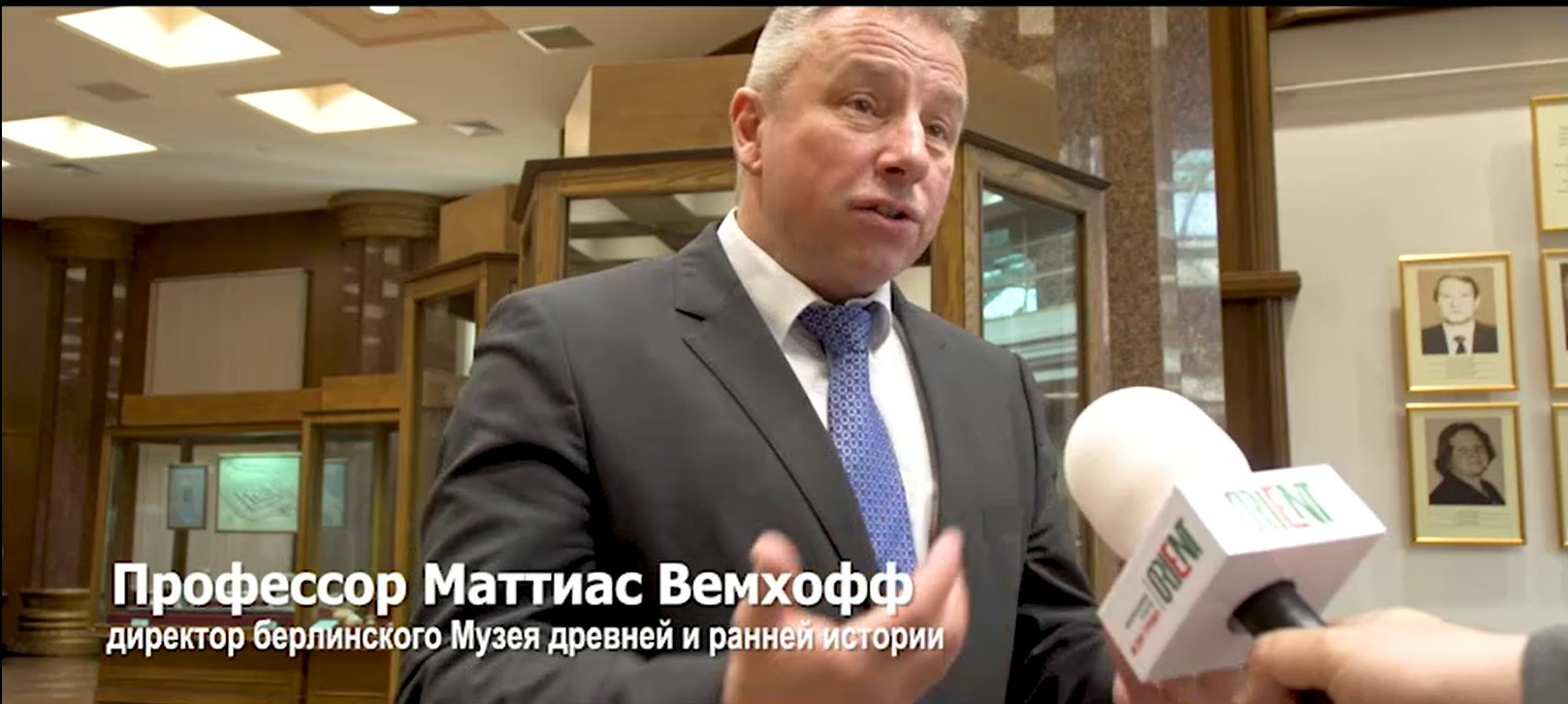
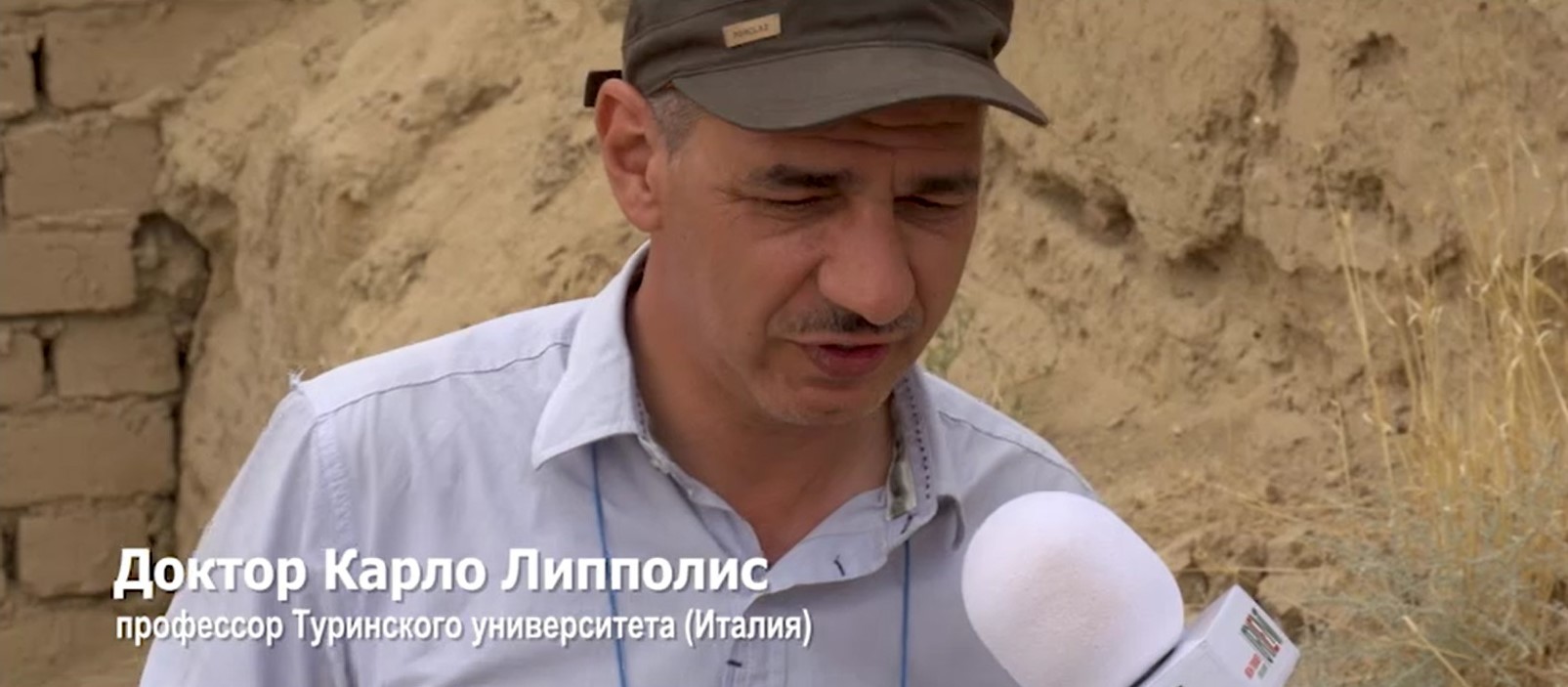
The film gained particular credibility through the participation of world-renowned luminaries in the fields of archaeology and history. Reflecting on the significance of Victor Sarianidi’s discoveries and the legacy of the country of Margush are Nadezhda Dubova, Doctor of Historical Sciences (Russia), and Professor Matthias Wemhoff and Dr. Anton Gass (Germany). Their involvement confirms that Turkmenistan today is not merely addressing contemporary water management challenges; it is also carefully safeguarding the keys to understanding how humanity survived in harmony with nature thousands of years ago.
It is worth noting that "Children of the Sun and Water" represents a deeply personal artistic statement. Bekdurdy Amansaryev served not only as the film’s director and screenwriter but also as its composer; the original score—written specifically for the film—creates that very meditative atmosphere which allowed festival audiences to feel themselves part of a single, living stream of history.