



This event brought together prominent artists, distinguished professors, young faculty, students, and numerous connoisseurs of academic music. The organization of such themed weeks underscores the special status of the Composition Department as an intellectual and creative center where the future of Turkmen professional music is being shaped.
The event was opened by Department Head Kerimguly Garovov. In his profound and emotional speech, he touched upon fundamental issues in the development of national art, noting that the living connection between generations is the unshakable core upon which any professional school rests. He emphasized that continuity in the compositional community is not simply the transfer of technical skills but also the dissemination of spiritual values, ethics, and creative philosophy.
According to Garovov, careful attention to the legacy of recognized masters ensures that young composers will be able to build on the solid foundation of tradition. In a solemn ceremony, the department head congratulated his colleagues, who are celebrating their 70th anniversaries this year, noting their invaluable contribution to the national cultural treasury and their long-standing teaching career.
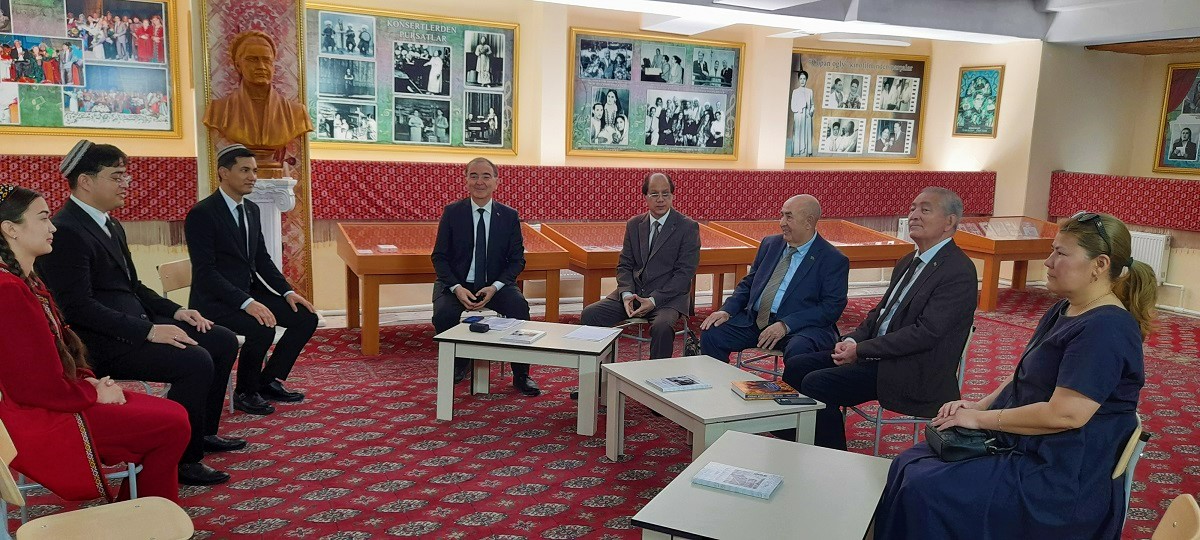
Immediately following the official session, a scientific conference began, dedicated to the topical issue of "Characteristics of Teaching Composition." This professional dialogue brought together key figures in contemporary Turkmen music. People's Artist of Turkmenistan Danatar Khydyrov, whose experience and creative path serve as an example for generations, and Honored Artist Sukhan Tuyliev, known for his innovative approach to analyzing musical forms, delivered detailed presentations. Senior lecturer Mered Annamuradov and Kerimguly Garovov also presented their views on teaching methods. Participants discussed the complex process of cultivating a composer, which requires teachers to possess not only encyclopedic knowledge but also the talent of a subtle psychologist.
During their presentations, the speakers repeatedly returned to the idea that modern music education must be flexible and multifaceted. Particular attention was paid to preserving national identity. The masters emphasized that the mentor's task is to help students master the complex techniques of modern composition, instrumentation, and harmony without losing the distinctive character of the Turkmen musical language. They discussed methods for integrating folkloric origins into large-scale symphonic and chamber music, as well as the importance of an individual approach to each student, allowing them to discover their unique natural talent and develop their own, recognizable style.
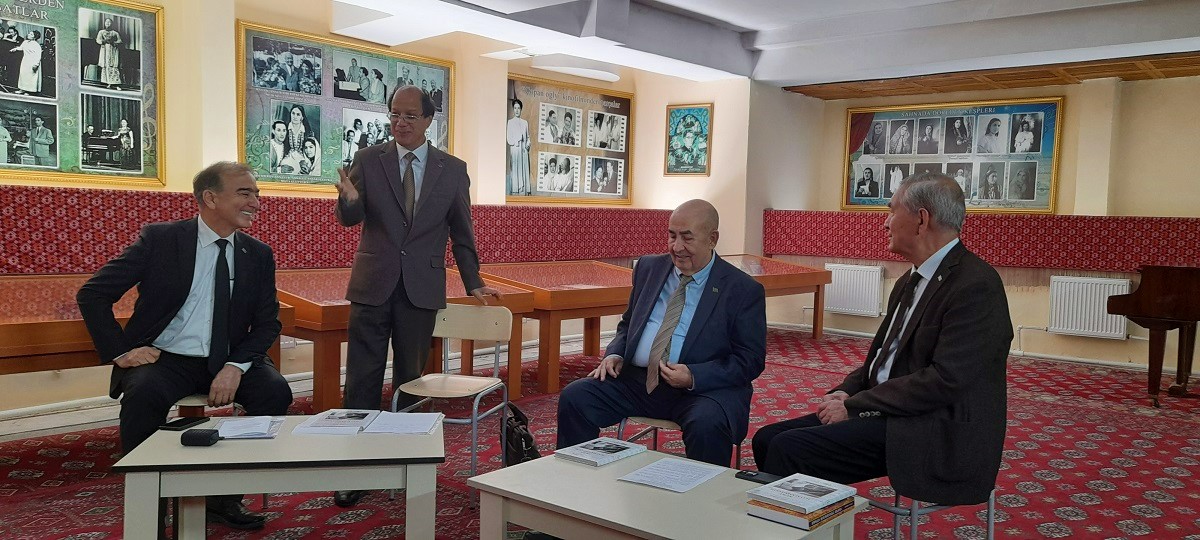
Concluding the discussion, the conference participants noted that such meetings allow them to systematize accumulated experience and chart new paths for the development of the educational process. The week of the Department of Composition and Instrumentation promises to be action-packed: students and guests can look forward to open lessons, creative meetings, and concerts featuring the premieres of new works. This forum of knowledge and inspiration aims to once again demonstrate that the Turkmen school of composition continues to develop dynamically, harmoniously combining the wisdom of the past with a bold search for the future.
Ayna Shirova
