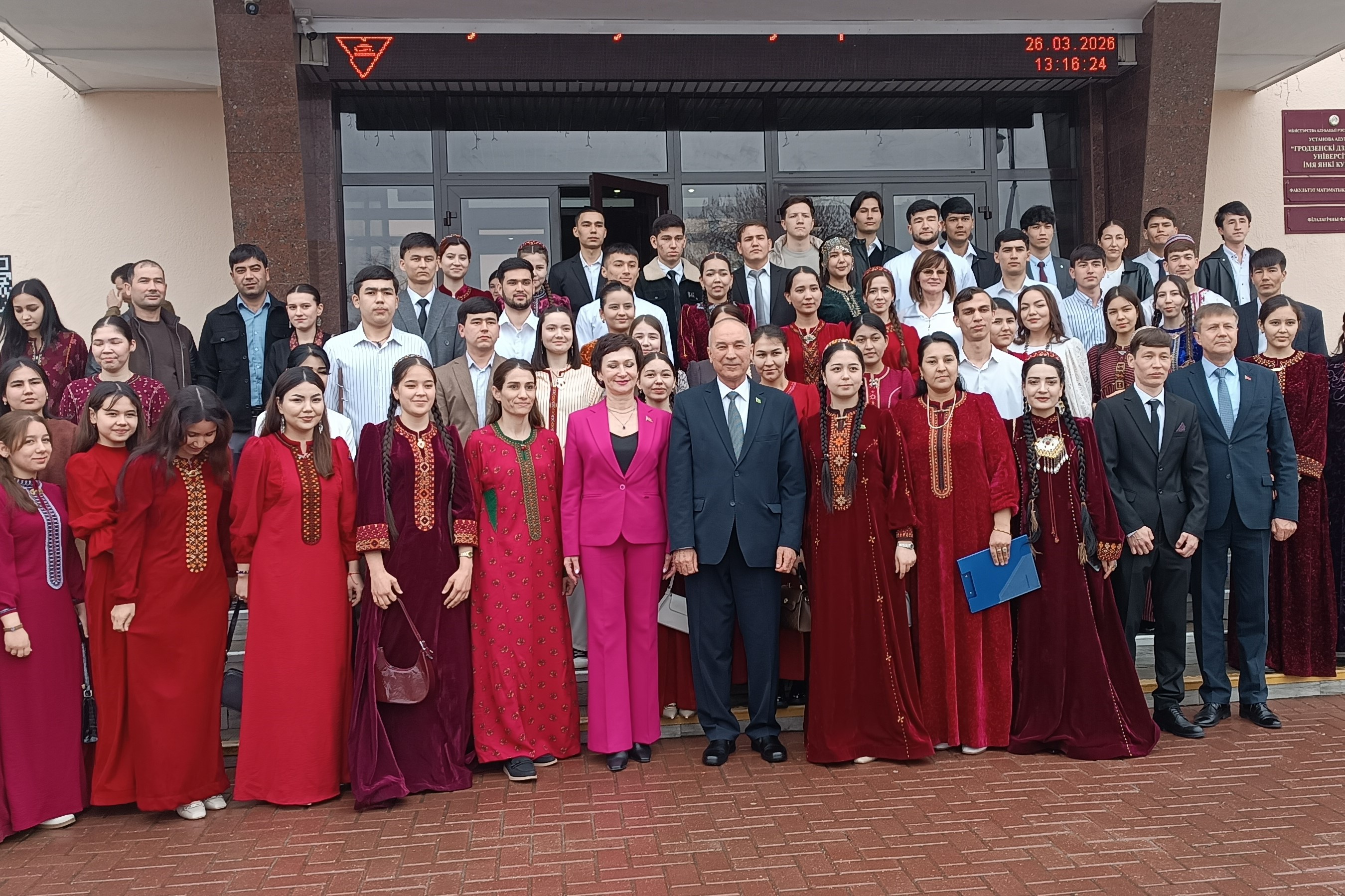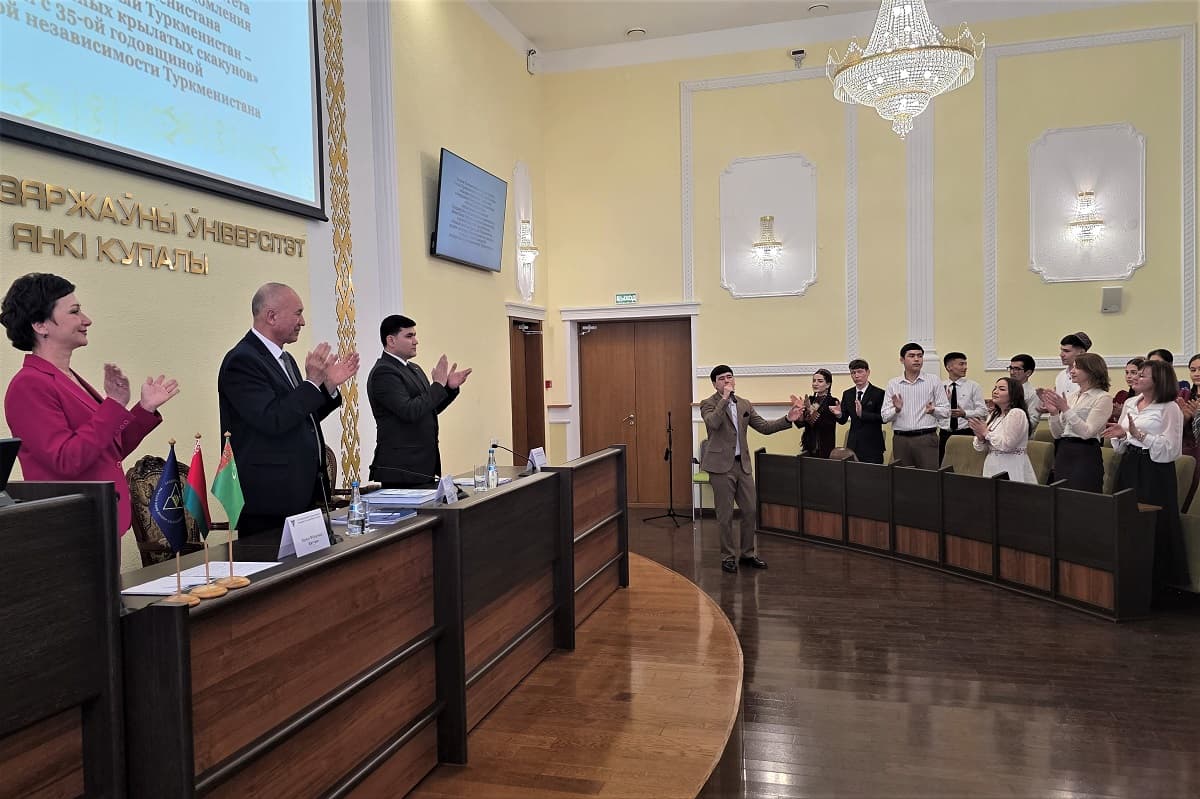



Grodno's university environment has become a new platform for developing cultural and academic dialogue between Turkmenistan and Belarus. Ambassador of Turkmenistan Nazarguly Shagulyev visited Yanka Kupala State University of Grodno to meet with the university's leadership and Turkmen students. The meeting was dedicated to a significant date – the 35th anniversary of Turkmenistan's state independence.
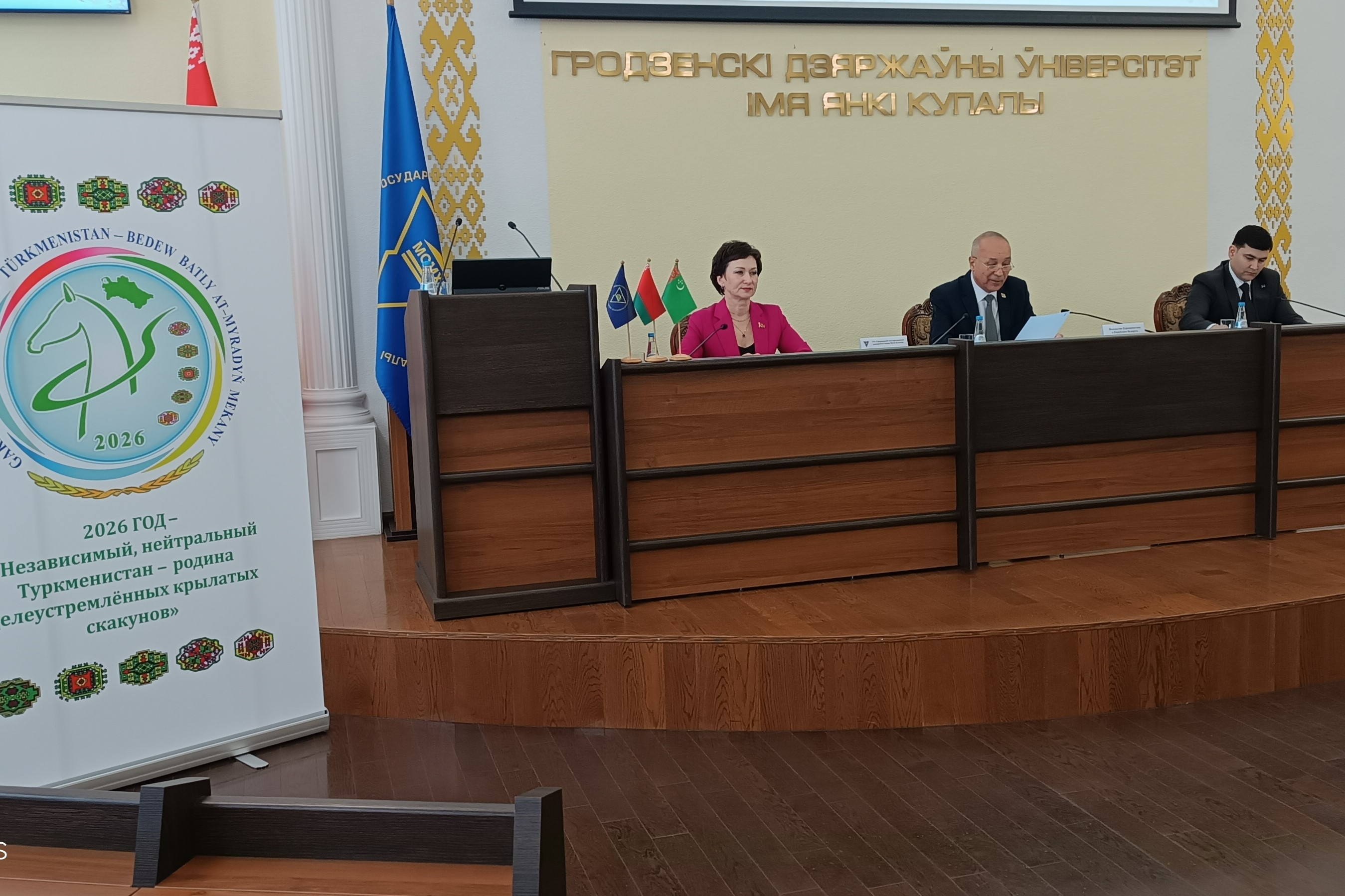
The visit began with a working meeting with the university's rector, Doctor of Historical Sciences Irina Kiturko. The two participants moved away from formalities, focusing on practical and important issues. They discussed the training of specialists for the Turkmen economy, the living conditions and adaptation of our students in Grodno, and new formats for interaction with one of Belarus's leading universities.
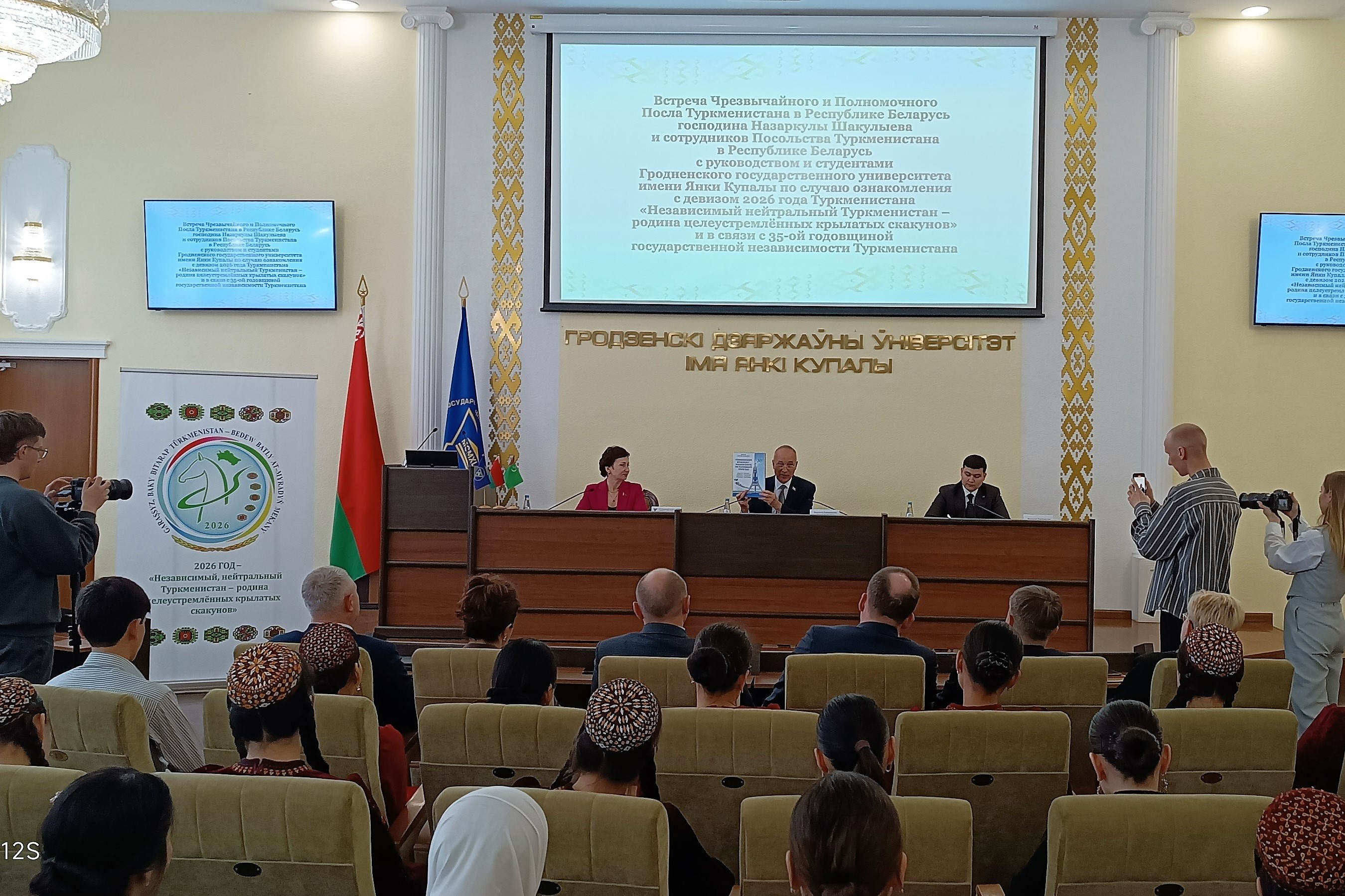
The official part of the event featured a presentation of Turkmenistan's development strategy. Ambassador Shagulyev detailed the philosophy behind the 2026 motto: "Independent, Neutral Turkmenistan – the Homeland of Purposeful Winged Horses."
The central event was the presentation of President Serdar Berdimuhamedov's book, "Turkmenistan's Neutrality – a Bright Path to Peace and Trust." The diplomat emphasized that this work is a fundamental roadmap for building a global dialogue where trust is more important than force.
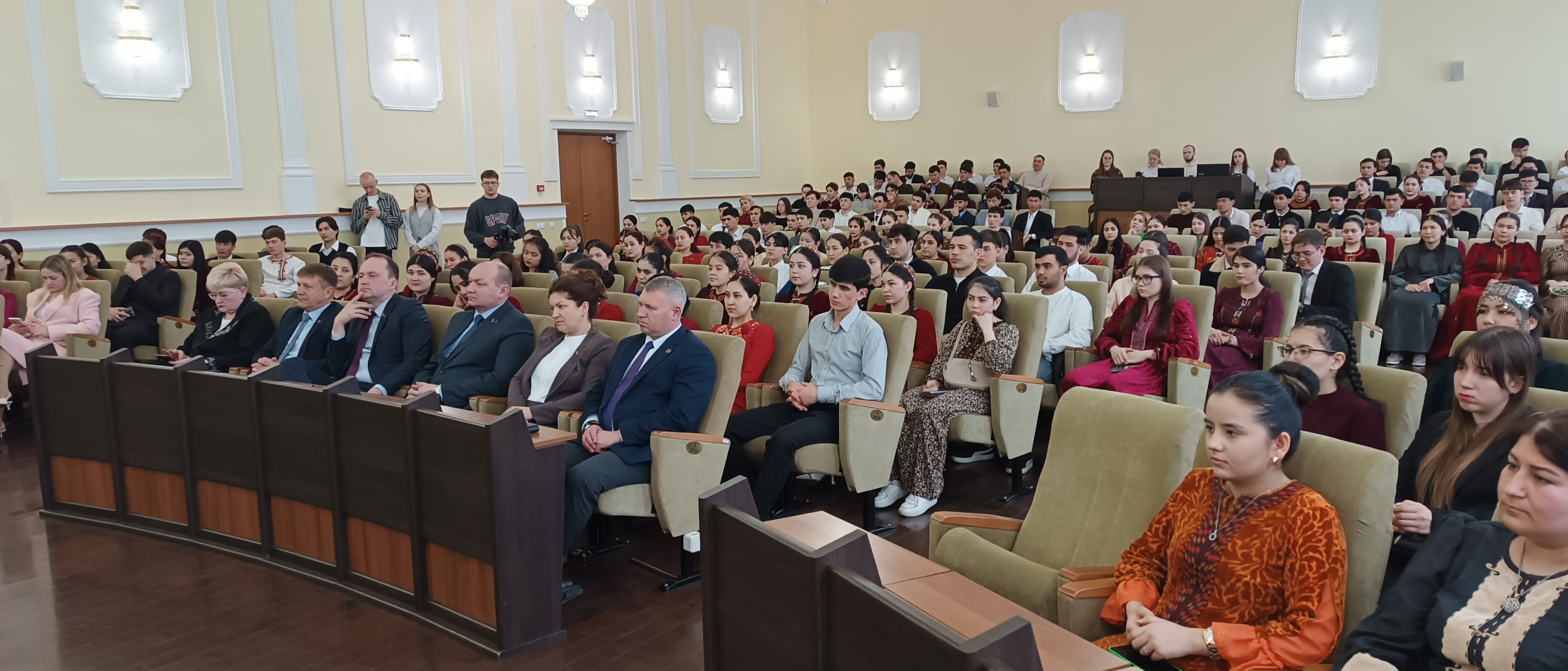
The meeting culminated in a truly emotional performance. Turkmen students from Grodno State University staged a veritable poetry performance. They recited poems by National Leader of the Turkmen People, Gurbanguly Berdimuhamedov, and sang patriotic songs.
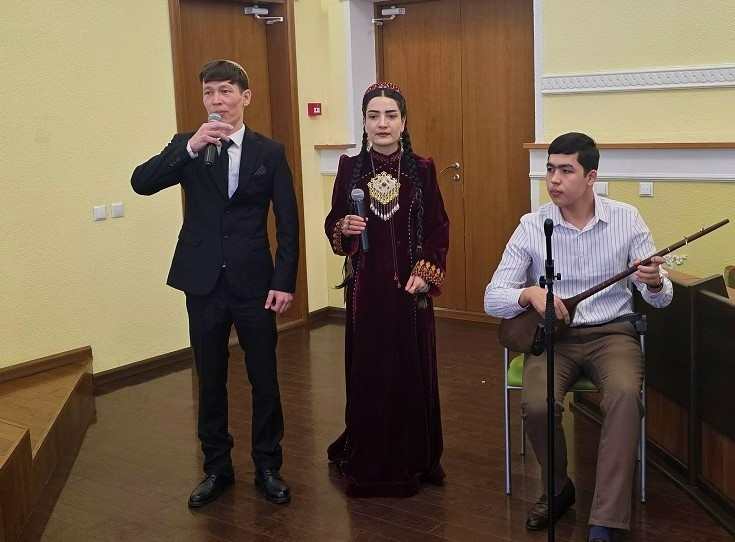
Such meetings at Belarusian universities have become a traditional form of dialogue, fostered by the Turkmen Embassy to foster long-term intellectual and professional partnerships between the two countries and promote the values of neutrality among young people. When students not only study but become ambassadors of their culture, academic cooperation becomes the living fabric of interstate relations. The Grodno State University faculty noted that this dynamic relationship adds a human dimension to the educational process, transforming learning into a creative partnership between generations.