||

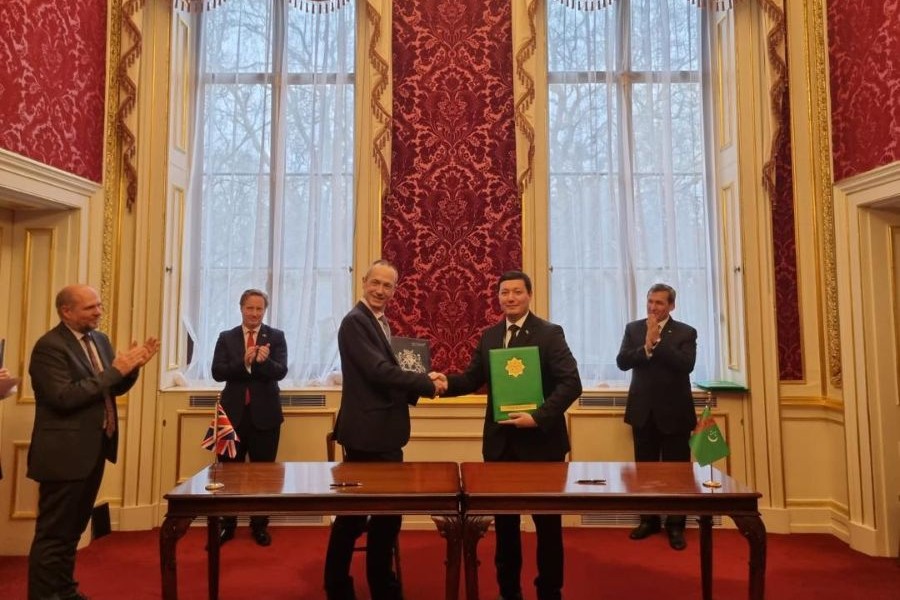
Four agreements laying the foundation for the future education system of Turkmenistan were signed in London. The documents signed in the United Kingdom are of strategic importance for the country. These agreements fully align with the priorities of national reforms and directly correspond to the goals of key state programs:
• The Strategy for the Development of Higher Professional Education in Turkmenistan for 2026–2052 (and its implementation program for 2026–2030);
• The Concept for Improving Teaching Methodology in General Education Programs until 2028.
The signing of the memorandums became the result of the systematic policy pursued by President Serdar Berdimuhamedov aimed at comprehensive modernization of the humanitarian sphere and integration of the country into the global educational space.
Four documents — four development vectors
1. Global certification and recognition of skills (Pearson)
The memorandum signed with the world-leading company Pearson is aimed at introducing international certification standards. This will create conditions under which the knowledge of graduates from Turkmenistan will be confirmed by internationally recognized credentials. It will simplify the recognition of qualifications abroad and help young professionals build successful careers internationally.
2. Reform of the knowledge assessment system (AQA)
Cooperation with AQA Global focuses on modernizing school assessment systems. The introduction of independent and objective methodologies will enhance the quality of the educational process. New standards will enable educators to accurately measure learning outcomes based on transparent criteria and global best practices.
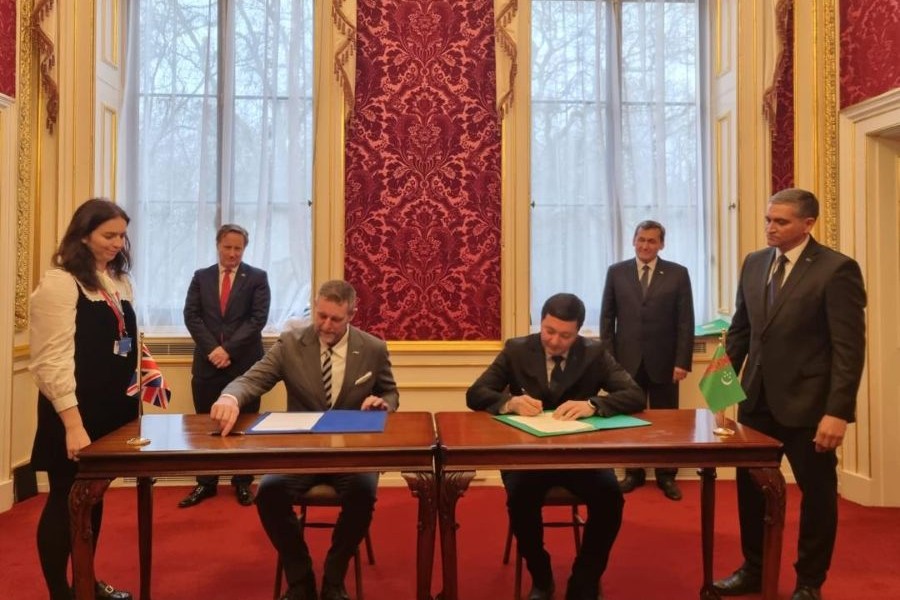
3. Development of the teaching workforce (NILE)
The agreement with the Norwich-based institute NILE is aimed at systematic professional development of teachers. The main emphasis is placed on training teacher-mentors and mastering modern methods of teaching English. This will help establish a sustainable community of educators equipped with the most advanced instructional tools.
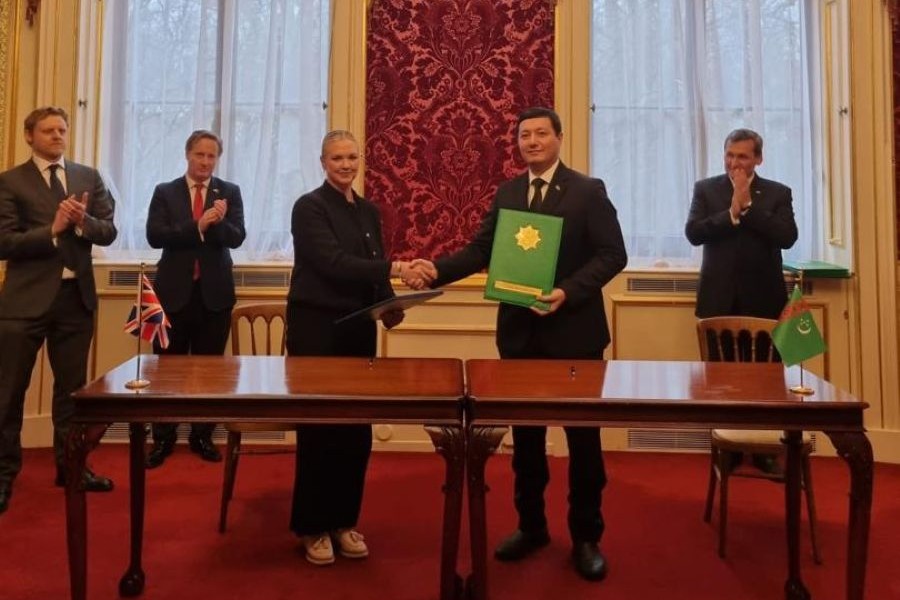
4. University partnerships and exchange of experience (Nottingham Trent University)
The memorandum between the D. Azadi Institute of World Languages and Nottingham Trent University opens the way for academic exchanges and joint research projects. This will allow higher education programs to be adapted to the modern demands of the global labor market.
From plans to concrete steps
Deputy Minister of Education of Turkmenistan Azat Atayev noted that working groups are already being formed following the negotiations. In the near future, detailed roadmaps with clear timelines and performance indicators will be prepared.
This visit confirmed that Turkmenistan is entering the practical phase of reforms, building an education system capable of providing the country with world-class professionals in the long term.
ORIENT
Goşmaça okaň:
Turkmenistan and the United Kingdom: A new stage in modernizing national education
Turkmenistan Is Interested in Expanding Cooperation with the London Stock Exchange