||

Ambassador of Turkmenistan Nazarguly Shagulyev met with Turkmen students at the A.D. Sakharov International State Environmental Institute in Minsk. The discussion focused not only on diplomatic dates but also on how future environmentalists can apply European experience to implement "green" initiatives and projects in their homeland.
The choice of venue for the meeting was symbolic: the environmental agenda today unites countries more powerfully than any formal agreements. The visit to the Sakharov Institute was dedicated to the 2026 motto—"Independent, Neutral Turkmenistan—Homeland of Purposeful Winged Horses"—and to a discussion of President Serdar Berdimuhamedov's new book on neutrality.
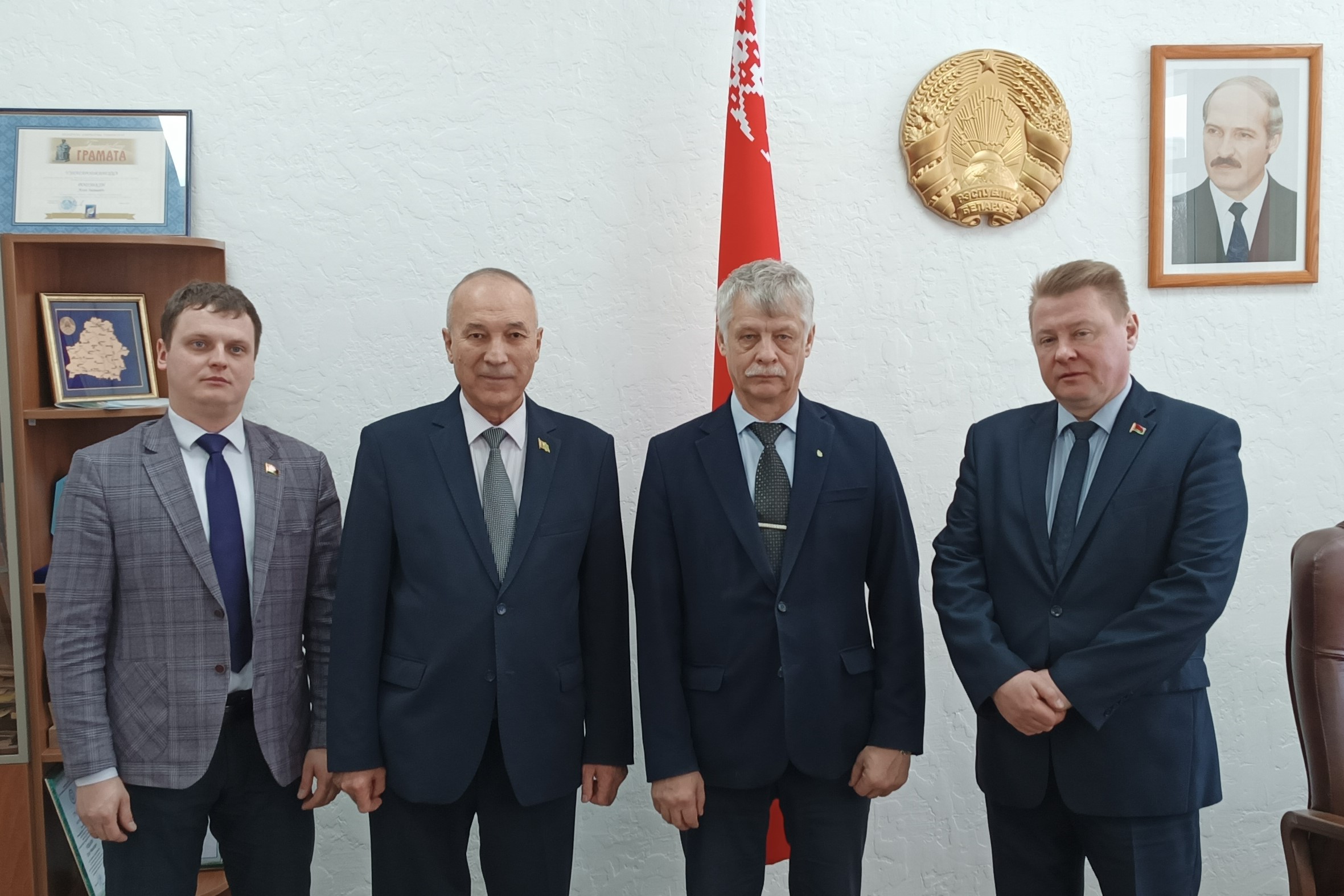
In a conversation with the Ambassador, Director of the Institute Professor Oleg Rodkin noted that Turkmen environmental students are the future architects of sustainable development. Today, in Minsk, they are mastering technologies that will tomorrow help Turkmenistan introduce innovations in agriculture, energy, and the preservation of unique ecosystems.
"Our graduates from Turkmenistan always demonstrate a high level of training," the professor emphasized, adding that the Institute is proud of its contribution to training personnel for the partner country.
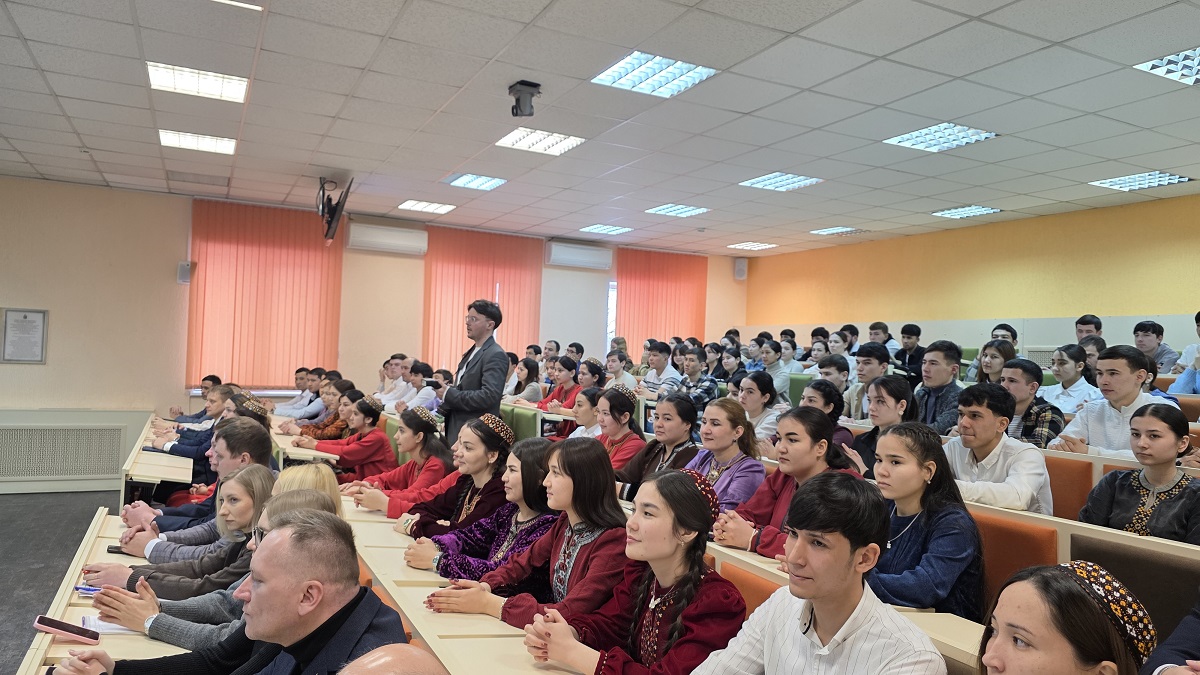
Speaking to the youth, Ambassador Nazarguly Shagulyev revealed the profound meaning of the image of the "winged horse." In 2026, the Akhal-Teke horse will be seen not just as a living historical monument, but as a symbol of the country's dynamic development today.
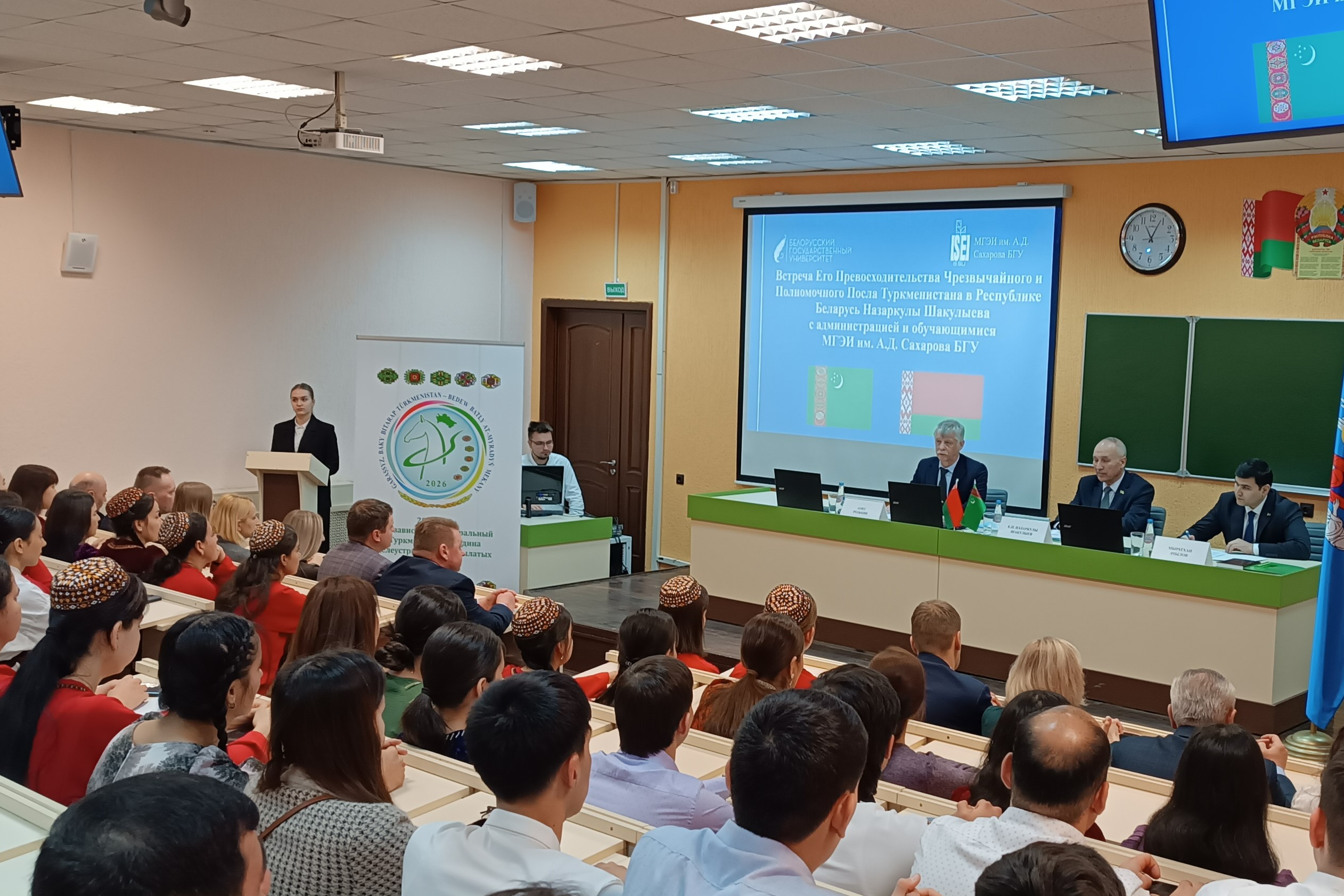
The presentation of the President's book, "Turkmenistan's Neutrality – a Bright Path of Peace and Trust," was the central event of the meeting. The Ambassador explained to the students that "positive neutrality" is not just a political term, but an ecology of human and state relations based on trust and mutual respect.
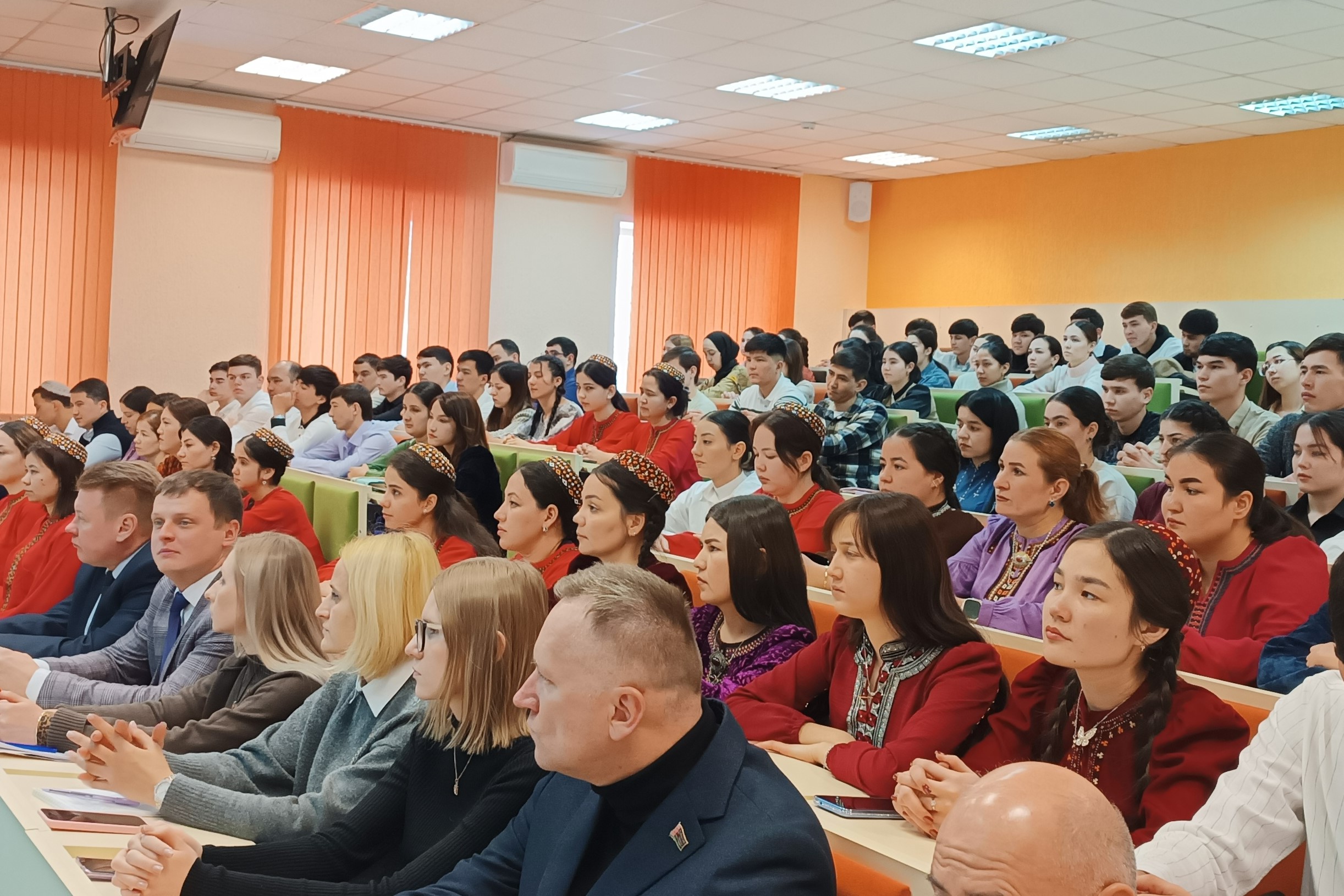
The meeting concluded on an emotional note: the ecology students prepared a poetry composition. Poems about their love for their native land and the greatness of the Akhal-Teke horses resonated within the walls of the scientific Institute as a promise to the young people to preserve the legacy of their ancestors using the knowledge of modern science.