We are guided by what unites people




News
Articles
Media
Announcement
Technology
About Us
Contacts

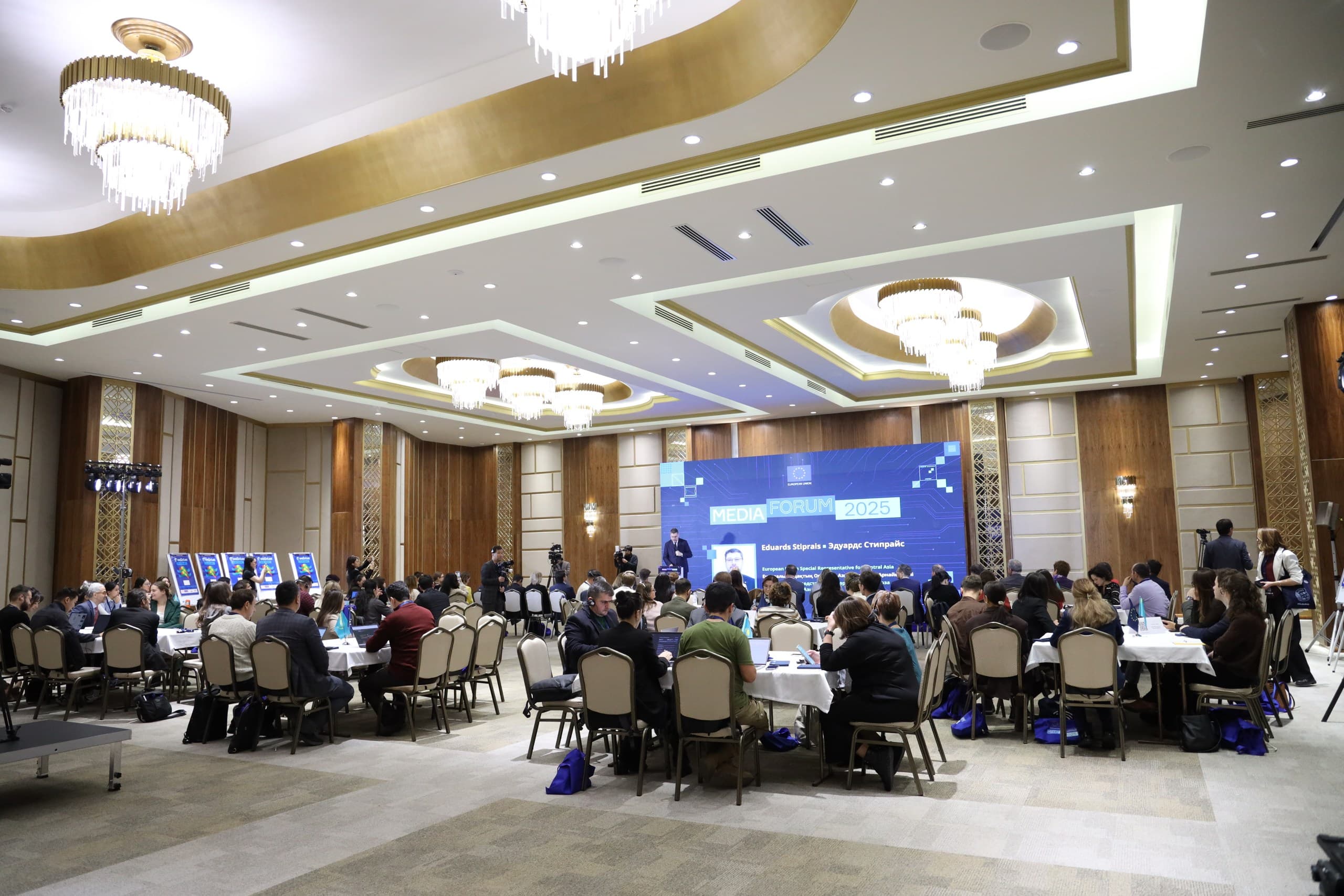
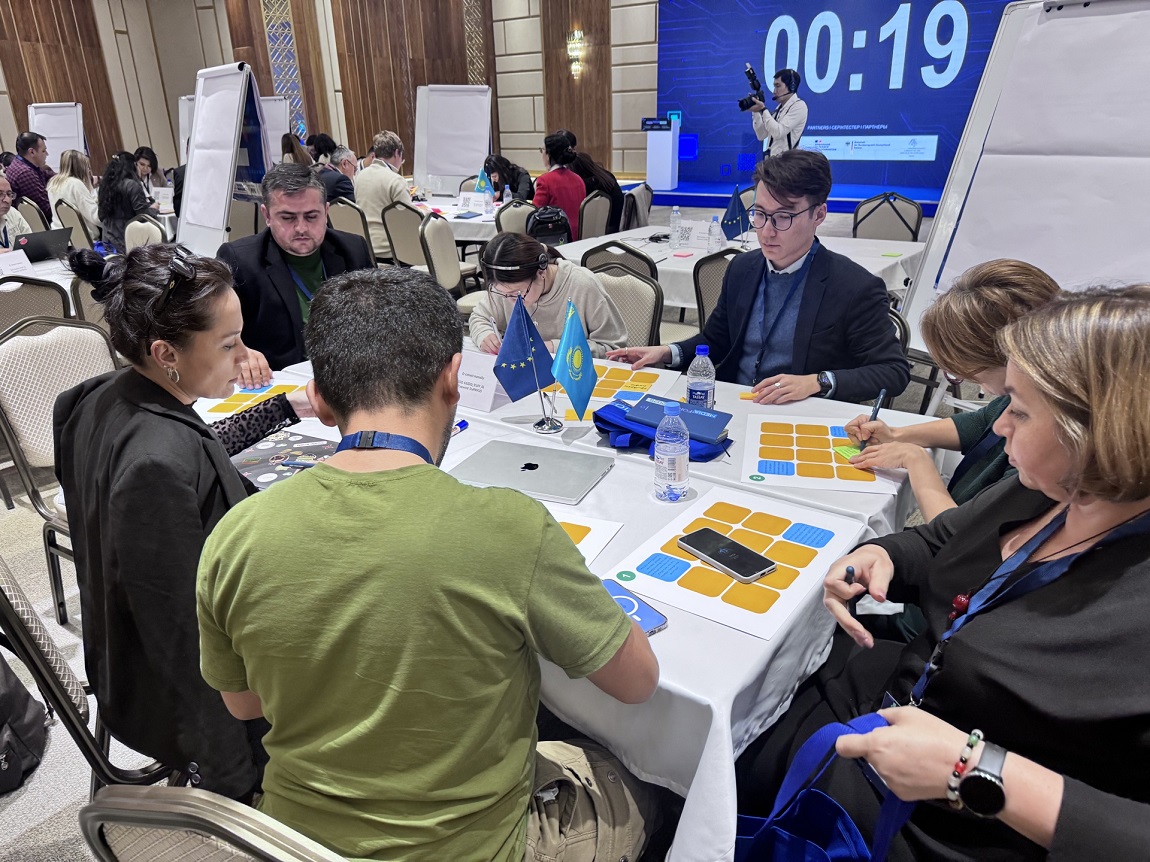
On December 4, the Delegation of the European Union to Kazakhstan held the third annual regional media forum in Astana, entitled "Digital Environment: Online Presence in the Age of AI and Information Manipulation." The event brought together over 100 participants—journalists, fact-checkers, civil society representatives, media organizations, and journalism students—from all Central Asian countries, including Turkmenistan, and the EU to discuss the new challenges posed by artificial intelligence and disinformation.
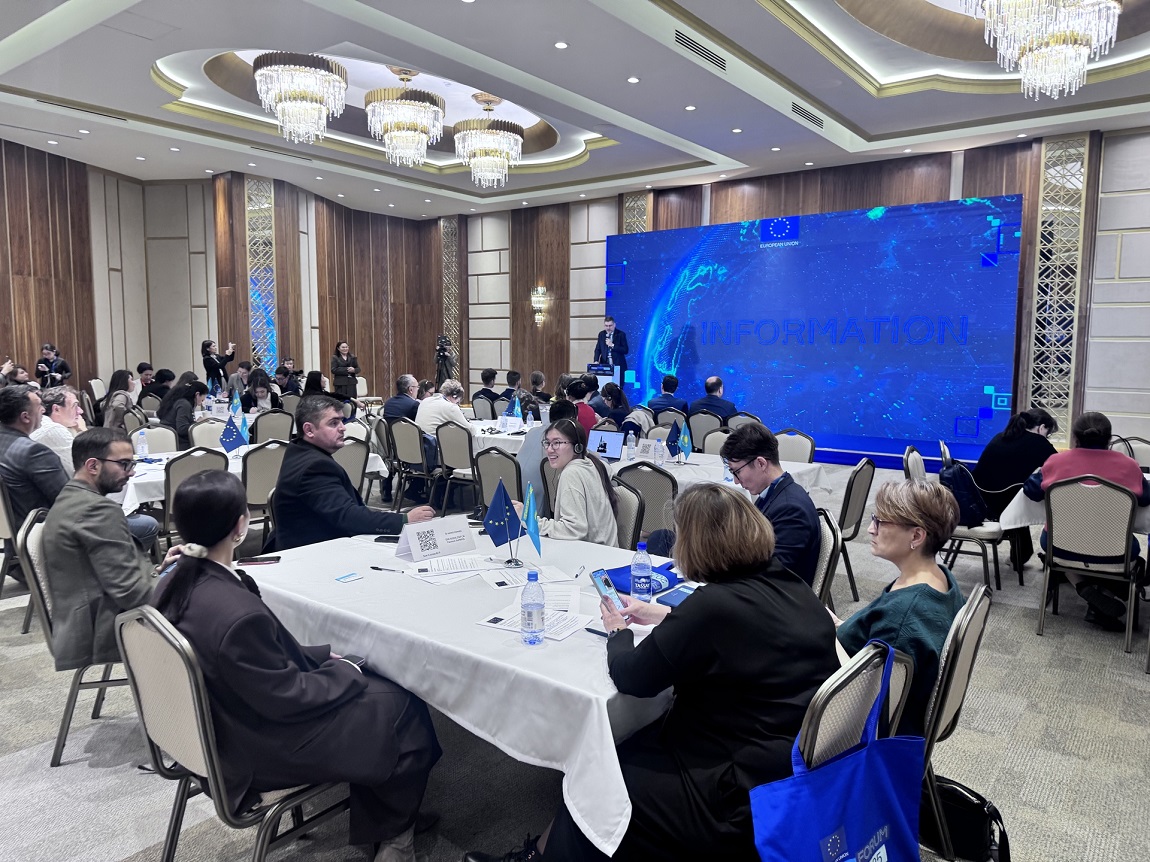
In his welcoming remarks, Eduards Stiprais, EU Special Representative for Central Asia, emphasized that a dynamic media environment is essential for trust and stability. He outlined the key challenges facing journalists in the region, citing AI manipulation and coordinated digital threats as the main concerns.
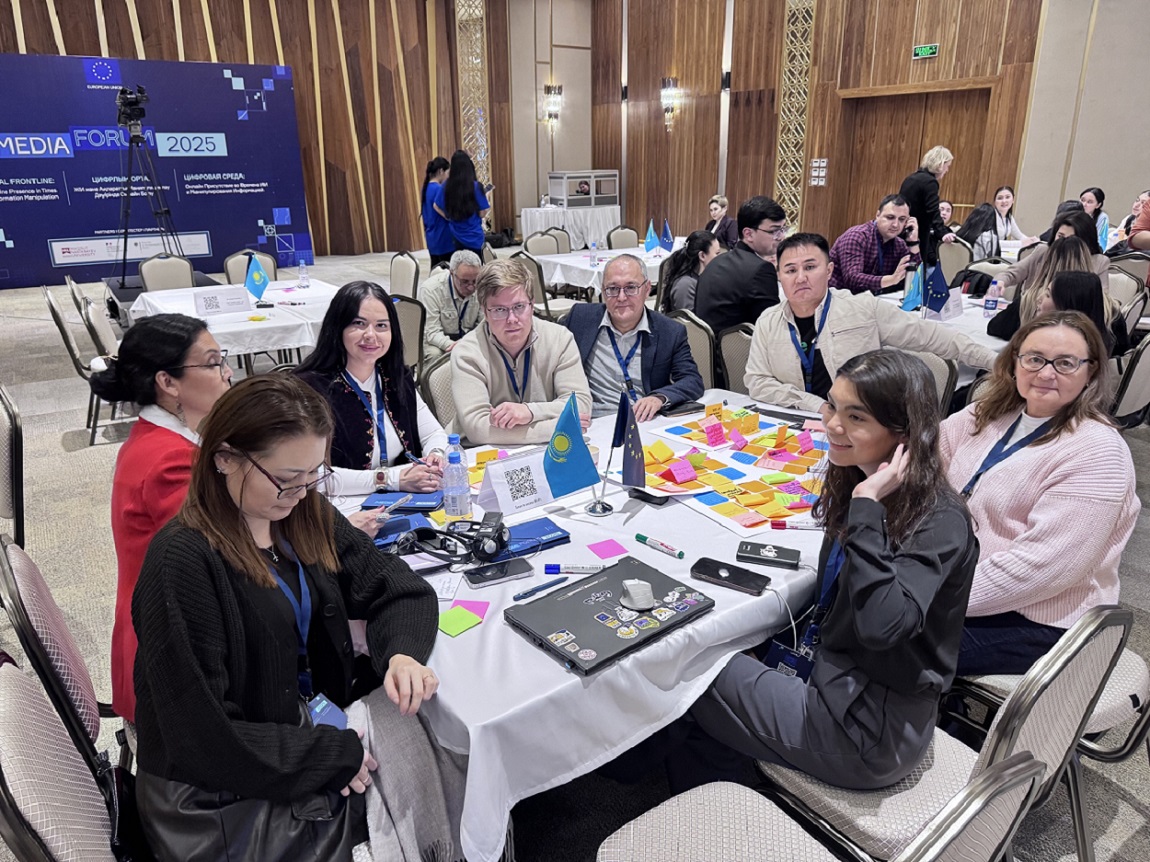
He clearly outlined the forum's goal: to strengthen cross-border cooperation among journalists, fact-checkers, and civil society to build collective resilience.
"The work of journalists is vital to keeping citizens informed. And informed communities are the foundation of peaceful and resilient societies," Stiprais said, expressing confidence that this Forum will contribute to strengthening regional cooperation and collective efforts to create a safer digital information space.
The Forum's program focused on developing practical protective measures. Workshops covered the most pressing topics: the impact of deep fakes on politics, methods for detecting AI-driven disinformation, and building journalistic resilience.
EU support includes not only infrastructure but also the development of media literacy and cybersecurity. Digital resilience, according to Stiprais, is resistance to the weaponization of information. The Special Representative noted that threats to trust posed by disinformation can undermine the very foundation necessary for the successful implementation of any strategic goals and large-scale partnerships.
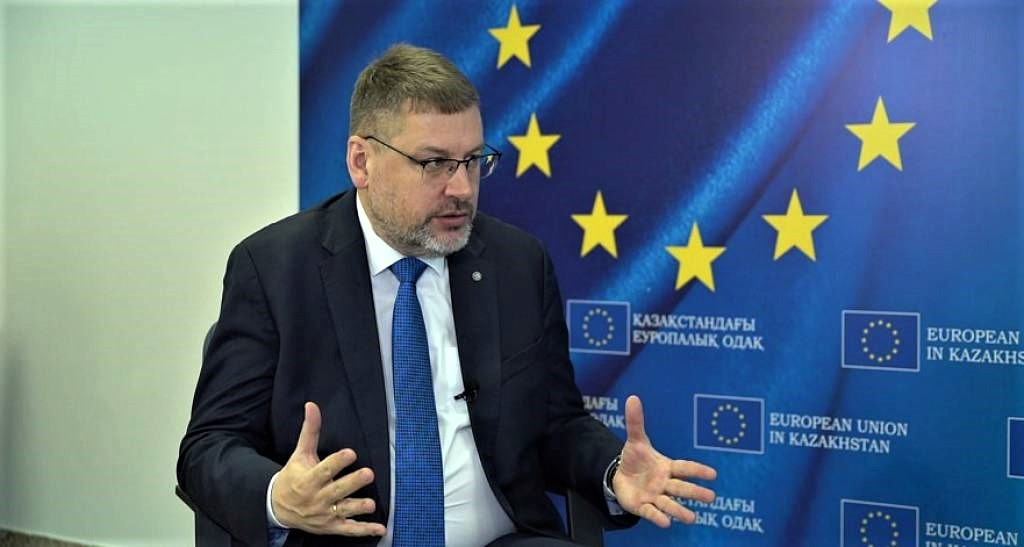
An informed and resilient society is a direct prerequisite for achieving ambitious economic goals. It is precisely the stability and transparency fostered by the media sector that create the conditions for multi-billion-dollar investments and infrastructure projects. In this context, in an exclusive interview on the sidelines of the forum, Eduards Stiprais spoke in detail about the prospects for deepening cooperation between the European Union and Turkmenistan, emphasizing that relations have been developing for over 30 years.
The EU Special Representative noted that relations with Turkmenistan are based on issues of the international agenda. He emphasized the country's responsible and principled position as a permanently neutral state in matters of security, stability, and the maintenance of international order based on the principles of the UN Charter and the OSCE Helsinki Act.
Turkmenistan is viewed as a crucial link in the system of "connectivity" between Central Asia, Europe, the Far East, and South Asia—the modern-day Great Silk Road.
The Trans-Caspian Corridor plays a special role in the development of the entire Central Asian region. Stiprais called the Turkmenbashi International Seaport a "sea gateway" of great geopolitical significance for Eurasia. The port is part of the Europe-Caucasus-Asia (TRACECA) trade route and serves as a major transit hub in the region, providing access for neighboring countries to the South Caucasus and the European Union.
Two promising sectors were mentioned where cooperation could be most effective: green energy and gas processing.
Turkmenistan has enormous potential for solar energy development. A promising goal is to harness this potential, convert it into electrical energy, and transmit it across the Caspian Sea to Azerbaijan, and then to Europe via a cable system.
The production of chemical products from natural gas, such as mineral fertilizers, was also identified as a promising area. These products are not only important for Turkmenistan's economy but also a key commodity for ensuring food security in Central Asia and around the world.
Stiprais noted that the potential for cooperation has not yet been fully realized, but project development is actively underway. The most important step will be the imminent signing of an agreement between the Government of Turkmenistan and the European Investment Bank (EIB).
"This will open up new opportunities for not only project financing but, more importantly, for the development and acquisition of expertise," the Special Representative emphasized.
The EIB and its partners (such as the EBRD and ADB) will work together to ensure that projects implemented within the Trans-Caspian Corridor are as efficient, fast, and high-quality as possible.
The third regional media forum was a logical continuation of the European Union's systematic work in the region. Its focus on digital resilience directly supports the broader and multifaceted EU-Central Asia partnership strategy. This strategy encompasses all aspects of cooperation: from security and compliance with international law, as outlined by Special Representative Stiprais, to the implementation of key economic and infrastructure projects, such as the Trans-Caspian Corridor and the development of green energy. Thus, strengthening the media sphere is not simply an end in itself, but a fundamental element of long-term regional stability and economic growth.
Enejan KEPBANOVA