||




 Chinese New Year
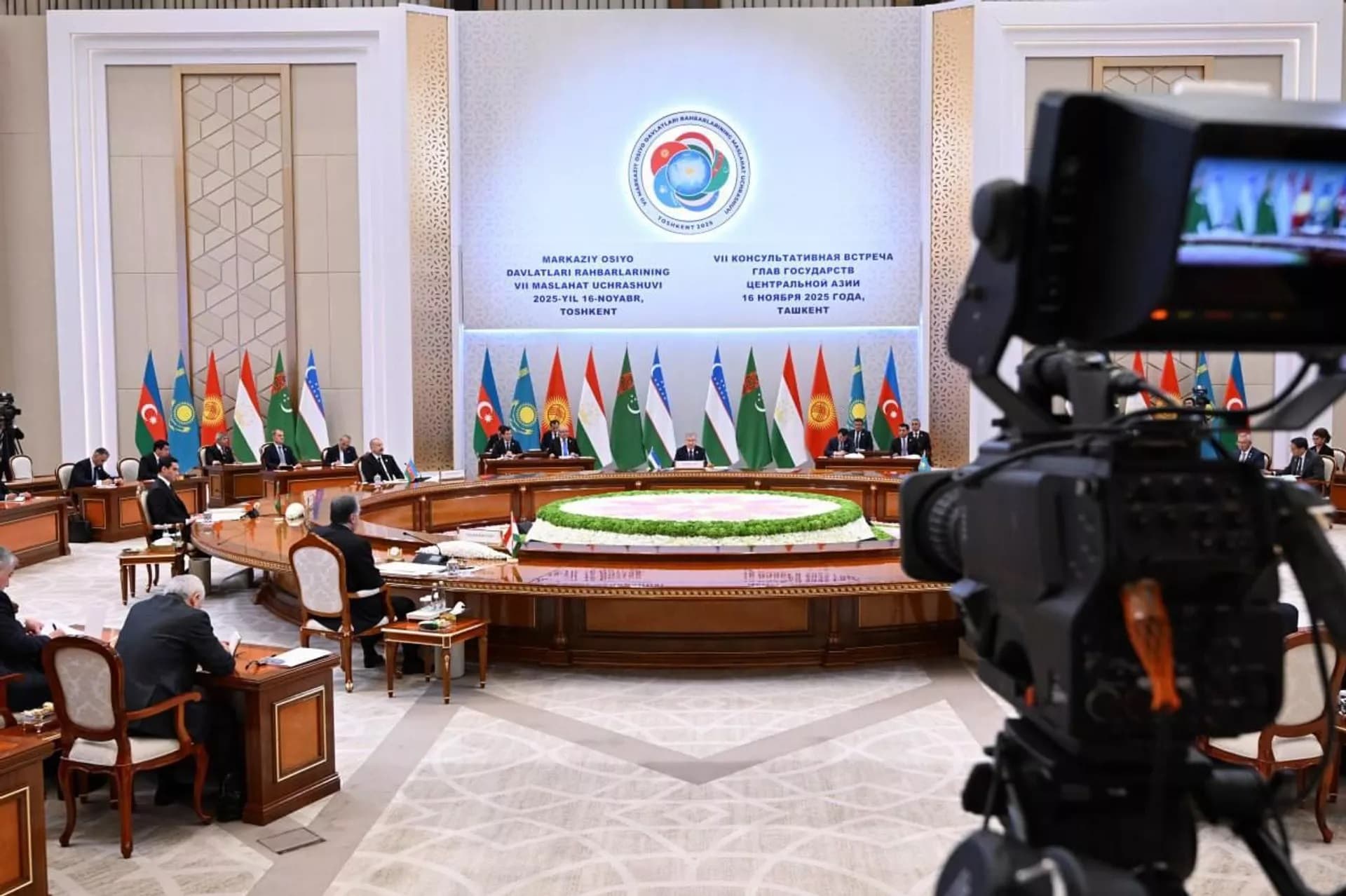
An analysis of achievements in integration processes, presented at the 7th Consultative Meeting of the Heads of State of Central Asia, shows that in recent years the region has made significant progress in consolidating many efforts – from resolving long-standing problems to building systemic cooperation.
In the short period of active integration, the Central Asian states have achieved much. But most importantly, they have achieved concrete results in resolving pressing issues. These include:
a) Territorial issues have been resolved, eliminating long-standing contentious issues that hindered the establishment of full-fledged cooperation;
b) Borders have been opened to a certain extent by restoring direct communication between the countries;
c) Water and energy partnerships have been established – mutually beneficial resource use schemes have been established and maintained;
d) Transport links have been restored – key logistics chains have been restored;
d) Trade and investment have been intensified, as conditions have been created for increased mutual trade and capital inflows;
e) Humanitarian cooperation has been strengthened, with contacts in the cultural and educational spheres expanded.
Growth in economic indicators is also evident, as specific figures confirm the positive dynamics of this process. For example, mutual trade volume reached $10.7 billion, and the total inflow of investment into the region increased by 17%.
These statistics demonstrate that integration brings real economic benefits to all Central Asian countries.
Clearly, the region's security and stability depend on the mutually acceptable nature of joint decisions regarding common challenges and threats facing Central Asia.
In this regard, countries in the region are taking measures to counter terrorism and extremism, prevent drug trafficking and cross-border crime, and strengthen regional security. It can already be said that Central Asia has developed a unified position on key threats, which enhances the resilience of the entire region.
Many political scientists note that Central Asia is increasingly asserting itself on the global stage as a region that takes a consolidated position on international platforms.
The successful functioning of the “CA+” format in dialogue with foreign economically developed and developing countries – the USA, Japan, the Republic of Korea, Germany, Italy, Russia, China, Turkey, etc. – is also noted.
In this context, the achievements of Central Asian states in expanding cooperation with such a leading international actor as the European Union are also evident.
Azerbaijan's accession to the consultative format was undoubtedly a crucial step for the further development of the region. This not only expands the geographic scope of cooperation but also strengthens the region's voice in the global community.
Turkmenistan will assume the rotating chairmanship of the Consultative Meeting of the Heads of State of Central Asia. This format, chaired by Uzbekistan in 2025, has been marked by a number of significant events, including more than two dozen forums, dialogues, and meetings. The Interregional Cooperation Forum was launched at the deputy prime minister level.
For the first time, meetings were held between the heads of defense ministries, heads of special services, and ministers of geology, industry, agriculture, ecology, and culture.
The Central Asian Women Leaders' Dialogue was held in Tashkent – this format has become a natural part of the regional agenda.
All this has strengthened the institutional foundations of partnership and the creation of working mechanisms for addressing practical issues.
Turkmenistan has taken over as chair of the consultative format from Uzbekistan. Now it's time for Ashgabat to take over.
What are the prospects for Central Asia's future development, and what are its strategic priorities?
First and foremost, these include deepening economic integration, increasing mutual trade and investment, and eliminating administrative barriers that hinder the region's joint progress.
Further infrastructure development through the implementation of major transport projects that could more actively involve Central Asia in international transport and logistics chains.
More effective work on the rational use of water resources, with the involvement of Afghanistan in these processes.
In terms of humanitarian cooperation, joint scientific research should be expanded in the fields of healthcare (taking into account the spread of viral and infectious diseases), agriculture (in relation to climate change), artificial intelligence, and the digitalization of the economy (taking into account the requirements of its transformation).
Expanding cultural and educational exchanges is also a priority. It is believed that special attention will be paid to further steps to strengthen regional security in the context of the decisions adopted at the 7th Consultative Meeting.
All of this will make the process of regional rapprochement more effective. This is important for every resident of Central Asia, as integration brings tangible benefits in many areas.
In the economy, it promotes trade growth, job creation, and increased incomes.
In logistics, new transport corridors expedite the delivery of goods, thereby reducing their prices.
Strengthening regional security makes life more stable through joint measures to protect against global threats.
Coordination in the water sector facilitates the rational use of resources, which directly impacts the food security of each Central Asian country and the region as a whole. In the cultural sphere, the exchange of experience and traditions strengthens our shared heritage.
The results of the Seventh Consultative Meeting of the Heads of State of Central Asia allow us to confidently state: both the meeting in Tashkent and the format itself convincingly demonstrate the transformation of the region into a space of sustainable development, where cooperation is becoming the foundation for the prosperity of all Central Asian countries.
ORIENT