||
Why do some people look energetic and healthy at 50, while others face chronic problems at 40?
It's all about the difference between chronological (as recorded on their passport) and biological age. And the key to this difference is hidden in every cell—in the DNA molecule.
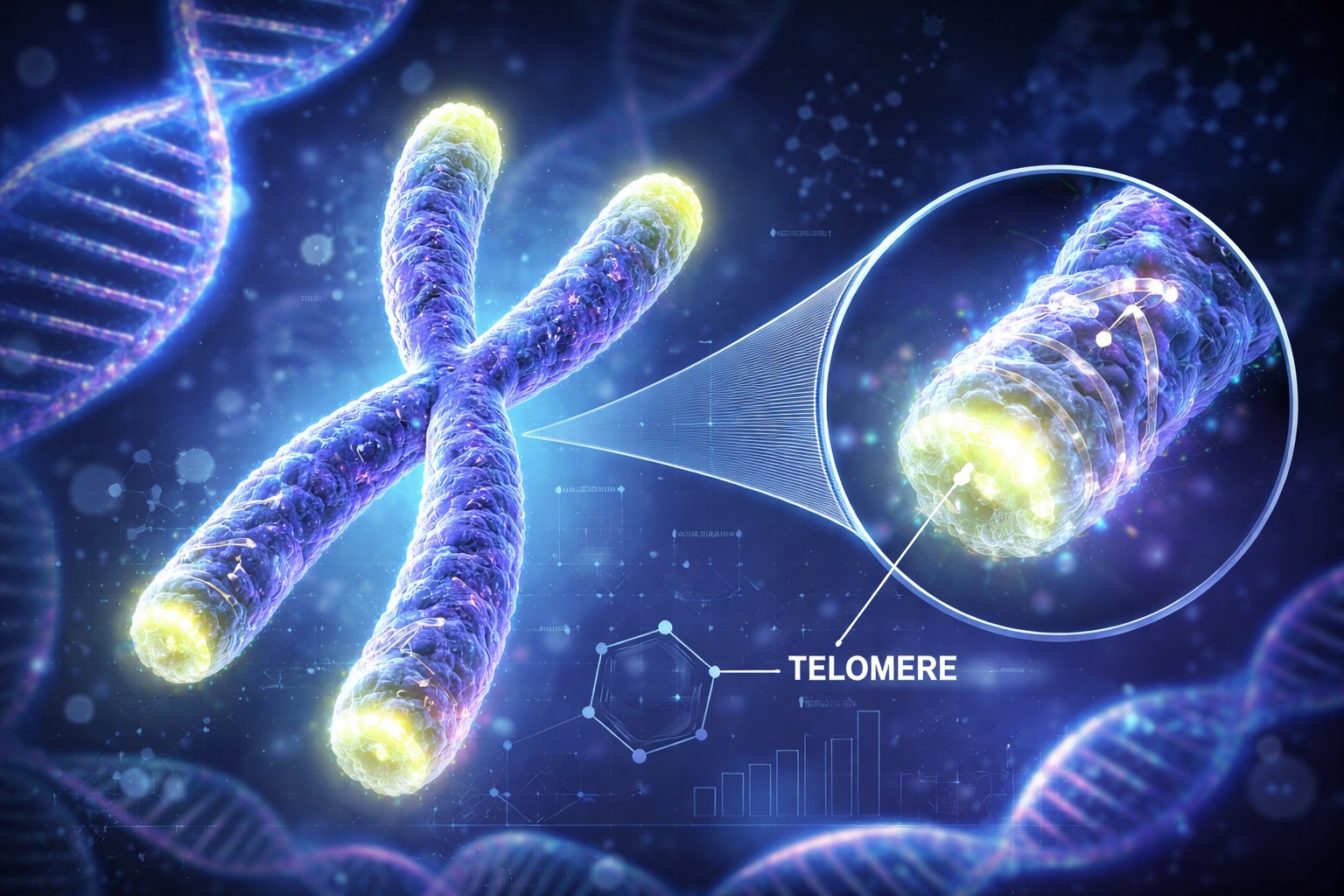
Each DNA molecule is a long, double strand. Telomeres are located at the ends of these strands. They resemble protective caps and are often compared to the plastic tips on shoelaces (aglets). Just as tips prevent shoelaces from unraveling, telomeres protect genetic information during cell division. It's all about the difference between chronological (passport) and biological age. And the key to this difference is hidden in every cell—in the DNA molecule.
When a cell divides, it copies its DNA using DNA polymerase. However, this process can't be completed until the very end of the chain, so the DNA shortens slightly with each division.
Since telomeres are located at the ends, they are the ones that shorten. However, their supply is not infinite. On average, a cell can divide 40-60 times. This phenomenon is known as the Hayflick limit. When telomeres become critically short, the cell stops dividing, enters a state of senescence, or dies.
This is where biological aging begins.
Modern research shows that telomeres are more than just passive structures. They participate in cellular signaling processes and can influence inflammation, mitochondrial health, and overall cellular metabolism.
A number of experimental studies (including those by Jack Griffith) suggest that when telomeres become critically shortened, they can trigger additional mechanisms of cellular damage. However, these data require further confirmation.
Telomere length is considered an indicator of biological age. The shorter they are, the higher the risk of developing age-related diseases, including Alzheimer's disease, cardiovascular disease, and type 2 diabetes. It's important to understand that this is not a death sentence, but rather a trend.
Accumulated evidence shows that the rate of telomere shortening is influenced by:
• chronic stress
• oxidative stress
• excess sugar
• smoking
• lack of sleep
These are factors that a person can influence.
Is It Possible to Slow This Process?
It's impossible to completely stop telomere shortening. But it can be slowed.
Research (including the work of Dean Ornish) shows that comprehensive lifestyle changes can increase the activity of telomerase, an enzyme involved in maintaining telomere length. This isn't about "rejuvenation," but rather about slowing the rate of aging. This enzyme is active in stem cells, germ cells, and some immune system cells.
However, there's a downside: high telomerase activity is characteristic of cancer cells, making them virtually "immortal." Therefore, directly stimulating telomerase (for example, with specific drugs or cellular "rejuvenation" methods) is not recommended.
What really works and is safe:
Meditation in this context is not an abstract practice, but a tool for reducing physiological stress. Focusing on breathing and attention helps stabilize the nervous system.
Social Connections: An Underappreciated Factor in Longevity
Loneliness is not only an emotional state but also a physiological stressor.
Research shows that social isolation is associated with increased levels of chronic stress and inflammation, factors that accelerate telomere shortening.
In particular, people who experience prolonged loneliness tend to have shorter telomeres in their white blood cells, the blood cells involved in immune defense.
This doesn't necessarily mean it's inevitable, but it does point to an important pattern: the quality of social connections can influence aging processes at the cellular level.
Traditionally, Turkmen culture places great importance on family, support, and a measured lifestyle—and, as modern data shows, these factors are indeed conducive to maintaining health.
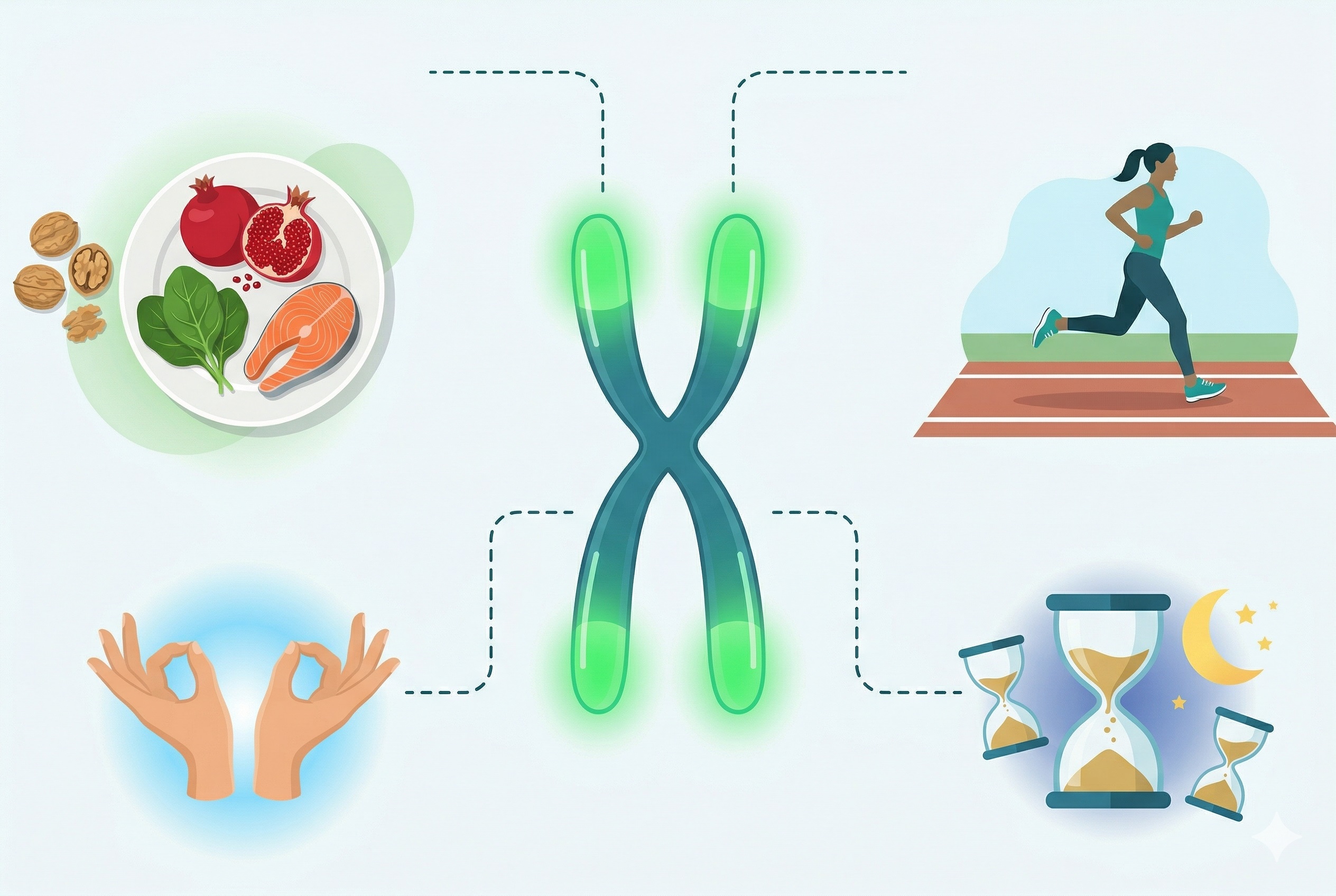
We can't change our genes. But we can influence how they are expressed.
What You Can Start Today:
• Add a daily walk of at least 30 minutes
• Reduce sugar intake
• Improve your sleep routine
• Make time for recovery and stress reduction.
Even these simple steps can contribute to slowing cellular aging. Health isn't an accident. It's the result of daily decisions.
Maya Annaeva