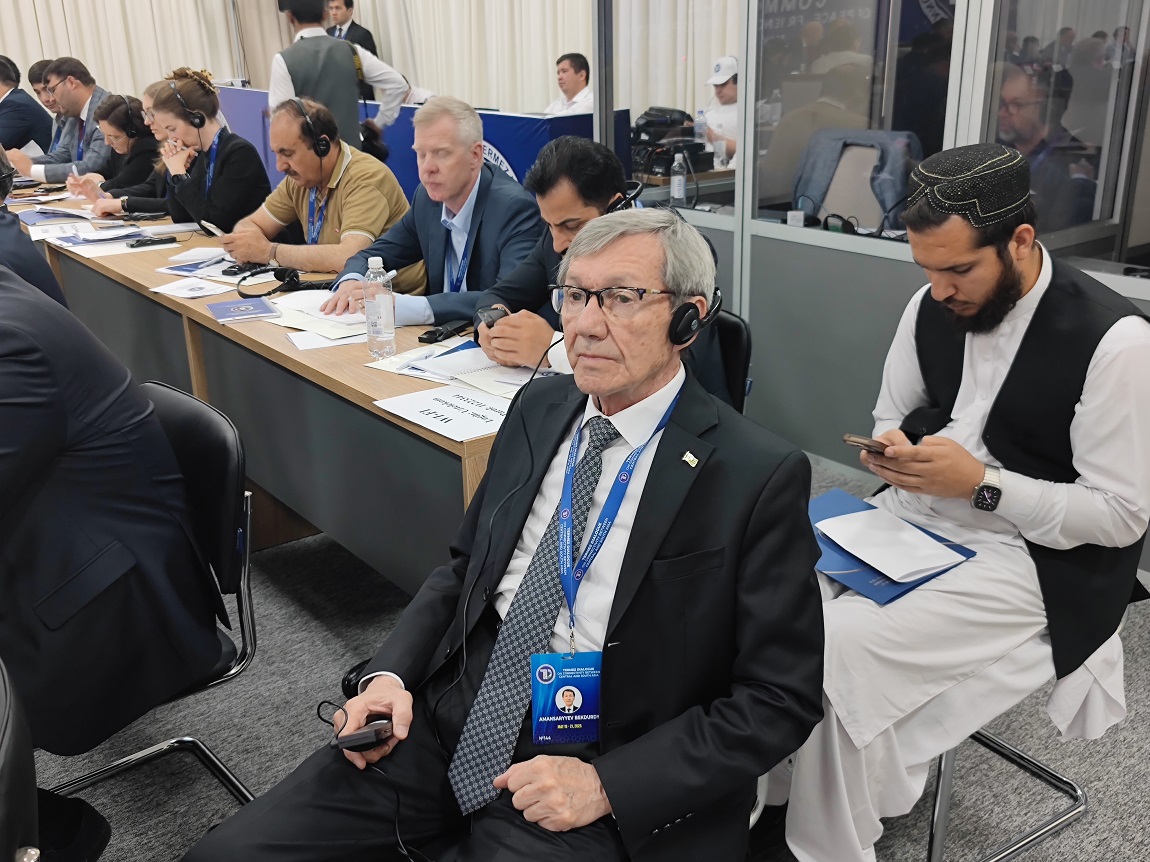



The latest issue of the scholarly journal "Foreign Policy and Diplomacy of Turkmenistan" was recently published, featuring an article by Bekdurdy Amansaryev, a senior research fellow at the Institute of International Relations of the Ministry of Foreign Affairs of Turkmenistan and a PhD in Philology.
The article analyzes the emerging new regional order in Eurasia through the prism of interaction between Central and South Asia, with Afghanistan playing a key role. Against the backdrop of global instability, the author shows how countries in these two macro-regions are seeking sustainable cooperation formats, turning geographic proximity into a strategic advantage.
The focus is on the "Termez Dialogue," a recently established international platform. The article demonstrates that this is not simply a negotiating platform, but an attempt to build a new architecture of interconnectedness: from transport corridors and energy projects to humanitarian initiatives and trust mechanisms. It is particularly valuable that Afghanistan is viewed not as a problem, but as a potential bridge between the regions.
At the current stage of international relations, Central Asia is gaining even greater importance in Eurasia. Turkmen President Serdar Berdimuhamedov emphasizes:
"Central Asia is one of the cradles of world civilization. Today, the challenge is to create, amidst conflict, an economic and cultural space and systems of comprehensive, multifaceted interaction for our community."
The region's economic development is also linked to interaction with neighboring macroregions, primarily South Asia. The peoples who maintain this spatial connection have historical roots and centuries-old friendly relations, and today's global challenges require them to support efforts to maintain peace and stability.
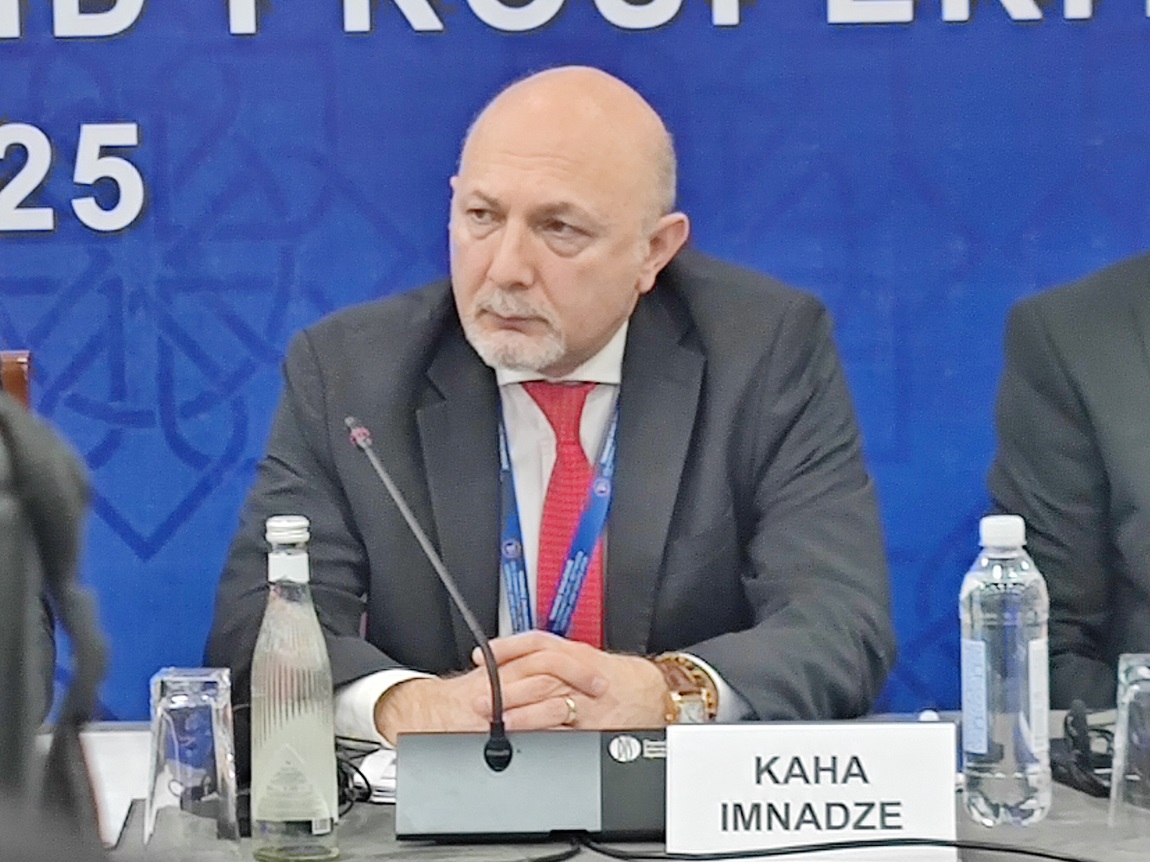
According to Kakha Imnadze, Special Representative of the UN Secretary-General and Head of the UN Regional Centre for Preventive Diplomacy for Central Asia, "in a context of global instability marked by regional conflicts, the effects of climate change, and financial market volatility, closer political coordination among Central Asian countries has a positive impact on the development of relations with other regions, including South Asia, especially Afghanistan."
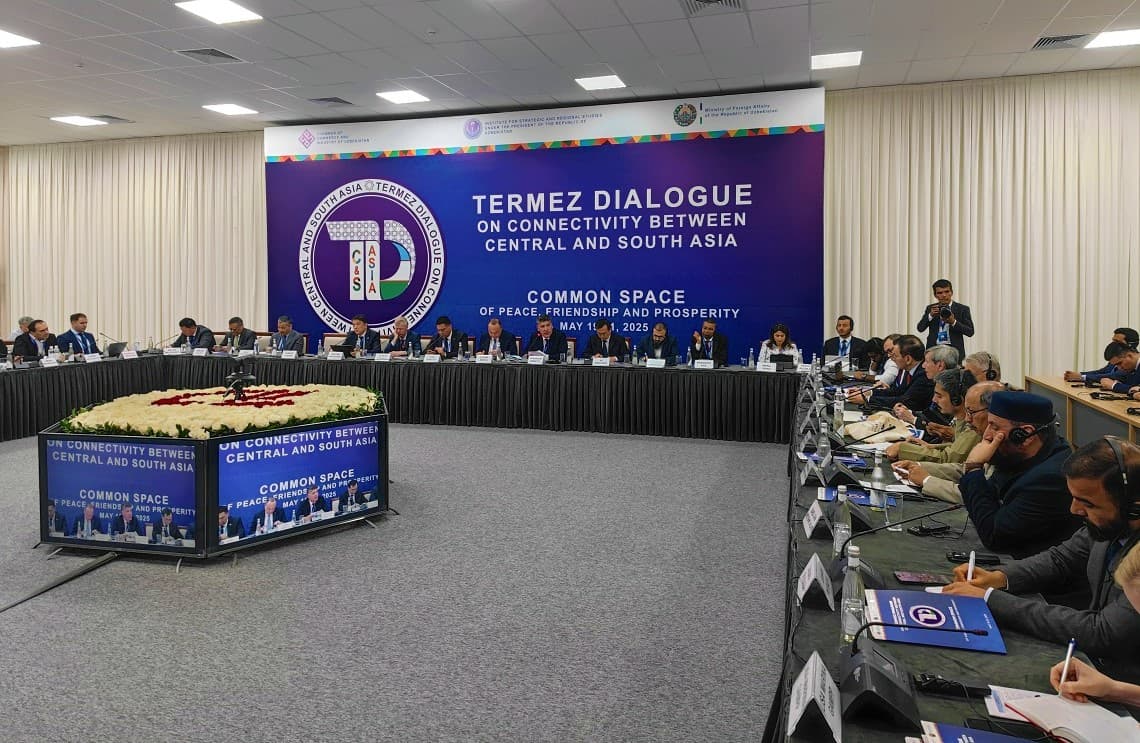
Thus, the geopolitical and geoeconomic dynamics of these two developing regions are closely linked to neighboring Afghanistan—both the challenges and positive opportunities it presents. In this regard, the recently established Termez Dialogue, the first meeting of which was held on May 19-21, 2025, takes on particular relevance.
This international platform, initiated to strengthen cooperation between the countries of Central Asia and South Asia, with an emphasis on integrating Afghanistan into regional processes, embodies the desire of the countries of the two regions to establish a sustainable system of interaction encompassing economic, security, and humanitarian cooperation.
Afghanistan as a Connecting Link
The creation of this format was a logical continuation of the search for a "new architecture of connectivity" between Central and South Asia. The impetus for this was provided by the 2022 UN General Assembly resolution "Strengthening Ties between Central and South Asia," which emphasized Afghanistan's special potential as a connecting link.
In this sense, the Termez Dialogue resonates with the SCO agenda: building trust, good-neighborliness, a fair economic environment, and jointly seeking solutions in the areas of security and sustainable development.
The goal of the new platform is to strengthen trust and institutional mechanisms for interaction with the mutually beneficial involvement of Afghanistan.
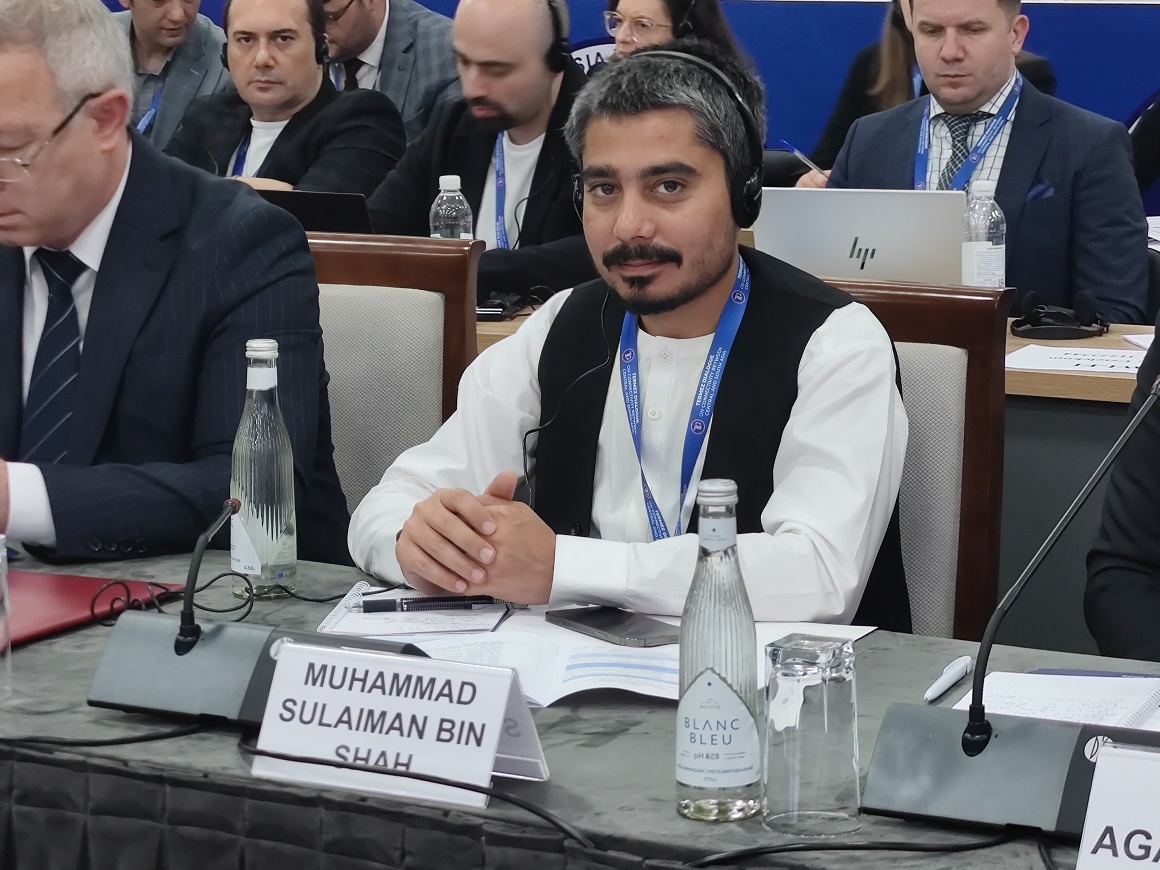
As Afghan analyst Muhammad Suleiman bin Shah rightly notes, "This country is a geographic center, and no regional connectivity project can be successfully implemented without its participation." Therefore, the dialogue focused on trade and economic ties, humanitarian cooperation, and regional security issues.
Already during the first meeting, which brought together approximately 200 participants from 20 countries and international organizations, key areas of work were identified: the development of trans-Afghan transport corridors and integration into supply chains; energy and the environment, including the TAPI and CASA-1000 projects, as well as renewable energy and water conservation; trade and investment through fairs, exhibitions, and direct business contacts; and the humanitarian dimension – education, culture, and programs for women and youth.
Particular emphasis was placed on Afghanistan. The country's inclusion in regional projects is seen not only as a path to its stabilization but also as a prerequisite for the integration of the two regions. The construction of gas pipelines, power lines, roads, and railways could transform a geographically fragmented space into a single market, thereby reducing risks.
In other words, the Termez Dialogue views Afghanistan not as a problem for positive solutions, but as a solution to a positive problems.
Prospects for Central and South Asia
Kristina Silvan, a postdoctoral fellow at the Finnish University of International Affairs, is confident that countries share a common regional aspiration for trust, security, and resilience, but most importantly, there's a growing understanding that this can only be achieved together!
Solving the major and important challenges of integration depends on building trust, which in itself becomes an important factor "as trust between leaders gradually spreads to other levels of society," according to Kristina Silvan.
For the countries of Central and South Asia, successful connectivity means diversifying trade, transport, and logistics routes—the main drivers of economic growth.
The Termez Dialogue offers the opportunity to expand access to ports in Pakistan and India, attract investment in infrastructure, develop coordinated positions on water and energy issues, and strengthen the voices of regional countries on the international stage.
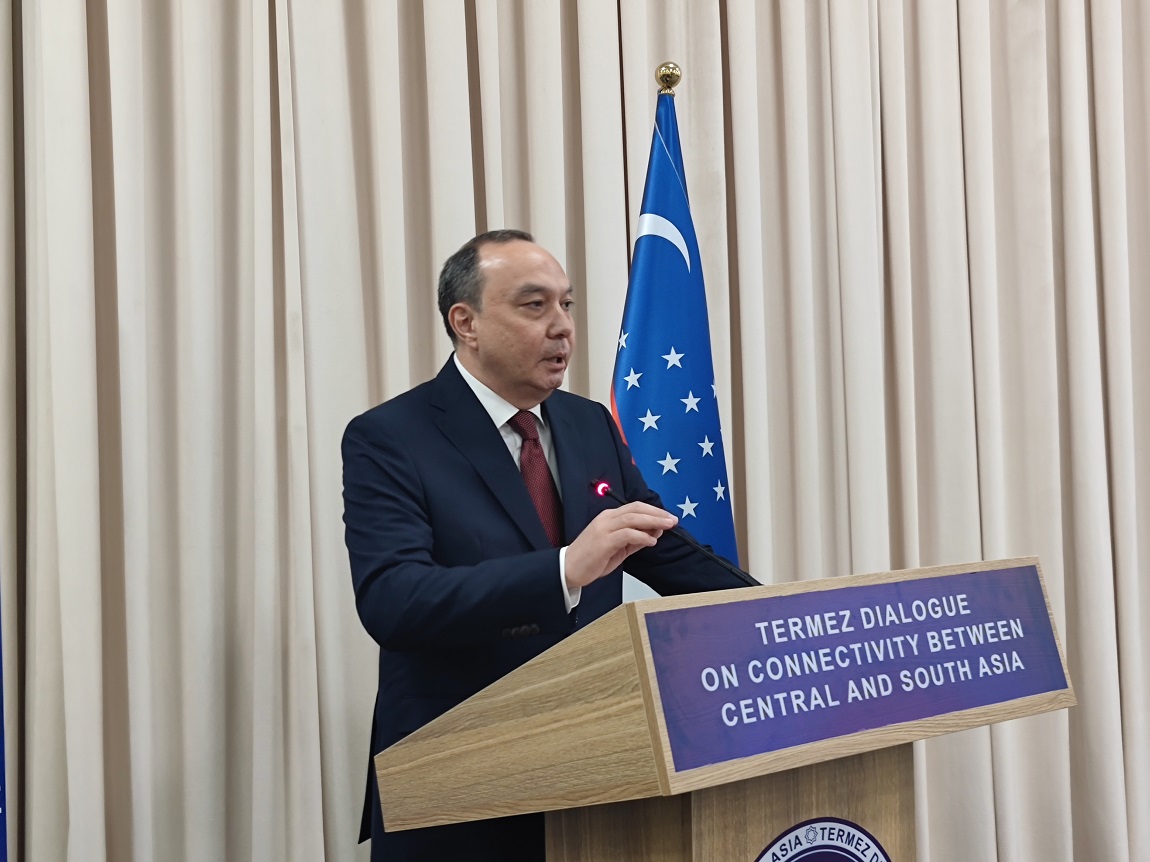
Eldor Aripov, Director of the Institute for Strategic and Interregional Studies under the President of Uzbekistan, rightly emphasized: "The Dialogue will offer a new paradigm for relations, free from conflict and confrontation, based on the principle of cooperation for the prosperity of regions."
Significance for Turkmenistan
Participation in this platform is of particular importance to Turkmenistan. The country's geographic location, abundant energy resources, and transport potential make it a natural transit hub between North and South, East and West.
The implementation of projects such as the TAPI gas pipeline, the Turkmenistan-Afghanistan-Pakistan railway, and power transmission lines opens new export routes and strengthens the country's role as an energy and transport bridge connecting Central and South Asia.
At the same time, Turkmenistan is promoting initiatives on sustainable development, digitalization, and green energy.
In this regard, Ashgabat proposed two resolutions at the UN General Assembly: one on the key role of energy connectivity and the other on declaring a UN Decade of Sustainable Transport (2026–2035).
International Dimension
For many years, Afghanistan existed on the world political map as a de jure state only, while de facto it consisted of disparate khanates, led by local elites or warlords. Large-scale transport, logistics, and energy megaprojects such as TAPI, the construction of power lines, highways, and railways, by covering Afghanistan with a vast network, are capable of linking these disparate territorial segments into a single, clearly organized political entity.
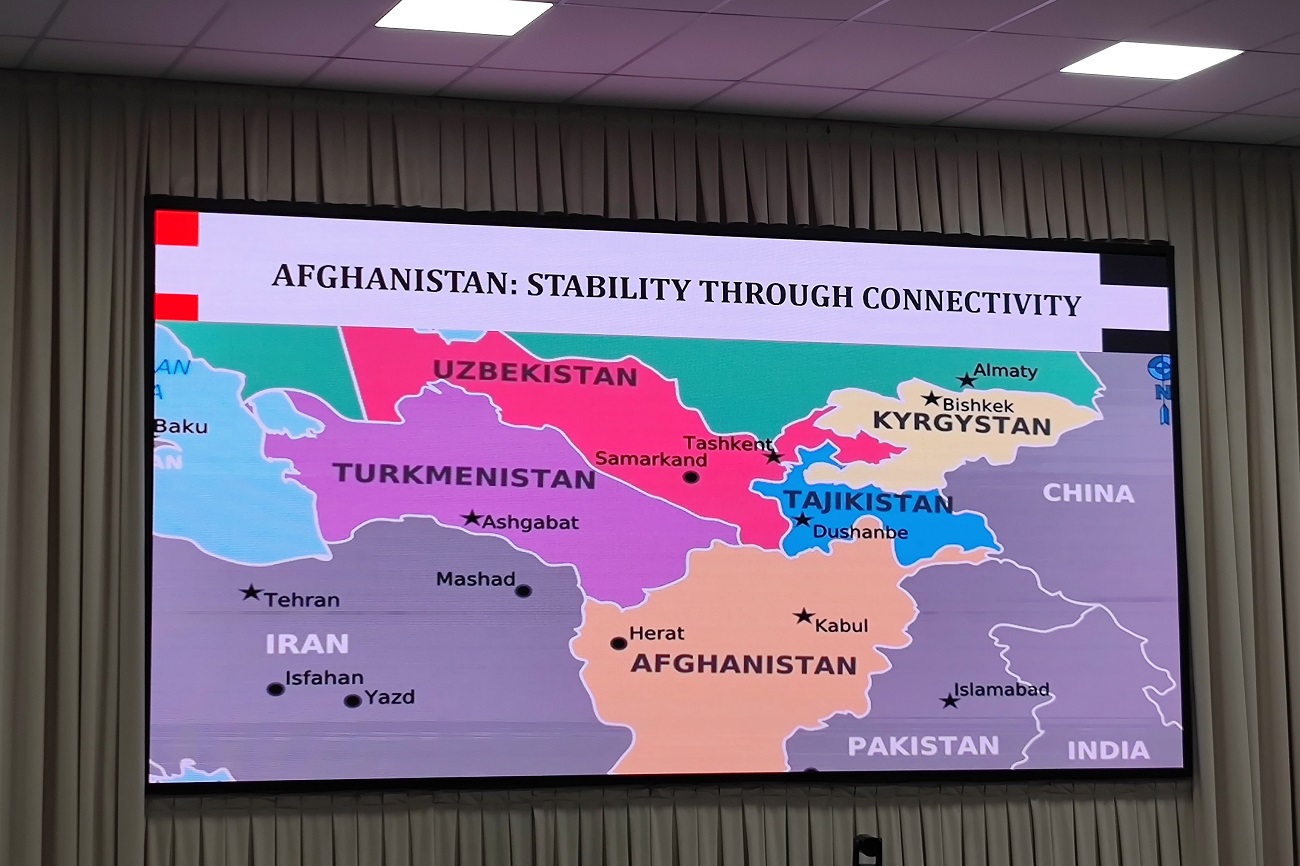
As Professor Shanti Mariet D'Souza notes, "Afghanistan's engagement in regional ties is a key factor in maintaining peace, security, and stability on the vast Eurasian continent."
The Termez Dialogue has generated keen interest among the European Union, China, Russia, the Persian Gulf countries, and international organizations, demonstrating the region's willingness to independently pursue development paths and propose sustainable solutions. It combines pragmatism—through concrete projects in transport, energy, and trade—with a strategic vision expressed through trust-building, engagement with Afghanistan, and the development of humanitarian initiatives.
Ultimately, this is not just a set of projects. It is the creation of a new Eurasian architectural landscape based on mutual benefit, sustainable development, and collective security.
The Termez Dialogue is the foundation for a future in which Central and South Asia cease to be peripheral and become the connecting link of the continent.
For Central Asia, this is an opportunity to transform its geographic location into a genuine competitive advantage, and for the international community, it is a signal of the region's maturity and increased role in global politics.