Techniques for Coping with "Uncontrollable" Stress - Why Do Experts Recommend Them?

Life is accelerating, workloads are mounting, and the opportunity to "take a breather" is becoming increasingly rare. Stress in itself isn't evil: it helps us mobilize and focus. In moderate forms, stress is necessary for everyone.
Chronic stress, a condition in which tension becomes a constant part of life, is dangerous.
In this article, we'll explore what happens to the body under stress and what simple steps can actually help reduce its effects.
Stress is a natural response of the body and mind to stress. It's important to distinguish between short-term stress and chronic tension. When exposed to stressors for long periods of time, the brain goes into "alarm mode." This is similar to running a marathon—even if you're physically sitting at a computer.
Stress activates the sympathetic nervous system, the part of the autonomic nervous system responsible for mobilization. The adrenal glands secrete adrenaline and cortisol.
Cortisol is a key stress hormone. In the short term, it helps: it increases blood glucose levels, enhances concentration, and suppresses non-essential processes (such as digestion).
However, with chronic stress, persistently elevated cortisol levels are associated with sleep disturbances, increased anxiety, a weakened immune system, and difficulty concentrating. Research has shown that prolonged activation of the stress response increases the risk of cardiovascular disease and depression. The problem isn't the stress itself, but its persistence.
It's important to distinguish between stress and emotional burnout.
Emotional burnout is a state of chronic professional exhaustion resulting from prolonged stress at work. It includes three key components:
- Emotional exhaustion.
- Depersonalization (a cynical, detached attitude toward people or work).
- A decreased sense of professional effectiveness.
Burnout isn't the same as fatigue after a tough week. It's a systemic condition that requires a reassessment of your workload and sometimes professional help.
What exactly drains us? Deadlines, conflicts, uncertainty, constant notifications, and information overload. However, it's not just the events themselves that are important, but also how you respond to them.
Short-term relief (alcohol, overeating, endless scrolling) doesn't reduce physiological stress; it merely distracts from it.
More effective methods, such as physical activity (walking, running, swimming), are a natural way to "discharge" the stress response.
Talking to a loved one reduces anxiety through social support.
Planning - restores a sense of control.

There are quick self-regulation techniques recommended by experts:
- "Square Breathing"
Inhale for 4 counts, hold for 4 counts, exhale for 4 counts, pause for 4 counts. Repeat 6-8 cycles. This helps reduce sympathetic nervous system activity.
- Progressive Muscle Relaxation
Consistently tense muscle groups for 5 seconds, then relax completely. This reduces physical tension.
- STOP Technique
Stop - stop.
Take a breath - take a few calm breaths.
Observe - notice thoughts, emotions, and sensations in the body.
Proceed - continue actions more mindfully.
- "The Five Senses"
Name 5 objects you see; 4 you can touch; 3 you hear; 2 you smell; 1 you taste. This method brings your attention back to the present moment.
Besides techniques, systematic lifestyle changes are important.
Info hygiene: limit your news consumption (for example, check it no more than N times a day), and remove your phone from the bedroom.
Reasonable workload: the three-task-a-day rule (one primary and two secondary).
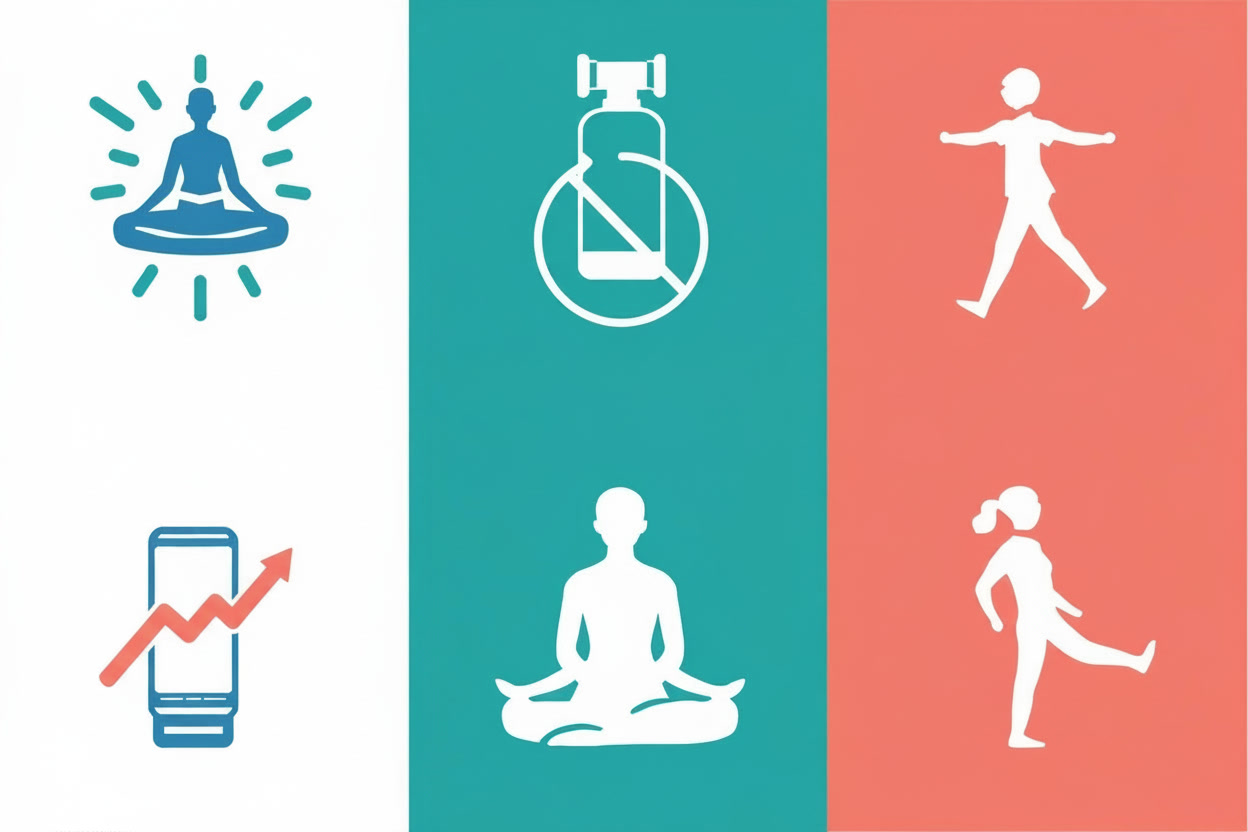
Mini-rest rituals: a short walk, a cup of tea without your phone, stretching.
Self-Care Plan for the Week:
• one activity for the body (sleep, walking, stretching);
• one for the mind (breathing exercises, journaling, STOP technique);
• one for the emotional sphere (communication, hobby, meeting).
Place this list in a prominent place.
Stress won't disappear completely from your life. The goal isn't to eliminate it, but to learn to respond differently and build resilience.
If you can't sleep for weeks, feel apathetic, or frequently experience severe anxiety or a lack of energy, it's important to seek professional help. In some cases, professional help is necessary.
Pick one exercise and try it today. Even a small step can be the beginning of change.
Meryem Annaeva


