USAID and UN partners enhance the capacity of Turkmenistan's civil aviation personnel

The UN Office on Drugs and Crime, in collaboration with the USAID Safe Migration in Central Asia Program and the UN Office of Counter-Terrorism, held a two-day training seminar on February 19-20 in Ashgabat on the topic “Building the capacity of aviation industry personnel in the field of preventing and combating illicit trafficking in psychoactive substances and risks associated with human trafficking, terrorism and extremism.” The main goal of the event was to strengthen the capacity of aviation industry employees and ensure their competence in identifying and suppressing these crimes.
The event presented the best international practices in the fight against illicit trafficking in psychoactive substances (PS) and human trafficking. Seminar participants received the necessary knowledge and tools for early detection and prevention of potential threats associated with these phenomena. UNOCT's Counter Terrorist Travel (CT Travel) program introduced participants to the use of Advance Passenger Information (API) and Passenger Name Records (PNR), and the role of Passenger Information Units (PIUs) in preventing security threats.
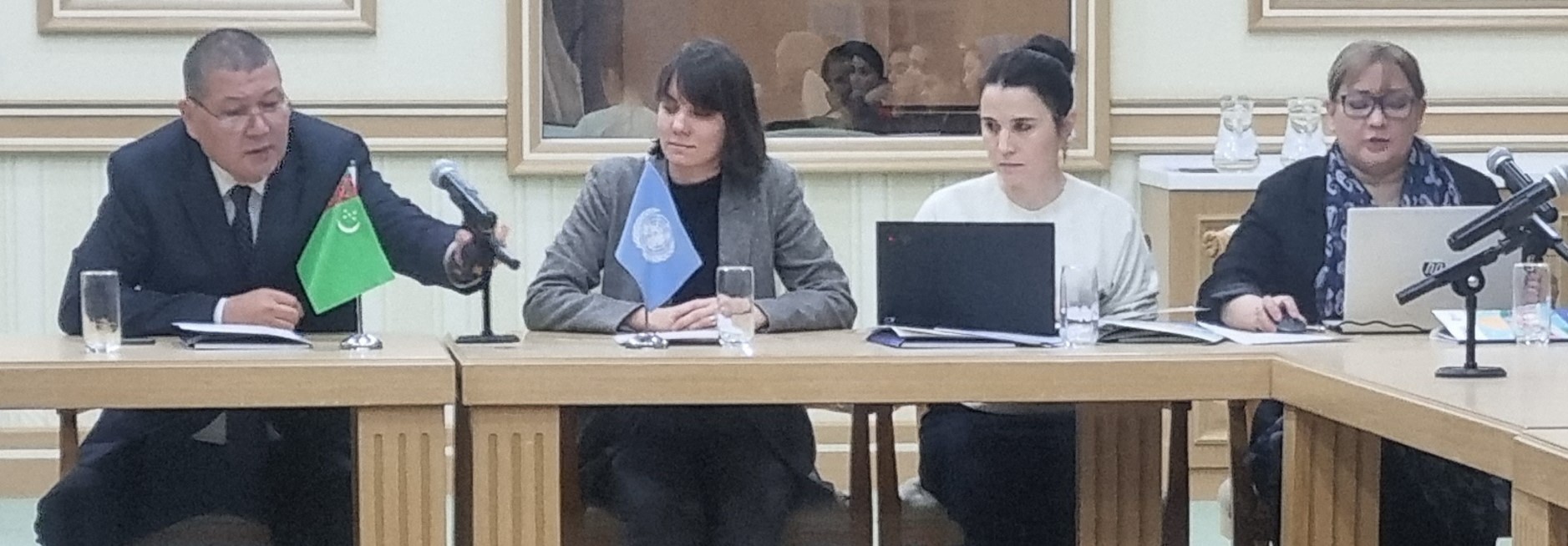
Particular attention was paid to the role of airline personnel, including aviation security, ground control and cabin crew, in combating these crimes. The seminar participants received practical knowledge on methods that will help them identify victims of human trafficking and various methods of illegal trafficking in psychoactive substances. They received recommendations and instructions on what personnel should do if suspicious situations are detected on board the aircraft.
Best practices and successful practices of other countries in suppressing the illicit trafficking of psychoactive substances and human trafficking in the aviation industry were also presented. The seminar participants discussed international standards and regulations related to the prevention and suppression of these crimes. As part of the seminar, participants were provided with the Guide on Anti-Trafficking in Persons, created by the International Civil Aviation Association with the participation of law enforcement specialists, the Aviation Safety Task Force and the Security Group, and translated into Russian and Turkmen “Safe Migration in Central Asia” Program of the US Agency for International Development.
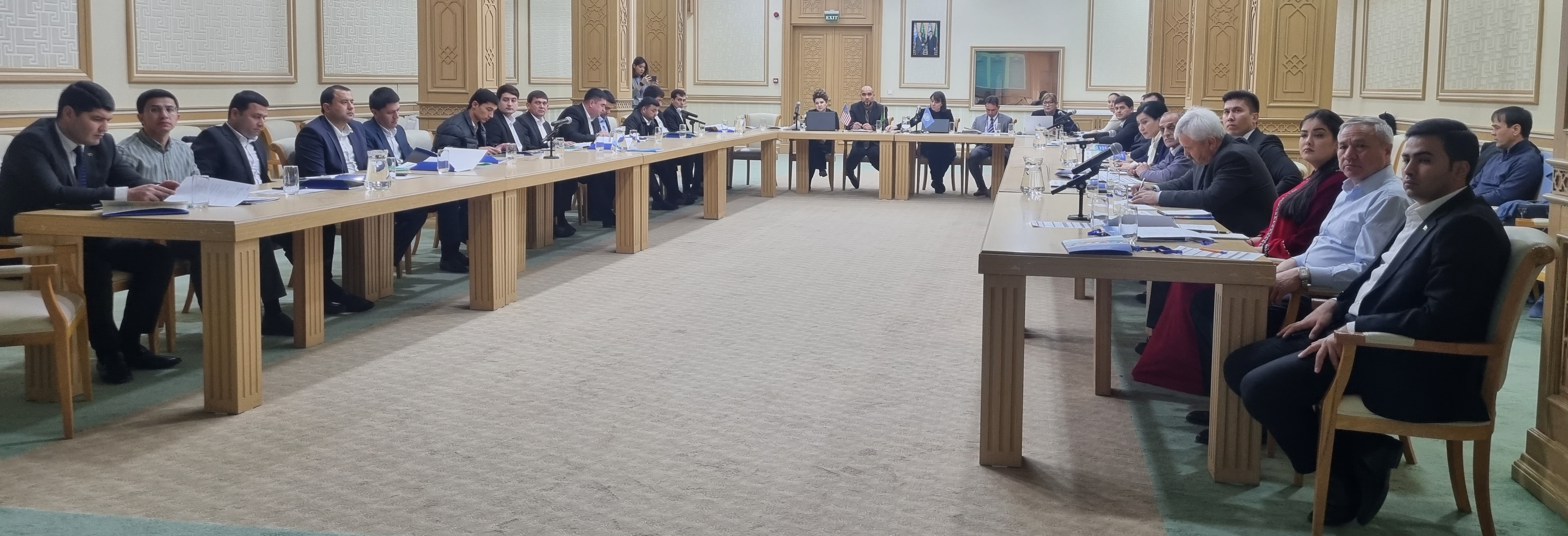
The manual provides airlines and all safety agencies with the information and tools needed to develop or improve their policies and procedures. The main goal is to raise awareness of the nature, scope and humanitarian impact of human trafficking, and to encourage airlines to train staff on how to recognize and report potential human trafficking situations. To provide this assistance, the International Civil Aviation Association is developing training materials that airlines can easily integrate into existing employee training programs.
As a result of the two-day training seminar, aviation industry employees received new knowledge and tools to effectively combat the illicit trafficking of psychoactive substances, human trafficking, terrorism and extremism, as well as the movement of terrorists, including through the use of advance passenger information and passenger registration records. This helps improve the safety and security of the aviation industry and ensures a safe and secure travel experience for passengers.
ORIENT news


