3 km per hour - how the heaviest loads in the history of mankind are transported

The builders of the Egyptian pyramids could probably envy the engineers of the 20th and 21st centuries. After all, modern transport workers brilliantly solve tasks that amaze the imagination: moving multi-ton hotels, rockets, drilling platforms and reactors...
These days in Latvia, a reactor weighing 1800 tons is being delivered from Klaipeda to Mazeikiai. The equipment is designed for the Orlen Lietuva oil refinery. The reactor was installed on a cargo platform 95 meters long and 10.5 meters high, lrytas.lv. reports. The total weight of the cargo together with the machine was 2200 tons.
The journey from the port to the plant began on the night of Saturday to Sunday, August 6th. The length of the route is 145 kilometers, but the car will arrive in Mazeikiai only on August 18. The fact is that the average speed of movement is only 3 kilometers per hour. There are six stops along the route.
Due to the height of the cargo platform, power lines will be partially dismantled along its route and the power supply will be cut off. It is planned to dismantle and then reconnect 178 lines with a total length of 145 kilometers. Residents of areas where there will be power outages will be warned in advance. In total, this will affect about 3 thousand people. The longest blackout period is expected to last 10 hours.
What else is known about the heaviest objects that people moved by land and sea? ORIENT has collected some interesting facts, setting in this case not statistics, but entertaining plots, and not claiming to cover the topic completely.
Anigito meteorite
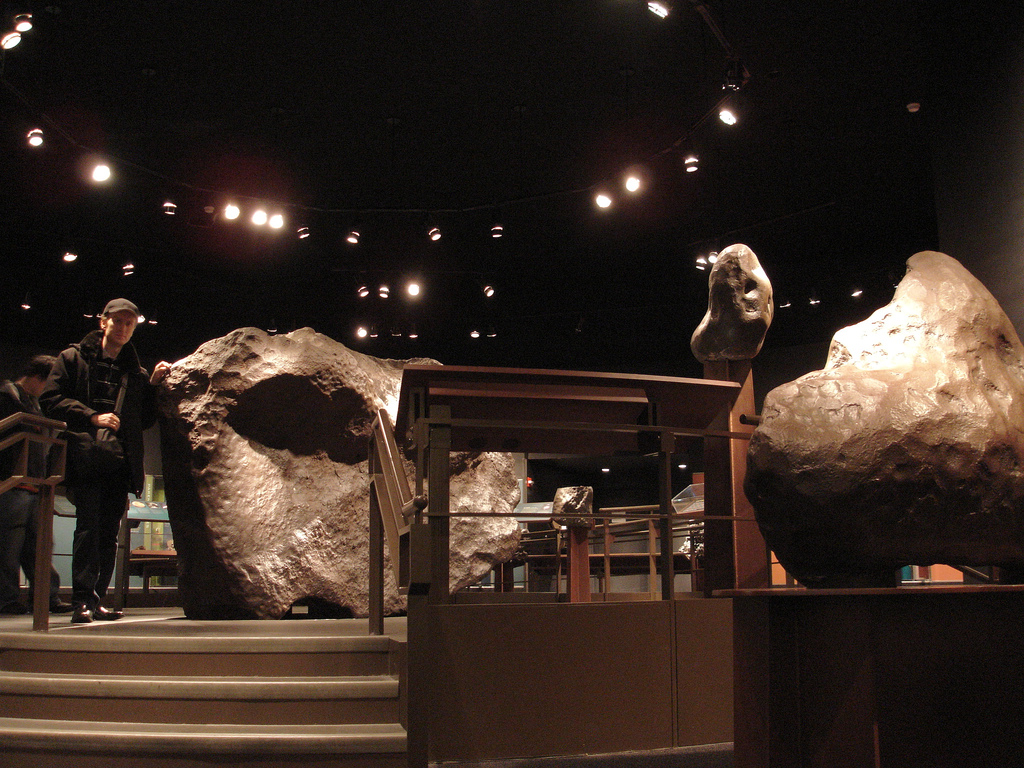
Also known as Cape York, this giant iron meteorite is over 4.5 billion years old. 10,000 years ago, this celestial body fell on the territory of Greenland, splitting into several parts. For a long time, the Eskimos made tools and arrowheads from meteorite iron, until it was discovered by Arctic explorer Robert Peary in 1894. To deliver the fragments of the space guest to New York, the first and only railroad had to be built in Greenland.
Levitating mass
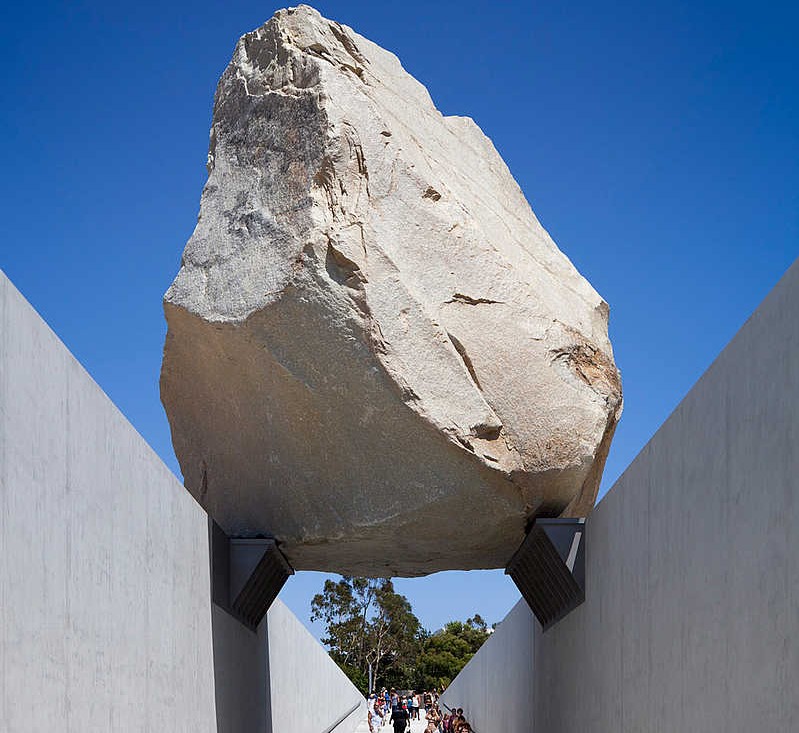
What can you do for the sake of art! The Los Angeles Museum of Art had to transport a gigantic 340-ton monolith from a quarry over 136.8 kilometers to satisfy the ambitions of sculptor Michael Heiser. The transportation of the giant took 11 days and cost more than $10 million. But now an art installation called "The Levitating Mass" hangs menacingly over the heads of visitors as they walk down the corridor, heading for the museum building.
Steam turbine
The heaviest load ever moved across Texas is a Toshiba steam turbine engine weighing 771.1 tons. To transport it in 2010 from the port of Houston to the power plant in Riesel, a giant vehicle with 520 wheels had to be built, stretching the length of a football field.
Rocket "Saturn-5"
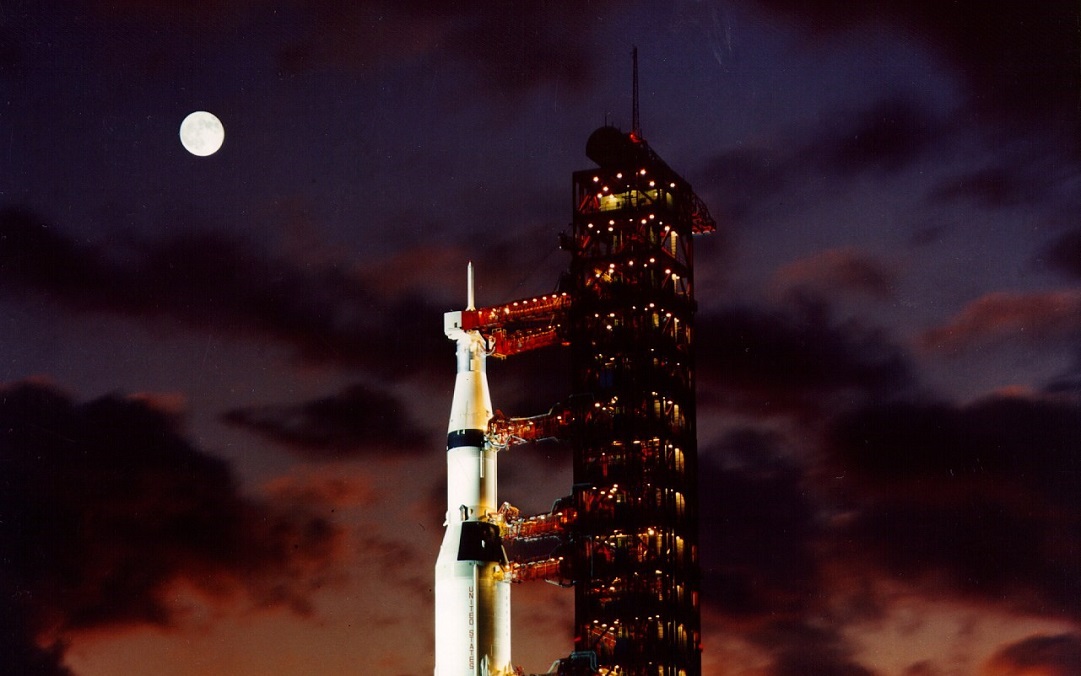
The height of the Saturn V rocket that NASA used in the late 1960s and early 1970s was 110.6 meters, making it 18.3 meters taller than the Statue of Liberty in New York. The rocket loaded with fuel weighed 3,100 tons, about the size of 400 elephants.
To move this giant, the American Space Agency developed a special forty-meter tracked transporter weighing 2570 tons, which was slowly dragged along special paths littered with sand to reduce friction. The transporter was designed to carry cargo weighing three Saturns, but it was never subjected to such tests.
Montgomery Hotel
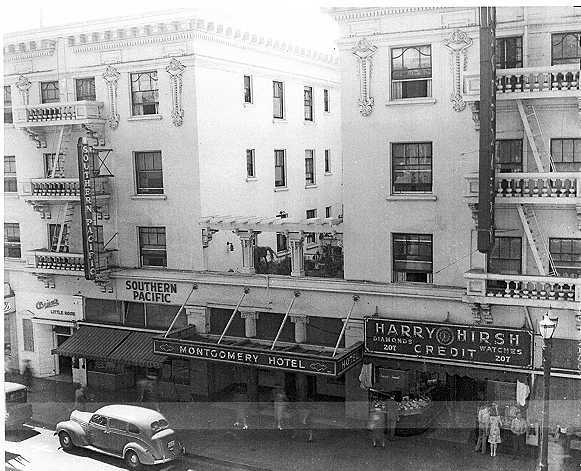
The five-story Montgomery, built in 1911, was one of the most luxurious hotels in the American city of San Jose. It was the first hotel in the area to use reinforced concrete. For several decades, it has become so dilapidated that the owners decided to demolish it and build a new luxurious hotel on this site.
However, the city authorities could not allow the destruction of one of the cultural and historical sights of the city, so in 1989 the Montgomery was not destroyed, but moved to 56.6 meters. The distance is not great, however, when it comes to a 4800-ton building, which must be transported intact, considerable funds and engineering skill are required. The building was separated from the base and raised so that several special remote-controlled vehicles could drive under it. The hotel relocation operation cost $8.5 million.
Desalination plant
In January 2012, an ambitious project was completed to transport a seawater desalination plant from a South Korean plant to Saudi Arabia. The weight of the giant was 4891 tons, height - 12 meters, and width - 34. The transportation was carried out using a self-propelled modular vehicle developed by a German company. The $1.5 billion project has provided drinking water to millions of people in the Middle East.
Titanic
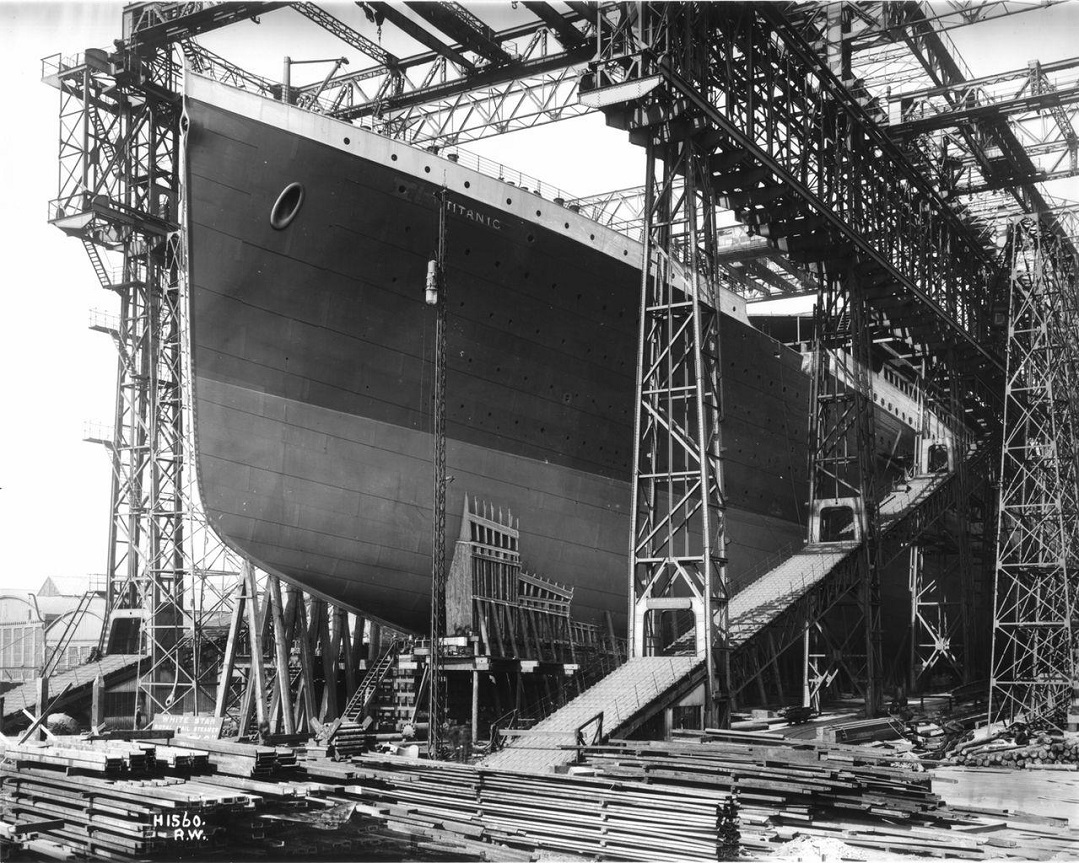
In the list of the most massive objects transported by people, the famous floating hotel takes pride of place, which fate turned out to be tragic: during the first voyage in 1912, the Titanic sank after colliding with an iceberg.
Currently, liners such as the Oasis of the Seas ply the oceans, much larger than the ill-fated giant. Modern ships do not have to be moved by land: the docks in which they are built are filled with water, and the liners put out to sea on their own.
Built at the Bristol shipyard, the Titanic, weighing 26,000 tons, was at one time the most massive object that had ever moved on land. It took at least 22 tons of soap and grease to create an 2.5 cm layer of grease on the slipway along which the ship was dragged to the water.
Drilling platform
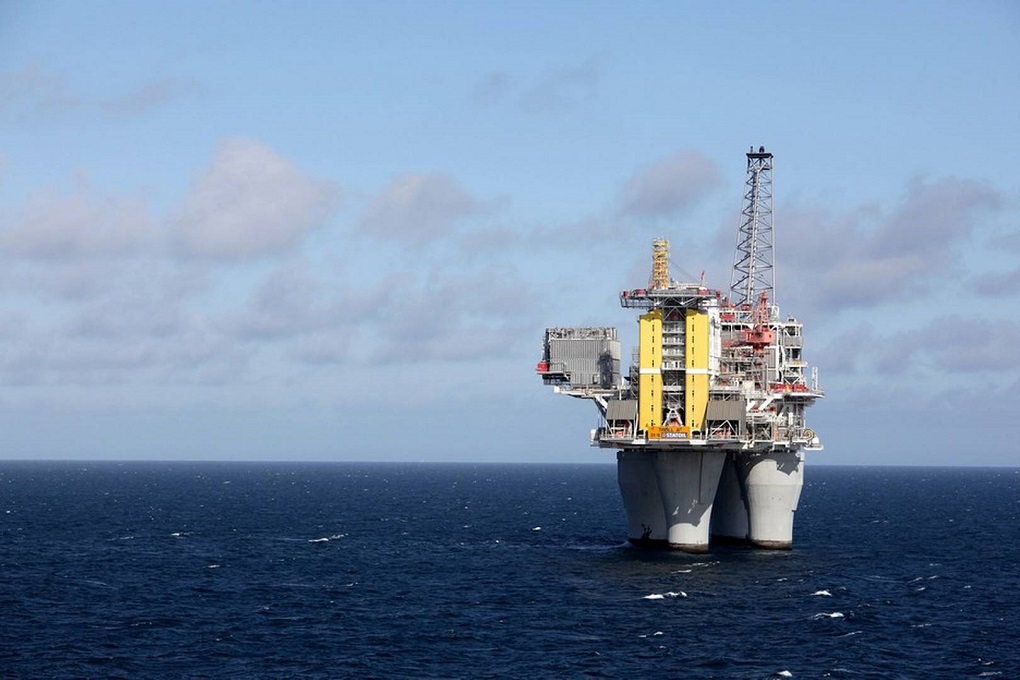
It is quite natural that the first place in this (far from complete) list is occupied by a structure transported by water, and not by land. We are talking about a marvel of engineering, the colossal Troll A natural gas drilling platform - a giant weighing 1.2 million tons and a height of almost 472 meters.
Troll A had to be transported 280 km from the western coast of Norway. The task was solved with the help of 10 tugs: eight front ones pulled the platform behind them, and two more corrected the course from behind. The armada was only strong enough to move through the water at a speed of about 2 km / h, so the journey lasted seven days and six hours before the drilling platform reached its destination.
ORIENT news


