Urbanization: how the emergence of cities changed humanity forever

Urbanization is the process of increasing the number of cities and expanding existing ones. The world's urban population today is more than 3.1 billion people, which is more than 47% of the world's population. In the coming years, this mark will increase by several percentage points, making urbanites the most numerous category of the population for the first time in the history of mankind.
The first cities appeared in the era when human consciousness began to generate concepts such as a clear political hierarchy, the state and the system. The growth of production, the concentration of military and productive power were the consequence rather than the root cause of the emergence of the first cities.
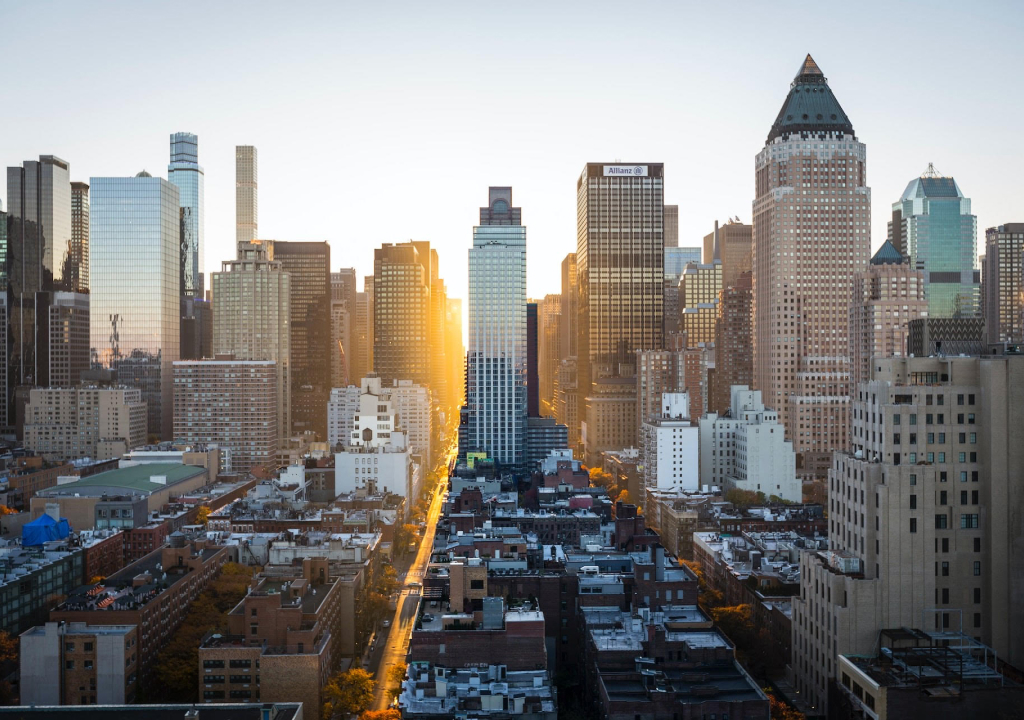
The realization of the need to formulate society in such a way as to effectively manage and produce led to the need to organize a more perfect form of life. A condensed system of settlement of society began to replace the scattered and extensive residence. But this change did not mean a change in the roles of the city and the village. The city acquired the function of concentrating political and military power, which is why the majority of the population of the first cities were representatives of the royal court, nobles and soldiers guarding them.
In addition, the rural form of settlement was the most effective form of life arrangement from a strategic point of view: covering large areas, farmers and peasants developed new lands and settlements, thus gaining a foothold on them in order to further transfer authority over the territories to their feudal lords. This continued until the first waves of industrial revolutions came.
It was mass production that pushed for closer physical coordination between industrialists and consumers. Only the expansion of industrial capacities and the buildup of military force were able to reverse the process of "rural domination". The population pouring into the cities faced poverty and unsettled life. It was the first crisis of urbanization that marked the art of the "dirty city" in all its aspects.
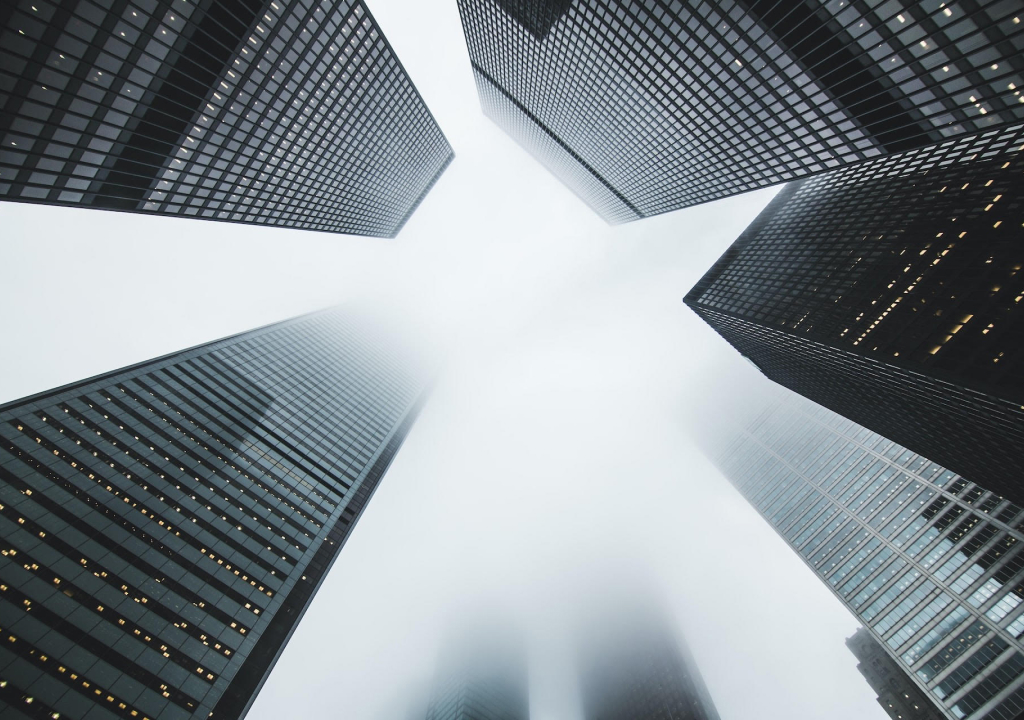
The callous and reckless morals of the urban population, which consisted, as a rule, of former peasants who dreamed of a better life in the city and faced the harsh reality of the "stone jungle", painted negative features to the city.
These features are most clearly visible in the Middle Ages and the Renaissance, when art and painting began to develop rapidly along with cities. The denunciation and contempt for urban culture in some form has been preserved to this day, since all the "urban romance" is reduced only to the color of the general dense living, where they actively work and study - no one remains indifferent.
Urban culture, urbanism, has become such a popular phenomenon that the constant movement of the population inside the city has become a favorite topic for artists. This movement is the essence of the urban atmosphere, creating the impression of activity.
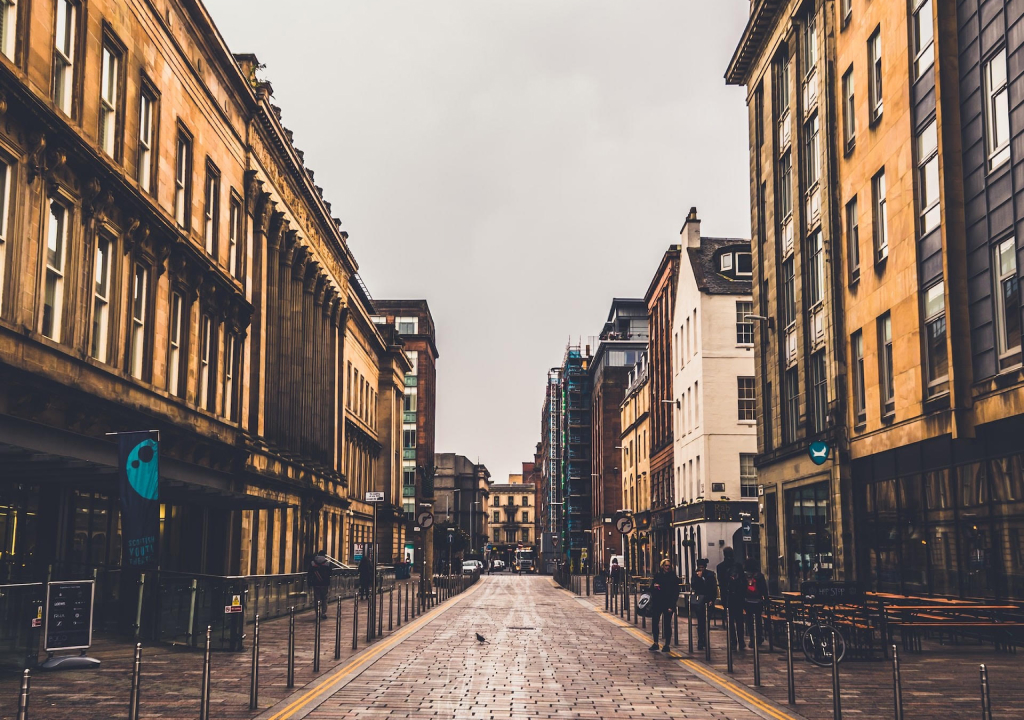
In Turkmenistan, the urban population already accounts for slightly more than half of the country's population, which lives in more than 50 cities, the largest of which is the million-strong city of Ashgabat. Other major cities are Turkmenabat, Turkmenbashi, Mary. Urbanization and its accompanying large-scale construction creates conditions for the creation of large industrial chains and forms the production base for the functioning of entire industrial areas.
At the same time, the role of the non-productive, intellectual sphere is increasing, creating prerequisites for the creation of a new, combined form of population settlement. And if earlier cities developed at the expense of mass consumption and production, now the main reason is the demand for rallying the mental forces of society to solve urgent problems.
Arslan MAMEDOV
Photo: unsplash.com


