Turkmen railway lines hold talks with Afghan colleagues and machine builders from Russia
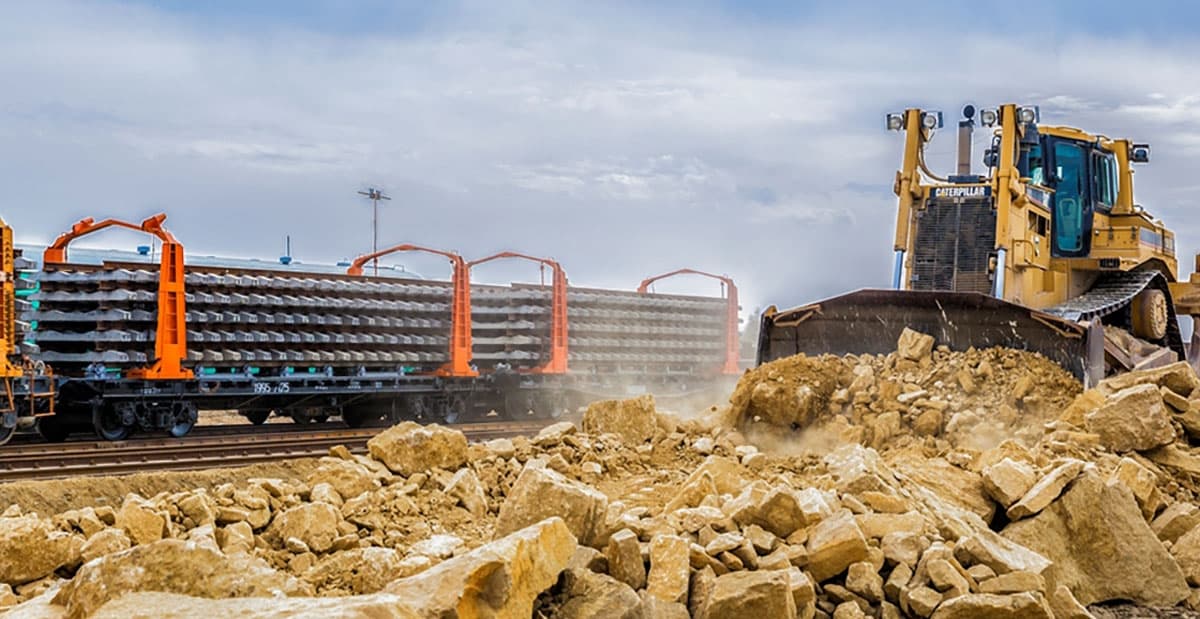
The laying of the railways of Akina-Andkhoy and Turghundi-Herat in Afghanistan has become the main topic of the video conference with the participation of the Turkmen railway department and the profile structure of the IRA's Ministry of Transport. The start of the construction of the Akina-Andkhoy line was given in the summer of 2019 in the province of Faryab, simultaneously with the opening of a 10-kilometer branch at the local station. The steel route Akina-Andkhoy is part of the Turkmenistan-Afghanistan-Tajikistan transport corridor. At the first stage of this project, an 85-kilometer Kerky-Imamnazar line was laid on the territory of Turkmenistan, then to the Afghan Akina. The initiator of the construction of the Tajikistan-Afghanistan-Turkmenistan railway is Ashgabat. A memorandum on the implementation of this project was signed in March 2013 in the Turkmen capital by the presidents of the three states. The total length of the railway will be more than 400 kilometers. According to experts, it will become an important segment of the international transport communications network connecting Europe and Asia. Turkmenistan also built a railway line on its own from the Serhetabat (Kushka) station to the Afghan dry port of Turghundi. Turkmenistan’s assistance to neighboring Afghanistan in the development of railway infrastructure will allow this country to be connected to the transport corridor from China to the Persian Gulf. From the dry port of Akina in the northern province of Faryab and the city of Turghundi in Herat, the Lapis Lazuli corridor begins, which runs through the Turkmen border Serhetabat and further to the International Sea Port of Turkmenbashi. Then it passes through the Caspian Sea and continues through Azerbaijan and Georgia to Turkey, at the entrance to Europe. In the same online format, the leaders of the railway complex of Turkmenistan today discussed with the leadership of the Russian JSC Transmashholding the supply of locomotives and spare parts for them, issues of service and training for this business.