Folk entertainment: what the ancestors of the Turkmens played
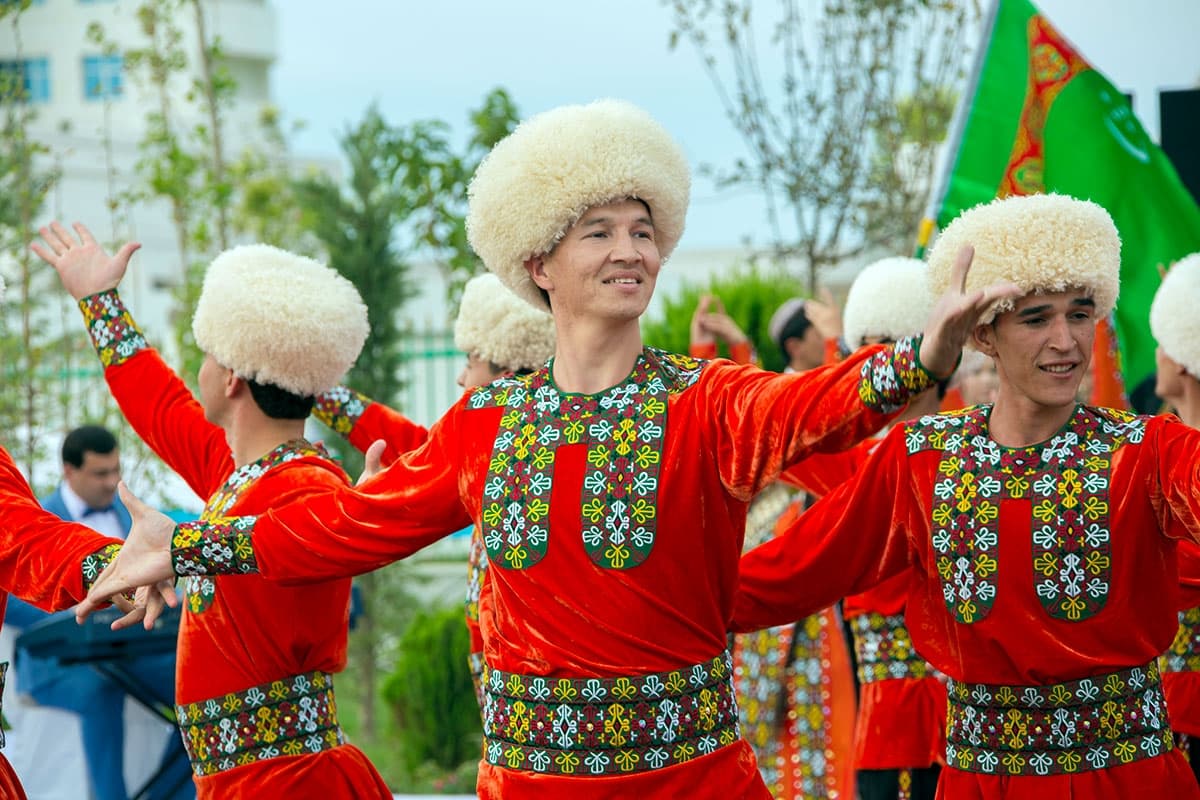
Many scholars and historians worked to collect and study Turkmen folk games. Turkmenistan consists of five regions, where there are hundreds of different games, which names and rules may differ from each other. However, there is an important unifying factor: almost all Turkmen folk games are collective, cultivating love for the native land, respect for elders, mutual assistance and many other character qualities in the younger generation.
These include sports, intellectual, fun, musical, cognitive and role-playing games. Games developed wit, and skills acquired through entertainment could be useful in life. In addition, games of military themes are known from ancient Turkmen entertainments.
 The Turkmen are warrior by nature, and archery games were very popular among teenagers. The Scythians, the ancestors of the Turkmens, had special places for young men to practice archery and javelin throwing. As the epos about Oghuz Khan describes, he gained great fame in a wide variety of knowledge and skills, including archery.
In the same spirit, the epos narrates of Gorogly’s marksmanship, how he hits from a bow into a ring or shoots an apple off an opponent’s head from a long distance. Therefore, the forgotten game “Altyn Gabak” (“Golden Pumpkin”) was popular among Turkmen horsemen. They had to at full speed hit a pumpkin suspended on a tree or mounted on a pole.
Saber fencing, trick riding and javelin throwing were all the games aimed at making Turkmen boys and girls, and the latter were versed in military weapons and horseback riding no worse than men, acquire the skills necessary for warriors who defend their native land. In the conditions of medieval wars, such games developed courage and dexterity in young people.
The Turkmen are warrior by nature, and archery games were very popular among teenagers. The Scythians, the ancestors of the Turkmens, had special places for young men to practice archery and javelin throwing. As the epos about Oghuz Khan describes, he gained great fame in a wide variety of knowledge and skills, including archery.
In the same spirit, the epos narrates of Gorogly’s marksmanship, how he hits from a bow into a ring or shoots an apple off an opponent’s head from a long distance. Therefore, the forgotten game “Altyn Gabak” (“Golden Pumpkin”) was popular among Turkmen horsemen. They had to at full speed hit a pumpkin suspended on a tree or mounted on a pole.
Saber fencing, trick riding and javelin throwing were all the games aimed at making Turkmen boys and girls, and the latter were versed in military weapons and horseback riding no worse than men, acquire the skills necessary for warriors who defend their native land. In the conditions of medieval wars, such games developed courage and dexterity in young people.
 Playing with babies was also popular. For example, the game “chapak-chapak” (“clapping hands”) with 6-7 months old babies, developed coordination of movements, reaction and attention in children. The adult took the baby by the wrists and carefully spread his arms to the sides, and joining the baby’s hands with a little cotton, said: “Chapak-chapak, ellery, agyrmasyn gollary” (“clap, clap the hands, and let the hands not get tired”). Some parents still remember this game and sometimes so entertain their kids.
Especially ’favorite pastime of the teenagers is “Ay Terek - Gun Terek”, which literally translates as “moon poplar - sun poplar”. Players must be at least 30 in number. Divided equally into two teams, the participants tightly hold the hands of each other. The beginning team speaks the words in poetic form in choir, asking the question of whom the opponents choose. The chosen player runs towards the chain of players, trying to separate their hands with a jerk. If the player succeeds, he or she takes someone to their team, and if not, the player remains with the competitors. The team with the most players left wins.
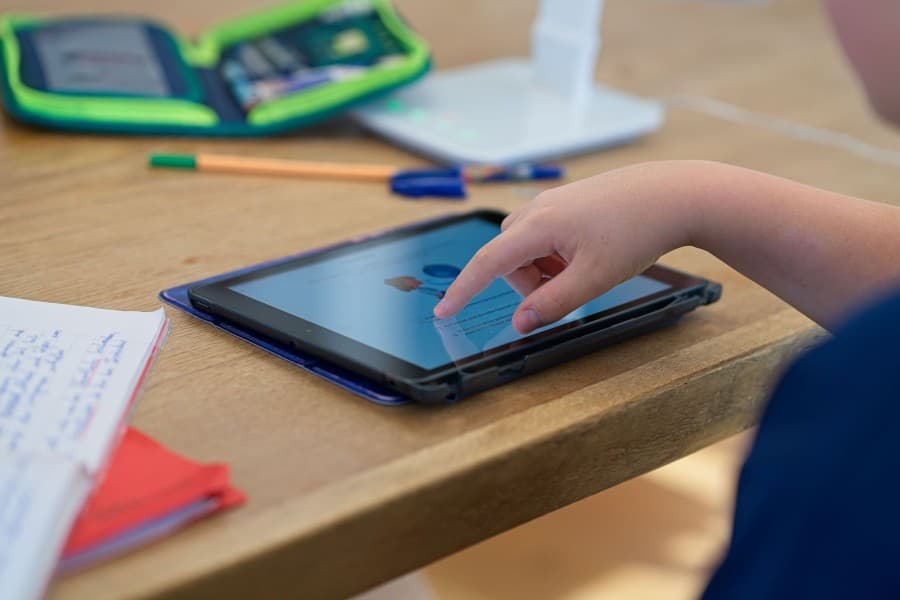
A whole book will not be enough to cover all the diversity of traditional folk games. The game repertoire of today’s youth is limited to the screen of a smartphone or computer. But there are so many interesting games that we inherited from our ancestors, so why not play them sometimes?
Playing with babies was also popular. For example, the game “chapak-chapak” (“clapping hands”) with 6-7 months old babies, developed coordination of movements, reaction and attention in children. The adult took the baby by the wrists and carefully spread his arms to the sides, and joining the baby’s hands with a little cotton, said: “Chapak-chapak, ellery, agyrmasyn gollary” (“clap, clap the hands, and let the hands not get tired”). Some parents still remember this game and sometimes so entertain their kids.
Especially ’favorite pastime of the teenagers is “Ay Terek - Gun Terek”, which literally translates as “moon poplar - sun poplar”. Players must be at least 30 in number. Divided equally into two teams, the participants tightly hold the hands of each other. The beginning team speaks the words in poetic form in choir, asking the question of whom the opponents choose. The chosen player runs towards the chain of players, trying to separate their hands with a jerk. If the player succeeds, he or she takes someone to their team, and if not, the player remains with the competitors. The team with the most players left wins.
A whole book will not be enough to cover all the diversity of traditional folk games. The game repertoire of today’s youth is limited to the screen of a smartphone or computer. But there are so many interesting games that we inherited from our ancestors, so why not play them sometimes?
Selbi CHARIYEVA