Experts and diplomats praised the results of the BRICS Summit
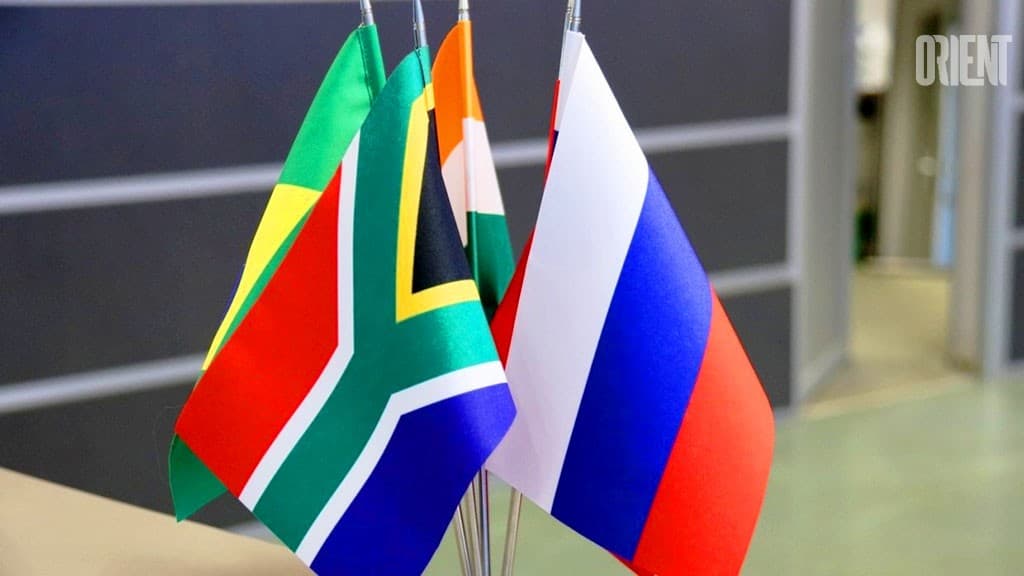
The summit of the leaders of the BRICS countries - Russia, China, India, South Africa and Brazil, which was held in Brasilia on November 13-14, provoked lively discussions among experts around the world. This was reported by the journal "International Life". Russian Foreign Minister Sergey Lavrov devoted his article to this event: “... [Russia] proposes to follow the path of a mutually respectful dialogue aimed at reaching consensus that involves taking into account the interests of all participants in interstate communication. We are convinced: any agreements on the most important issues on the world agenda should be worked out with the widest and equal participation of all interested parties and be based on universally recognized legal norms. The BRICS participants are firmly committed to democratizing international life, building it on the principles of the UN Charter, respect for the cultural and civilizational diversity of the world, and the right of its peoples to determine their own destiny.” The importance of the event was emphasized by the director of the Institute of the Far East of the Russian Academy of Sciences, professor of MGIMO (University) of the Ministry of Foreign Affairs of the Russian Federation Sergey Luzyanin. In his opinion, the BRICS project arose and developed as an addition to updating global development institutions, global governance institutions and reflecting the interests of new developing countries. “It is important that the BRICS, consisting of five states, actually reflects the economic and socio-political interests of this five states on all continents. It is fundamentally important that the current BRICS summit in Brazil from the point of view of the agenda is a qualitatively new stage. I would formulate it as a transition from large global issues to specific cases, to specific economic projects,” said the expert. According to the adviser of the Expert Council on the preparation and maintenance of the Russian Chairmanship of the BRICS, Victoria Panova, over the years of its existence, the BRICS has become a systemic inalienable factor in international relations, which allows participating countries to influence the development of decisions and their adoption both in other international organizations and among themselves, contribute to the formation of a more equitable sustainable world order.