We are guided by what unites people




News
Articles
Media
Announcement
 Chinese New Year
Technology
About Us
Contacts
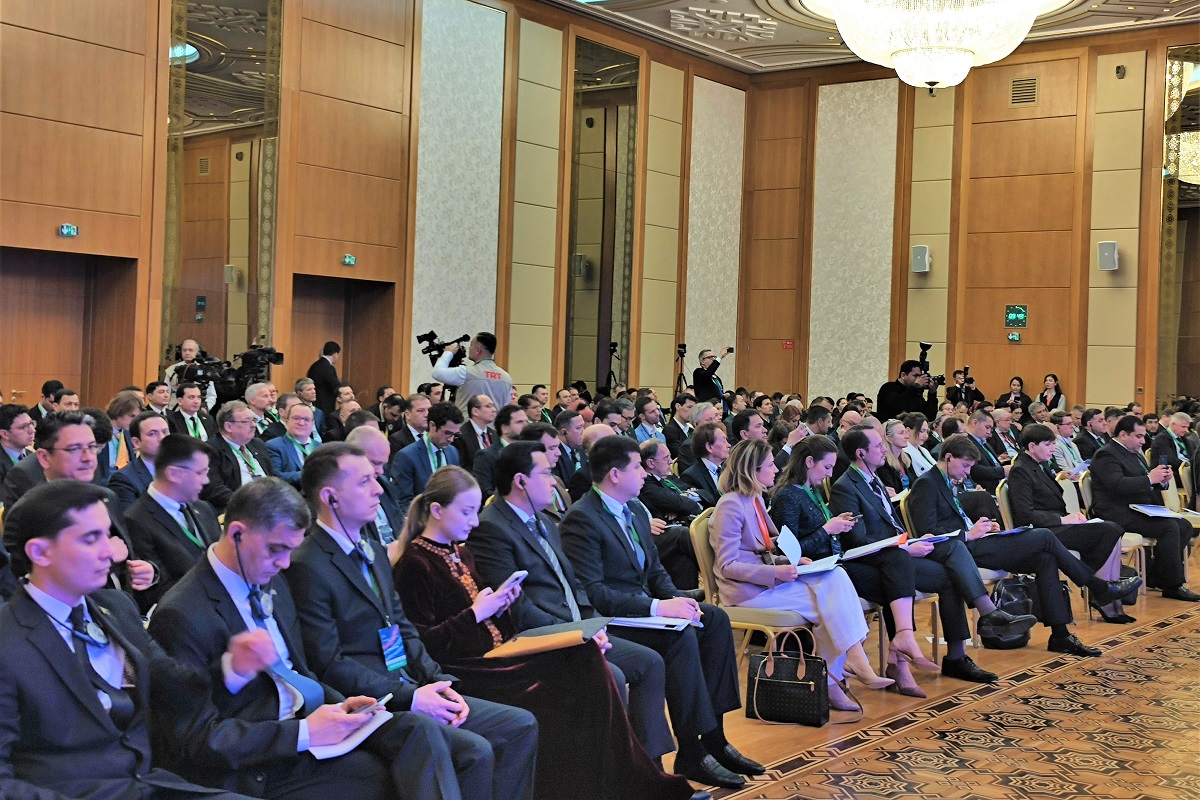
Chinese New Year ORIENT | March 26. At the Turkmenistan-EU business forum, the professional discussion shifted to specific legal and trade mechanisms. Ylham Yarashov, Head of the WTO Cooperation Department at the Ministry of Finance and Economy, presented a detailed report on the country's current integration into the global trading system and the benefits it offers to ordinary entrepreneurs.
From Theory to Practice: Review of 39 Laws
For Turkmenistan, the path to WTO membership primarily involves a large-scale "inventory" of national legislation. As a Ministry of Finance representative reported, with the support of the EU and the International Trade Center (ITC), an in-depth analysis of 39 legal acts is currently underway to determine their compliance with international standards.
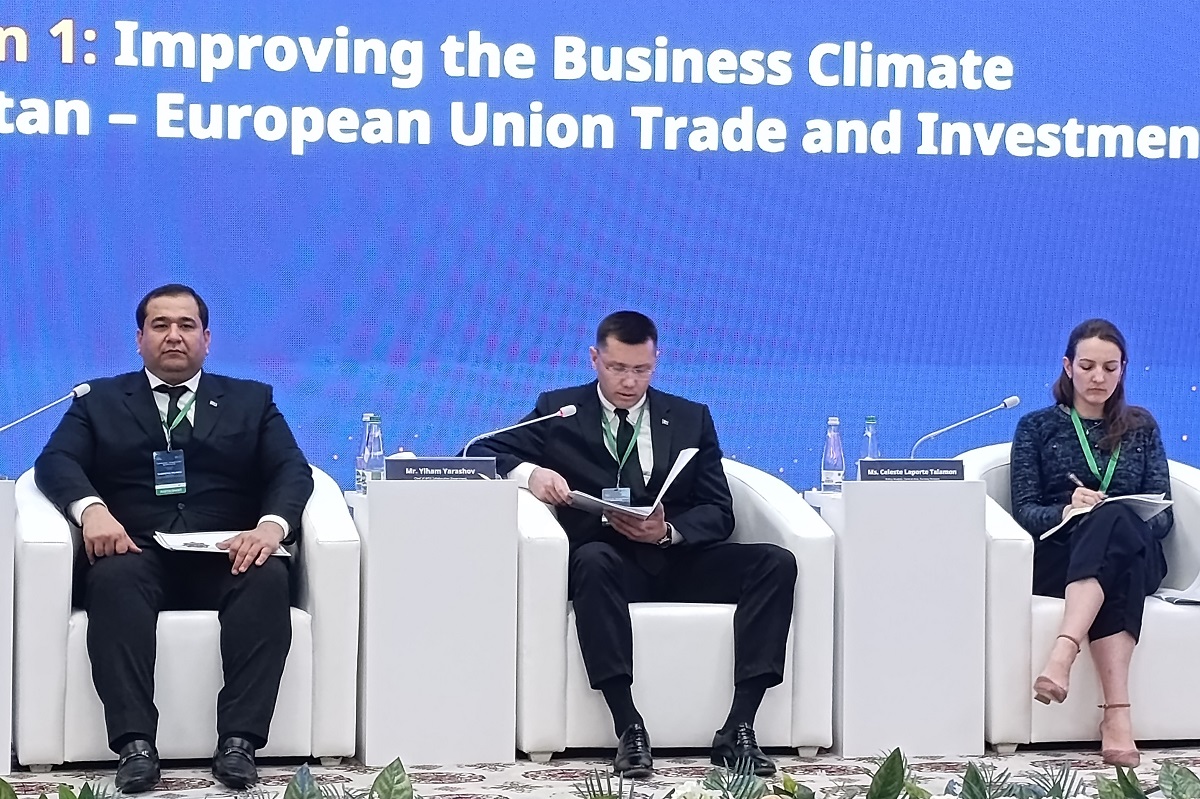
Halfway through this process has already been completed: 20 acts have been reviewed, and new draft laws on standardization and technical regulation are already in the internal review stage. This means that Turkmen goods will soon be produced and certified according to the same rules as in Europe or Asia, automatically removing barriers to exports.
Aligning national legislation with WTO standards includes so-called "technical regulation." This means that Turkmen tomatoes, textiles, and fertilizers will have the same "quality certificates" as their EU counterparts. This reduces customs clearance time and lowers logistics costs by 15–20%.
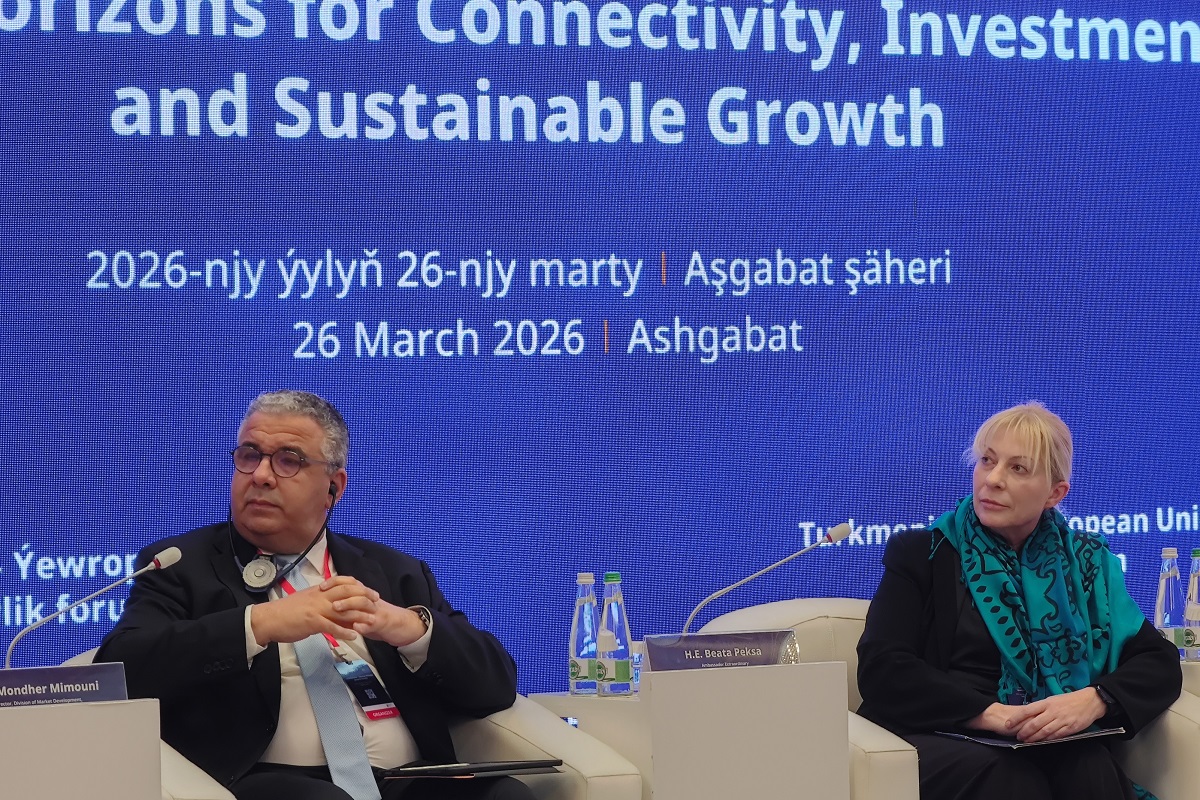
"What Does WTO Accession Mean for Me?"
The speech placed a special emphasis on transparency. A practical guide for businesses has been published in three languages, explaining the benefits of WTO membership. Government officials are undergoing specialized training, transforming themselves from "gatekeepers" into skilled participants in international trade. A second part of the business guide is being prepared, focusing on the practical experiences of developing economies.
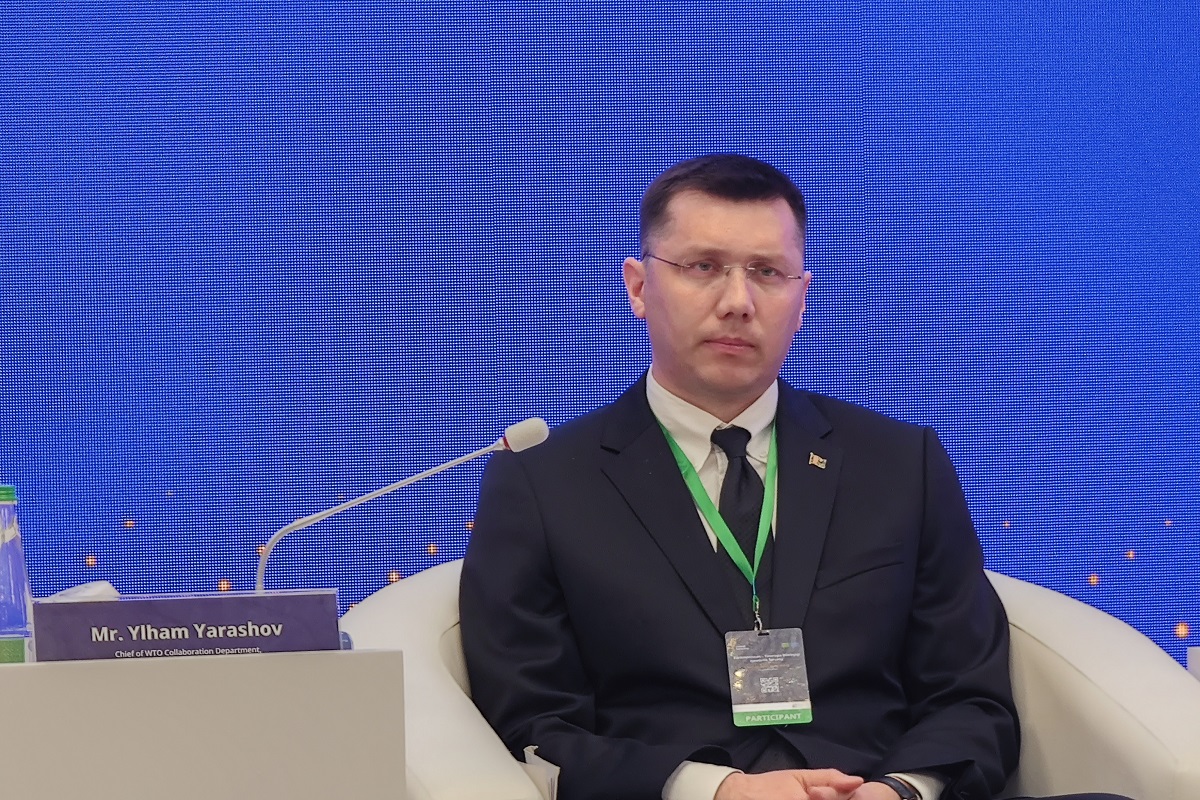
Concluding his speech, Ylham Yarashov voiced a thesis that became the unofficial motto of the first session of the forum, dedicated to the business climate for developing trade and investment between the EU and Turkmenistan: "The question is not whether Turkmenistan can afford to join the WTO, but whether its private sector can afford to remain outside the multilateral trading system."
This approach captures the essence of the process: globalization is not a threat, but a tool for protecting the interests of domestic producers. Joining the WTO means entering a major league, where the rules of the game protect against discrimination in foreign markets and make business understandable to major investors.