We are guided by what unites people




News
Articles
Media
Announcement
 Chinese New Year
Technology
About Us
Contacts
Chinese New Year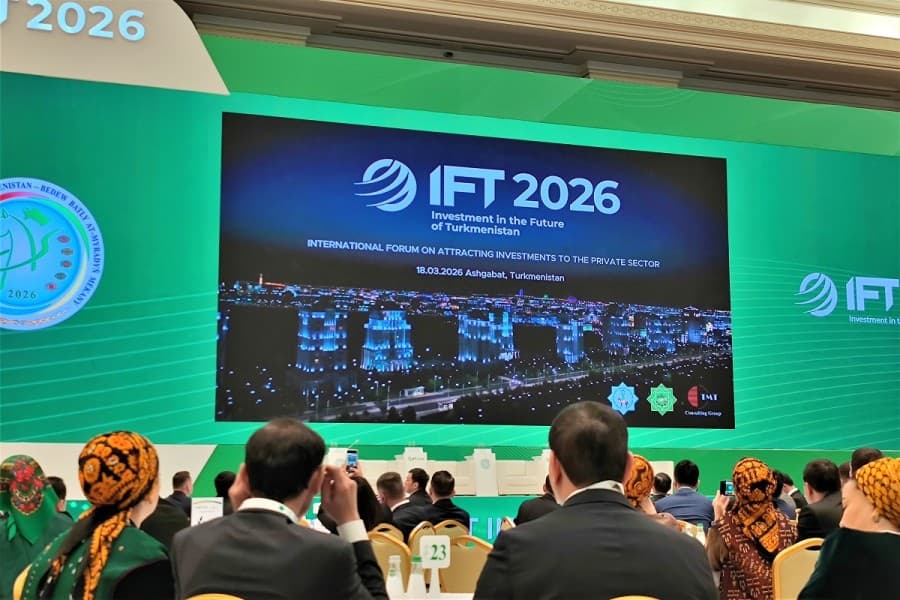
The International Forum "Investing in the Future of Turkmenistan," held in Ashgabat on Wednesday, marked the beginning of a new economic reality: a transition from a strategy of simple raw material exports to a model of high-quality industrial transformation.
The significance of the event was underscored by the speakers in the plenary session, ranging from members of the Turkmen government to international experts from China and Japan. The forum's main message was extremely pragmatic: the country offers not just resources, but a ready, transparent, and highly profitable platform for long-term partnership.
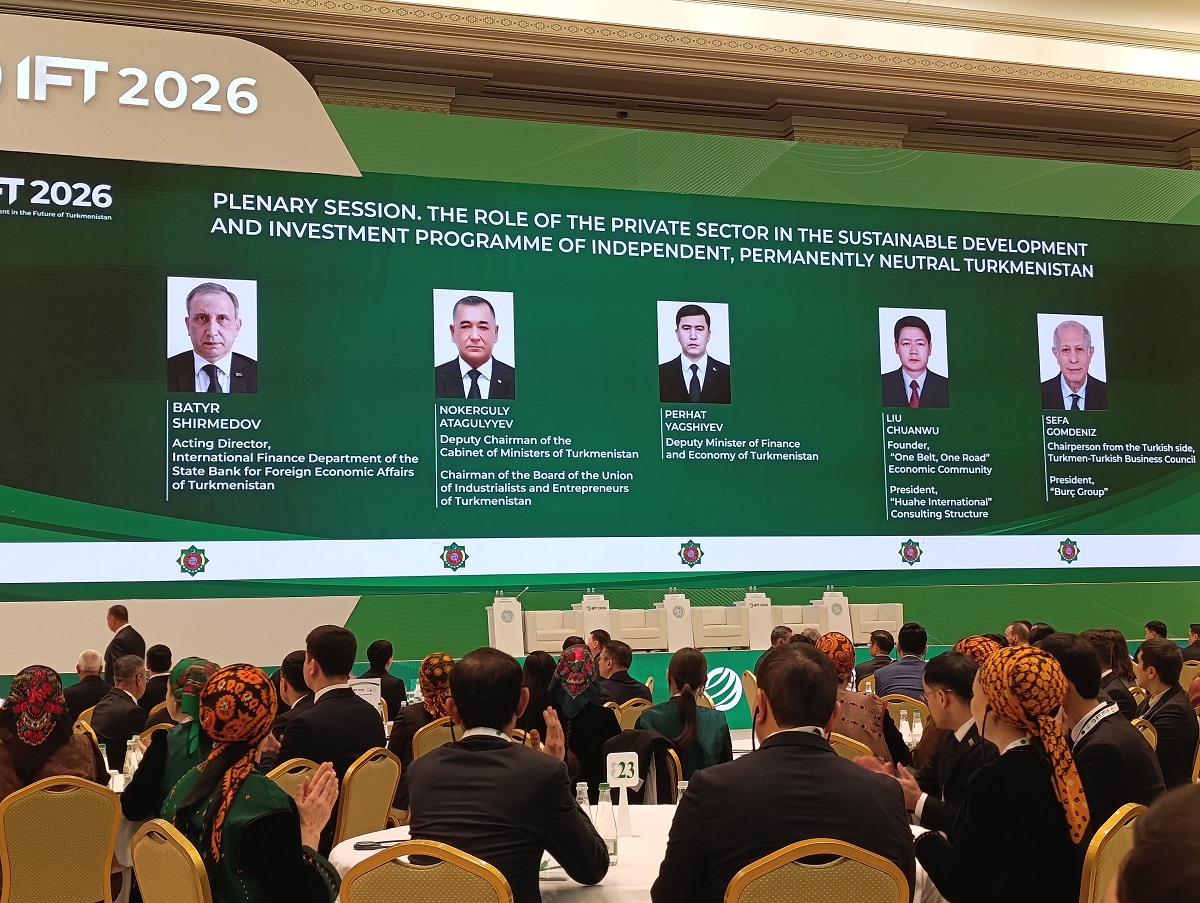
Deputy Prime Minister Nokerguly Atagulyev outlined the foundation of this stability at the plenary session, highlighting four "golden conditions" for the Turkmen market. These are socio-political stability, a strong raw material base, predictable domestic energy prices, and constantly improving legislation.
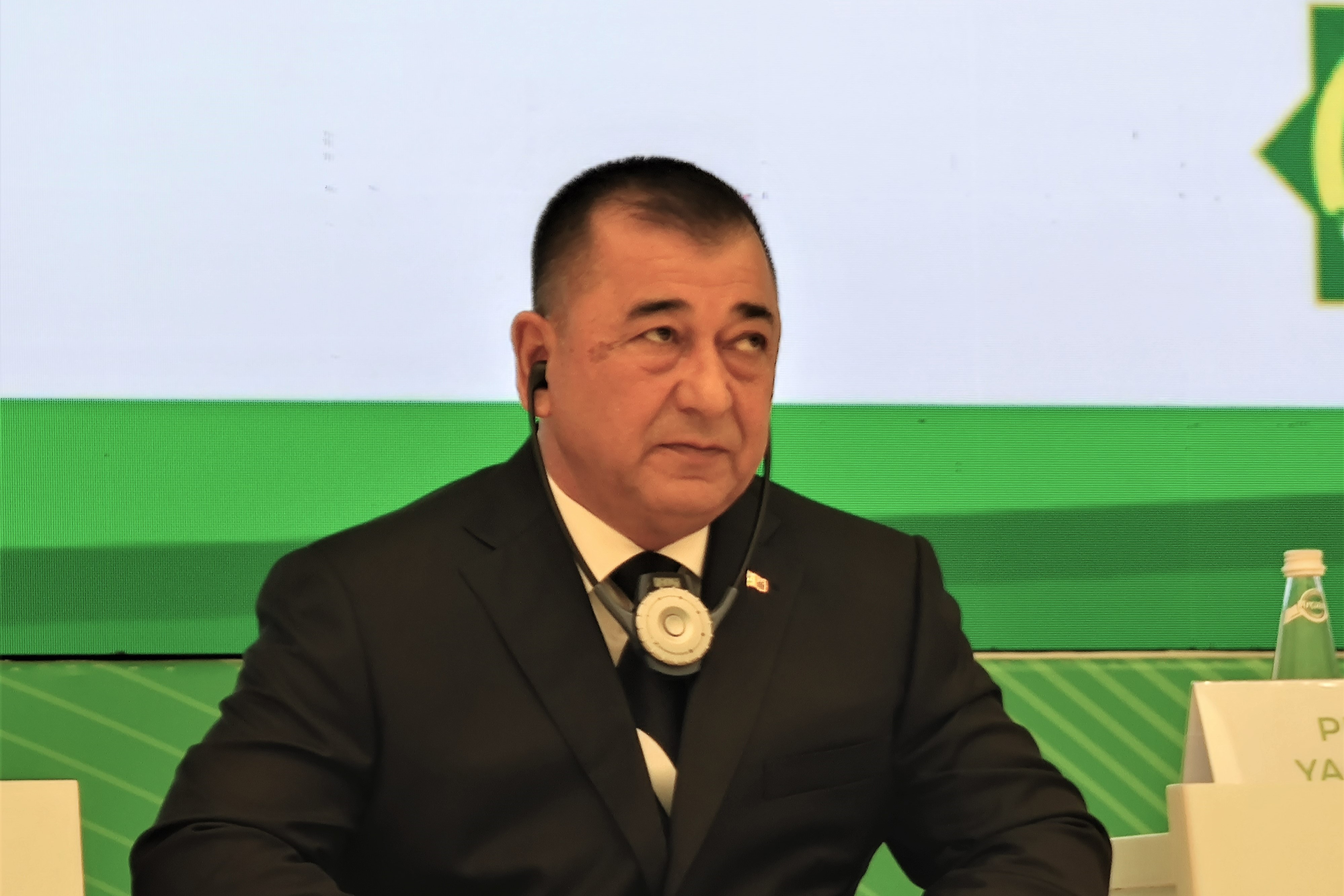
This framework allows the country to not simply declare openness but offer investors genuine protection of their interests. At the center of this architecture is the Union of Industrialists and Entrepreneurs (UIET), which over 18 years has evolved from a coalition of like-minded individuals into a powerful force, providing jobs for over 422,000 people.
The scale of the private sector's presence in the country is now reflected in a figure: by 2026, the share of private sector in GDP is expected to grow to 72.9%. This isn't just statistics; it's hundreds of new factories, textile complexes, and high-tech enterprises producing everything from computers and payment terminals to complex polymer products.
This year alone, 41 billion manat is planned to be injected into the national economy from all sources of funding. Remarkably, approximately 70% of this investment (28.2 billion manat) will be used to create production capacity. Of these, 32% (13.2 billion manat) are intended for the private sector, which confirms the status of business as the main driver of industrialization.
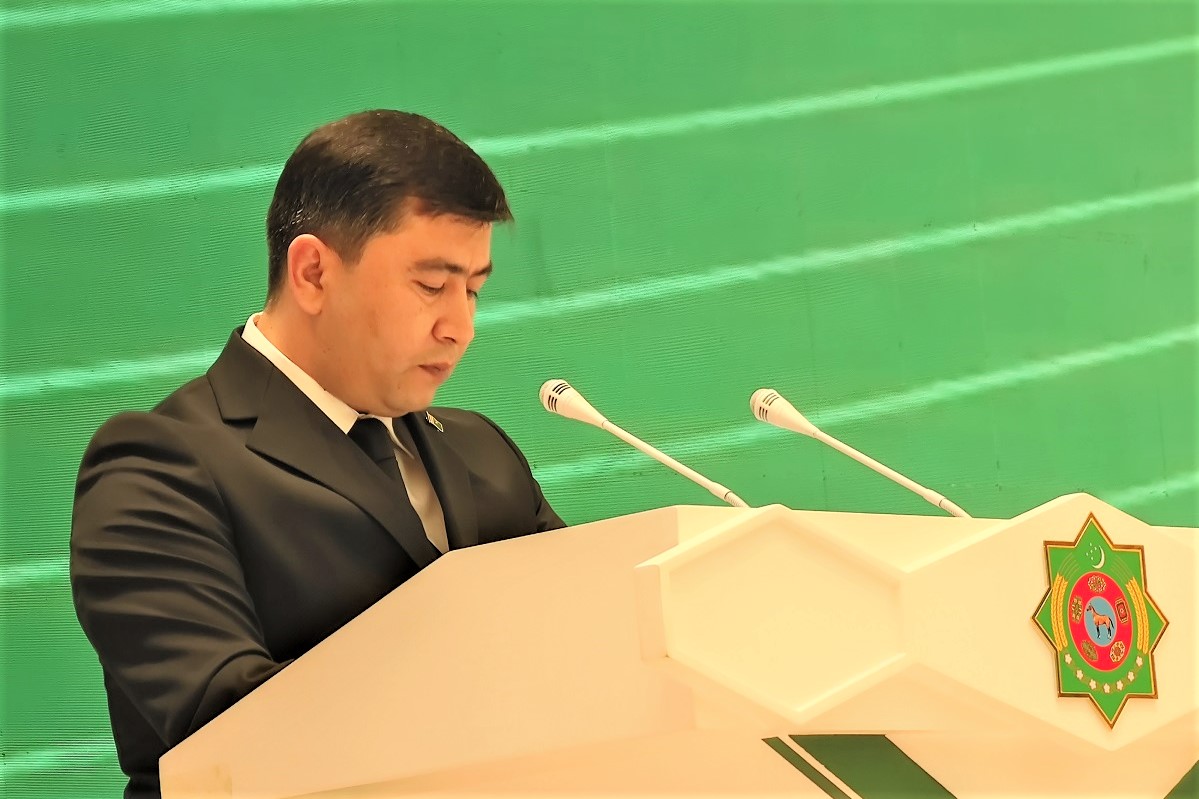
The figures presented by Deputy Minister of Finance and Economy Perkhat Yagshiyev translate this discussion into the language of global pragmatism and macroeconomic clarity. Turkmenistan is demonstrating a phase of sustainable growth. The country's GDP by the end of 2025 will exceed $77.4 billion, with a growth rate of 6.3%. Meanwhile, inflation is holding steady at 3.2%, which, against the backdrop of global turmoil and the "price explosions" in Europe, appears phenomenal.
The most compelling argument for international financial institutions is the debt burden: Turkmenistan's external debt is only 3% of GDP, and it has no domestic debt. These figures indicate minimal risks and the state's financial discipline.
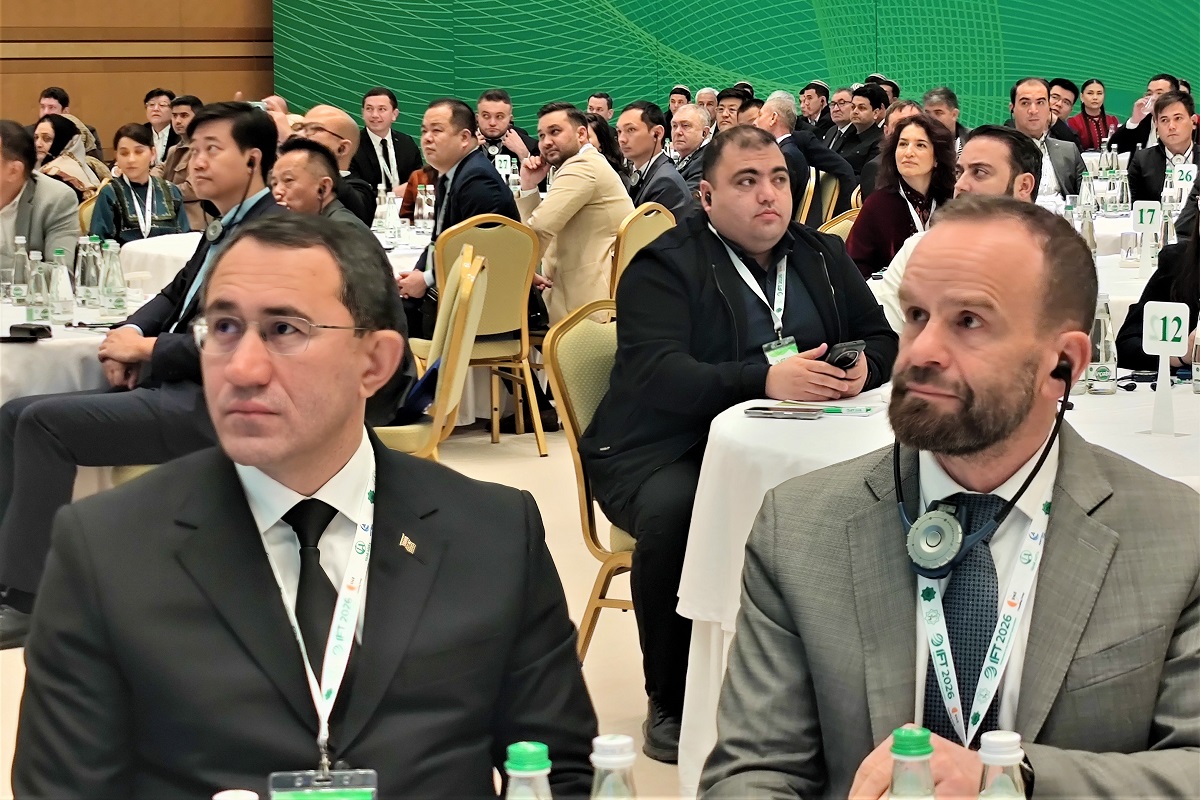
The quality of investments is now valued more than their volume. The country is focusing on environmentally friendly technologies, digitalization, and the implementation of circular economy principles. Importantly, Turkmenistan is no longer perceived by its partners solely as a mining market; it is now a strategic transportation hub.
The modernization of the North-South and East-West corridors, the expansion of the Turkmenbashi port, and the development of the Trans-Caspian route are transforming the country into a key land bridge between Asia and Europe. For investors, this means access not only to the national market but also to the transit potential of the entire macro-region.
Investing in the future always means investing in human capital and innovation. The establishment of the International University of Industrialists and Entrepreneurs, the development of its own IT sector, and the active work of Rysgal Bank demonstrate that Turkmenistan is building an ecosystem where private initiative is supported at every stage—from training to preferential lending.
Consistent progress toward joining the World Trade Organization and a confirmed international rating of "BB-" with a positive outlook complete the picture: Turkmenistan today is a market that combines colossal resources, modern infrastructure, and a macroeconomic stability rare in our time.