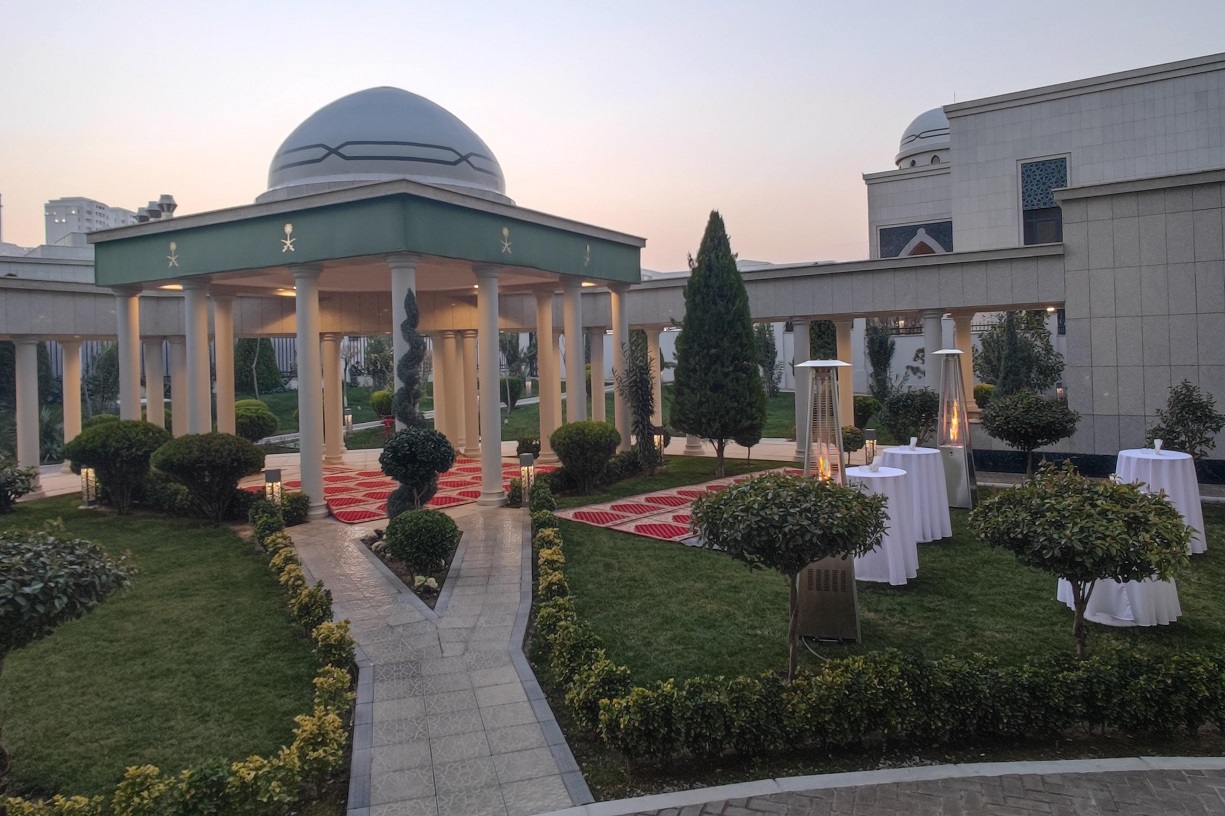
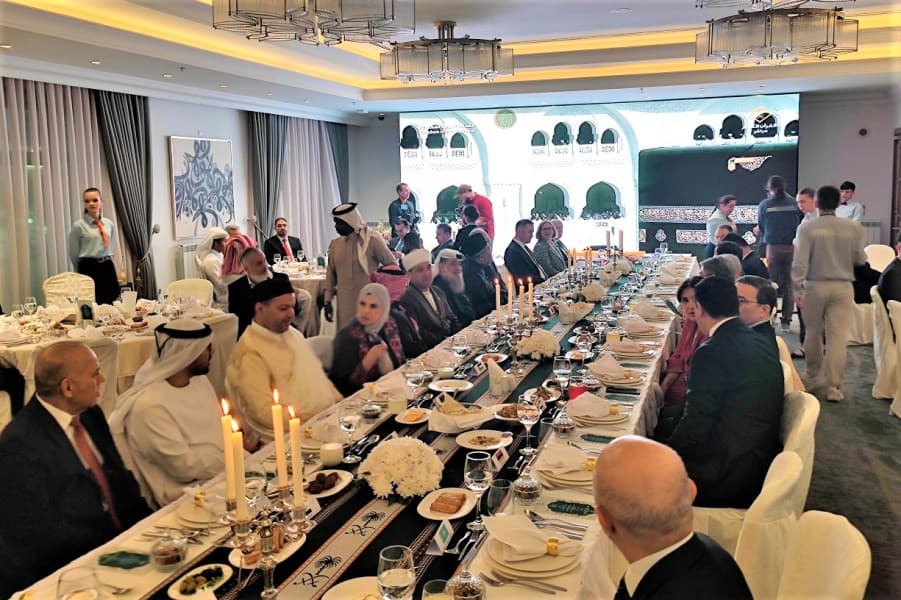
On Monday, a large crowd of cars and people gathered outside the majestic building of the Saudi Arabian Embassy in Ashgabat. Iftar, the Arabic name for the evening meal Muslims take during fasting, was celebrated there.
The venues for such events are typically decorated with a variety of illustrative materials, but this poster caught my eye:
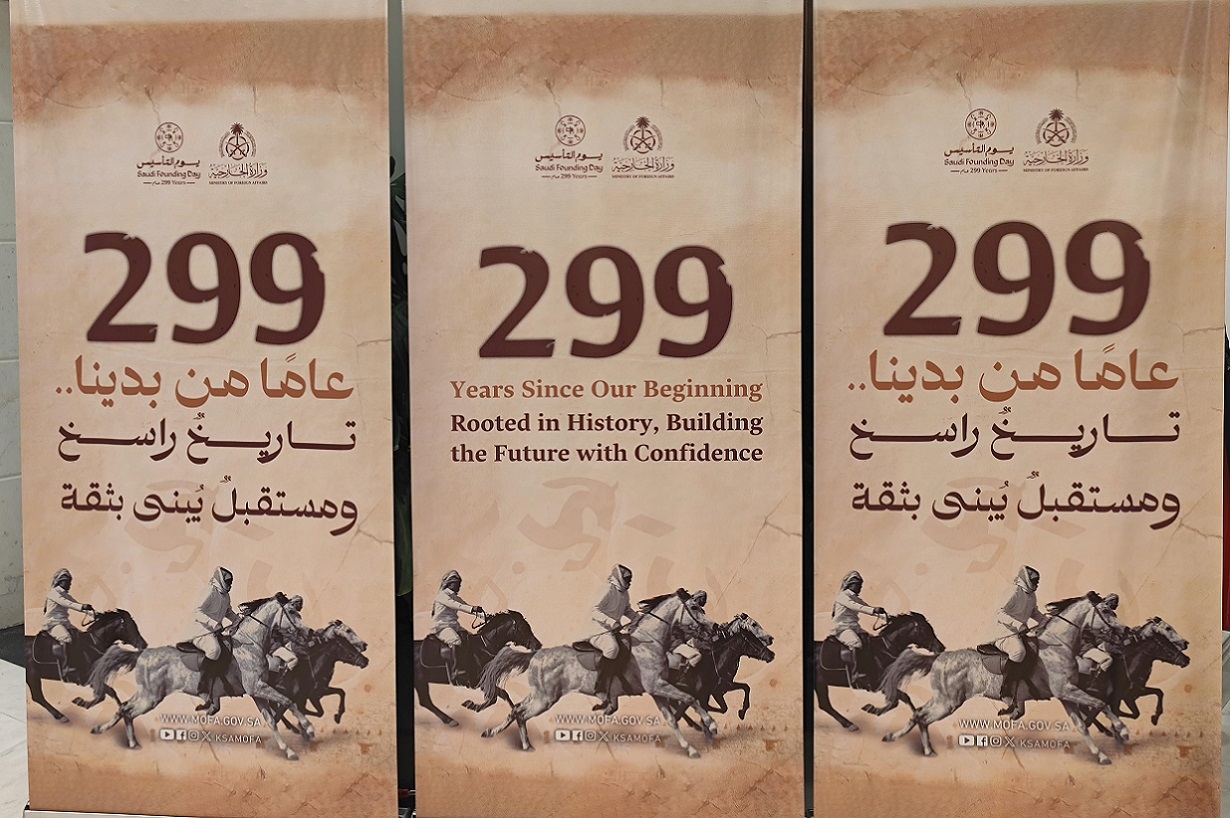
The poster's caption, in English and Arabic, read, "Years Since Our Foundation: Building on History, Confidently Building the Future." Above the short but pithy text was the number "299," signifying the years since the founding of the first Saudi state.
A little history. In 1727, Imam Muhammad ibn Saud founded the first Saudi state in the city of Diriyah, and the holiday commemorating this date, celebrated annually on February 22, is known in Saudi Arabia as Foundation Day. This year, the Kingdom celebrates the 299th anniversary of this event. This is an important milestone ahead of the upcoming 300th anniversary next year.
The words beneath the number – "Building on History, Confidently Building the Future" – emphasize the connection between centuries-old traditions and the country's modern, ambitious development plans, enshrined in the Vision 2030 program. This program is not just a document, but a large-scale national development strategy, launched by Saudi Arabia in 2016 on the initiative of Crown Prince Mohammed bin Salman.
Simply put, it is a long-term plan for how the country should change by 2030 to move beyond its dependence on oil sales. Its three main pillars are: A Prosperous Society! A Strong Economy! An Ambitious Nation!
And now, let's return to our main topic.
Leaders and representatives of the diplomatic corps (including those from non-Muslim countries), international organizations, local companies working with partners from this friendly country, Turkmen friends, and many others gathered for the Iftar (Turkmen: agyzaçar) evening at the Embassy of the Kingdom of Saudi Arabia.
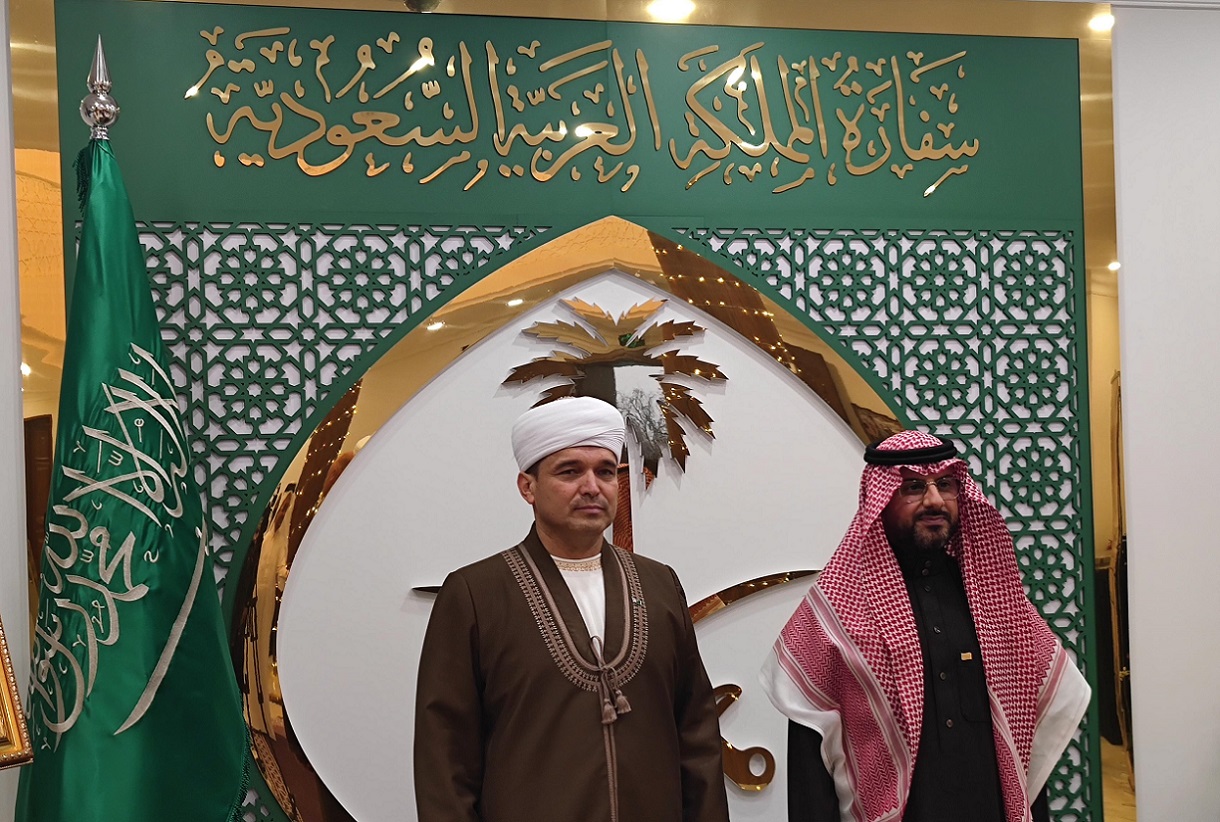
Mufti Yalkap Khodjagulyev represented Turkmenistan at the event.
Amir bin Ali Al Shehri, the Ambassador of the Kingdom of Saudi Arabia to Turkmenistan, personally welcomed each guest, expressing his gratitude for their participation in the spiritual event that Iftar represents for every Muslim.
For followers of Islam, iftar is not simply a communal meal, but an important spiritual and social event. This ritual combines physical replenishment after a day of fasting with spiritual renewal, embodying such essential Islamic moral values as gratitude, moderation, mercy, and community unity.
The rite of breaking the fast, which is performed during the holy month of Ramadan (Turkmen: Oraza), has special significance for Muslims.
Why is this calendar period revered as sacred by followers of Islam?
According to Muslim dogma, it was during the month of Ramadan that the Quran was revealed to the Prophet Muhammad. It was in the year 610, when the angel Gabriel revealed the first verses of the Quran to the 40-year-old prophet in a cave near Mecca: "Recite in the name of your Lord, Who created—He created man from a clot." Read, and your Lord is Most Generous...” (Quran, Surah Al-Alaq, verses 1-3).
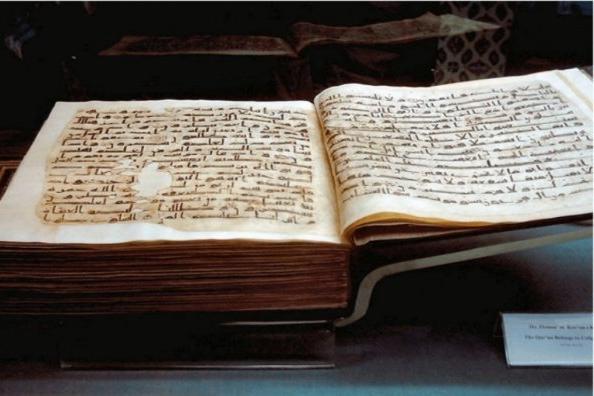
Therefore, this time is considered favorable for spiritual purification and self-improvement. It is a period of special grace sent down from Above and an increase in rewards for godly deeds—a time of compassion and mercy.
Furthermore, Muslims sincerely believe that revelations were also revealed to other prophets revered in world religions during the same month of Ramadan. Thus, the Prophet Musa (Moses in the Bible) received revelations recorded in the Taurat (Torah), the Prophet Davud (the biblical David) received the Book of Zabur (Psalms), and the Prophet Isa (Jesus) received the Injil (Gospel).
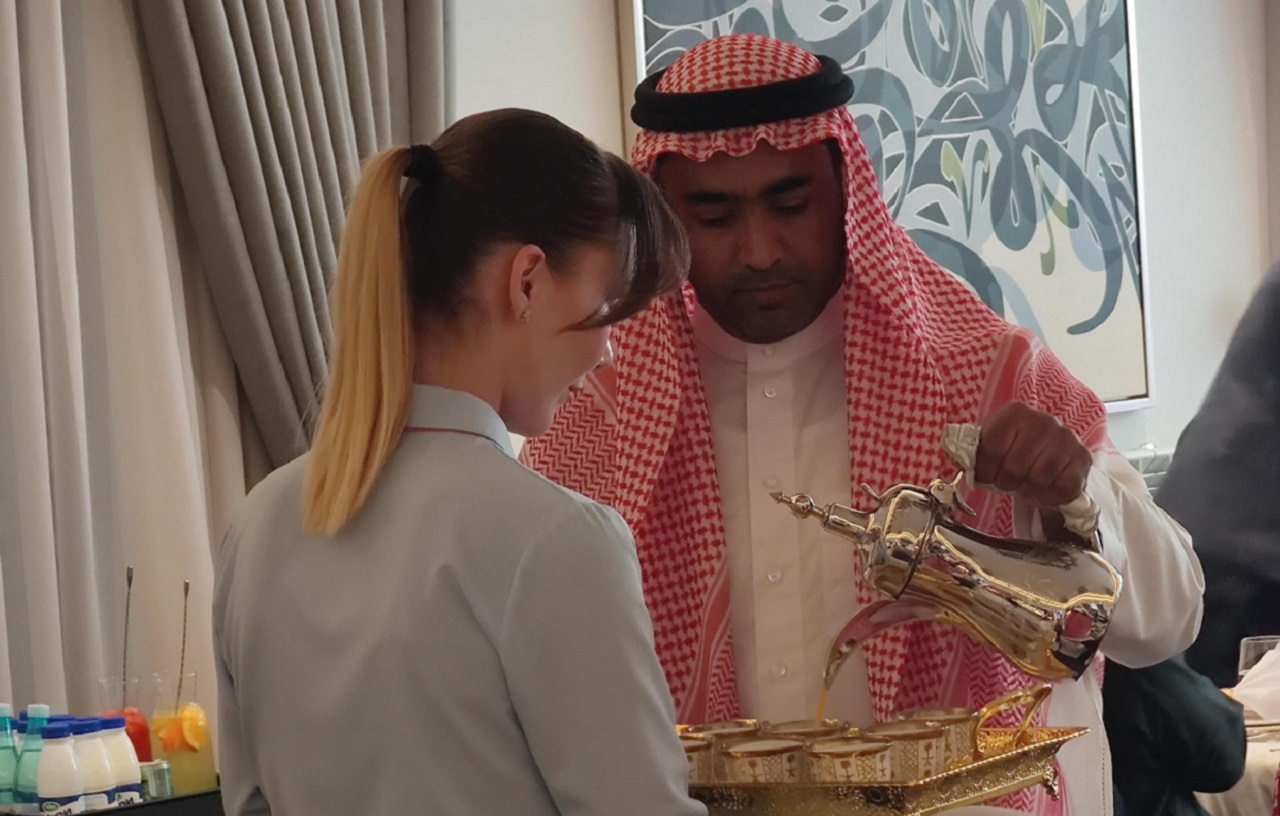
The iftar meal begins immediately after sunset. Most often, the fast is broken with an odd number of dates and plain water. This custom originates from the example of the Prophet Muhammad, who began his fast in this manner.
And, of course, specially brewed coffee is served, something Arabs simply cannot do without. If dates are unavailable, they start with something sweet or simply water. From a modern medical perspective, this helps the body smoothly initiate the digestive process.
Then comes the evening prayer, and only after that do believers begin a full dinner. However, in such cases, Islamic teachings urge followers not to overeat, lest they lose the benefits of the fast.
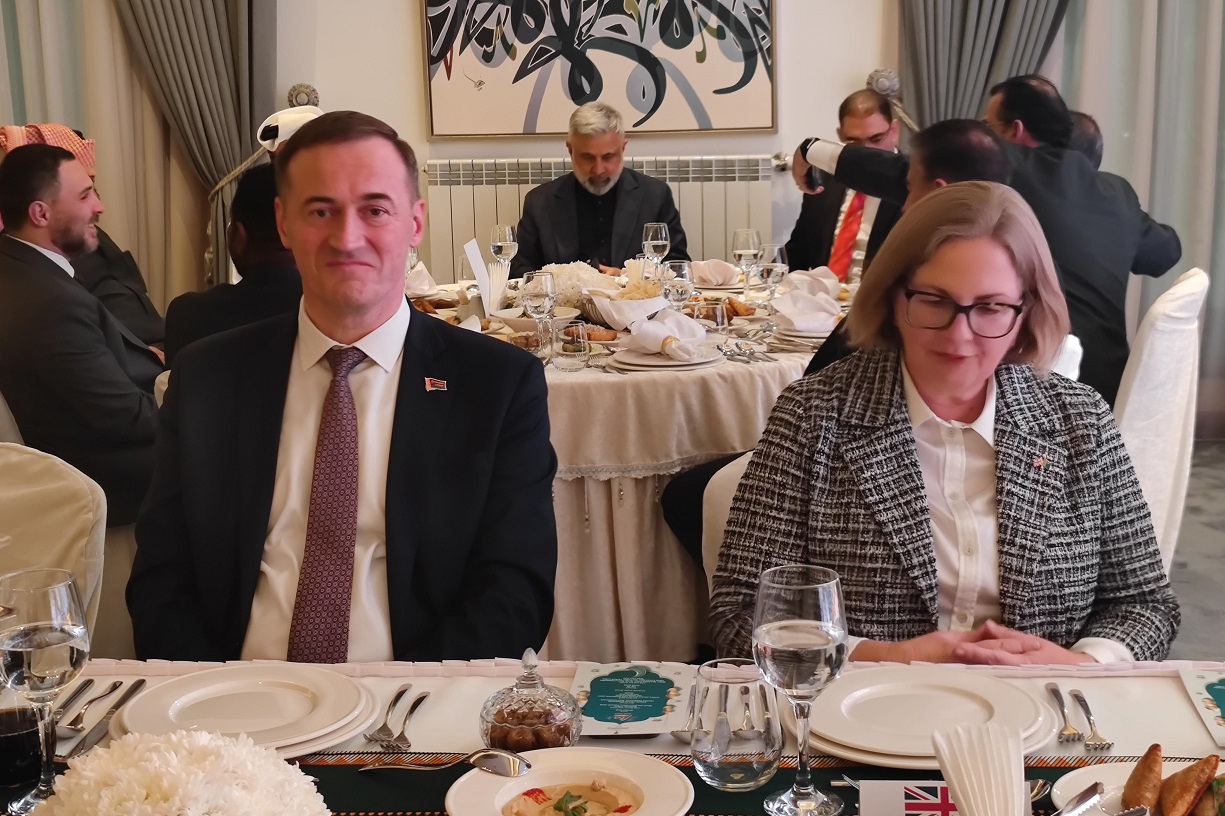
Inviting guests (including non-Muslims) to the evening dinner is considered a pious act. Supporting and feeding those in need is also seen as a matter of honor and a great blessing from Heaven.
Muslim fasting is one of the five pillars of Islam, a spiritual foundation without which the edifice of faith cannot be stable. Along with fasting during the month of Ramadan, these include testifying to the oneness of God, performing the five obligatory prayers, giving alms to the needy, and the pilgrimage to Mecca.
Incidentally, on Tuesday, a plane carrying a large group of pilgrims arrived in Ashgabat, returning from Mecca, home to Islam's holiest site, the Kaaba, located in the courtyard of the Masjid al-Haram. Muslims believe that it was the first temple built to worship one God.
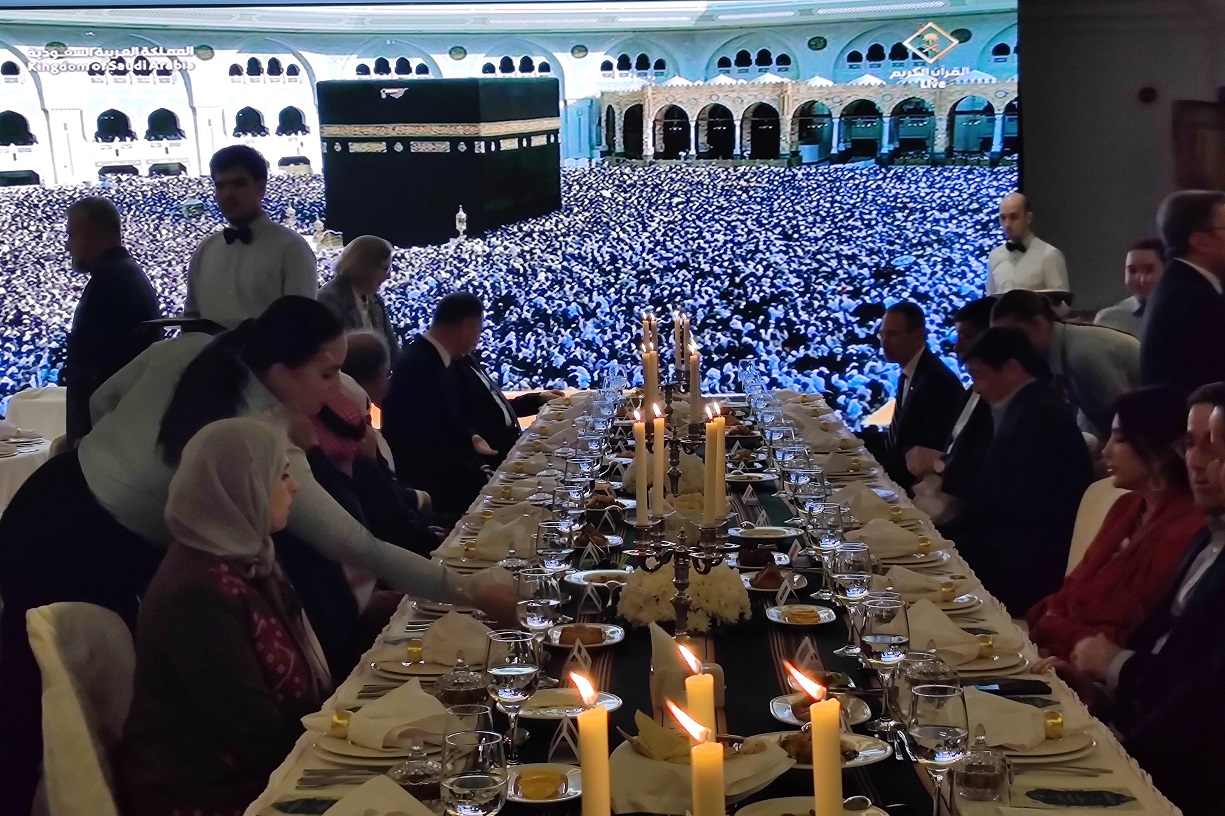
During the evening meal at the Saudi Arabian Embassy, a live broadcast from Mecca was shown on a giant screen. Guests watched in awe as the Masjid al-Haram filled with worshippers praying at the walls of the Kaaba, the spiritual center of Islam. Our compatriots among the Turkmen pilgrims, following tradition, visited during the Hajj both holy sites—the Masjid al-Haram and the Kaaba.
It is known that before Islam, the Kaaba was a sanctuary for Arab tribes, housing idols of various deities. However, in 630, the Prophet Muhammad cleansed the Kaaba of idols, reviving the tradition of monotheism. This act symbolizes the fight against paganism and idolatry—an idea also reflected in the deeds of other prophets revered in world religions.
For example, the biblical prophet Abraham (Ibrahim in Muslim tradition) acted in the same way, as did Jesus Christ (Isa in the Quran) who expelled merchants and money changers from God's temple.
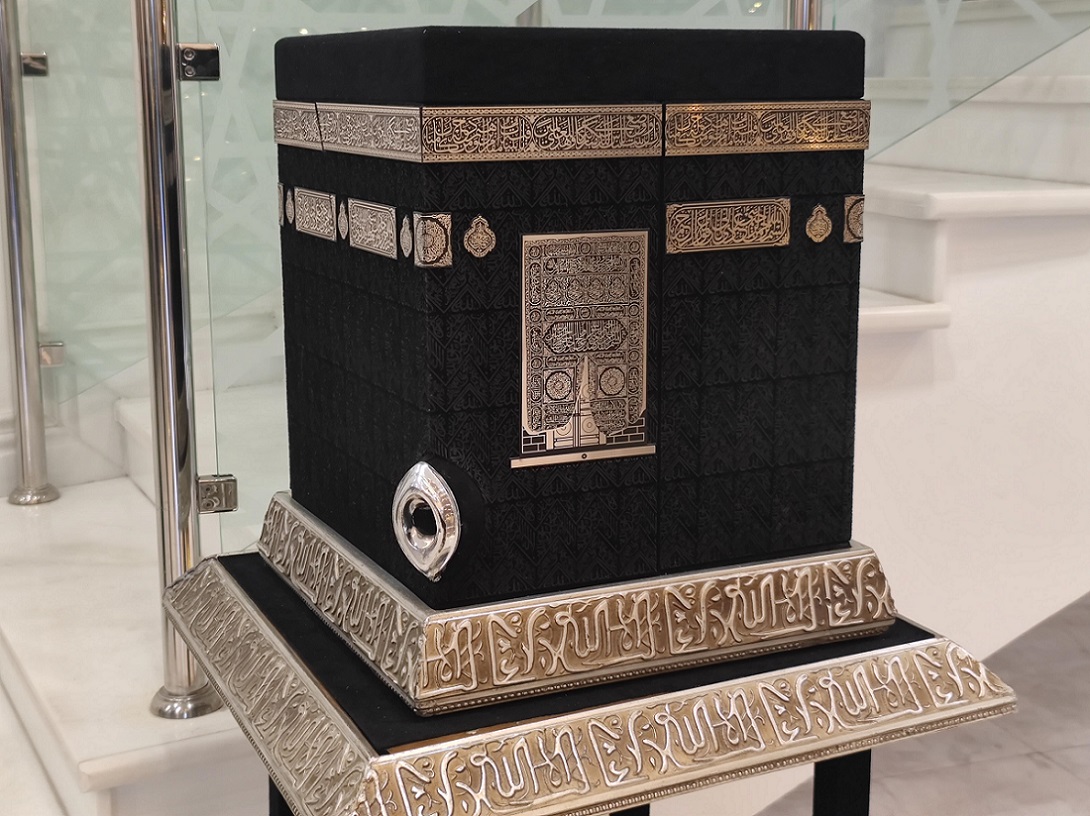
Today, the Kaaba (a replica of which was also installed in the embassy foyer) unites Muslims from all over the world. Regardless of nationality, language, and country of residence, they all pray in the same direction and strive to make a pilgrimage to the holy site at least once in their lives.
For centuries, the Turkmen people have been renowned for their tolerance. Even in ancient times, followers of different faiths coexisted harmoniously in Turkmenistan. Archaeological excavations have revealed the adjacent ruins of a Christian church, a Muslim mosque, and a Buddhist stupa – an architectural and sculptural structure dedicated to followers of the teachings of spiritual Enlightenment.
Today, representatives of various faiths coexist peacefully in Turkmenistan. Christians – Orthodox and Catholic, Muslims – Sunni and Shia, as well as followers of other religions – live here.
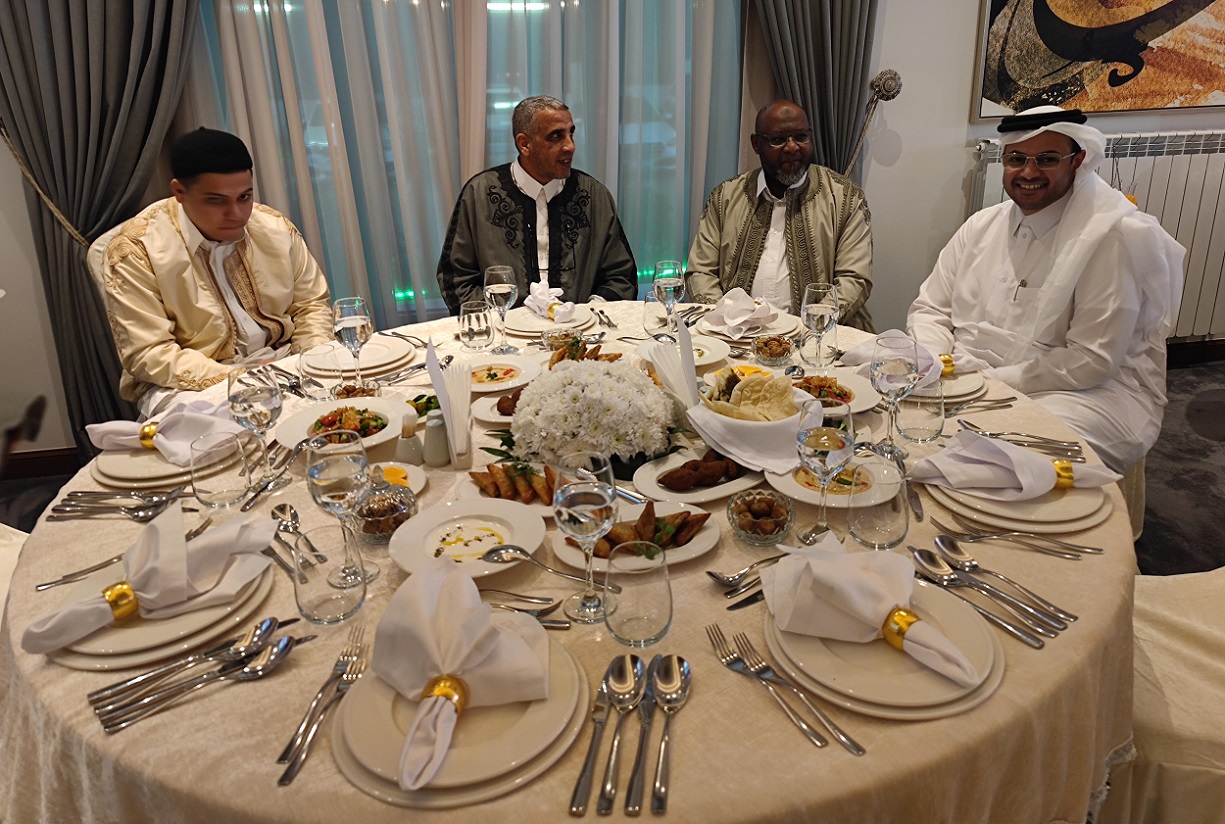
The iftar at the Saudi Arabian Embassy was more than just a meeting – it reminded us all that true faith is expressed in kindness and respect for one's neighbor. It demonstrated that spiritual values such as mercy, hospitality, and mutual respect unite people of different cultures and faiths, and the holy month of Ramadan provides an excellent opportunity to strengthen these ties today, in a world where mutual understanding is especially important.
This evening clearly demonstrated the importance of interreligious dialogue. It inspired everyone present. It reminded us that shared moral values are stronger than superficial differences, and that traditions of mercy unite people regardless of their faith.
Isn't this what the prophets of various religions bequeathed to us?
Bekdurdy AMANSARYEV