We are guided by what unites people




News
Articles
Media
Announcement
 Chinese New Year
Technology
About Us
Contacts
Chinese New Year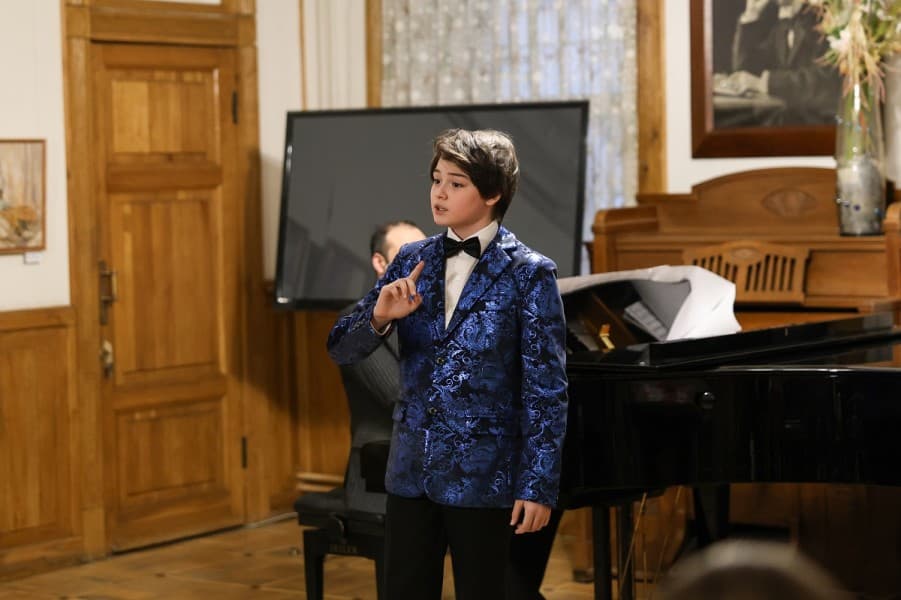
2026 marked a special milestone for the "Sounds of the Dutar" Foundation, marking the launch of the tenth, anniversary season of the Nury Khalmamedov Moscow International Arts Festival. The opening of this cultural celebration, held on February 22 in the intimate atmosphere of the music salon of the A.N. Scriabin Memorial Museum, was poetically titled "Music of the Universe and Melody of the Soul." The evening was more than just a concert, but a veritable kaleidoscope of meanings, where Turkmenistan's musical heritage blended seamlessly with world classical music.
The museum hall seemed to be a meeting of two geniuses—Alexander Scriabin and Nury Khalmamedov. Despite the decades separating them, the spiritual connection between these composers can be traced through a timeless trajectory. Khalmamedov, who became the most luminous exponent of the Turkmen soul in classical music, had the deepest respect for Scriabin's mystical and innovative work. In his diaries, Nury left a confession that today reads like a manifesto: calling folk music his first teacher, he considered Scriabin his second.
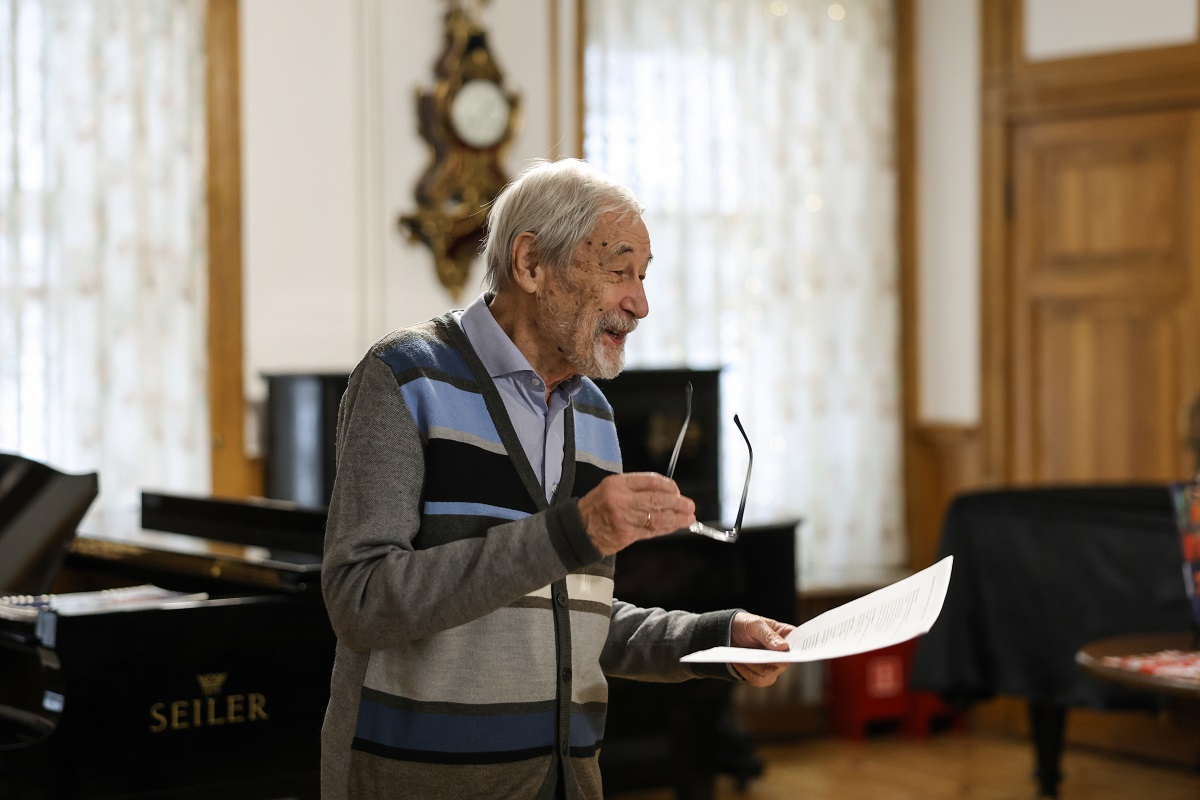
This continuity of generations and the influence of the Russian piano school on Turkmen art became the main theme of Professor Vyacheslav Medushevsky's opening remarks. The distinguished musicologist, who studied with Khalmamedov at the Moscow Conservatory, shared personal memories, emphasizing that Nury's apparent simplicity concealed exceptional inner depth and a passion for Magtymguly's philosophy.
The evening's special status was enhanced by the presence of Esen Aydogdyev, Ambassador Extraordinary and Plenipotentiary of Turkmenistan to the Russian Federation, as well as representatives of Moscow's academic and artistic intelligentsia. The consistently sold-out crowd, a hallmark of the Foundation's events, once again confirmed the Russian public's genuine interest in Turkmen culture. The evening's program was built on subtle parallels: from the refined symbolism of Maurice Ravel to the classical purity of Wolfgang Amadeus Mozart and Sergei Rachmaninoff.
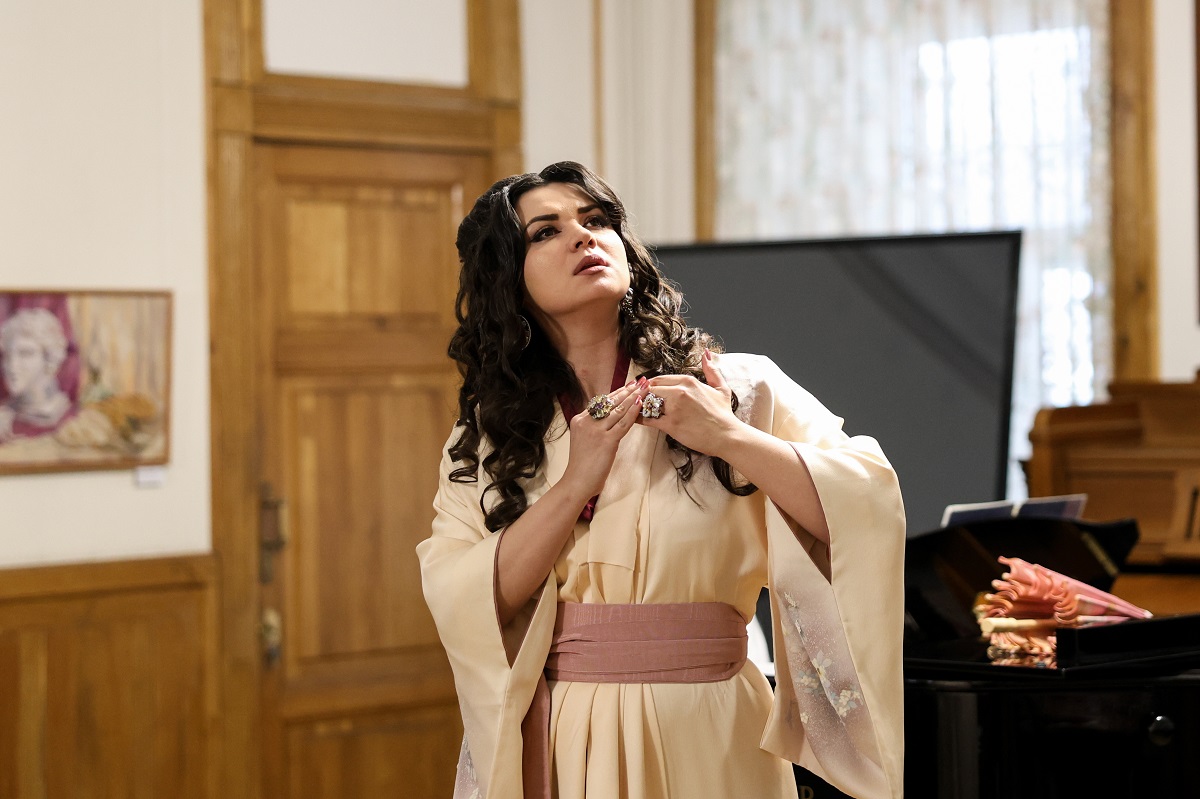
A poignant performance of Nury Khalmamedov's vocal cycle "Unheard Songs of the Children of Hiroshima and Nagasaki" was also a moving one. Interpreted by opera singer Daria Guseynova and composer Mamed Guseynov, this work, imbued with tragedy and mystical depth, sounded like a full-fledged mono-opera. The creative dialogue between modernity and classicism continued with Mamed Guseynov's "Ode to the Hero," with lyrics by Khadzhi Kakaliev, performed in honor of Defender of the Fatherland Day.
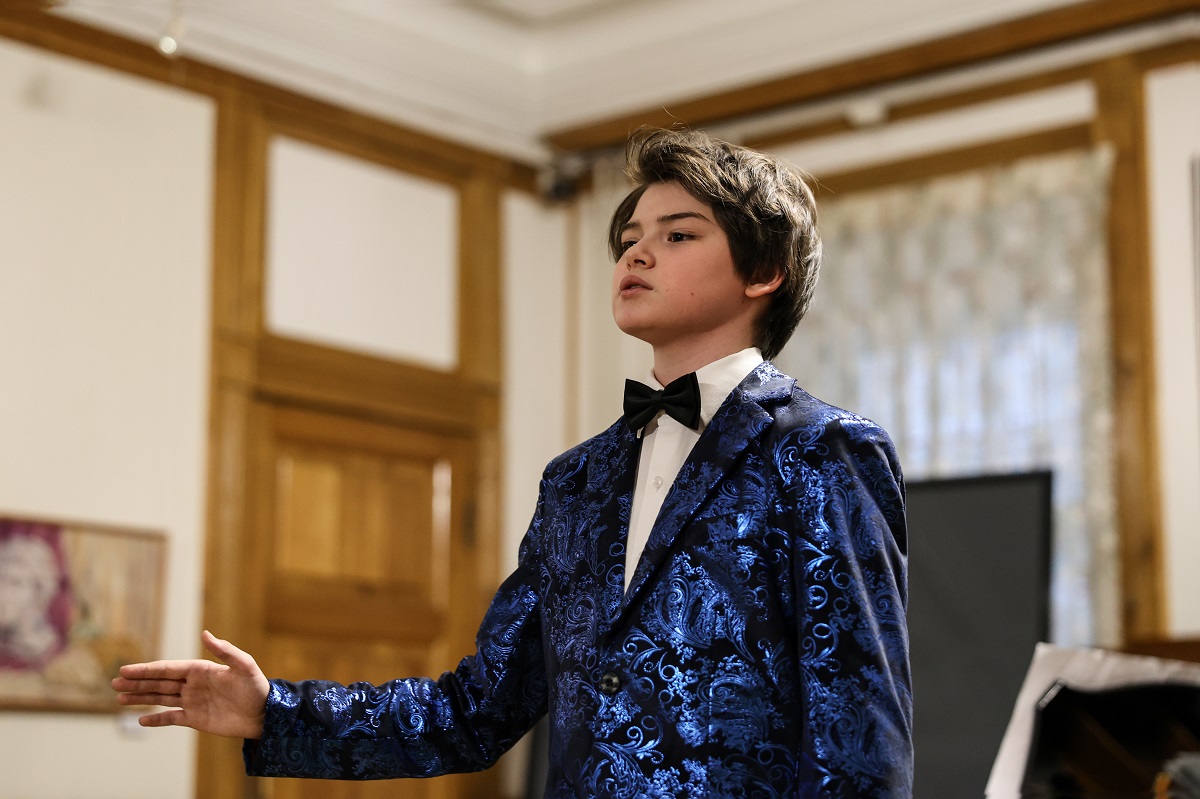
The jubilee tone of Mozart, whose 270th anniversary is being celebrated by the global music community, was echoed by young Darius Guseynov, a guest soloist with the Bolshoi Theater. With his clear treble, he sang Cherubino's aria from "The Marriage of Figaro," and then presented Matvey Blanter's legendary composition "Horses-Beasts." The latter sounded especially relevant in the context of the national motto for 2026 in Turkmenistan, dedicated to the purposeful winged horses.
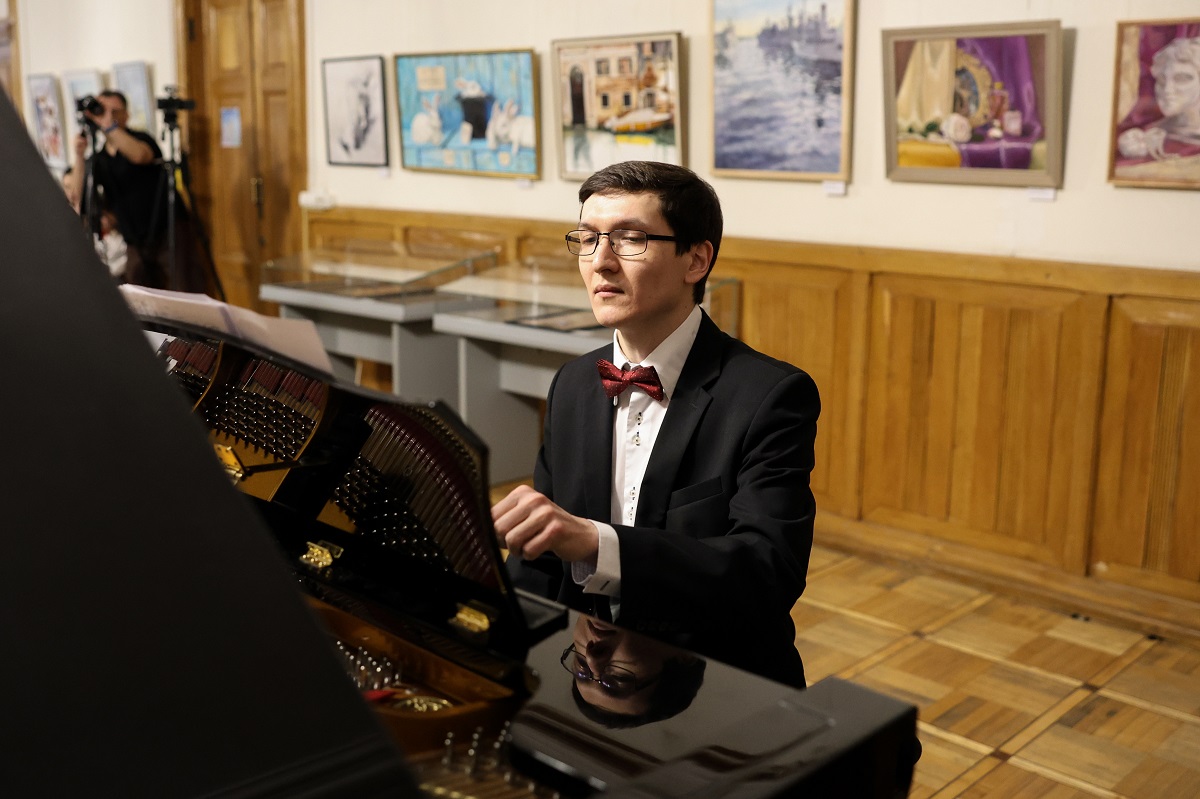
The evening's instrumental section, performed by pianist Ilyas Sagitov, took the audience on a journey from Ravel's "Alborada" to the contemporary images of Mamed Guseinov. The pieces "Sounds of Childhood," "Troubadour (Bakhshi)," and the nocturne "Homesickness" showcased the unique interweaving of Eastern and Western traditions that underpins the festival itself.
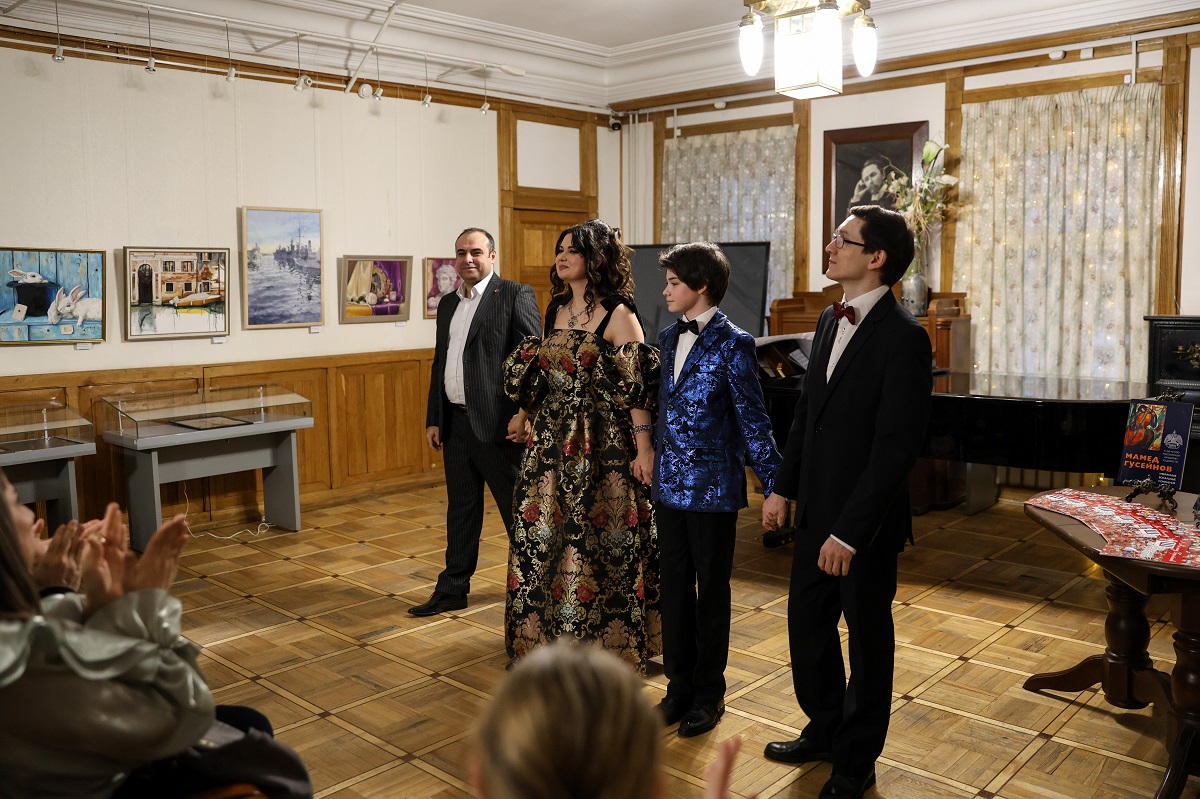
Over the course of nine years, "Sounds of the Dutar" has brought together hundreds of talented musicians, and the current anniversary season promises to be a new peak in the project's history. Applications for the autumn competition will begin in March, inviting soloists and ensembles to inscribe their names in the annals of the festival, which continues to live up to its reputation as a true celebration of the arts.