||
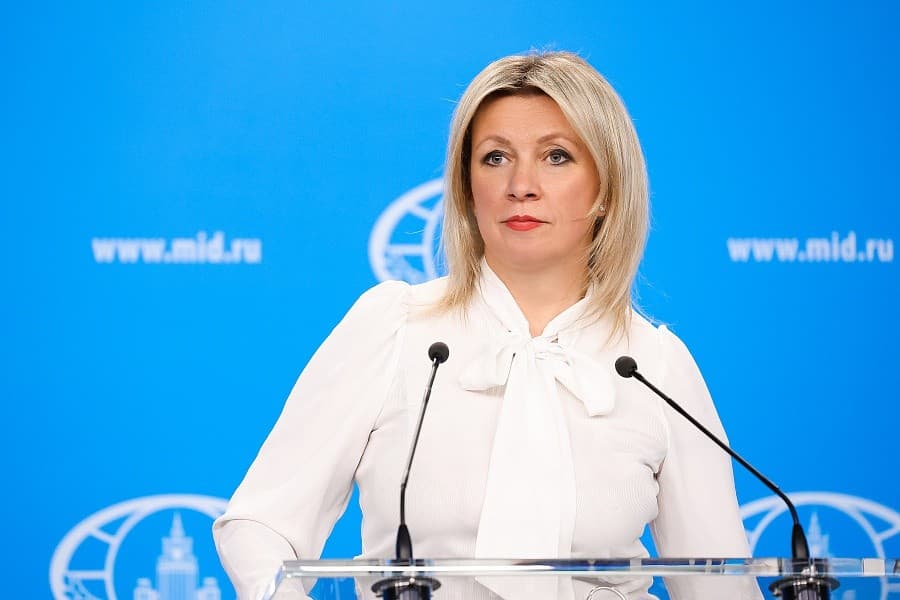
The Russian Foreign Ministry presented a detailed statement on the current state and prospects of cooperation with countries in the Central Asian region. It emphasized that relations are built on the principles of deep respect for national interests and long-term economic pragmatism.
During a briefing on February 18, Russian Foreign Ministry spokesperson Maria Zakharova noted that the Central Asian states remain key allies and strategic partners for Russia. Particular emphasis was placed on supporting the technological and resource independence of the region's countries, as well as preserving their unique cultural and national identity.
The Russian side expressed its understanding of the multi-vector foreign policy strategies of the countries in the region. It was emphasized that the desire of the Central Asian states to expand their circle of partners is primarily driven by the objectives of their domestic socioeconomic development.
The strength of the existing ties was also noted: Russia maintains a leading position in the region's trade balance. By the end of the first three quarters of 2025, total trade turnover had reached an impressive $35 billion, demonstrating the high degree of mutual integration between the economies.
The commentary places particular emphasis on regional stability. In today's environment, close cooperation between relevant agencies remains a key tool in countering global challenges—from international terrorism to drug trafficking. The accumulated experience of joint work is seen as a reliable guarantee of peace and tranquility throughout the vast Commonwealth. In addition to bilateral contacts, the six-party cooperation mechanism has demonstrated high effectiveness. Following the successful Central Asia-Russia Summit held in Dushanbe in October 2025, work has shifted to the implementation of specific roadmaps.
Priority areas for joint action for 2025-2027 include trade and economics, energy, transport, healthcare and sanitary and epidemiological well-being, cultural and humanitarian cooperation, the environment, and migration.
This systemic approach confirms that the partnership between Russia and Central Asia will reach a new level of qualitative content in 2026, where mutual interest and sustainable development are paramount.




 Chinese New Year