||
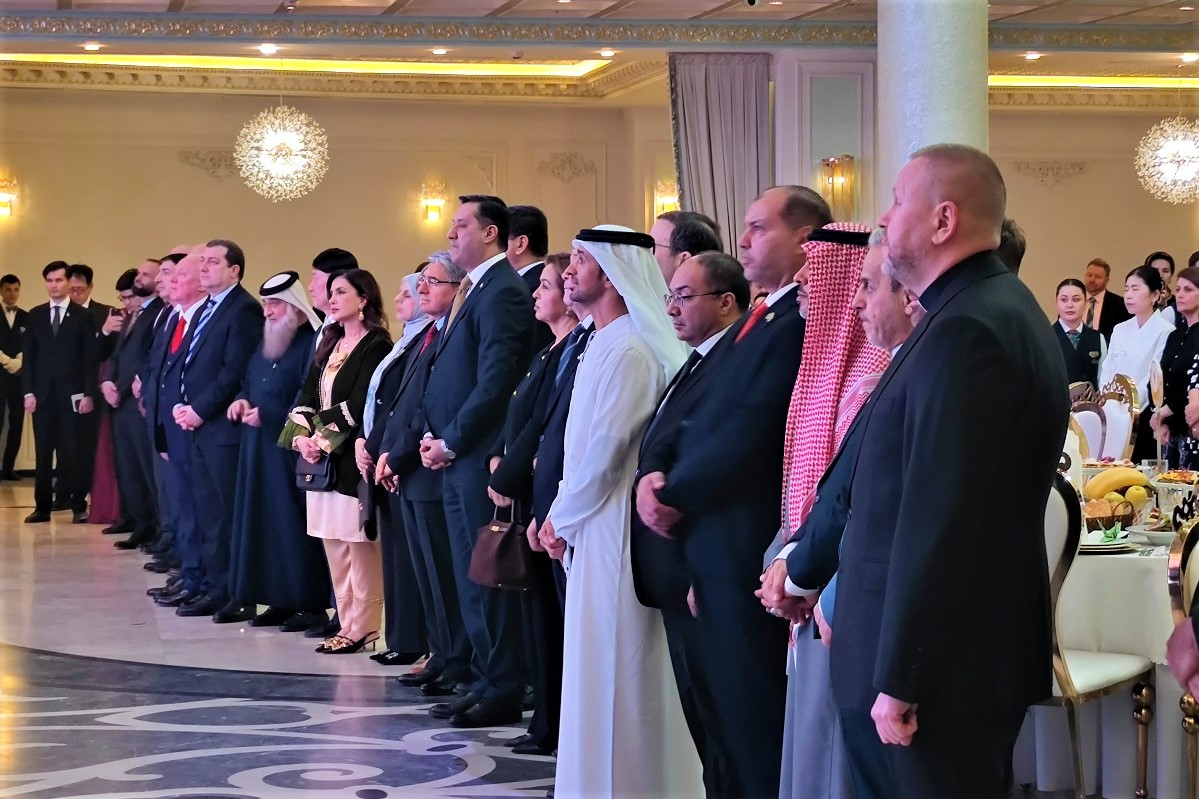
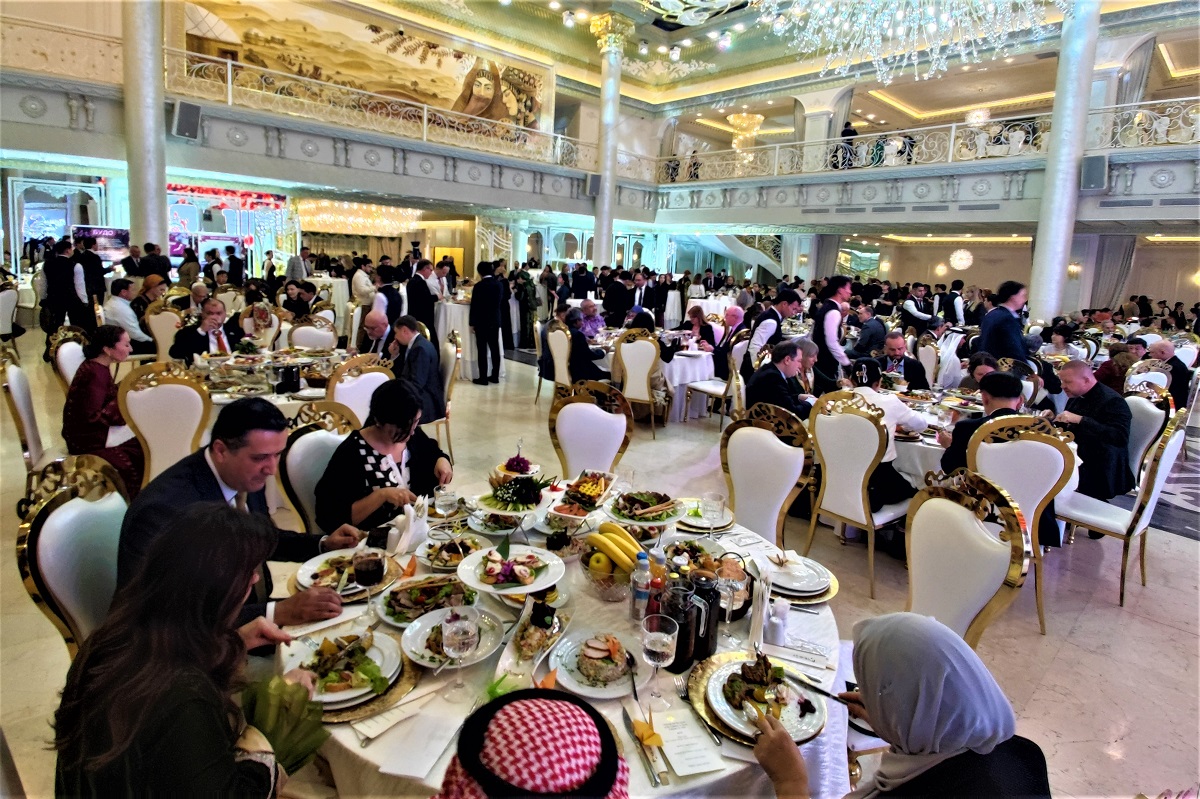
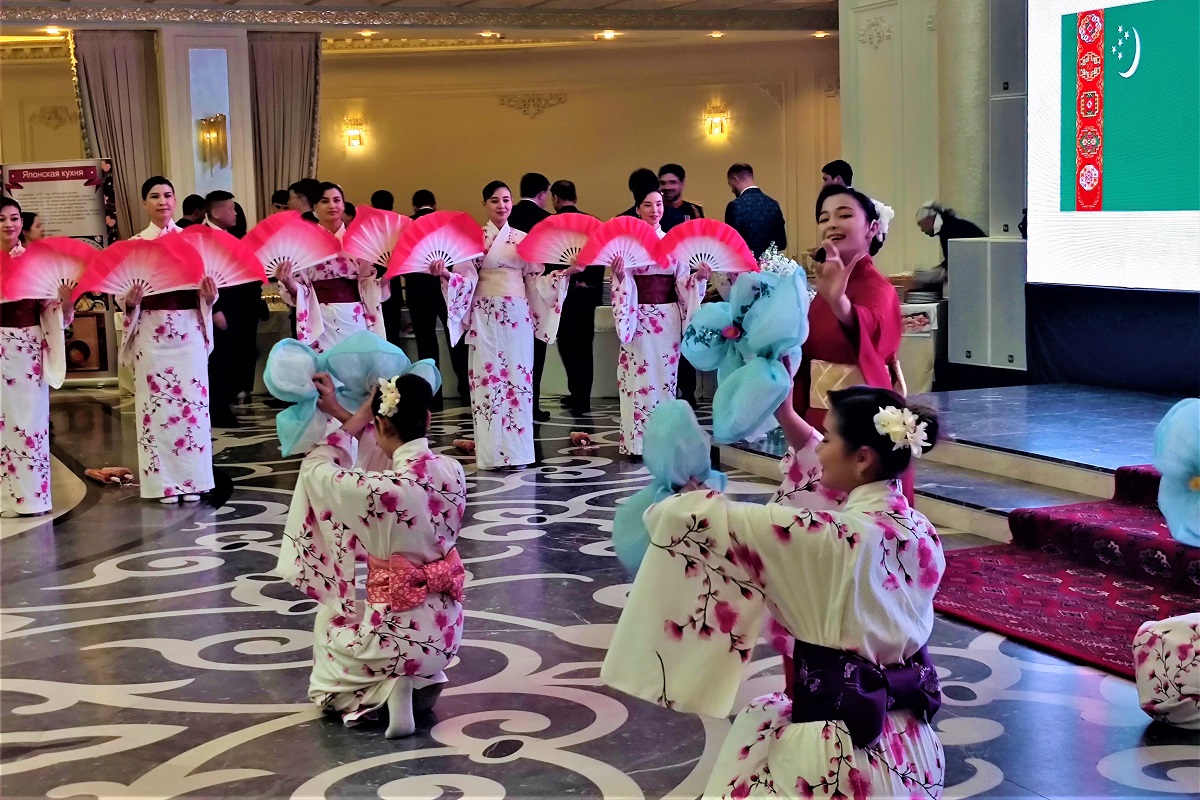
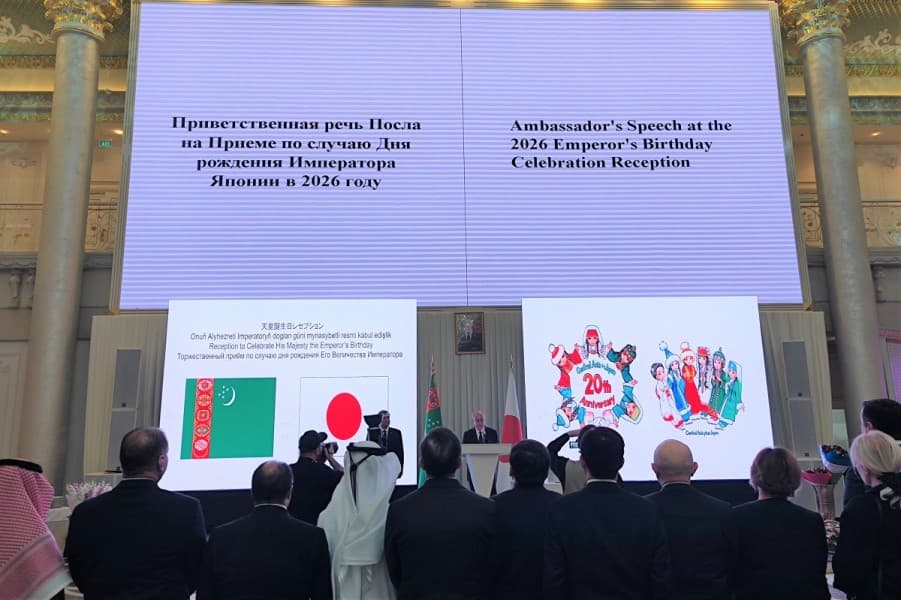
Ashgabat, February 15 | ORIENT. February marks a special event in the diplomatic calendar: the Japanese Emperor's Birthday. The reception held in Ashgabat on February 13 was not just a tribute to tradition, but a powerful finale to the "golden year" of bilateral relations and a starting point for new ambitious projects in 2026.
Diplomacy of Personal Trust
When Japanese Ambassador Sasaki Hiroshi noted in his welcoming speech the "rare occasion" of two meetings between President Serdar Berdimuhamedov and Emperor Naruhito in one year (in April and December 2025), it was no mere figure of speech. In Eastern diplomacy, such a frequency of high-level contacts is a symbol of exceptional trust.
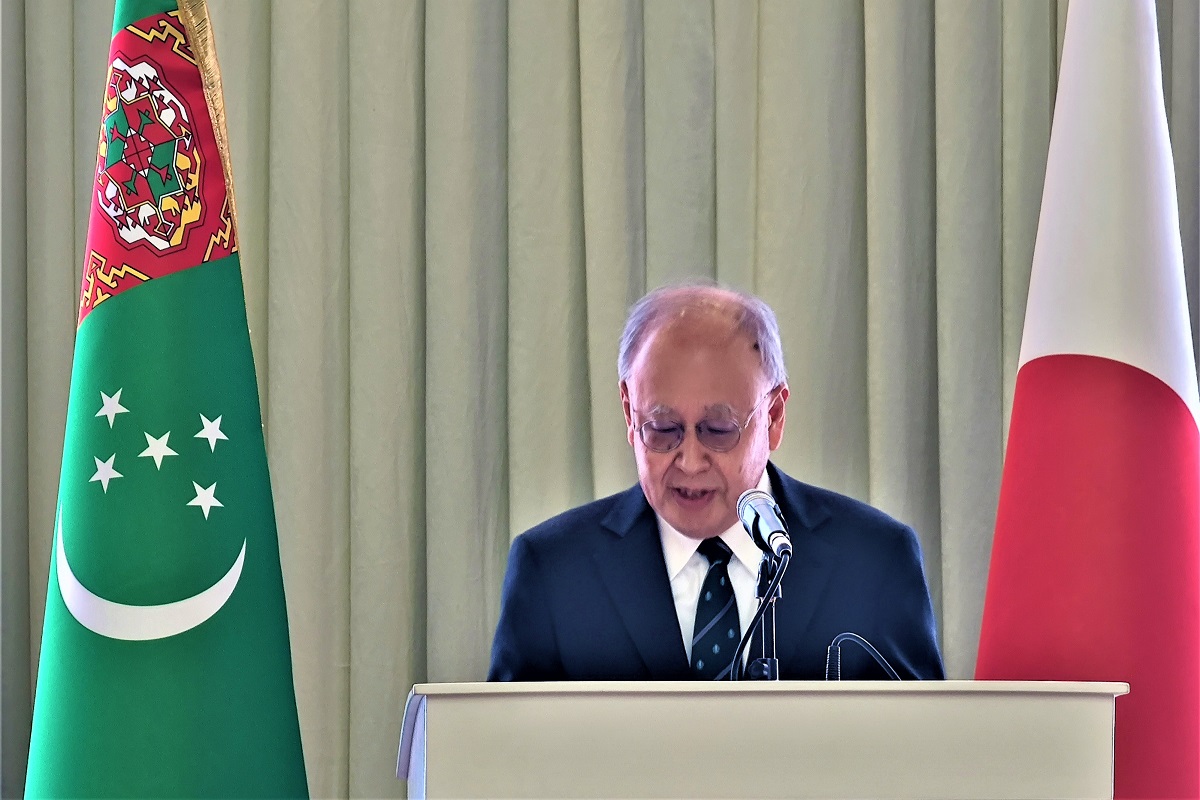
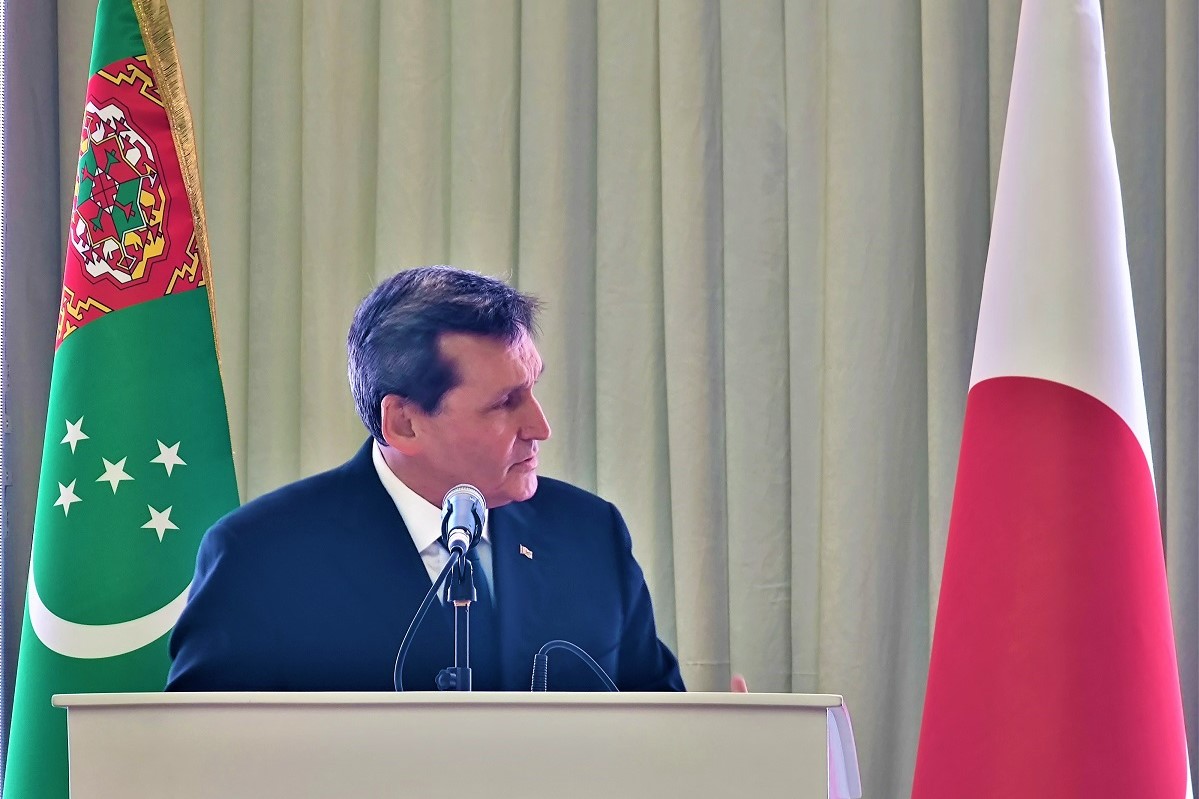
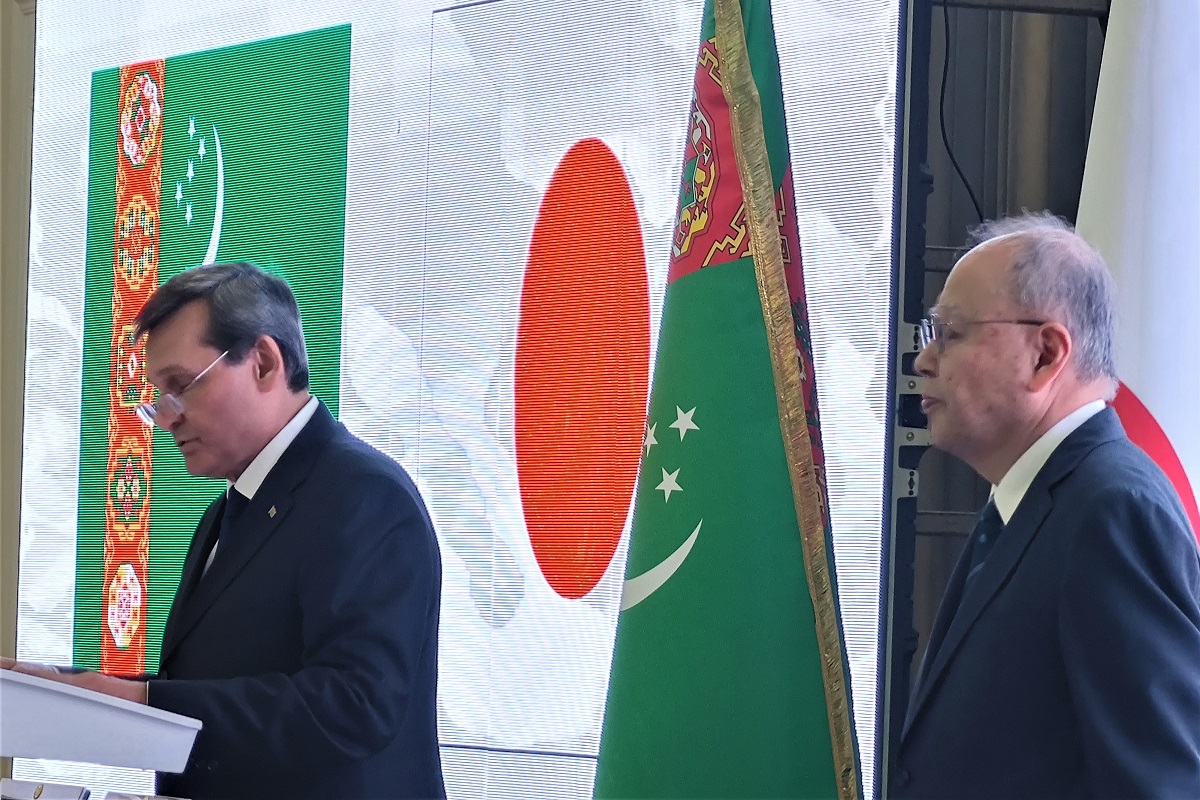
This foundation allows countries to move from simple partnership to the creation of an "intellectual infrastructure." As Turkmen Foreign Minister Rashid Meredov emphasized at the reception, the Turkmen-Japanese dialogue today is a sustainable system where the political will of leaders is converted into giant factories, high-tech clusters, and educational programs.
Business Code: From Chemistry to Quantum Sensors
Japanese business in Turkmenistan has long ceased to be simply equipment suppliers. Names like Itochu, Mitsubishi, Kawasaki, and Sumitomo have become an integral part of the country's industrial landscape. The groundbreaking of a new urea plant in Kiyanly is just the latest example.
However, the partnership's focus is shifting toward a "green" and high-tech agenda. While the Japanese embassy in Ashgabat was preparing the reception, diplomats at the Turkmen embassy in Tokyo were already laying out projects for tomorrow:
Quantum Technologies: Sustec and Carbon Cryo Capture Co., Ltd. are already in discussions about the implementation of quantum sensors for mineral exploration and carbon dioxide capture technologies.
Ecology and Water: Japan's Tohkemy Corporation is developing solutions for water purification systems, which aligns perfectly with Turkmenistan's large-scale greening plans.
"Winged Horses" and the Japanese Style of Learning
The cultural layer of relations took on a special, almost mystical quality this year. During the reception, specifically during a themed quiz, the bronze statue of an Akhal-Teke horse at the Tokyo racetrack was recalled. In this Year of the "purposeful winged horses," this monument in the heart of Japan is perceived as a living symbol of friendship.
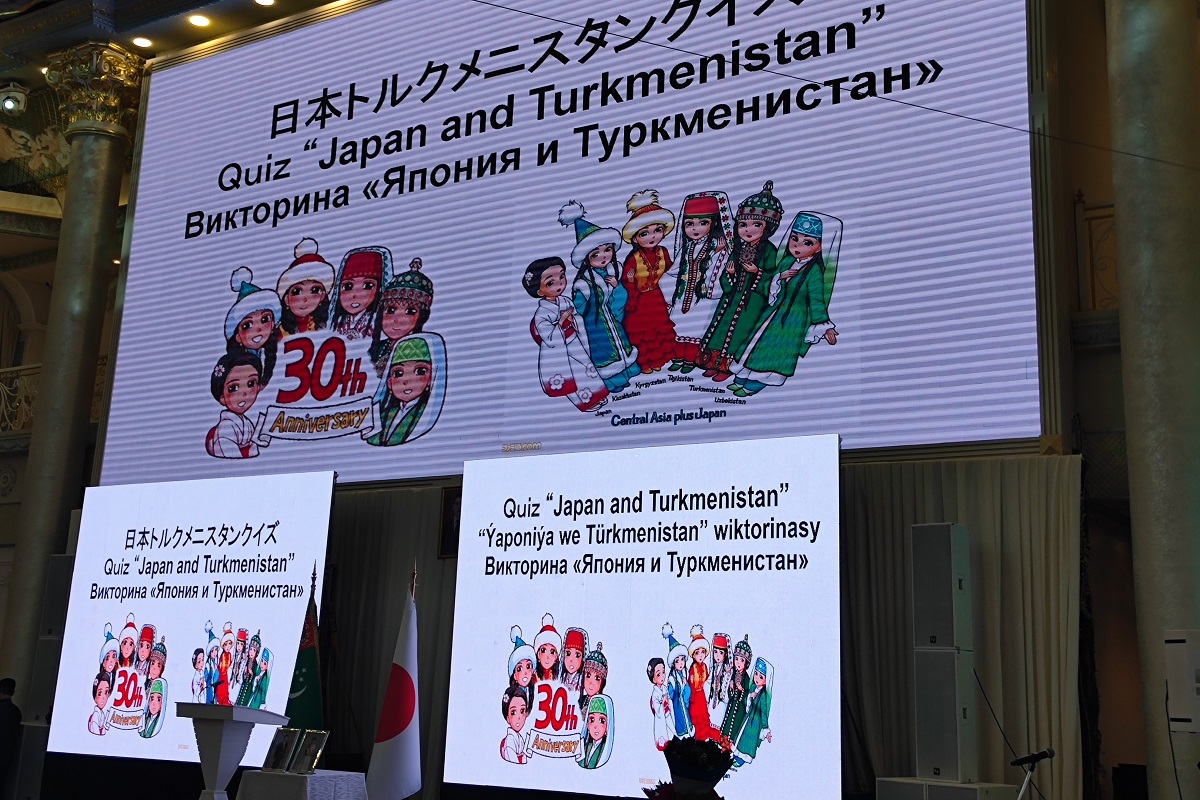
But the most astonishing thing happens in the classrooms. Did you know that in Turkmenistan, one in every 500 residents studies Japanese? That's more than 15,000 people—schoolchildren and students. Since Shinzo Abe's visit in 2015, interest in the "Japanese style"—not only in language but also in work and discipline—has become a noticeable trend.
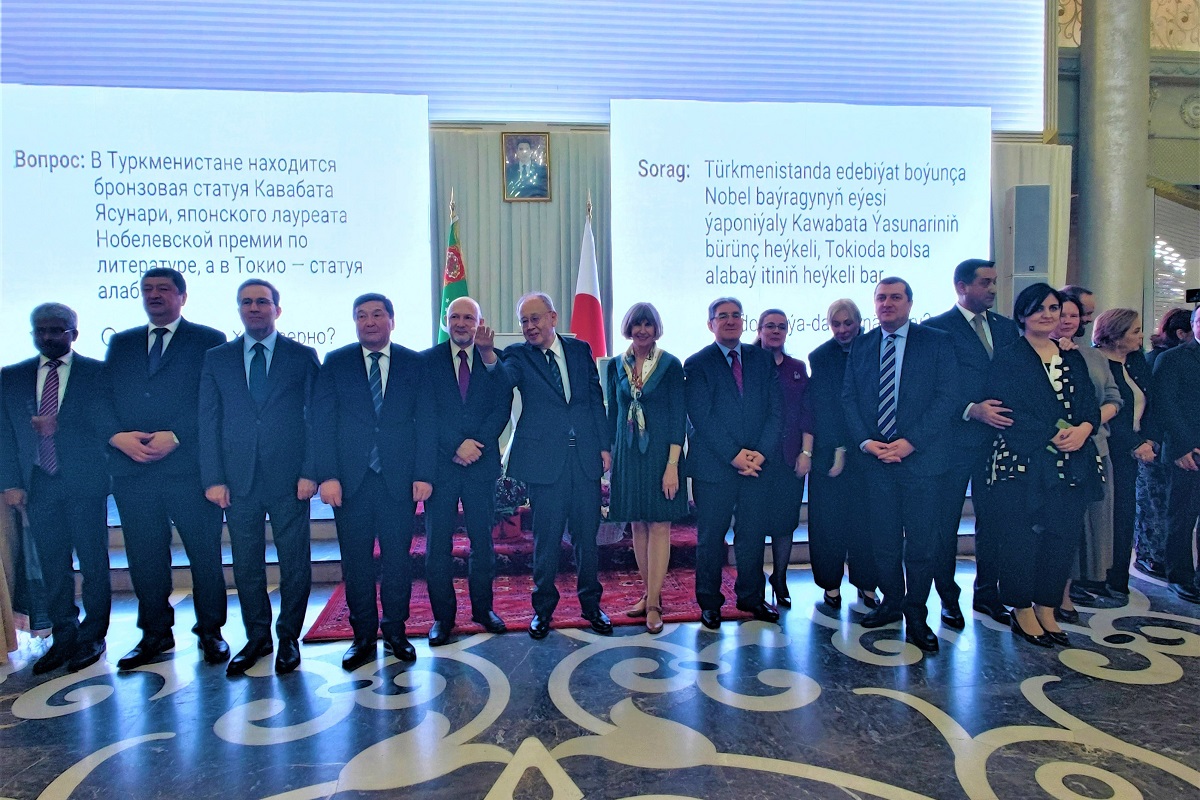
Ashgabat now has a monument to Japanese writer and Nobel Prize laureate in literature Yasunari Kawabata, and plans call for even closer ties between the universities of Tokyo, Tsukuba, and Turkmen universities.
Direct Flight in 2026: The Logistics of Convergence
The main anticipation for this year remains the launch of direct air service between Ashgabat and Narita. This isn't just a matter of tourism. For Japanese investors, it's a "physical bridge" that will allow them to airlift technical specialists and deliver electronics to Central Asia in a matter of hours. Work on Narita's regulations has entered the final stage—2026 is expected to mark the first scheduled flight.
From Osaka to Yokohama: Horizon 2027
The success of the Turkmen pavilion at Expo 2025 in Osaka, which attracted over 2 million visitors, was a triumph. But Ashgabat is already looking beyond the horizon. The next major "planting" is the International Horticultural Exhibition GREEN×EXPO 2027 in Yokohama.
The exhibition's theme, "Landscapes of the Future for Happiness," perfectly aligns with the recent decree of the President of Turkmenistan to plant 3 million seedlings. Turkmenistan is preparing to show the world how harmony between nature and new industries is being created on the edge of the desert.
The Philosophy of Change and Kaizen
Kaizen, translated from Japanese, means "change for the better" or "continuous improvement." It's not just a business management method; it's a way of life based on the premise that even the smallest steps lead to great achievements if taken daily and with full dedication.
Why has this concept fit so seamlessly into modern Turkmen realities? The answer lies in the consonance of meanings. Turkmenistan today is living in the midst of large-scale transformations, where every new factory, every planted seedling, and every foreign phrase learned by a schoolchild is "kaizen." This determination combines Japanese restraint and astonishing ingenuity with the profound wisdom of the Turkmen people and their modern creative scope.
When we build smart cities and construct high-speed highways, we're not simply changing the landscape—we're continuously improving the environment for future generations. And in this pursuit of the ideal, the harmony of technology and nature, Japan remains not just a partner for Turkmenistan, but a like-minded partner, with whom we create "landscapes of the future for happiness."
Over the 34 years of diplomatic relations, Turkmenistan and Japan have evolved from mutual interest to deep technological and intellectual integration. While today many Japanese cars can be seen on the streets of Ashgabat, judging by the dynamics of the future, many innovative projects in the region will bear the "Made in Japan – Designed for Turkmenistan" quality seal.




 Chinese New Year