We are guided by what unites people




News
Articles
Media
Announcement
 Chinese New Year
Technology
About Us
Contacts
Chinese New YearAn unusual exhibition project titled “The Code of Myths” has opened at the National Library of Belarus (NLB). The display reveals striking parallels between ancient civilization and Belarusian culture, showing how Greek classical imagery has been reinterpreted by local artisans over the centuries. This was reported by BELTA.
What Unites Greece and Belarus?
The project’s organizers have presented more than 200 unique exhibits demonstrating the close connection between the two cultures. Visitors can see:
• National costumes and rushnyks (traditional embroidered towels): For centuries, Belarusian craftsmen have used the geometric “meander” ornament in embroidery — a pattern that originated in Ancient Greece.
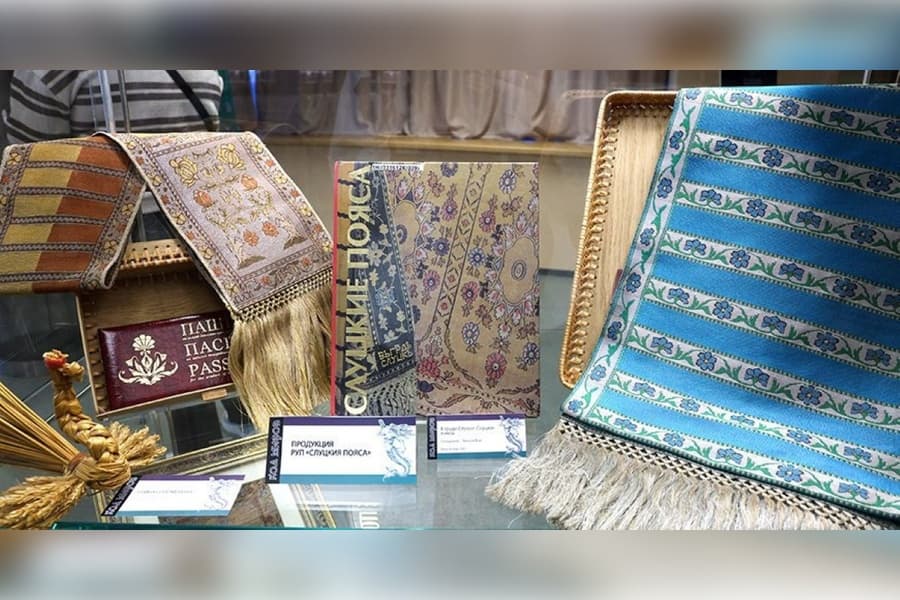
• Slutsk belts: Recreated copies of the famous belts feature images of ancient amphorae.
• Architectural fragments: The exhibition displays wooden capitals that once adorned Belarusian buildings, replicating classical Greek forms.
The exposition brings together archaeology, book heritage, and contemporary art. Among the rarities are an authentic 16th-century engraving and porcelain figurines of ancient goddesses from private collections.
Particular attention is drawn to the work of modern designers: a collection of dresses inspired by the Kalozha Church, where Greek patterns are seamlessly integrated into contemporary tailoring. This highlights the exhibition’s central idea — antiquity has not remained in the past; it has become part of the “genetic code” of European and Belarusian culture.
The exhibition offers a fresh perspective on familiar traditions, revealing shared meanings in the music and rituals of the two countries. The cultures of Greece and Belarus demonstrate a unity of views on fundamental human values: reverence for family, continuity of generations, and enduring faith in the triumph of good.
ORIENT