


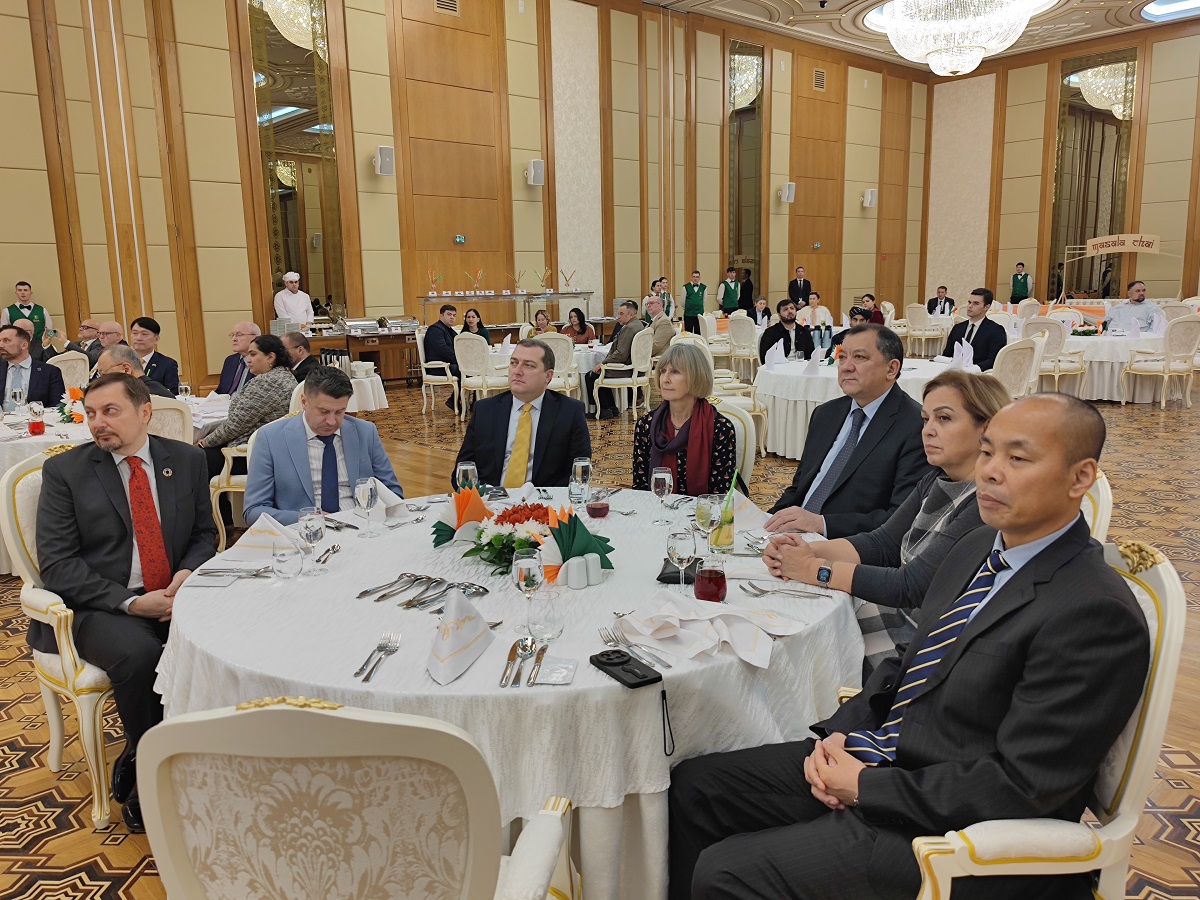
Ashgabat, January 26 | ORIENT. There are moments in diplomacy when protocol ceases to be mere regulations and becomes a lively, spontaneous, and friendly dialogue. The reception to mark India's Republic Day at the Yildiz Hotel was precisely such an event—beyond the official rhetoric about interstate relations, a spiritual attraction between cultures and peoples, a genuine interest in each other, was revealed.
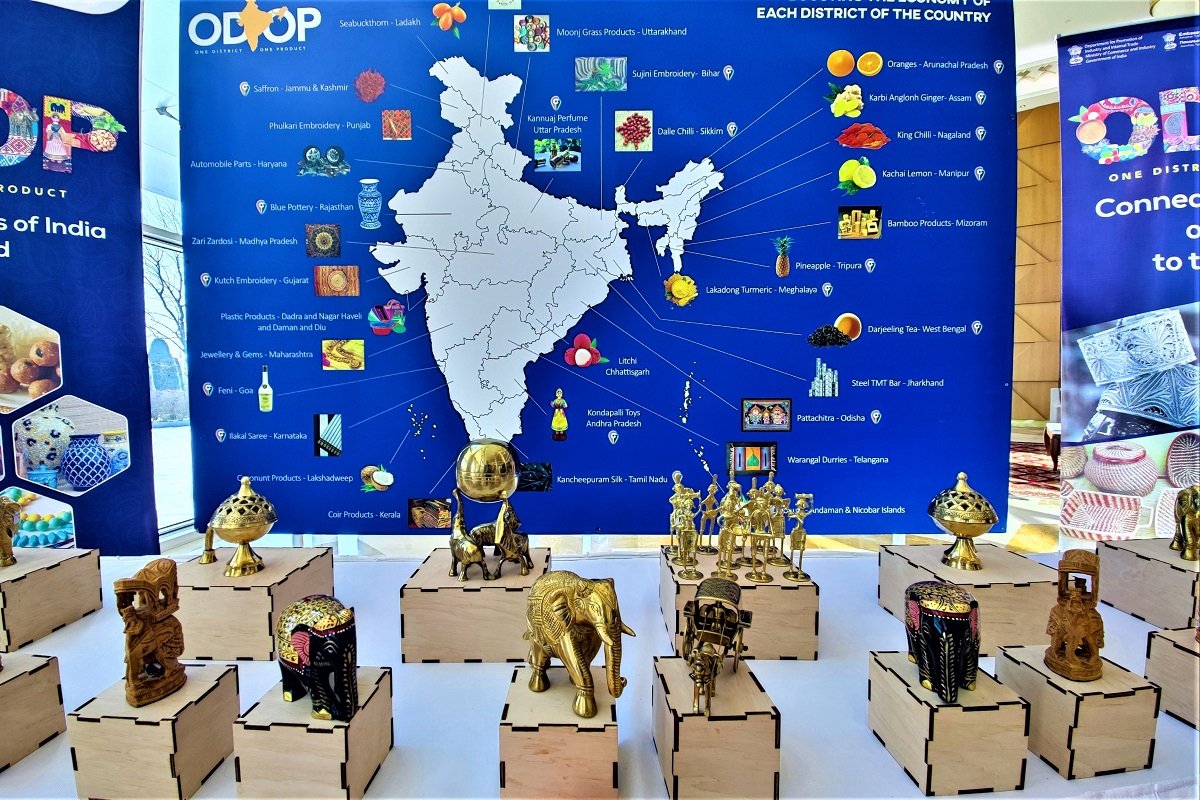
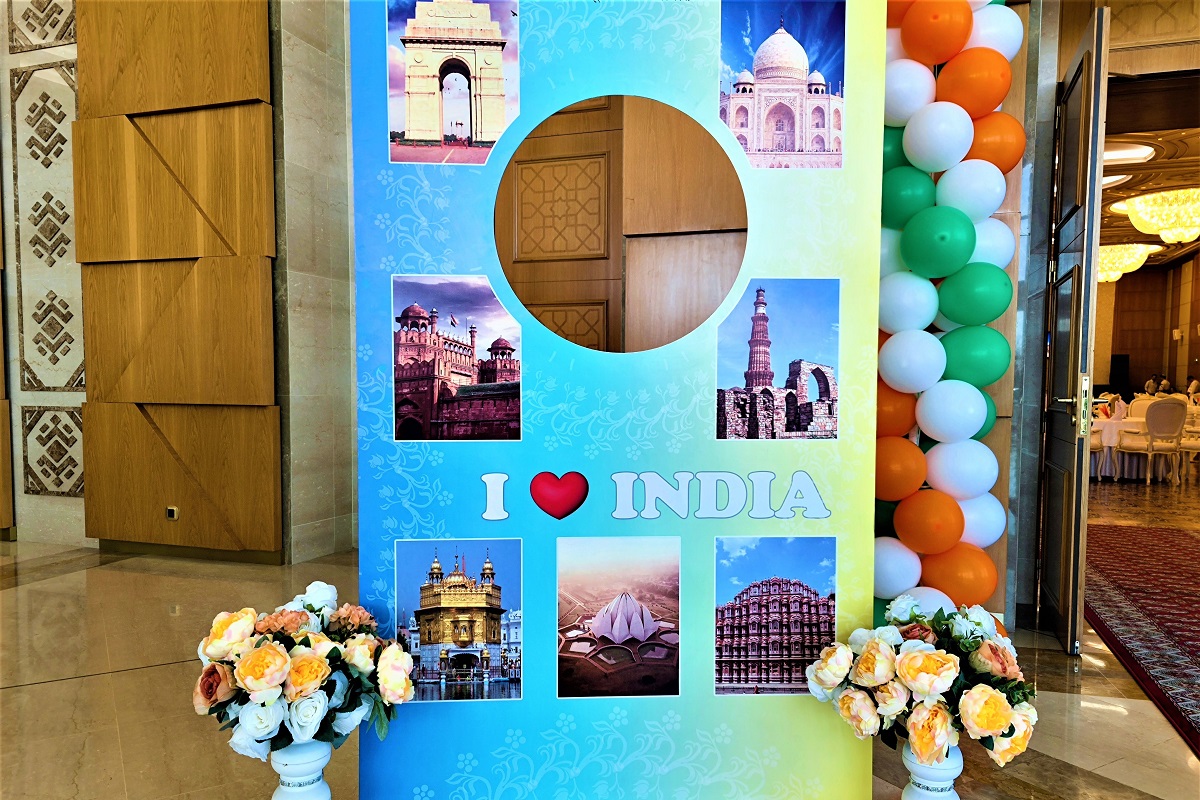
The first thing that caught the eye in the foyer was the vibrant visual component of colorful murals, posters, and works of decorative and applied art. India possesses a unique gift: its culture isn't simply on display; it "grows" within those who experience it. Among the guests at the reception, not only representatives of the Indian mission but also our compatriots shone in vibrant silk saris.
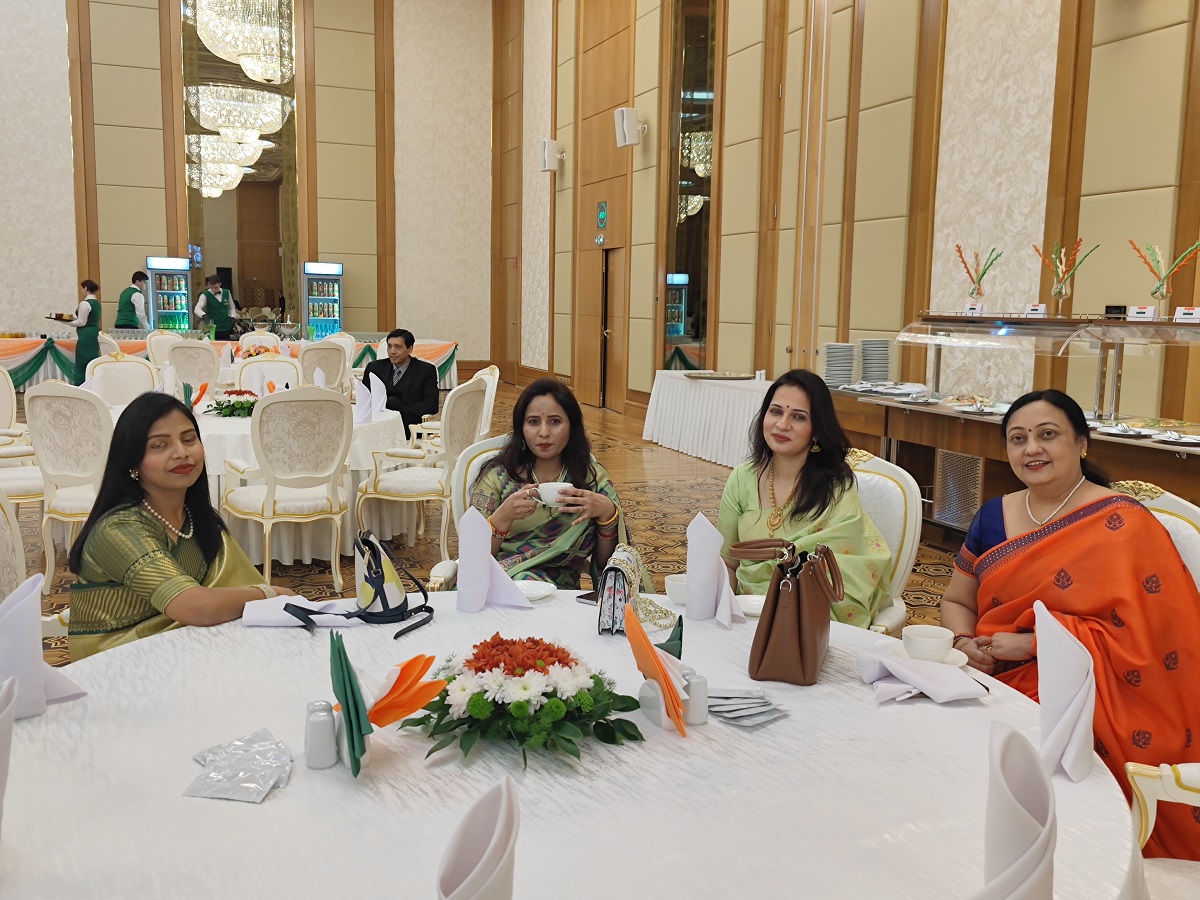
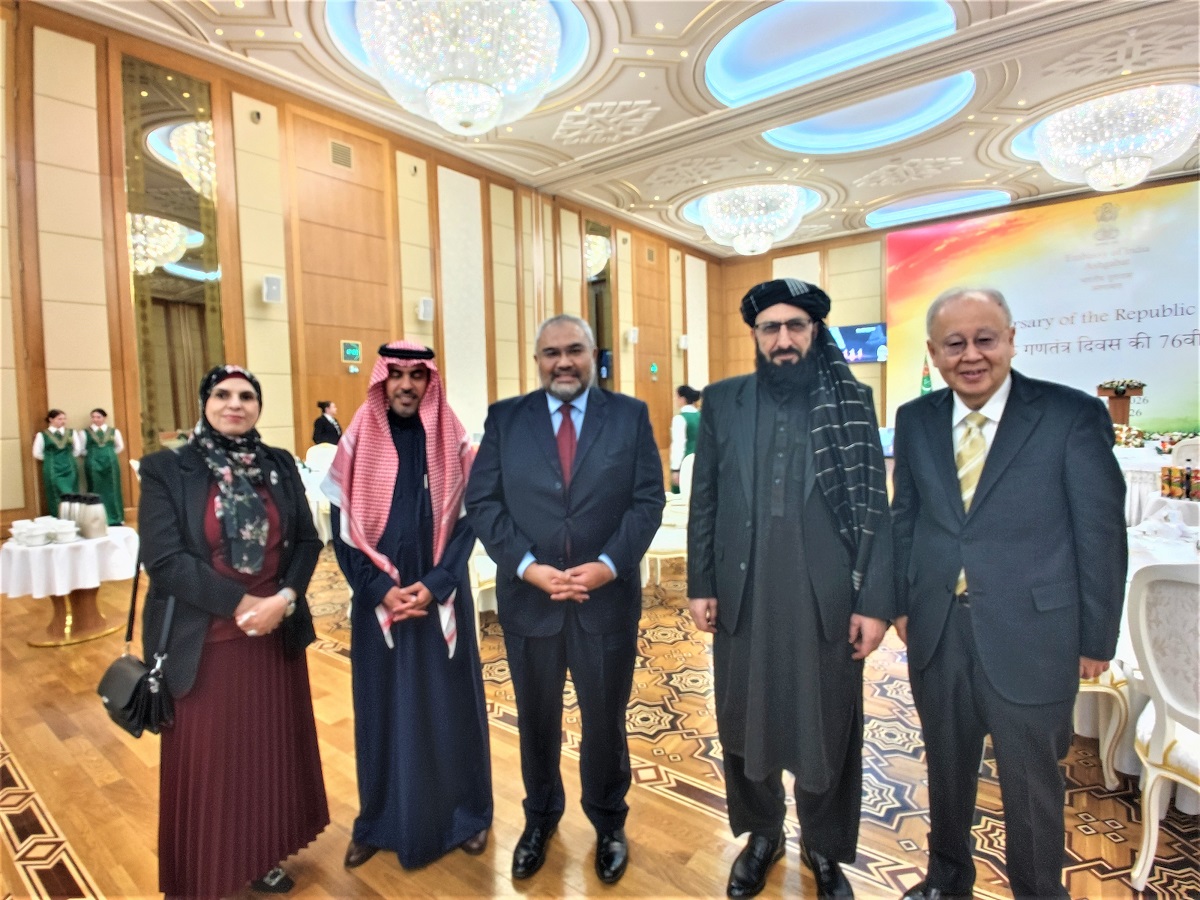
For Turkmen women who have visited India, wearing a sari to such a reception is more than simply following a dress code. It's a profound gesture of respect, a personal love story for a country whose fabrics are as exquisite as its philosophy. When ambassadors in formal suits and women in embroidered pallahs meet in the same room, the boundaries between "us" and "them" are blurred. This is the very "Vasudhaiva Kutumbakam"—the philosophy of a united family—that the Ambassador spoke about in his speech at the reception.
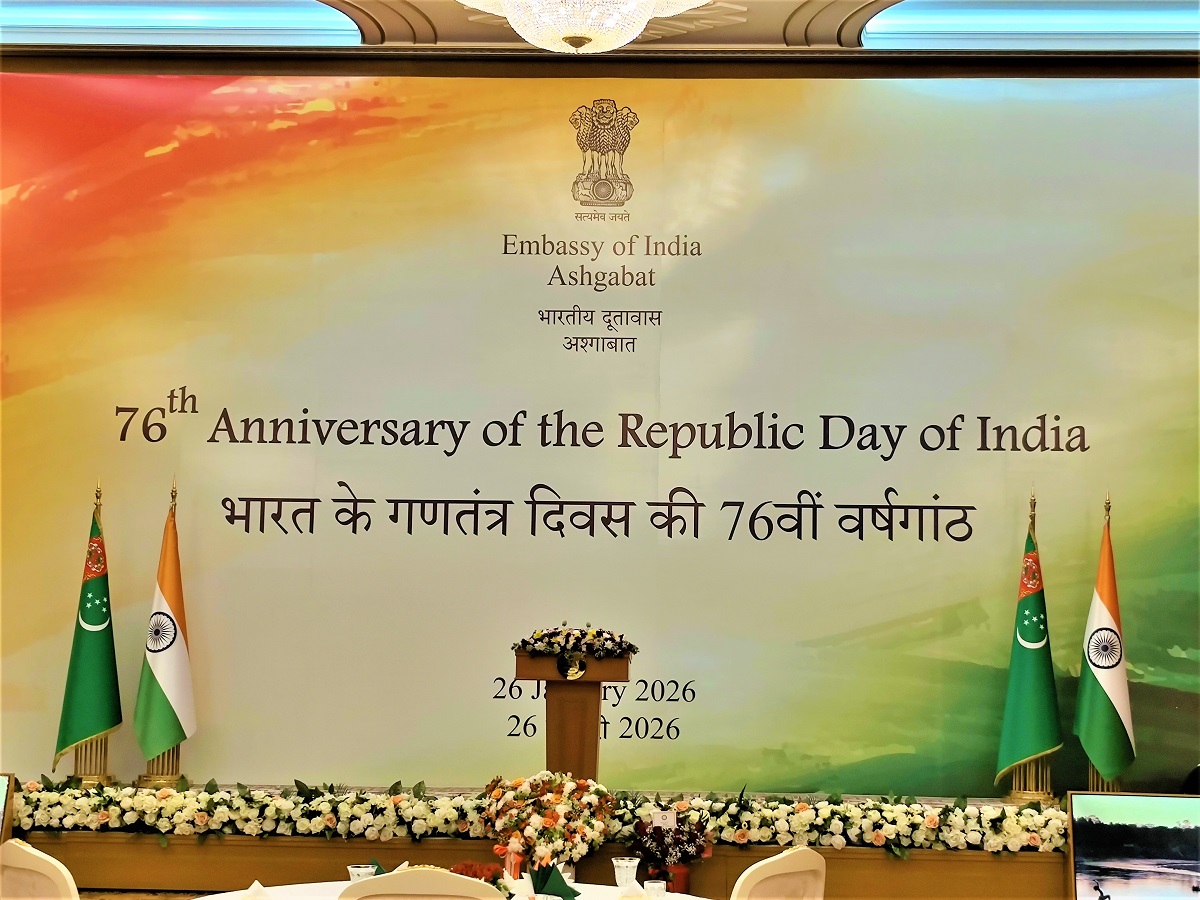
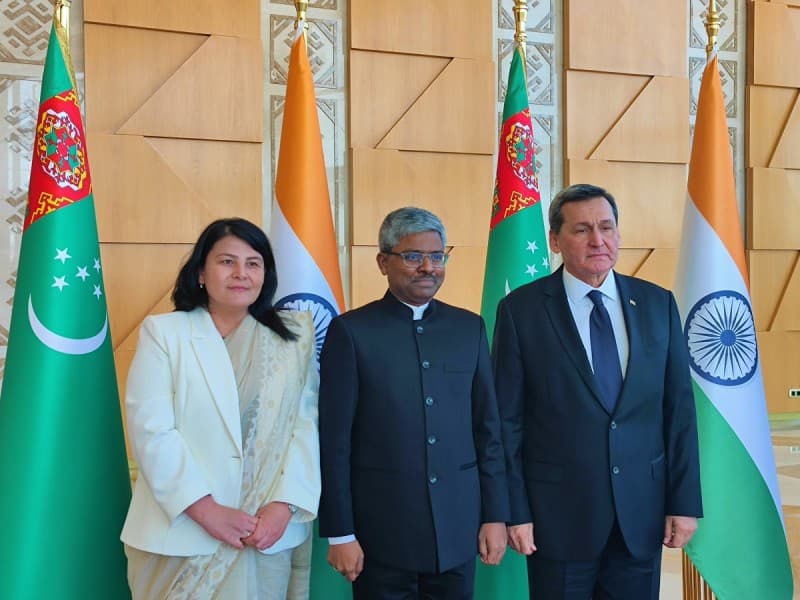
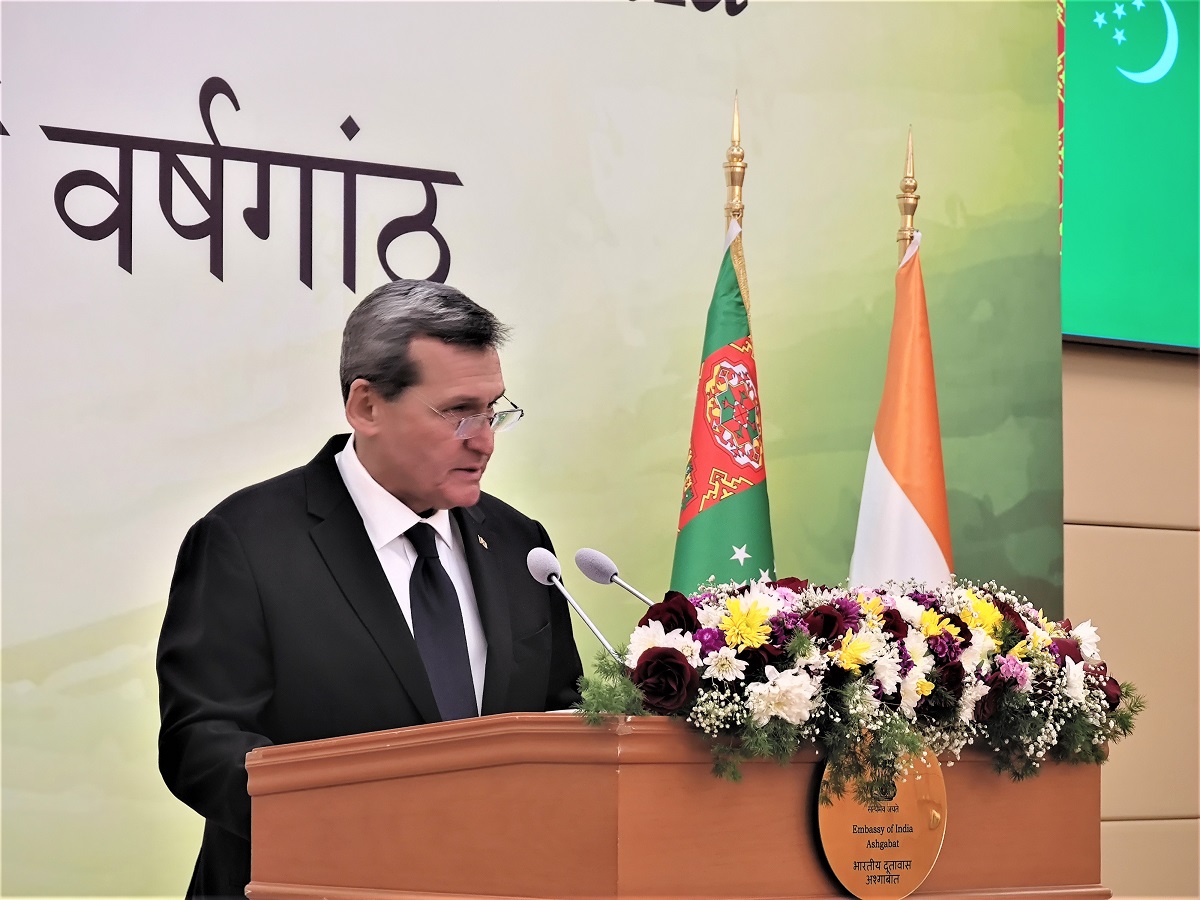
The speeches by the head of the Indian diplomatic mission, Bandaru Wilsonbabu, and Deputy Prime Minister and Minister of Foreign Affairs of Turkmenistan, Rashid Meredov, formed the conceptual framework of the evening. To summarize the remarks from the stage, the leitmotif signifies the transition from "traditional friendship" to "technological union."
The Indian Ambassador conveyed his country's position as one firmly committed to peace but ready to defend its values. His reference to the "extended neighborhood" and "digital public infrastructure" is a clear signal that India is ready to share its greatest treasure of the 21st century—technology—with Turkmenistan.
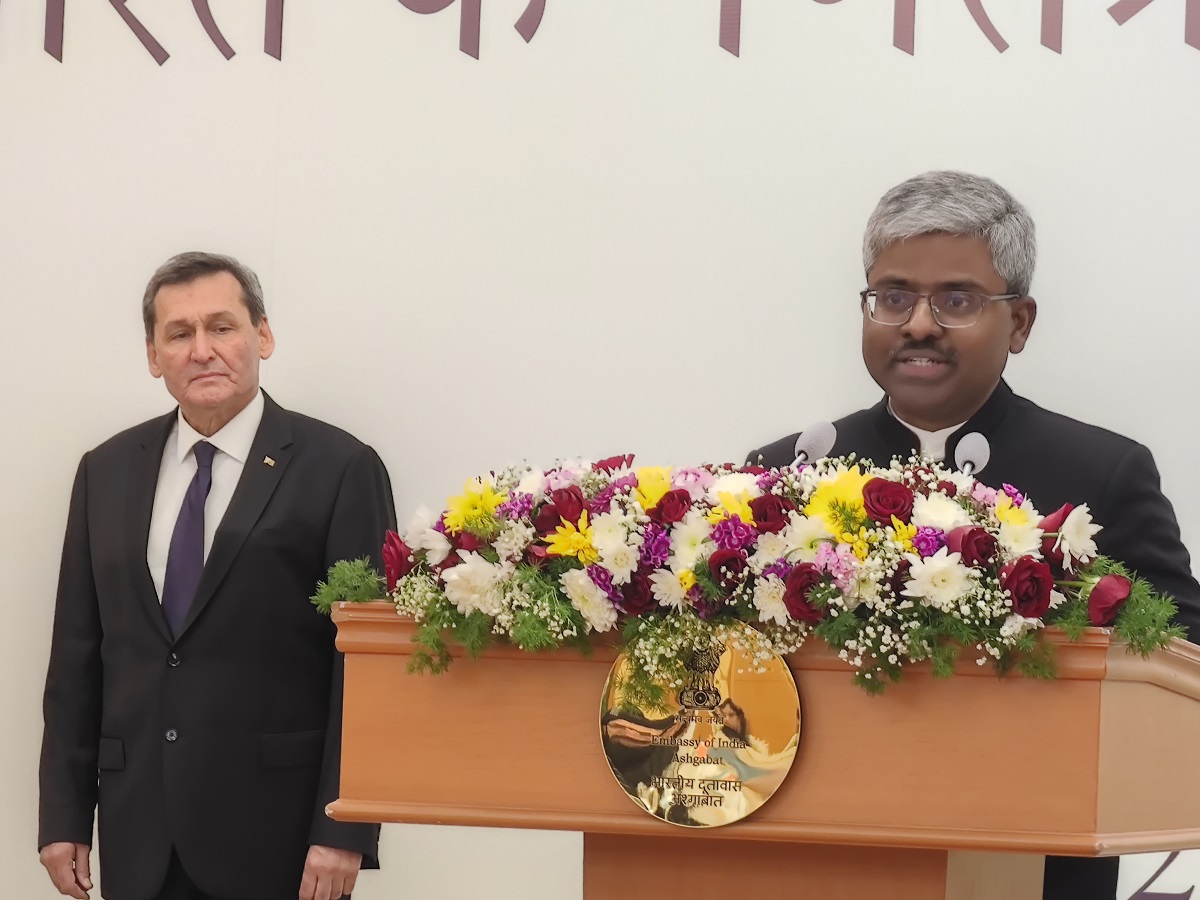
"India considers Turkmenistan a close friend and partner, with whom it shares centuries-old bonds of friendship and people-to-people ties. As a developing country and in line with its 'extended neighborhood' policy, India will continue to share its development expertise and experience with Turkmenistan, particularly in areas such as defense and security, oil and gas, chemicals and fertilizers, healthcare and pharmaceuticals, digital public infrastructure, and capacity building," Bandaru Wilsonbabu said.
Rashid Meredov, conveying congratulations on behalf of President Serdar Berdimuhamedov and National Leader of the Turkmen People Gurbanguly Berdimuhamedov, emphasized civilizational affinity. Particular attention was paid to the development of multilateral cooperation in the Turkmenistan-Afghanistan-Pakistan-India format. This energy hub was called the key to stability and diversification of supplies in the region.
Humanitarian continuity was also emphasized: the monument to Rabindranath Tagore in Ashgabat, erected in 2024, confirmed that our peoples are united not only by geography but also by a common spirit.
Active cooperation has also been established in the field of education, particularly through the Indian Technical and Economic Cooperation (ITEC) program and scholarships offered by the Indian Council for Cultural Relations (ICCR).
"Our countries have sufficient potential to increase mutual trade, investment, and the implementation of joint projects in various sectors, including transport and energy, industry, high technology, healthcare and pharmaceuticals, as well as in a number of other areas," Meredov noted.
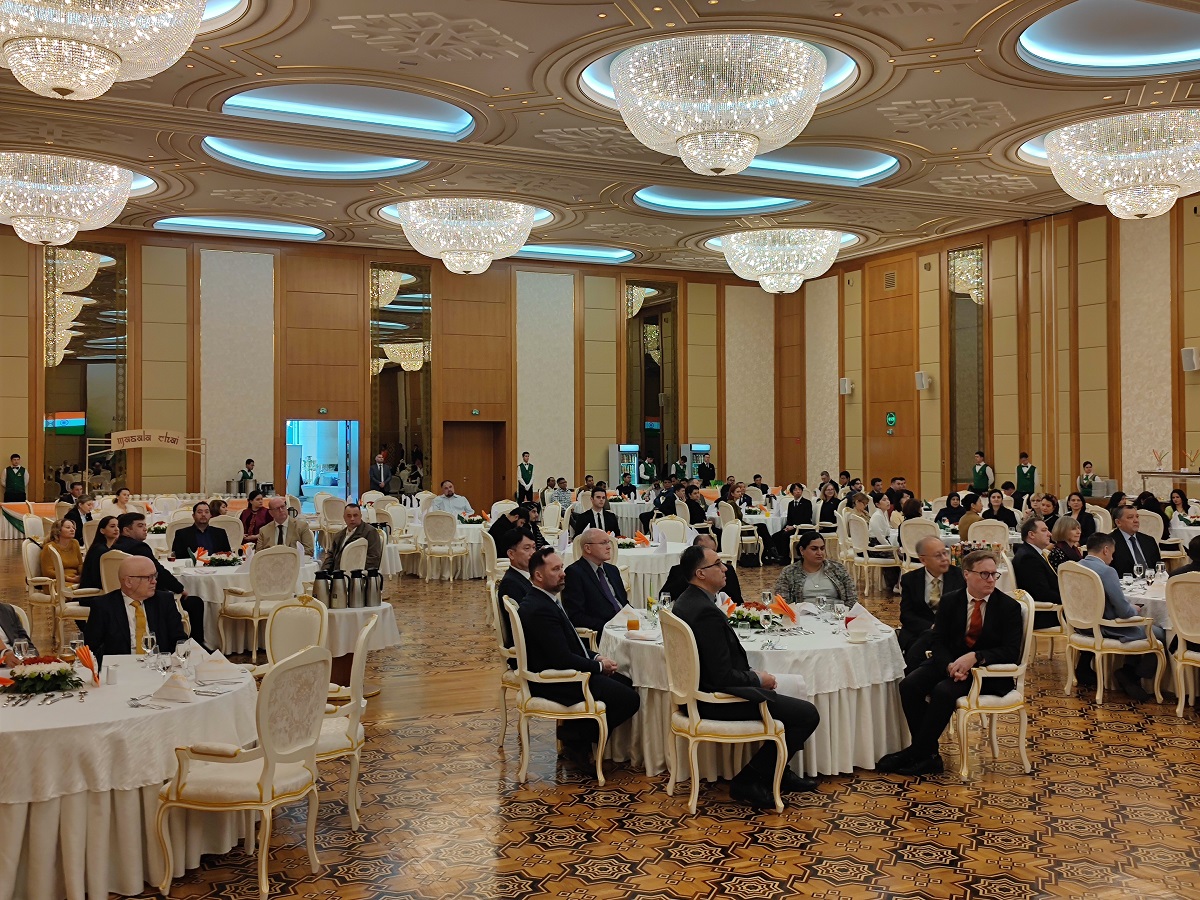
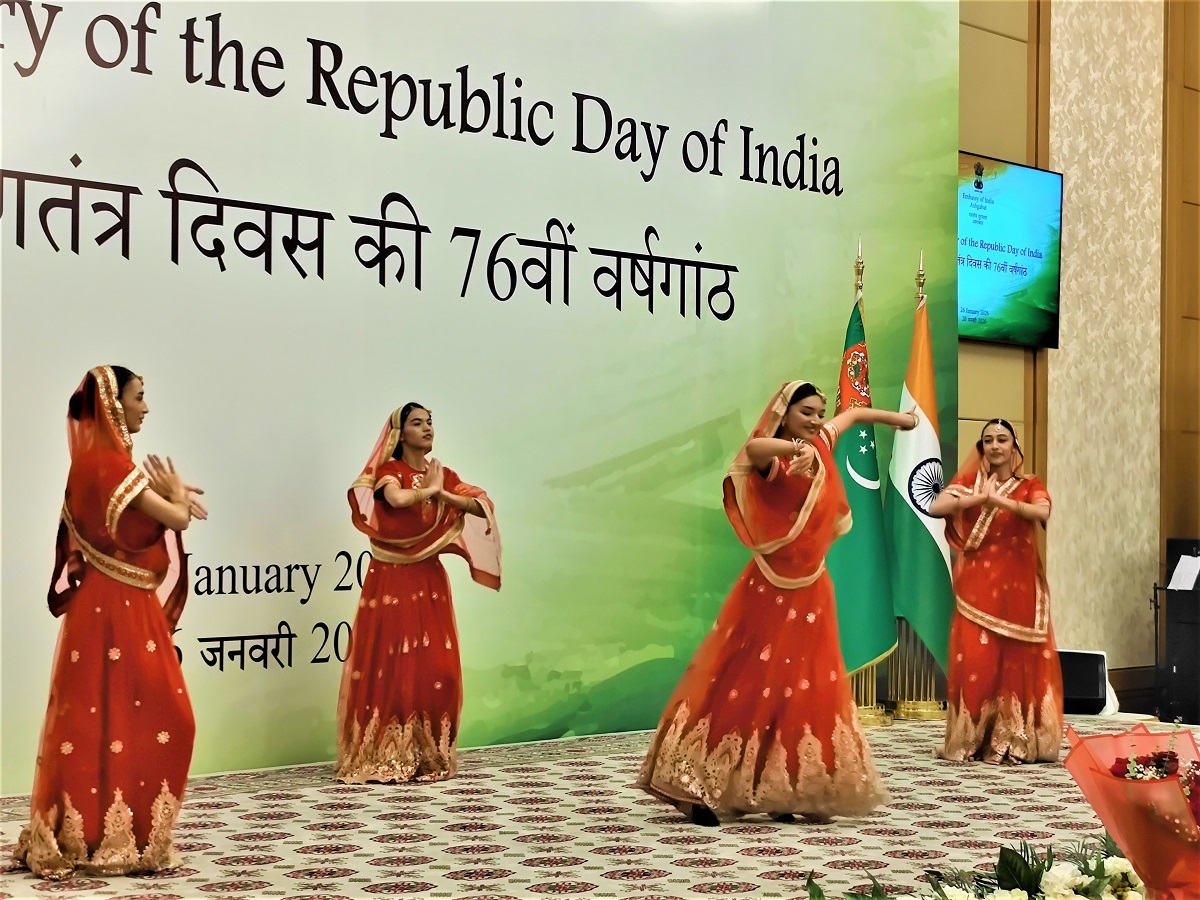
The reception's cultural program served as a visual aid to Indian "love of life." A yoga demonstration reminded guests of balance and composure—qualities essential both in high politics and in everyday life. And energetic dances, in which every hand movement conveyed a coded message, literally vibrated the room with energy.
A culinary touch of India concluded the evening, which began with a businesslike handshake and ended with a sense of kinship.
India and Turkmenistan are today building a bridge from their ancient past to a digital future, where stability is ensured not only by financial wealth but also by intellect, and friendship is cemented not only by signatures but also by shared values.