||
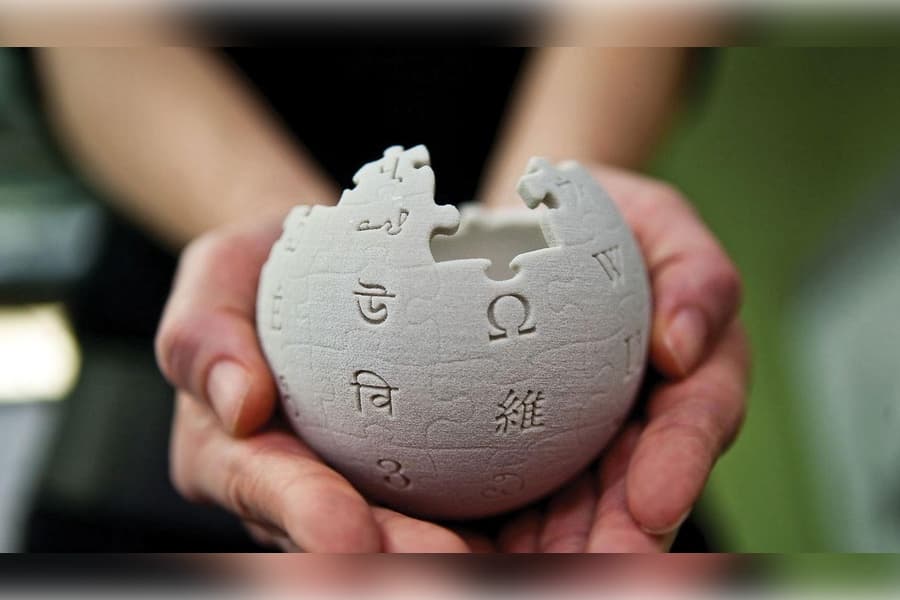
On January 15, Wikipedia celebrated its 25th anniversary. Created in 2001 as a bold experiment, the platform now ranks seventh among the most visited websites in the world. Over a quarter of a century, the online encyclopedia has completely replaced traditional printed editions and has become the main source of knowledge for billions of people.
The history of the project began with a concise entry — “Hello, World!” — made by co-founder Jimmy Wales. In its early days, Wikipedia faced harsh criticism: experts doubted that a resource editable by anyone couldn't be reliable. However, time proved otherwise. Today, the accuracy of scientific articles on the site is comparable to that of authoritative paid publications, and more than 1.5 billion edits have been made throughout its existence.
Currently, the encyclopedia is available in 342 languages. It is the most successful non-profit project in the history of the internet: the site operates exclusively on user donations and fundamentally does not display advertising. Wikipedia’s data have become so reliable that even search engines use them to generate instant answers to user queries.
For millions of people, Wikipedia has become an indispensable assistant. Despite the human factor and editorial disputes, the project has built a unique fact-checking system. Today, it is not just a website, but a global public asset that allows every person on the planet to access humanity’s accumulated knowledge free of charge.
ORIENT




 Chinese New Year