||
Researchers from Hanbat and Kongju Universities in South Korea have introduced an innovative material — transparent wood — which could revolutionize the construction of smart homes. The new material is based on lightweight balsa wood impregnated with special liquid crystals. The resulting material combines the light-transmitting properties of glass with the high strength of natural wood.
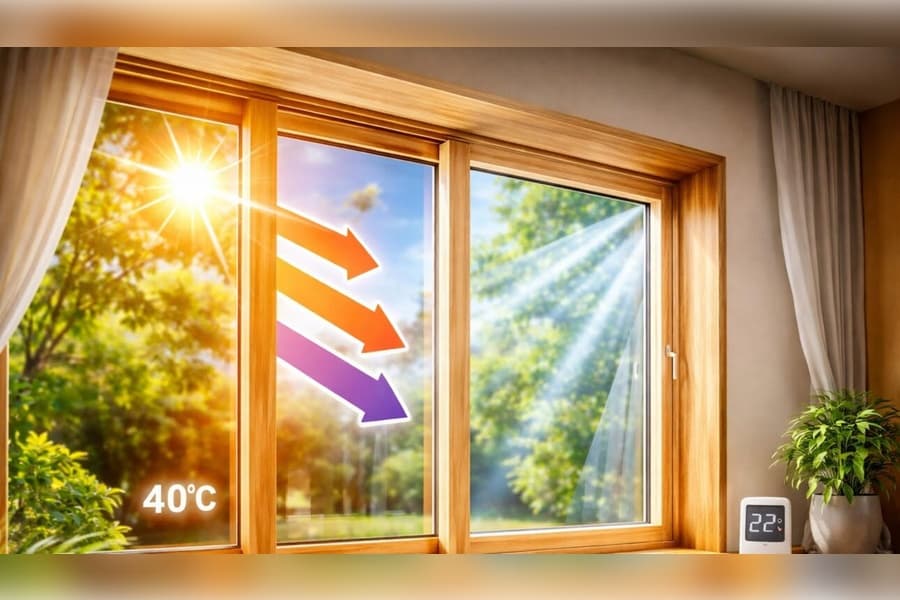
The main advantage of this development is its ability to automatically change transparency depending on ambient temperature without using electricity. When heated up to 40°C, the material becomes up to 78% transparent, allowing maximum light to pass through.
In cooler conditions, this figure drops to 28%, creating additional comfort and privacy during evening hours. In addition, the wood blocks 100% of harmful ultraviolet radiation, protecting human health and preventing interior fading.
The energy efficiency of the new material is five times higher than that of conventional glass. Its low thermal conductivity helps retain heat during winter and keep interiors cool in summer. This can significantly reduce heating and air-conditioning costs for homeowners.
The application of the development is not limited to building windows. Scientists plan to use transparent wood in greenhouses to maintain a stable microclimate, as well as in the medical field. For example, it could be used to create smart bandages that change transparency when body temperature rises, signaling inflammation.
This technology makes housing more environmentally friendly and functional while addressing safety and resource-saving challenges.
ORIENT




 Chinese New Year