||




 Chinese New Year
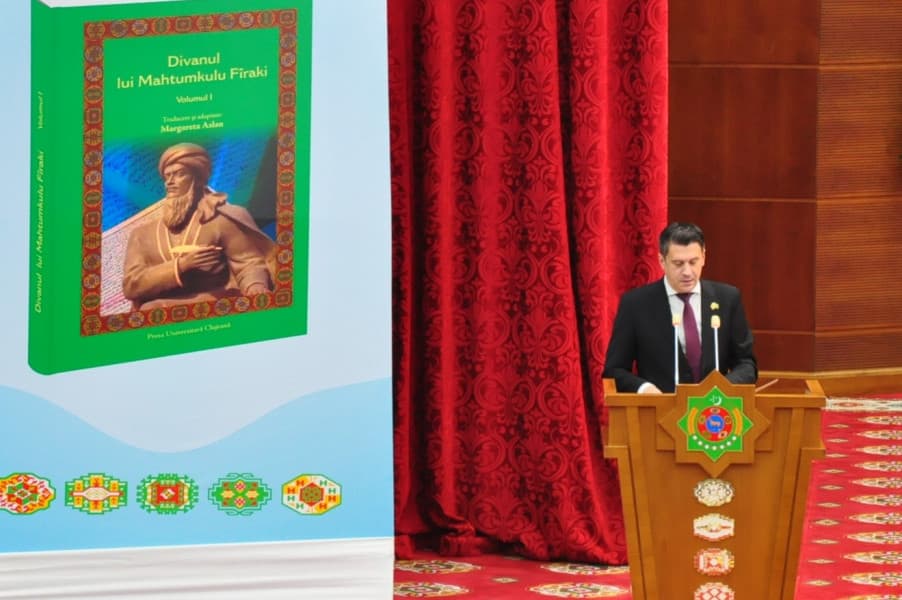
Ashgabat, January 8 | ORIENT. A presentation was held at the Institute of International Relations of the Ministry of Foreign Affairs of Turkmenistan, officially cementing the presence of Turkmen classics in Romanian cultural space. Magtymguly Fragi's new collection of poems, translated into Romanian, has become more than just a book, but a tool of soft power and public diplomacy.
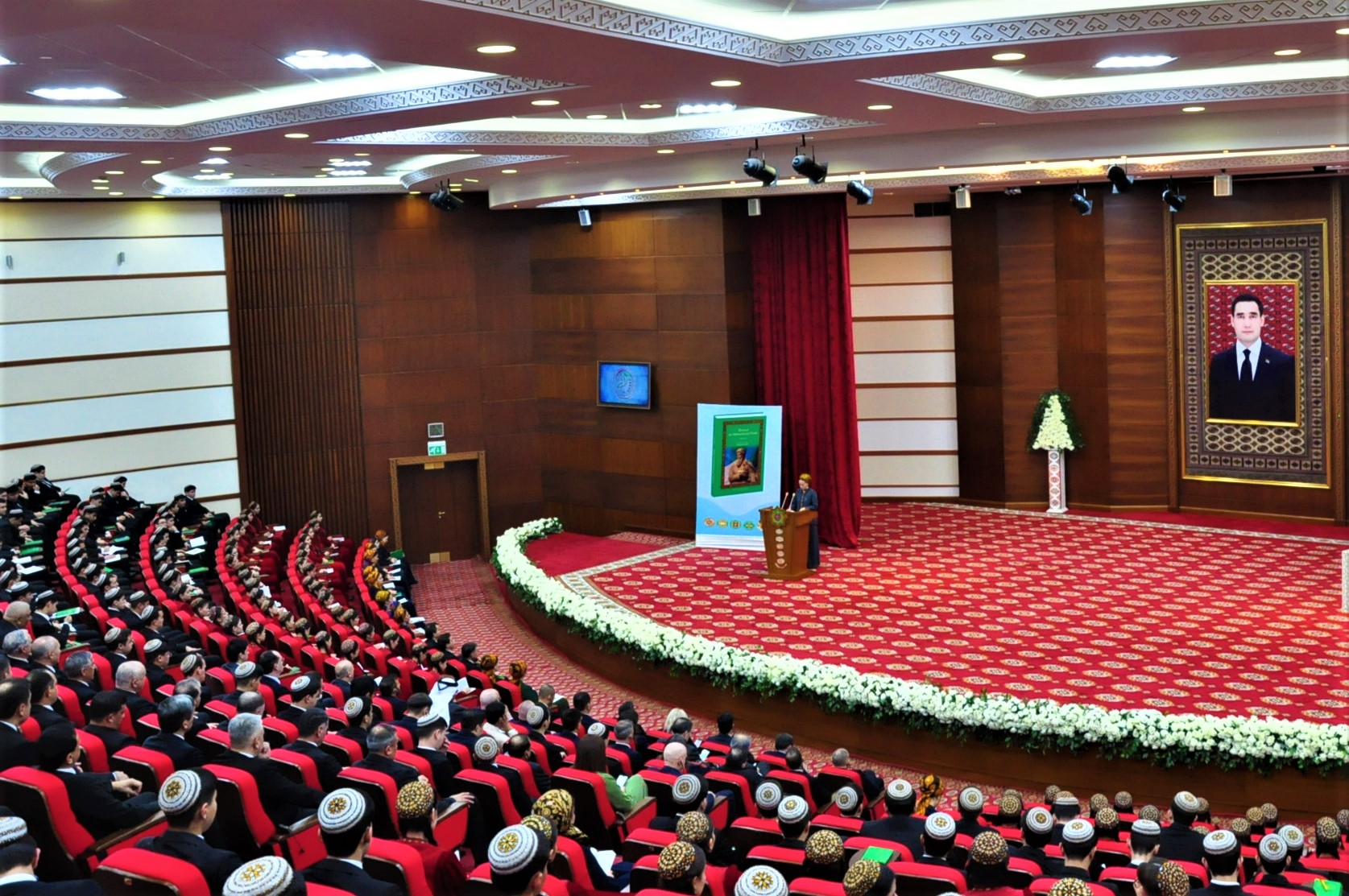
Translating poetry of this magnitude is a highly complex intellectual undertaking. The fact that Magtymguly's poems are now available in the language of the great poet Mihai Eminescu opens the way to the hearts of millions of readers in Southeastern Europe. Magtymguly Fragi's collection of poems was translated by the Center for Turkology at Babes-Bolyai University in Romania.
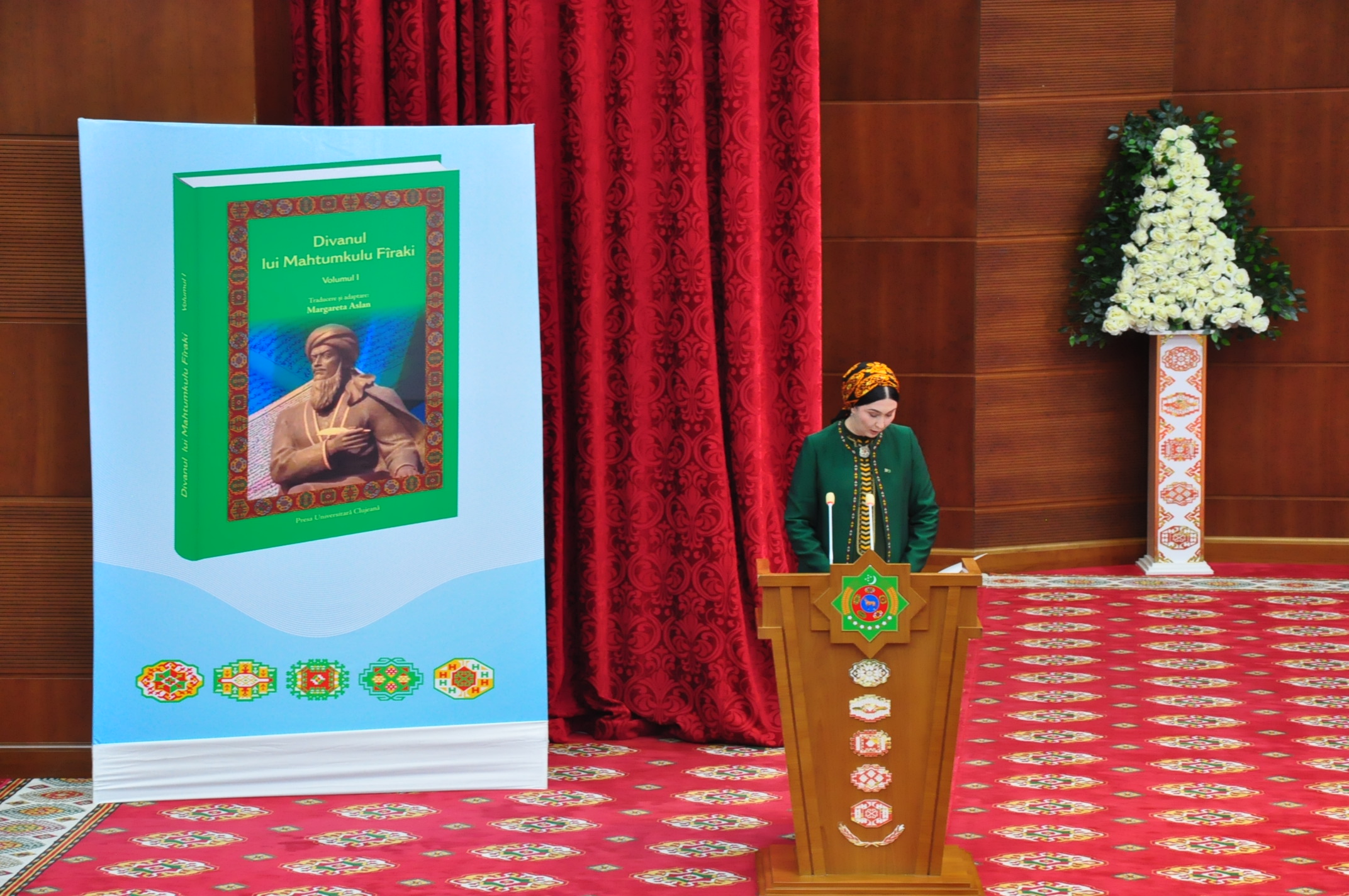
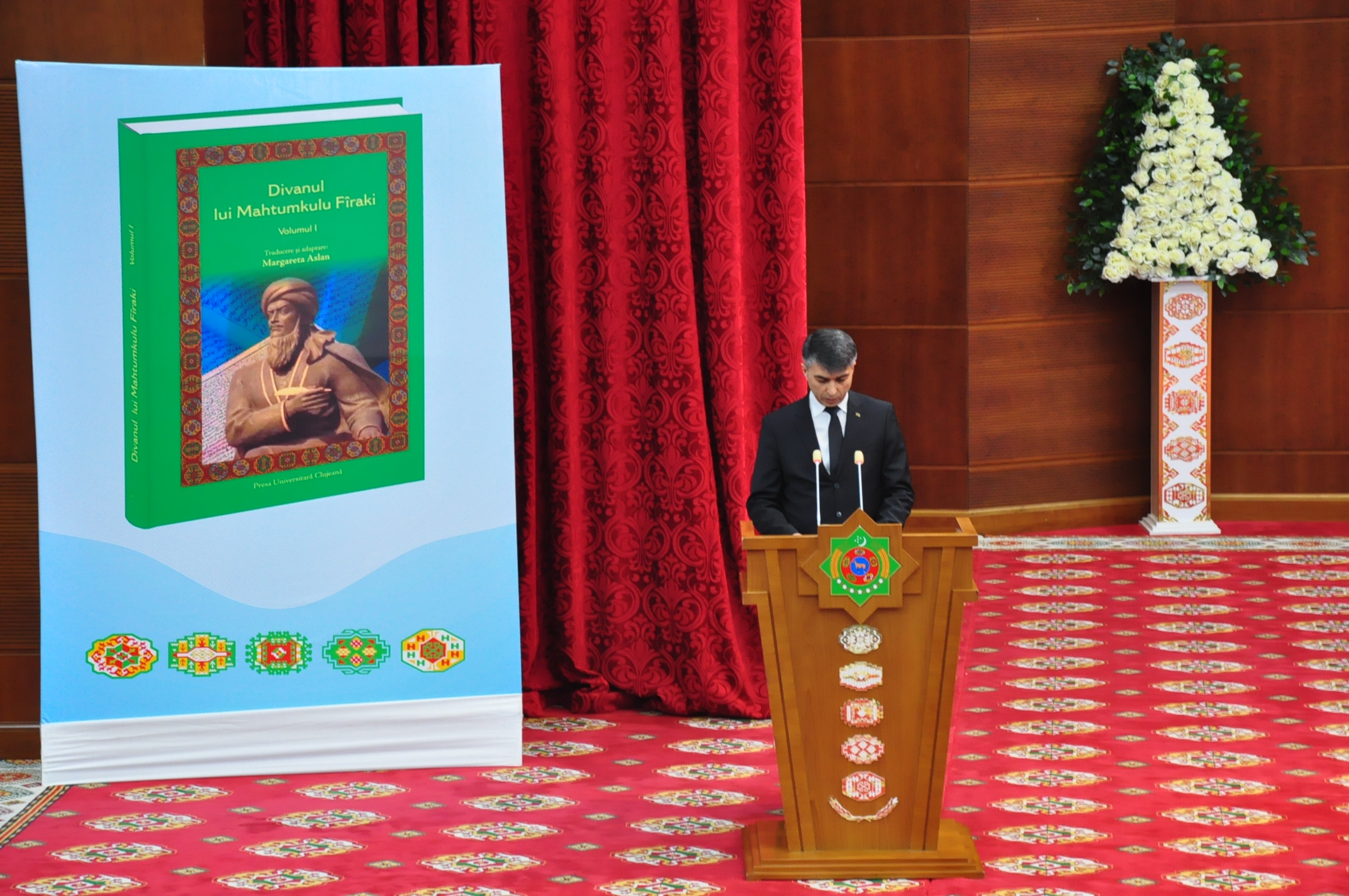
Deputy Minister of Foreign Affairs of Turkmenistan Myahri Byashimova and Ambassador of Romania Ion Naval emphasized that such projects are the best foundation for interstate trust. When countries understand each other's poetry, it is much easier for them to reach economic and political agreements.
The scholars and diplomats who spoke noted that Magtymguly's values—humanism, patriotism, and peaceful coexistence—are more relevant in Europe and around the world today than ever before.
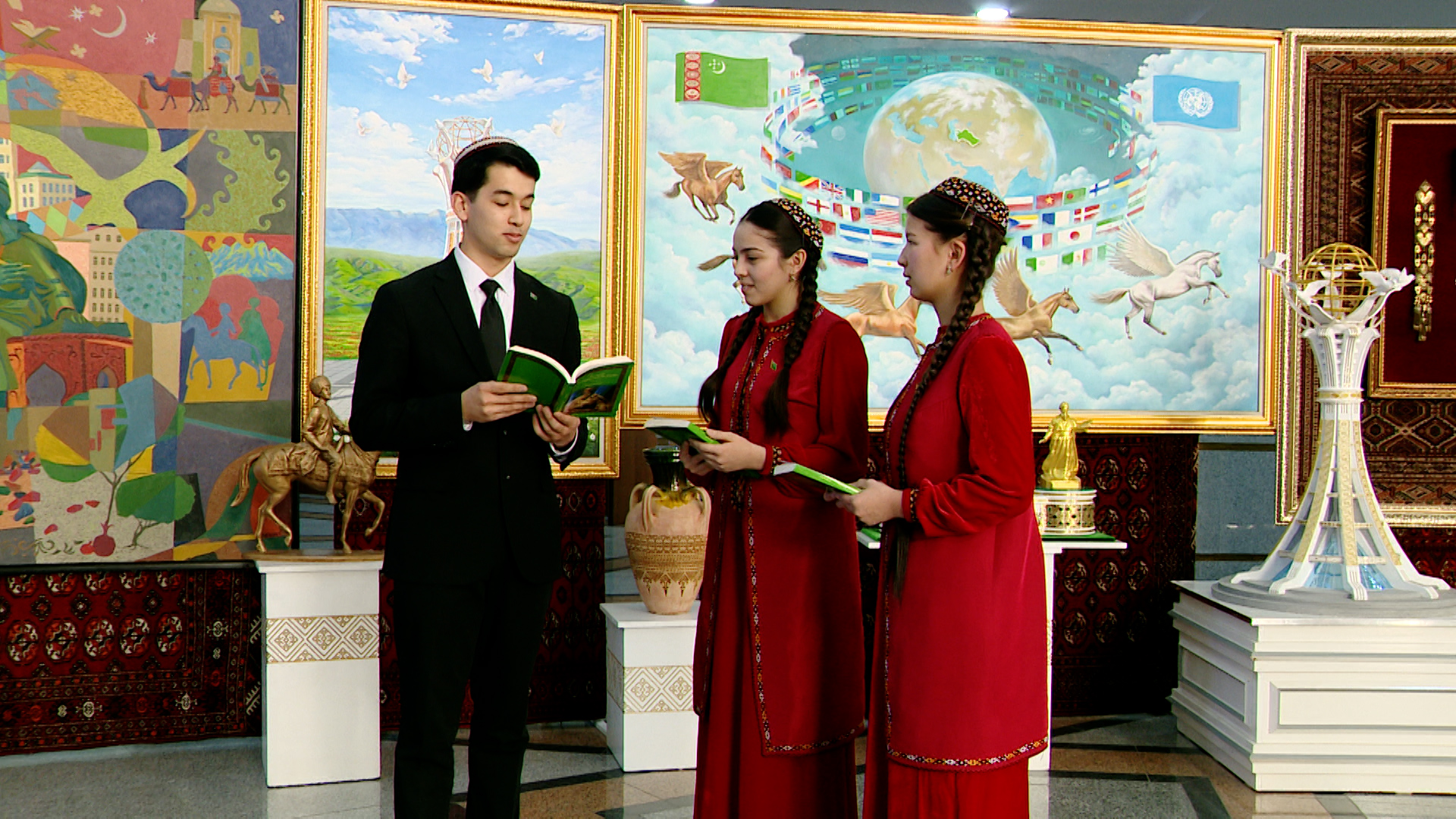
It is symbolic that the presentation took place at the Institute of International Relations of the Ministry of Foreign Affairs, where future diplomats are trained. For students, this is a clear lesson in how literature helps build bridges and connections. Incidentally, the Higher School of Diplomacy of Turkmenistan has previously hosted presentations of Magtymguly's poetry collections translated into Georgian, Uzbek, Kyrgyz, Armenian, and Italian.
Romania is an important partner for Turkmenistan in the EU, particularly in the context of developing the Caspian Sea-Black Sea transport corridor. The fact that political rapprochement is underpinned by such a strong cultural foundation speaks to the long-term and sincere intentions of the two countries. Now, Romanian intellectuals will be able to see for themselves why Magtymguly is called the "conscience of the East."