



January 2 | ORIENT. The beginning of a new year always brings expectations of renewal and hope for the best. This is especially important for 2026, as the previous year was filled with global events and economic and geopolitical challenges.
Under the current circumstances, three leading powers—the US, Russia, and China—continue to be the main centers of power, determining the vectors of global politics.
What will the year we entered at midnight on December 31 be like?
A Year of Hope and Change
New Year's addresses from world leaders are not just words of greeting and good wishes, but also a reflection of the priorities, values, and strategic aspirations that shape the domestic and foreign policies of each state.
It is important for readers to understand the trends these messages convey and how they help them understand the global processes that will influence the lives of every country and every person in 2026.
This publication is based on the New Year's addresses of Russian President Vladimir Putin and Chinese President Xi Jinping, published in official media, as well as US President Donald Trump's answers to journalists' questions at his New Year's celebration at his Mar a Lago residence in Florida.
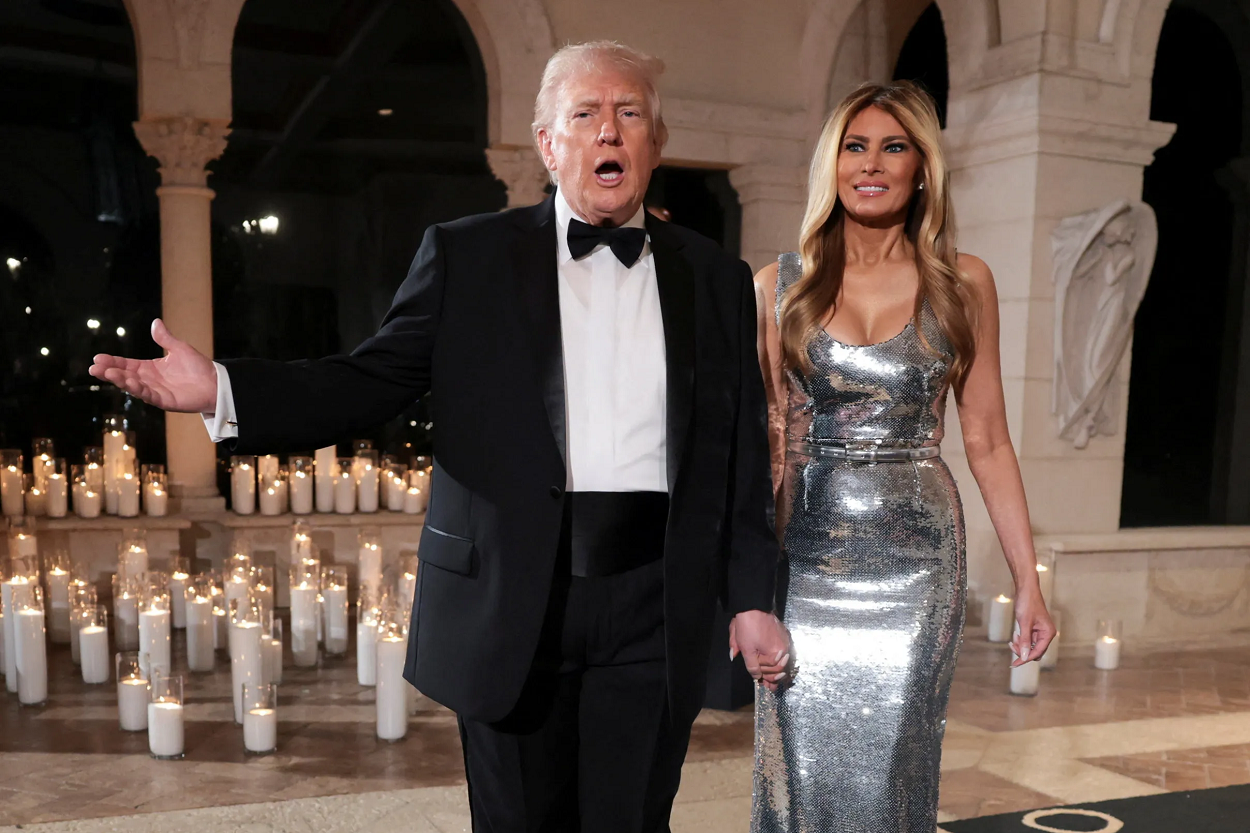
USA: Peace and Confidence
President Trump's New Year's message from his Mar a Lago residence centers on the ideas of peace and confidence in the strength of his country. The central message of the address—"Peace on Earth"—is simultaneously a symbol of optimism and the strategic position of the United States.
Trump emphasizes the importance of America's role as a guarantor of global stability. At the same time, the message remains vibrant and accessible, aimed at a broad audience, including not only US citizens but also the global community.
Domestically, Trump emphasizes the strength and cohesion of society, the need to maintain leadership and readiness to act in the face of global challenges.
For the reader, this address can serve as a signal that the United States sees its place in the world as both an active peacemaker and a guarantor of its own security. A distinctive feature of the speech is its emotional accessibility: Trump strives to create a sense of personal dialogue with each listener, combining optimism with a firm confidence in his strategic priorities.
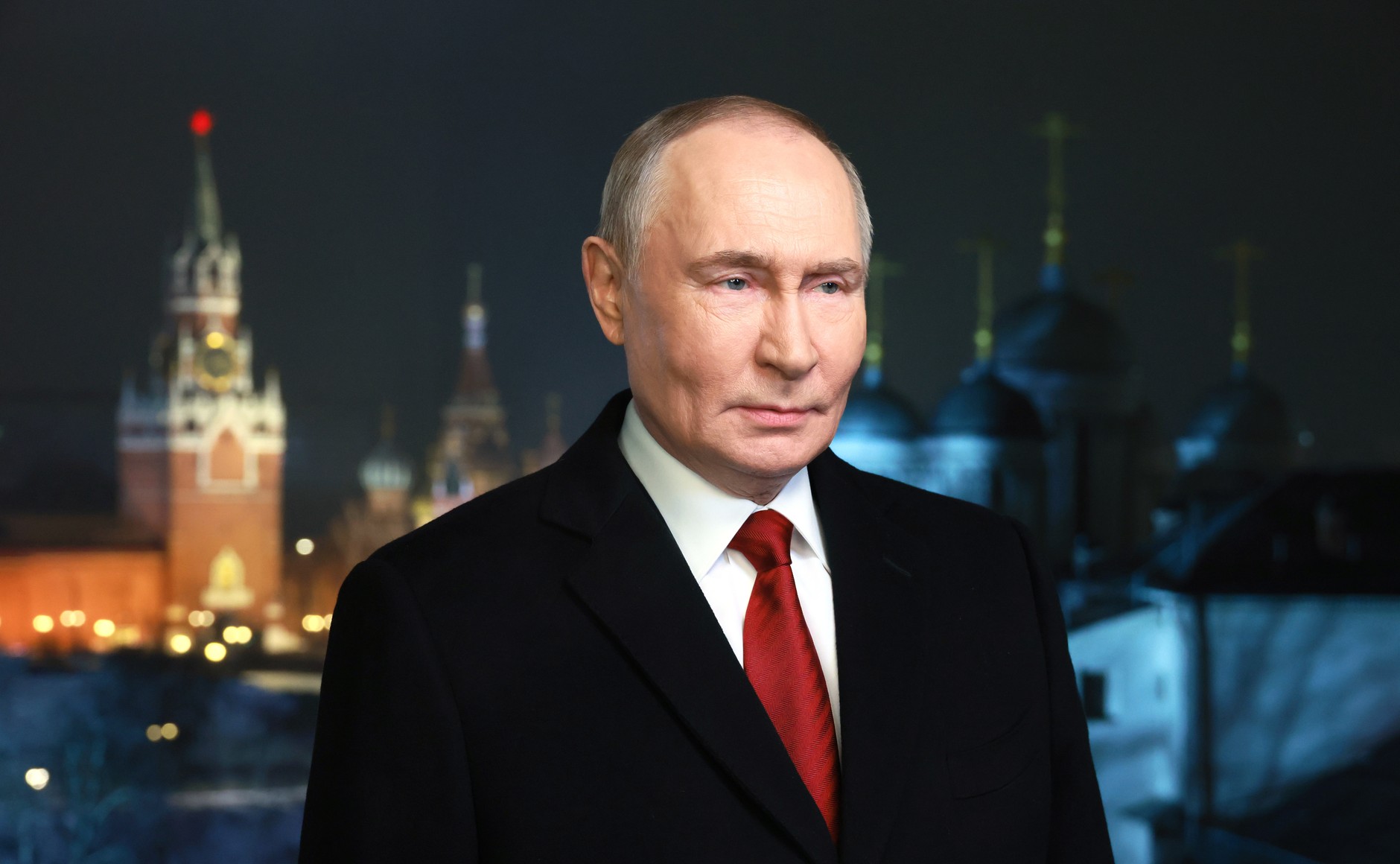
Russia: Unity and Stability
Vladimir Putin's New Year's speech is distinguished by its traditional formality and focus on internal societal cohesion.
The main theme is faith in the country and the responsibility of each citizen for its future. Putin emphasizes moral resilience, support for families, military personnel, and social institutions.
The address places special emphasis on preserving national traditions and cultural values, which, according to the Russian President, form the spiritual foundation of the country and help overcome difficulties.
For readers, this address conveys an image of Russia as a stable and cohesive society, ready to work together to achieve common goals. The Russian leader's speech once again affirms that internal unity is the foundation of national strength and a means of ensuring the well-being of citizens in the face of external and internal challenges.

China: Development and Cooperation
Xi Jinping's New Year address combines a review of the country's achievements in 2025 with a vision for 2026. The primary focus is on economic and technological development, social stability, and international cooperation.
The speech highlights the completion of the 14th Five-Year Plan and the beginning of the 15th, outlining new goals for reform, innovation, and global cooperation.
Xi Jinping addresses both domestic and international audiences, demonstrating China's confidence in sustainable development and an active role in global affairs.
It is important for the reader to understand that China sees its future as integrating national progress with international openness, emphasizing that domestic success is directly linked to international cooperation.
The speech is strategic in nature, while simultaneously reflecting pragmatism and a long-term perspective.
Comparing Approaches
Comparing the three addresses, one can see that the leaders of the world powers demonstrate confidence in the future, but do so through different lenses.
The United States focuses on global challenges and the country's role in ensuring peace.
Russia emphasizes internal cohesion, national resilience, and spiritual values.
China integrates development, innovation, and international cooperation, demonstrating that national development cannot be separated from global processes.
All three addresses by the leaders of the world powers demonstrate a desire to ensure stability, the well-being of their citizens, and strengthen their countries' positions on the global stage.
Each reflects its own chosen path, but together they provide a comprehensive understanding of the trends that will shape the world in 2026.
What's Important for the Reader?
The New Year's addresses from the leaders of the United States, Russia, and China are more than just celebratory words. They provide strategic guidance and help a broad audience understand their countries' priorities and their impact on global processes.
The United States demonstrates confidence and a peacekeeping role, Russia demonstrates internal stability and societal cohesion, and China demonstrates development, innovation, and openness to cooperation.
Understanding these messages allows the reader to discern the values and directions that will shape global politics, how resources will be allocated, and how countries will respond to the challenges and opportunities of 2026.
These addresses serve as a compass, helping to navigate the global landscape and understand that each country's strategic role is closely linked to its internal stability and ability to actively engage in the international arena.
Bekdurdy AMANSARYEV,
Center for Strategic Studies, Institute of International Relations, Ministry of Foreign Affairs of Turkmenistan
