We are guided by what unites people




News
Articles
Media
Announcement
Technology
About Us
Contacts
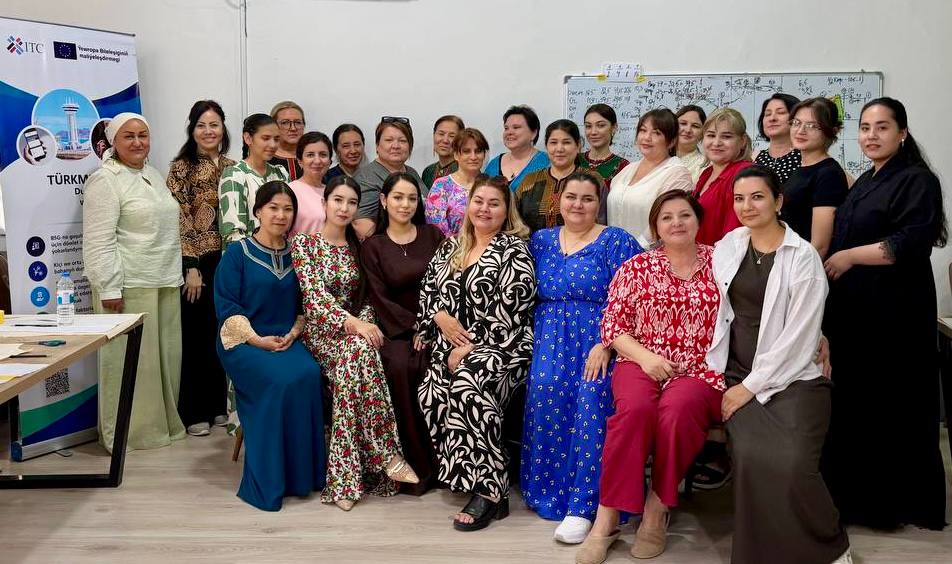
In Turkmenistan, the private light industry is adopting international standards for the design and production of ready-to-wear garments. As part of the large-scale project "Turkmenistan: Trade Sustainability and Integration," funded by the European Union, the International Trade Centre (ITC) launched a series of practical training sessions in the country's regions, covering garment factories and design studios in Turkmenabat and Balkanabat. This initiative is designed to radically improve the competitiveness of domestic small and medium-sized businesses (SMEs) in anticipation of the country's integration into the global trading system.
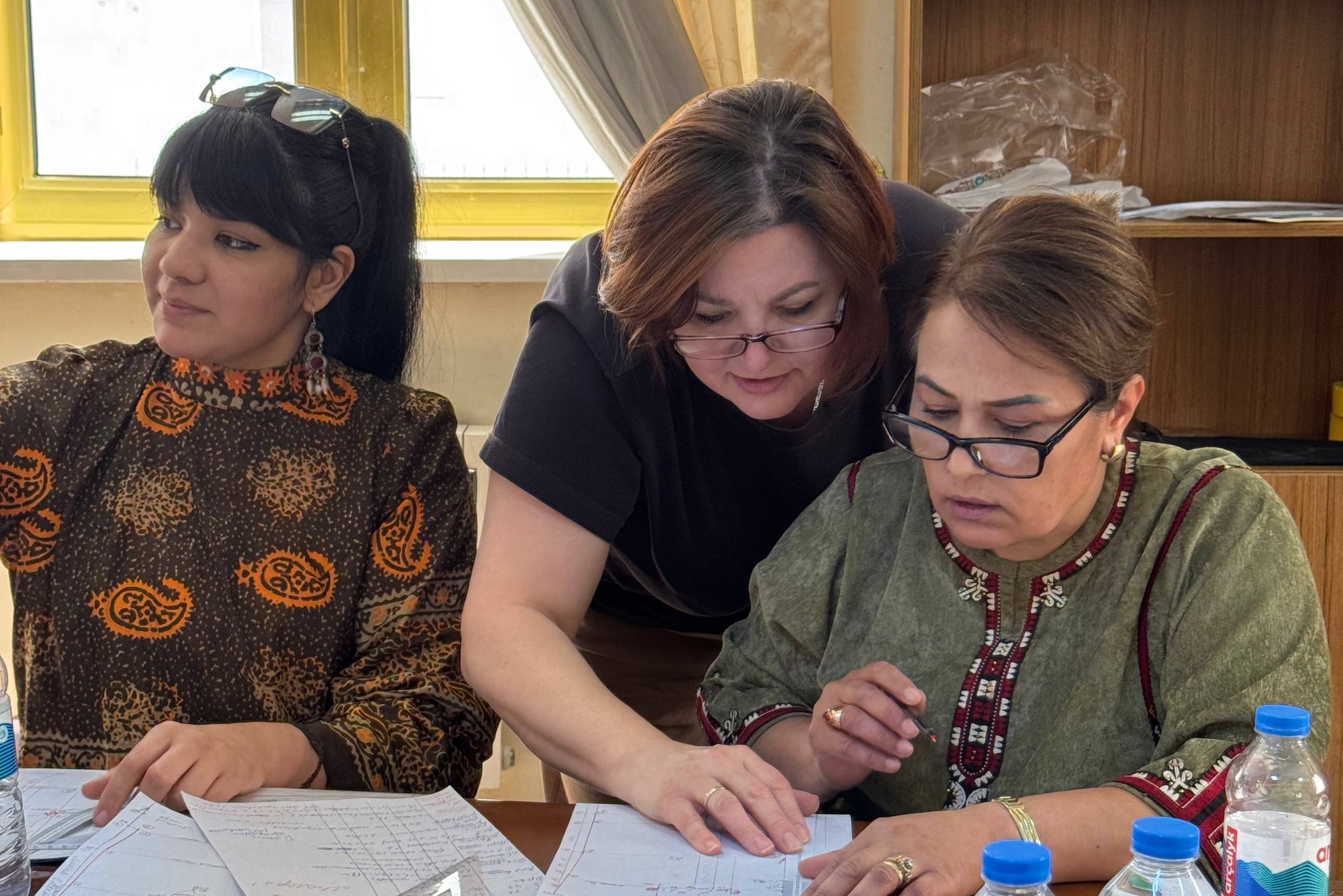
The transfer of ITC training programs from the capital to the regions reflects the strategic focus on decentralization and strengthening the production potential of the velayats. Practical courses, conducted under the guidance of ITC national consultants, focused on eliminating systemic technological barriers facing local manufacturers. Specifically, entrepreneurs and designers learned advanced European methods for precise anthropometric modeling, constructing complex patterns, and eliminating fit defects in finished garments. Adopting these standards will enable regional brands to create high-quality ready-to-wear products capable of successfully competing with foreign counterparts both domestically and internationally.
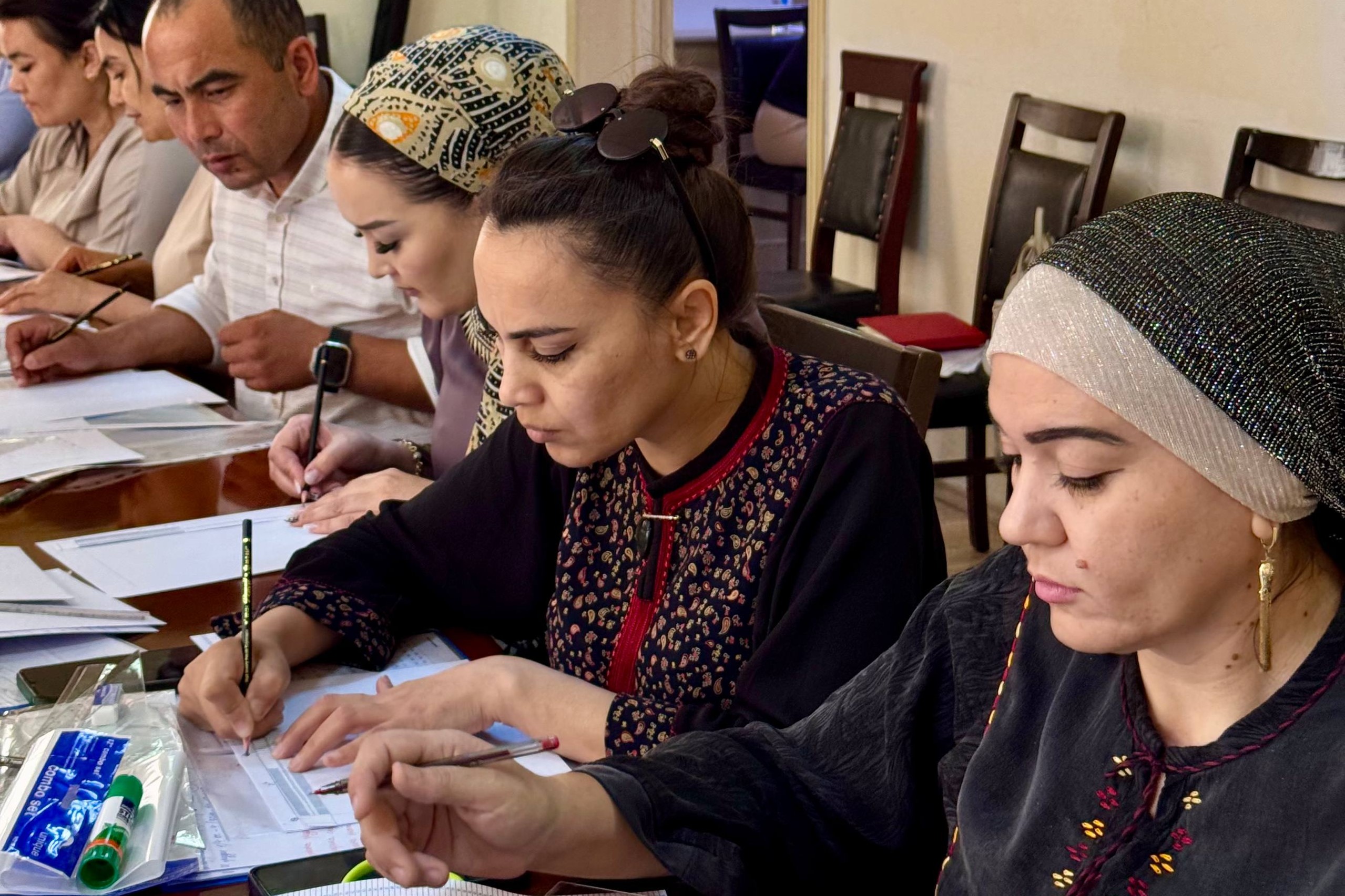
Experts emphasize that the ITC's systematic work to modernize Turkmenistan's garment sector is directly linked to the country's preparation for accession to the World Trade Organization (WTO). Improving the skills of local designers and tailors, as well as introducing modern digital and engineering approaches to clothing production, are viewed as crucial tools for diversifying the national economy. Raising the quality of private textile brands to EU standards opens up direct opportunities for Turkmen manufacturers to enter premium European and global markets, ensuring sustainable economic development and the creation of new high-tech jobs in the regions.