||
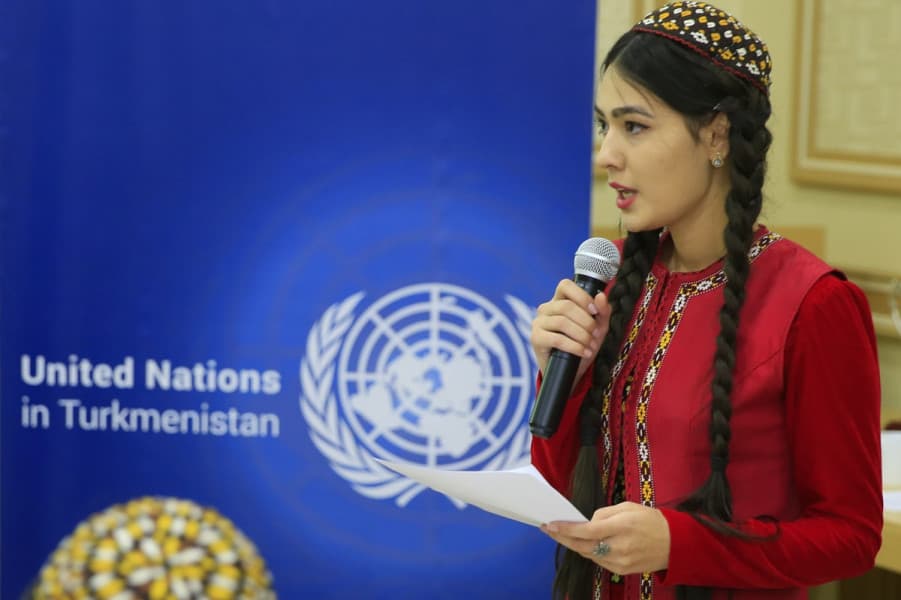
ASHGABAT | ORIENT. UN Resident Coordinator in Turkmenistan Dmitry Shlapachenko presented a final review of the partnership for 2025. This year marks not only the completion of another five-year plan but also the launch of new ambitious programs through 2030.
ORIENT presents the highlights of the report: from digital diplomacy to VR technologies in ecology.
1. Legal "Reset": Updating the National Code
2025 was marked by the preparation of the legislative framework for the new era. Turkmenistan, together with UN agencies, developed a package of roadmaps for 2026–2030:
Human Rights and Gender Equality. New national action plans have been launched, including the creation of a dedicated Department for Women's and Children's Rights within the Ombudsman's Office.
Inclusiveness. A full audit of legislation for compliance with the Convention on the Rights of Persons with Disabilities has been conducted.
Digital Democracy. A draft Law on the Unified Voter Registry has been prepared, and an electronic library of legal resources has been created.
2. Borderless Economy: The WTO and Digital Corridors
The economic section of the report documents Turkmenistan's transformation into a technological hub of Eurasia:
Trade Breakthrough: The introduction of electronic consignment notes in accordance with UN standards in the Kazakhstan–Turkmenistan–Iran (KTI) corridor marked the transition to seamless digital transportation.
Focus on the WTO: An analysis of the Tax Code was conducted, marking an important step toward joining the World Trade Organization.
Investing in the SDGs: The Ashgabat Investment Forum 2025 focused on green finance and support for small businesses.
3. Ecology: VR Science and a Million Hectares of Forests
Turkmenistan has moved from climate change discussions to the implementation of high technologies:
Methane Strategy: A 10-year roadmap for reducing emissions and developing renewable energy has been approved.
Nature Revival: More than 1,000,000 hectares of land have been restored in the Aral Sea basin, including the regeneration of unique tugai forests.
UNESCO Innovations: VR tools (virtual reality) have been introduced to forecast water resources, allowing scientists to interactively model glacier melting.
4. Social Shield: Digital Health and Mobile Medicine
The main focus of the year was access to quality care anywhere in the country:
Electronic Medicine: The implementation of ICD-11 and the development of an interface for digital medical records have begun.
New protection standards: The hexavalent vaccine and HPV protection have been added to the national immunization schedule.
Energy Independence: Hospitals in remote areas are equipped with solar power systems, and IOM mobile clinics have provided assistance to more than 4,000 rural residents.
5. Human Capital: Green Schools and AI Skills
Education 2025 is the answer to the challenges of the future:
Coursera for Youth: Over 700 Turkmen citizens have completed training in AI (artificial intelligence), blockchain, and entrepreneurship.
E-Government: Civil servants have completed training in cybersecurity and the X-Road system based on Estonian experience.
Young Diplomacy: Ashgabat has become a regional training platform for climate negotiations and preventive diplomacy.
Entering 2026
As Dmitry Shlapachenko notes, Turkmenistan and the UN are entering a new cycle of cooperation (2026–2030). Ahead lies the implementation of the Avaza Action Plan, the Decade of Sustainable Transport, and new inclusive projects that will translate global resolutions into tangible results for every citizen of the country.
A detailed report by the UN Resident Coordinator in Turkmenistan, Dmitry Shlapachenko, "Promoting the Principles of Peace, Trust, and Sustainable Development: The UN-Turkmenistan Partnership in 2025," is available on the official website of the UN Office in Turkmenistan at this link.




 Chinese New Year