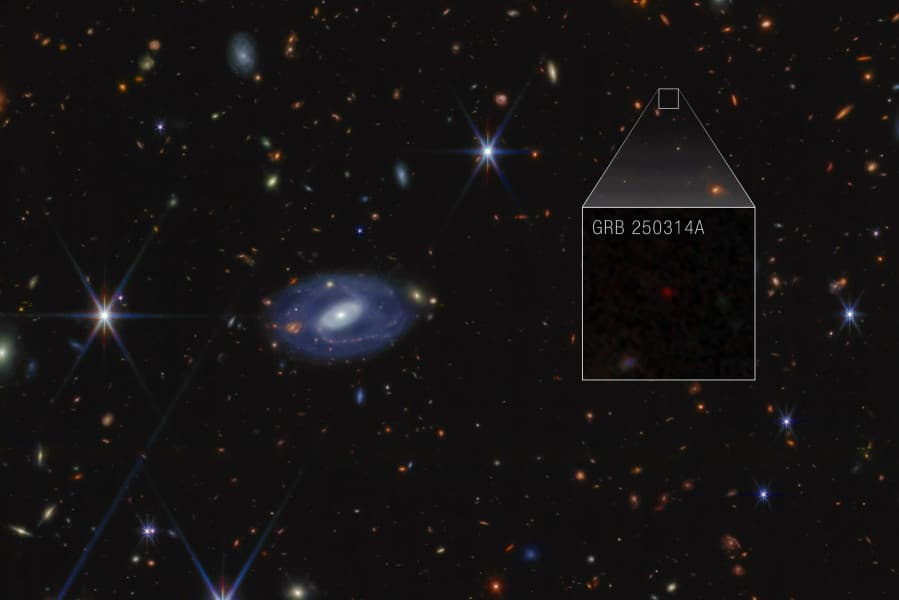



The James Webb Space Telescope (JWST) made a fundamental discovery, officially confirmed in the final days of the year. Astronomers have discovered the most distant and ancient supernova ever recorded.
The light from this colossal outburst, designated GRB 250314A, took over 13 billion years to reach us. This means the star exploded when the universe was only 730 million years old—a paltry period in cosmic terms (about 5% of its current age).
What makes this "frame" unique? It was long believed that the first stars in the universe ("Population III stars") must have died in a very special way—brighter and more massive than today's stars. However, the Webb data revealed a surprise: the ancient explosion turned out to be strikingly similar to modern supernovae we observe in "neighboring" galaxies.
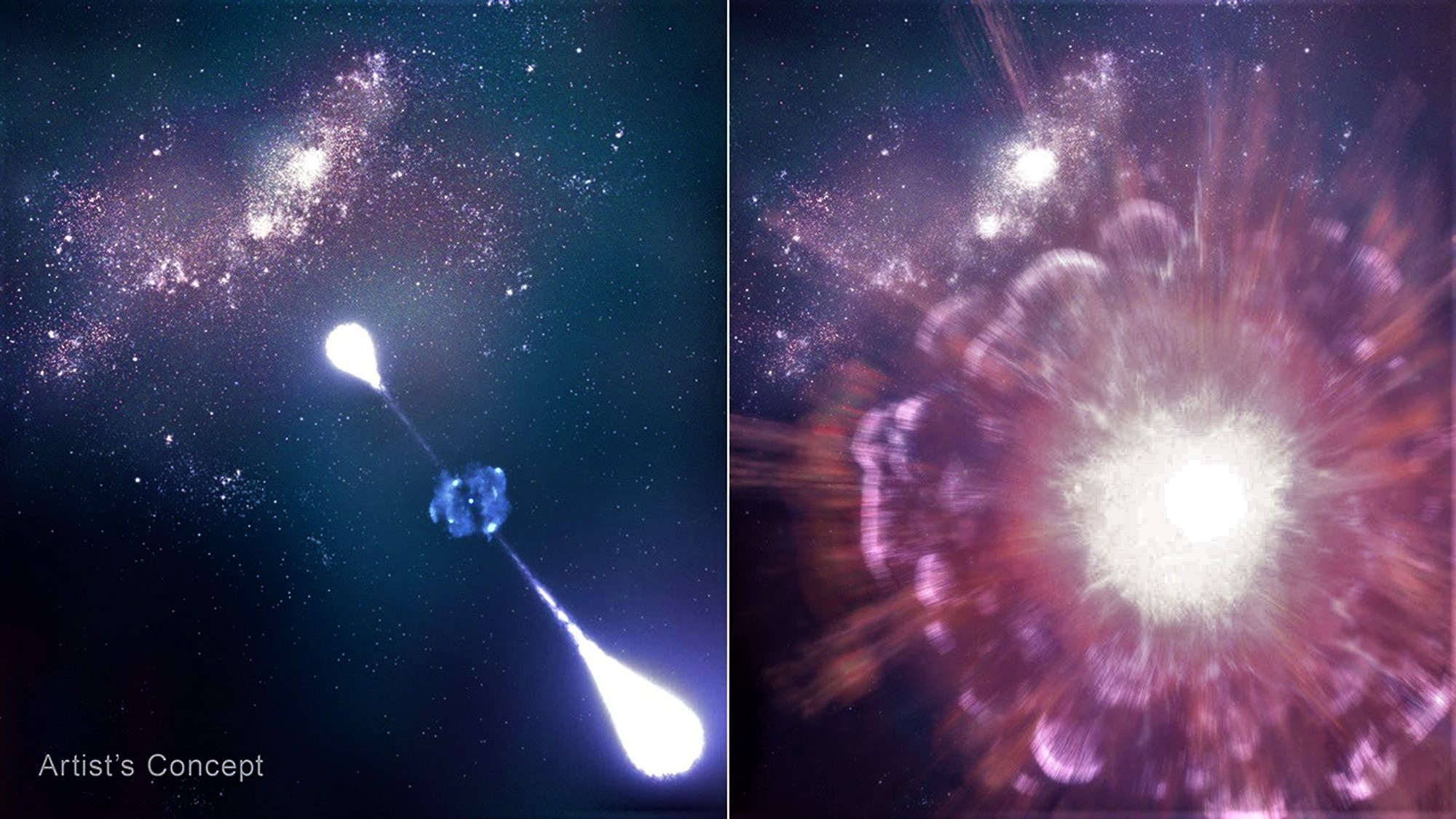
This discovery raises a new question for science: if the physics of star death hasn't changed in 13 billion years, then perhaps the Universe reached its "maturity" much faster than our models predicted?
This event isn't just a line in NASA's catalog. It's a reminder that the light we see today may be a message from an era when space and time were just taking shape.