||
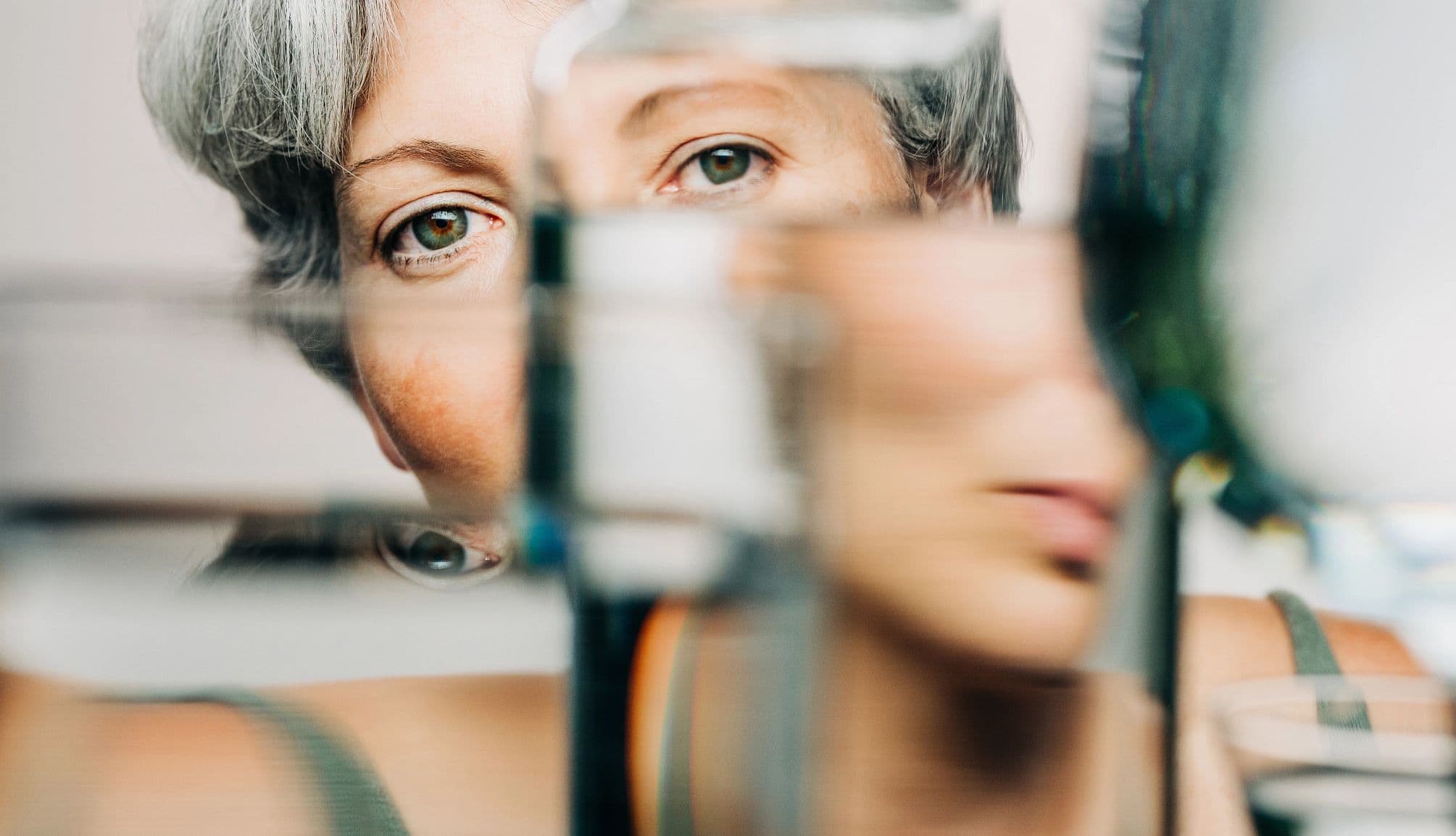
Towards the end of the year, leading scientific laboratories reported news that brings hope to millions: humanity is close to being able to "roll back" brain age. A new generation of drugs, so-called senolytics, has successfully completed clinical trials, as confirmed by publications in Nature Aging and Cell. A team of researchers from the Mayo Clinic and Harvard Medical School published the results of trials of a new generation of senolytic drugs capable of selectively removing "zombie cells" from tissue.
What Are "Zombie Cells"?
As we age, our bodies accumulate senile cells—those that have stopped dividing but have not died. Harvard scientists, led by Professor David Sinclair, and specialists from the Mayo Clinic have proven that these cells are more than just dead weight. They secrete toxic proteins that trigger inflammation and disrupt neural connections. It is this process that is recognized as the main cause of cognitive decline and Alzheimer's disease.
2025 Breakthrough: Precision Strike
The main challenge has always been how to eliminate "bad" cells without harming healthy tissue. The December issue of Nature Aging presented the results of a therapy that acts as a high-precision biological filter.
Trial Results:
Restoration of Connections: After removing senescent cells in the hippocampus (the memory center) of test subjects, neurons began to rebuild synaptic connections.
Clinical Success: A team led by Dr. James Kirkland of the Mayo Clinic confirmed that the therapy significantly improves information processing speed and short-term memory.
Rejuvenation Effect: The brain not only "stops aging," but also begins to function at a younger biological age by reducing systemic inflammation.
When Will This Become a Reality for Everyone?
Scientists emphasize: we're not talking about a "pill for immortality"; we're talking about a radical improvement in quality of life. Currently, extensive clinical trials are underway at Massachusetts General Hospital (MGH). Experts predict that, if the current pace continues, "cognitive renovation" courses could become part of medical practice by the end of 2026 or early 2027.
This discovery changes the very paradigm of aging. Previously perceived as inevitable wear and tear, it's now seen as a biological challenge that can be addressed with proper maintenance.




 Chinese New Year