||
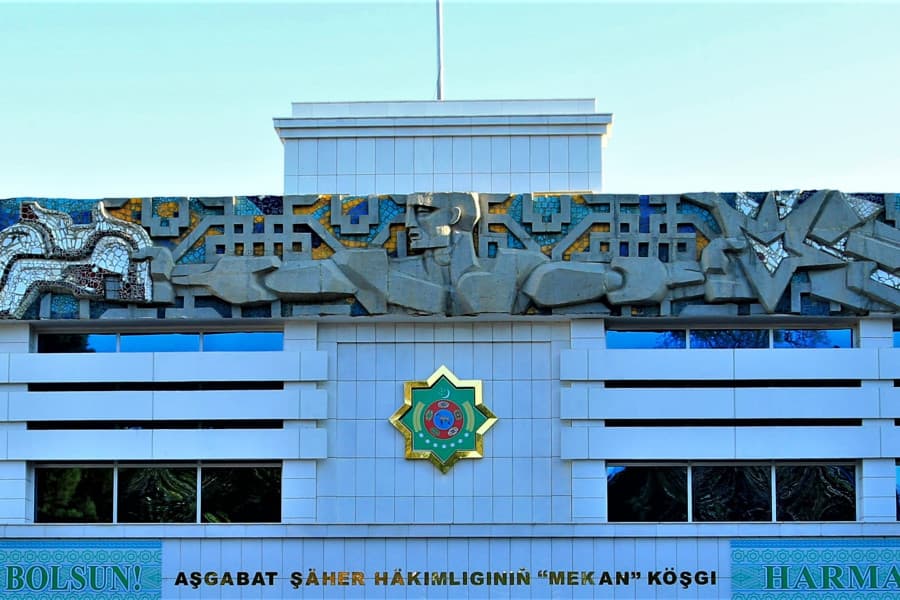
Ashgabat, December 25 | ORIENT. 2025 was a time of great diplomatic harvest for Turkmenistan. A celebratory conference was held at the Mekan Palace in Ashgabat, where the leadership of the Ministry of Foreign Affairs and heads of foreign diplomatic missions reflected on the results of the year, which was marked by the International Year of Peace and Trust.
Addressing the meeting participants, Deputy Prime Minister and Minister of Foreign Affairs of Turkmenistan Rashid Meredov presented an in-depth analysis of the current Turkmen foreign policy model. According to him, the country's philosophy as a responsible UN member is based on the "trinity" of principles: neutrality, peace, and trust.
"Today we can confidently say: neutrality has become the foundation of political dialogue. The world has begun to recognize its role as a key factor in security and sustainable development," the Foreign Minister emphasized.
The outgoing year has been a period of unprecedented activity for the country on the global stage. The Foreign Minister cited compelling statistics: during the year, President Serdar Berdimuhamedov made 15 foreign visits, and Ashgabat hosted leaders from 31 countries.
On December 15 alone, the UN General Assembly adopted two key resolutions on Turkmenistan's initiative: on sustainable transport development (declaring the UN Decade for 2026–2035) and on global energy connectivity.
A key development was the expansion of the format of consultative meetings of Central Asian heads of state—Turkmenistan proposed inviting Azerbaijan to participate fully in this dialogue.
The diplomats who spoke emphasized the practical benefits of Turkmen neutrality for regional stability.
Turkmenistan's Permanent Representative to the UN, Aksoltan Atayeva, noted the expansion of the "Group of Friends of Neutrality," which Azerbaijan, Tajikistan, and the Kingdom of Eswatini officially joined this year.
US Ambassador Elizabeth Rood praised Ashgabat's role in humanitarian missions, particularly aid to Afghanistan and assistance to citizens of 52 countries in transit to their home countries. She also emphasized the effectiveness of the C5+1 platform.
German Ambassador Bernd Heinze called Turkmenistan's efforts to promote dialogue an example for other countries, highlighting Ashgabat's role in supporting landlocked developing countries.
UNICEF Representative Jalpa Ratna emphasized the importance of the signed cooperation program with the UN for 2026–2030, which cements the long-term nature of the partnership.
Concluding the conference program, Rashid Meredov emphasized that neutrality for Turkmenistan is not a "frozen status," but a living instrument for bringing peoples closer together. Looking forward to 2026, the accumulated "capital of trust" will be realized through new formats of international cooperation.




 Chinese New Year