||




 Chinese New Year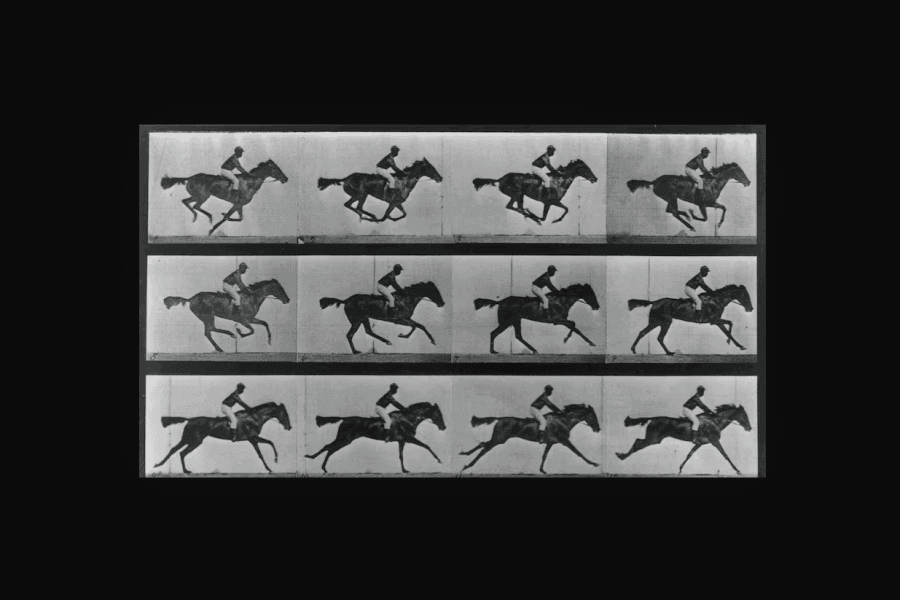
A Photograph in History | ORIENT. "Horse in Motion": How a Bet Changed Science
There are images in human history that change our perception of reality. When the world saw the photograph "Earthrise" in 1968, we realized the scale of our home. Today, on the threshold of 2026, we return to another ancient symbol—the Horse. It's not just an animal; it's a metaphor for life itself, speed, and the indomitable will to evolve.
If we speak of "photographic" legends associated with horses, then it's undoubtedly Eadweard Muybridge's "Horse in Motion" (1878). Before this photograph, people had debated for millennia: does a horse ever lift all four hooves off the ground during a gallop?
Muybridge proved that, for an elusive moment, a horse "flies." This shot didn't just mark the beginning of cinema; it changed science. It showed us that true power lies in dynamism. 2026, the Year of the Fire Horse, promises to be just that: a year of "flight" and breakthrough, when old disputes are resolved with one decisive move.
A $25,000 Bet
The story of this photograph began with a bet. Former California Governor Leland Stanford claimed that at one point during a gallop, a horse completely lifts its hooves off the ground.
The human eye couldn't confirm this—the movement was too fast. Artists for centuries painted horses in various poses, trying to divine the truth.
Muybridge set up 24 cameras along a racetrack. As the horse ran past, it brushed against the thin wires that triggered the shutters. The resulting series of images, "Horse in Motion," shocked the world. One of the frames clearly showed that in the suspended phase, the horse's hooves were not extended outward, but tucked under its body. The horse was truly flying.
This image shattered the canons of classical painting and ushered in a new era. Muybridge invented the zoopraxiscope, a device that "brought life" to these images. Thus, thanks to the gallop of a horse, cinema was born. This photo proved that the truth is often hidden beyond our perception, and only technology allows us to see it.
Akhal-Teke: The Golden Energy of 2026
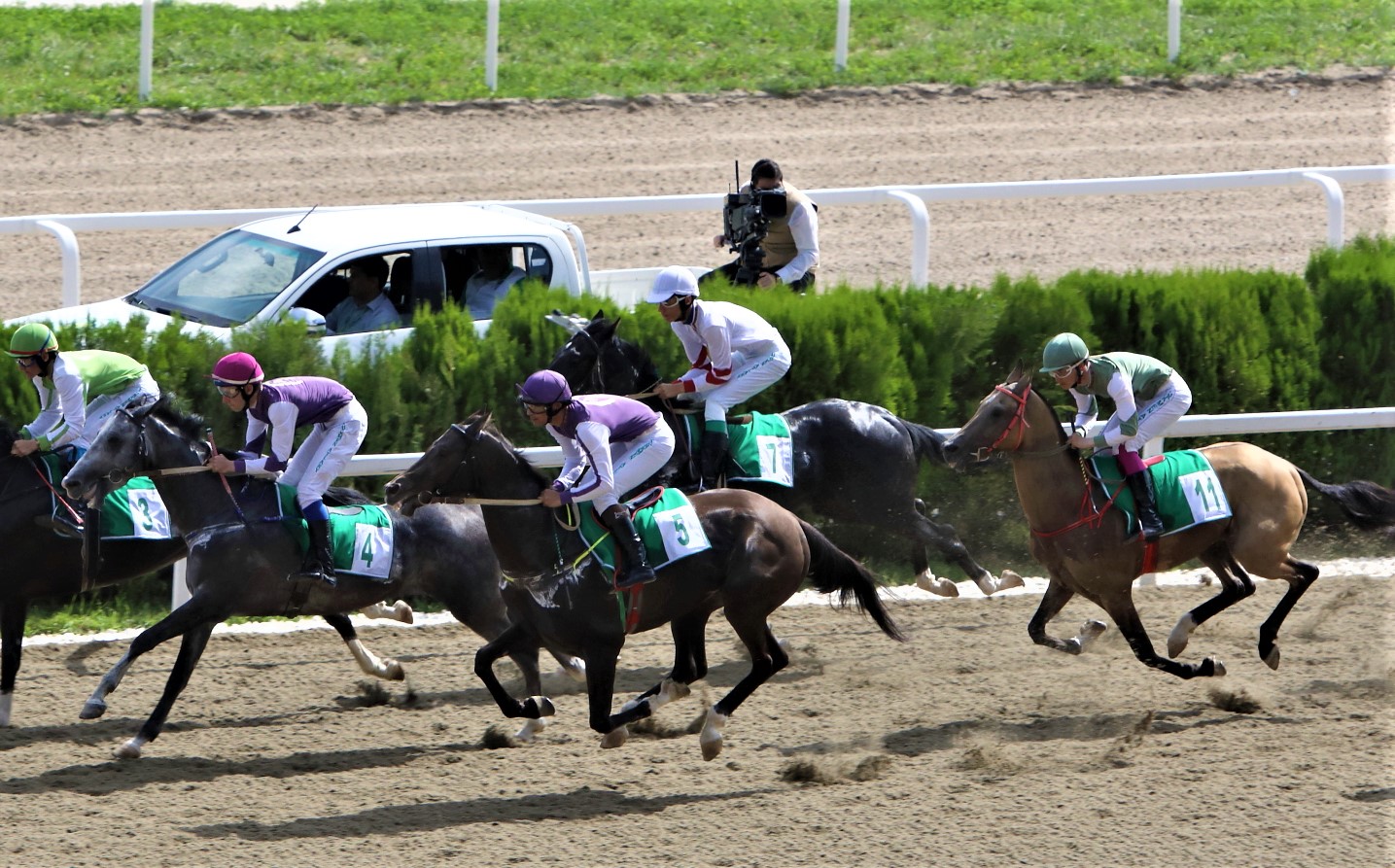
Today, as we prepare to welcome 2026 under the sign of the Fire Horse, Muybridge's work takes on new meaning. If his cameras captured the mechanics of running, then nature itself created the pinnacle of this movement—the Akhal-Teke.
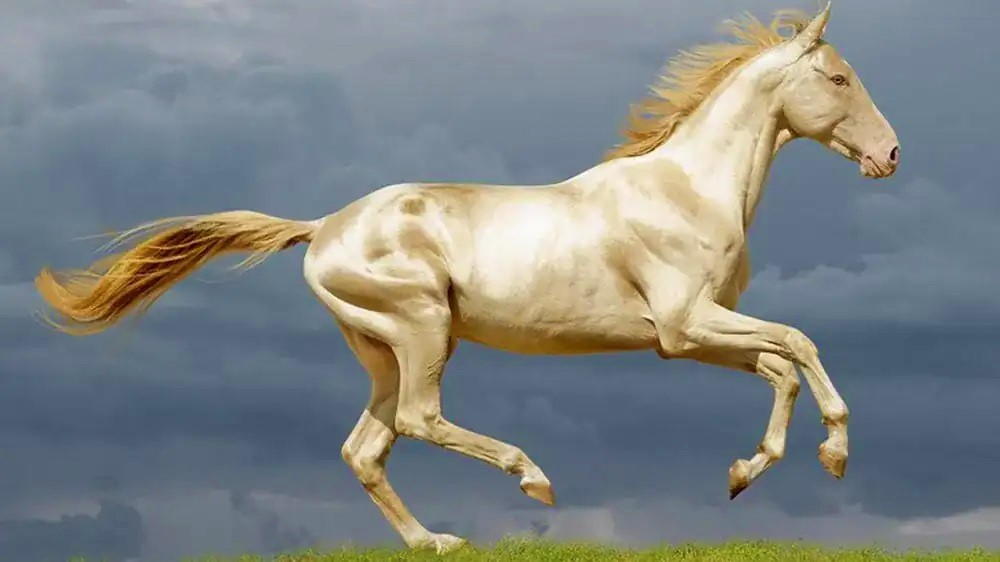
The Akhal-Teke, with its unique "metallic" sheen, seems crafted from sunbeams. In the context of the element of Fire, this horse becomes a symbol of indomitable energy and that very "moment of release" that Muybridge once sought. It is a reminder: 2026 will be a year of speed, where every detail and every moment counts.
Like "Earthrise," Muybridge's photograph became a point of no return. One showed us the scale of the planet, the other the value of a split second. As we enter the new year, we take this experience with us: the ability to see details in the swift flow of time and to appreciate the noble strength that the horse has symbolized for us for centuries.
Fire and Grace: What to Expect from 2026?
According to the Chinese calendar, the Year of the Fire Horse occurs once every 60 years (the last one was in 1966). In global culture, this combination of elements signifies:
The Energy of Action: A time when ideas are transformed into projects at incredible speed.
Intellectual Gallop: A period of rapid technological development (in 1966, it was the space race; in 2026, it's the era of artificial intelligence).
Nobility: The Horse is the only animal that shares both labor and triumph with humans. This is a year of partnership and trust.
Today, as the world searches for a foothold, the image of the Horse reminds us of the importance of "holding the reins" of our own destiny, while also being able to trust those who walk alongside us.