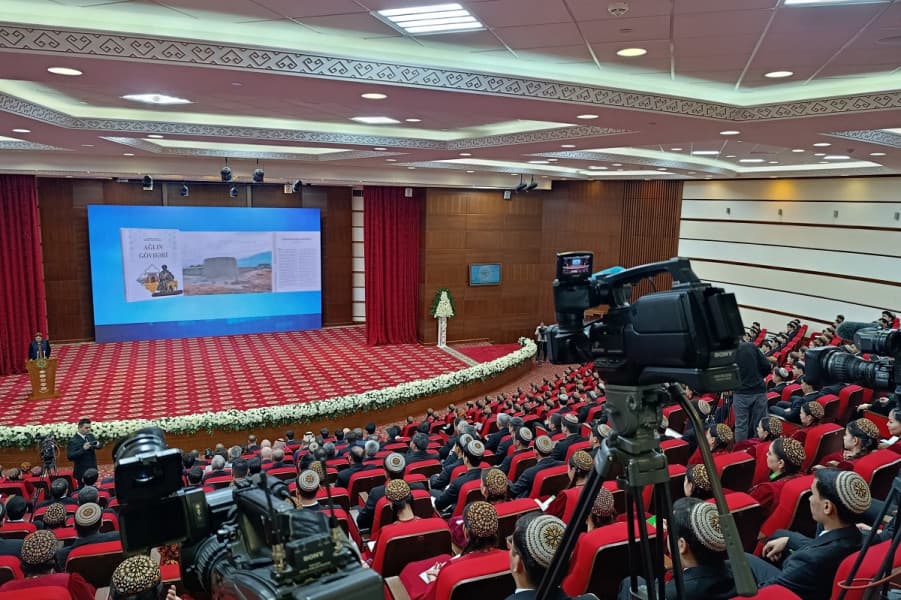



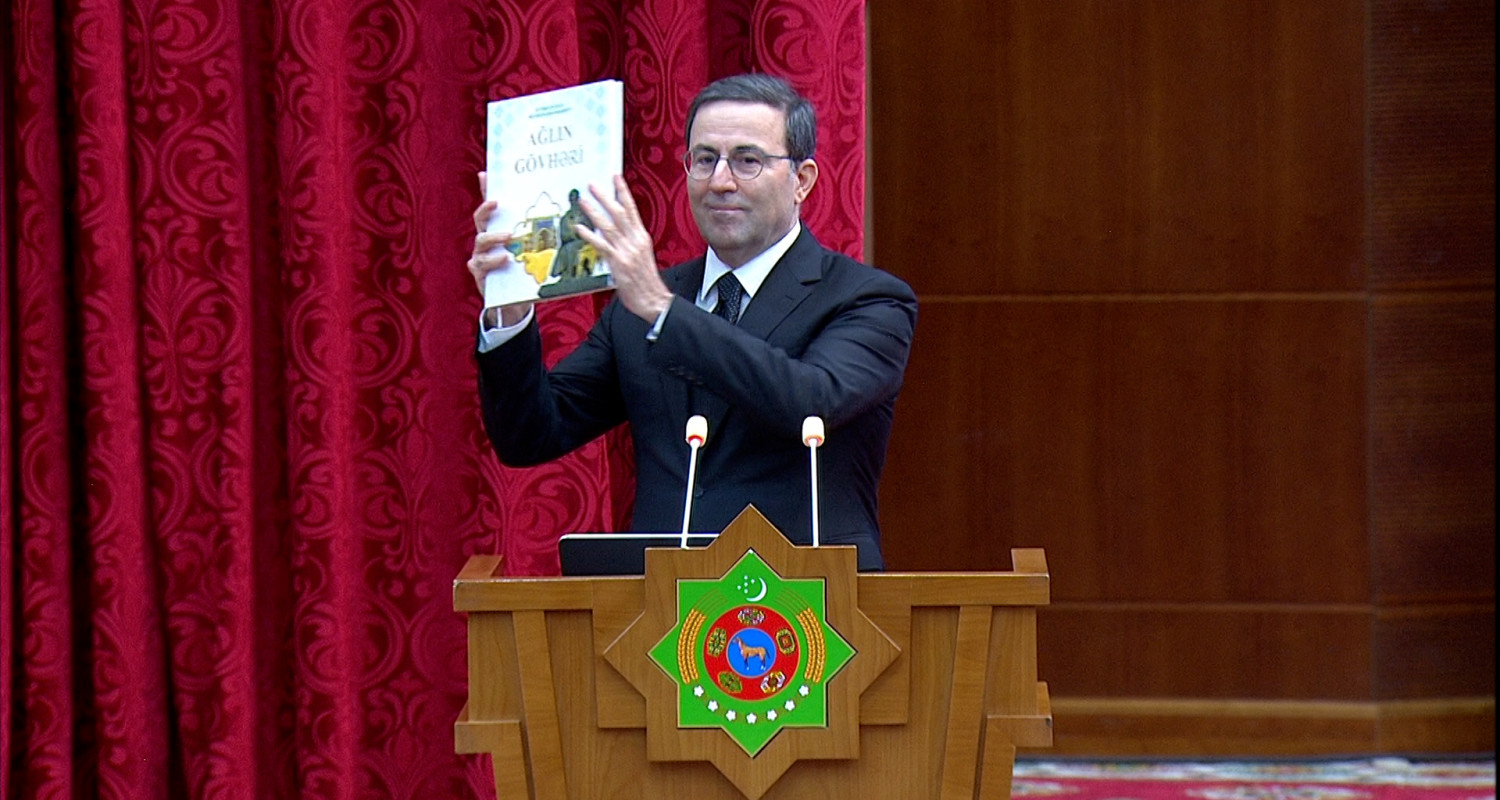
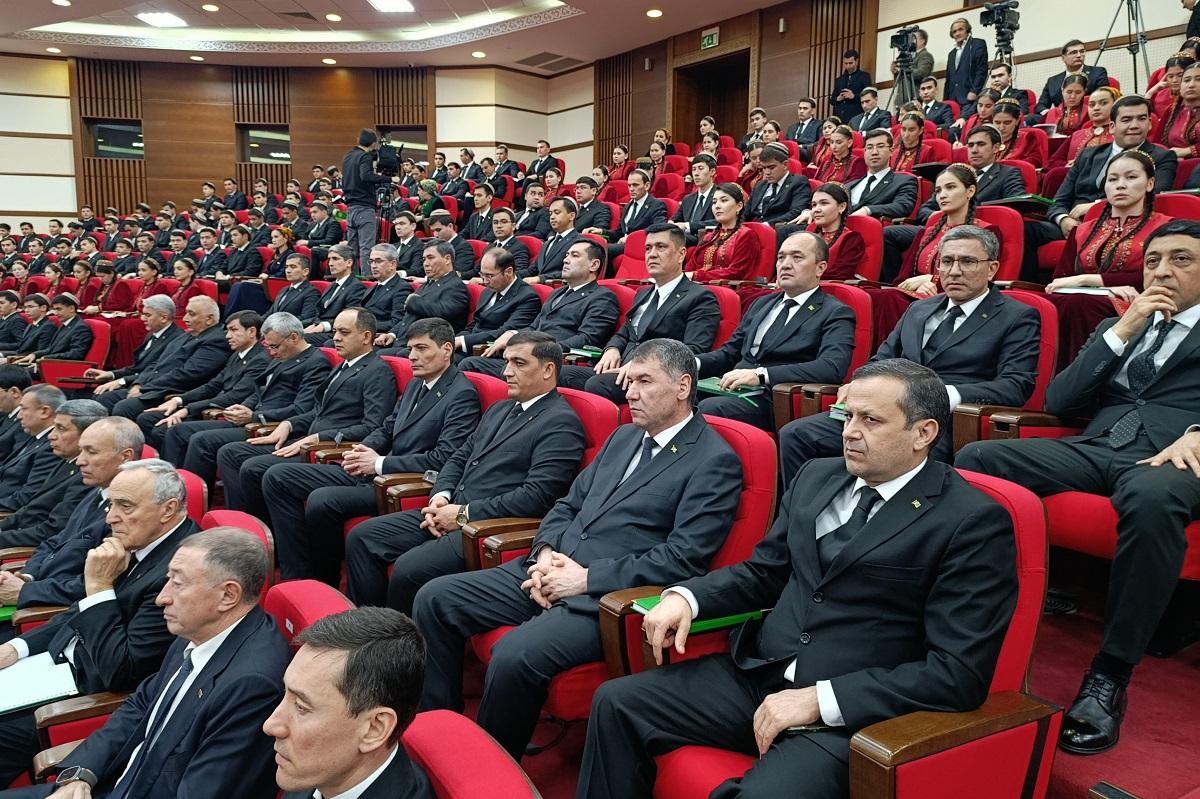
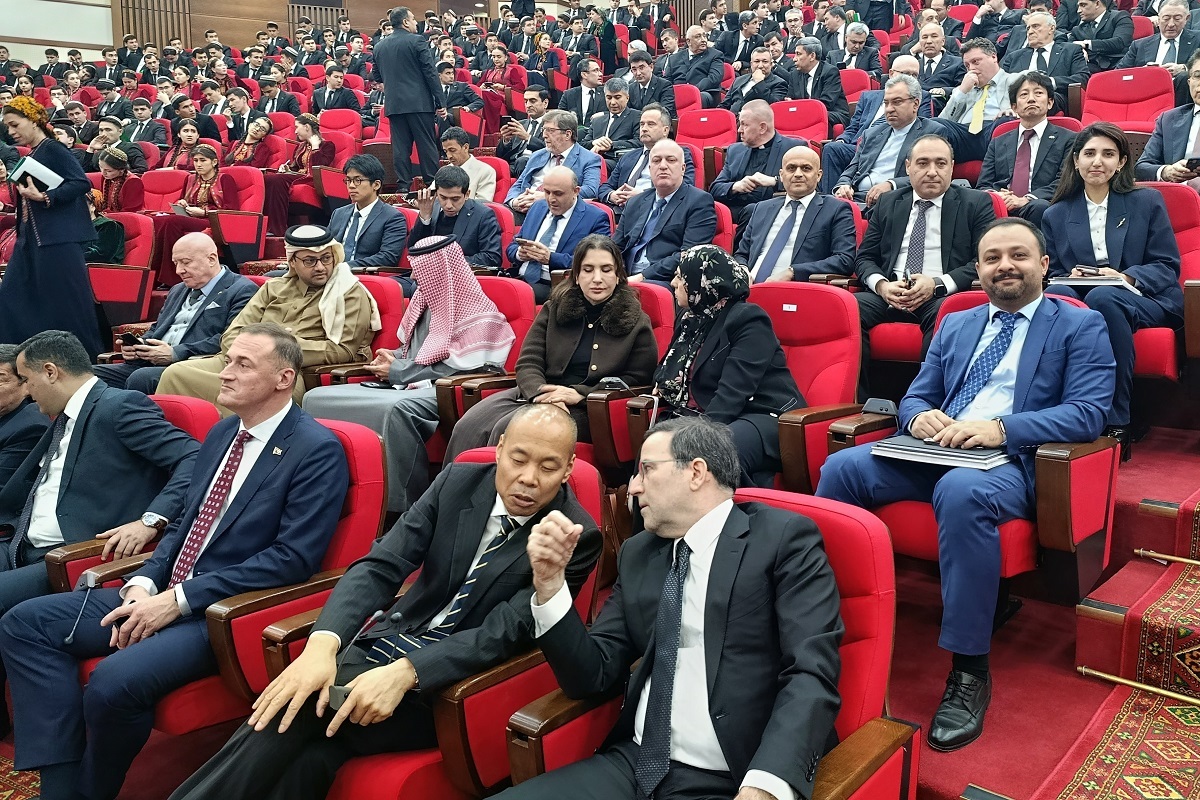
Ashgabat, December 22 | ORIENT. Today, the Institute of International Relations of the Ministry of Foreign Affairs of Turkmenistan hosted the presentation of the book "Hakyda Göwheri" ("Pearl of Memory") by the National Leader of the Turkmen People and Chairman of the Khalk Maslakhaty (People's Council), Gurbanguly Berdimuhamedov, published in Azerbaijani.
The event, which brought together diplomats, scholars, and parliamentarians from both countries, confirmed the intensified dialogue between Ashgabat and Baku, ranging from joint humanitarian projects to a new security architecture in Central Asia.
Ambassador of Azerbaijan to Turkmenistan Gismat Gozalov made several significant statements in his speech, emphasizing the high level of trust between the leaders of the two countries. The Ambassador particularly highlighted Gurbanguly Berdimuhamedov's role in Azerbaijan's admission to the Consultative Meetings of the Heads of State of Central Asia as a full member at the summit in Tashkent (November 2025). This historic event de facto expands the boundaries of regional cooperation.
The construction of a mosque in the Azerbaijani city of Fuzuli, initiated by the National Leader of the Turkmen People, was noted—a gesture that city residents called "a symbol of special respect for shared values."
The recent signing of a Memorandum between the Gurbanguly Berdimuhamedov Charitable Foundation and the Heydar Aliyev Foundation was mentioned, opening a new chapter in humanitarian partnership.
"The work contains nuggets of wisdom that have become a spiritual treasure not only for the Turkmen people but for the entire Turkic world," Ambassador Gismat Gozalov said.
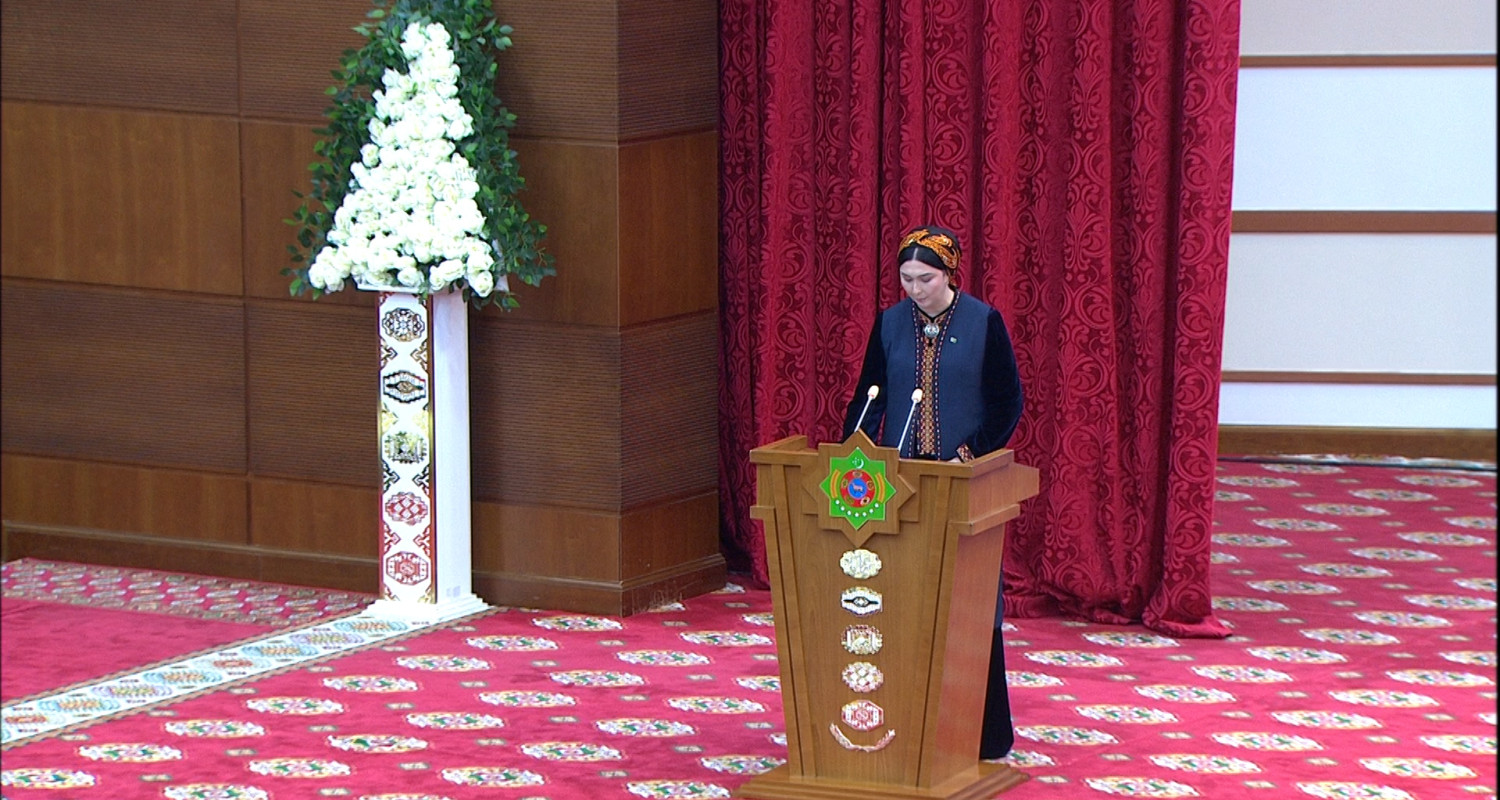
Deputy Minister of Foreign Affairs of Turkmenistan Myahri Byashimova emphasized the scientific value of the work. The book, translated with the support of the Turkic Culture and Heritage Foundation, reveals Turkmenistan as the cradle of ancient civilizations.
The book demonstrates that Turkmenistan's contemporary neutral course is inextricably linked with its national history and spiritual heritage. The book contains unique data demonstrating that the principles of preventive diplomacy were established in the region in ancient times.
The Azerbaijani edition of "Hakyda Göwheri" is more than a translation. It is an invitation to a deep dialogue between two fraternal peoples, whose relations, according to the presentation participants, have now reached the "highest political level." For Azerbaijani readers, the book will be key to understanding the phenomenon of Turkmen neutrality and the rich history of the Oghuz heritage.