||
How can old solar panels be turned into a valuable resource, and why is the Korean recycling model considered the most effective in the world? These were key questions at a webinar that brought together environmentalists from Turkmenistan, Kazakhstan, and East Asian tech giants.
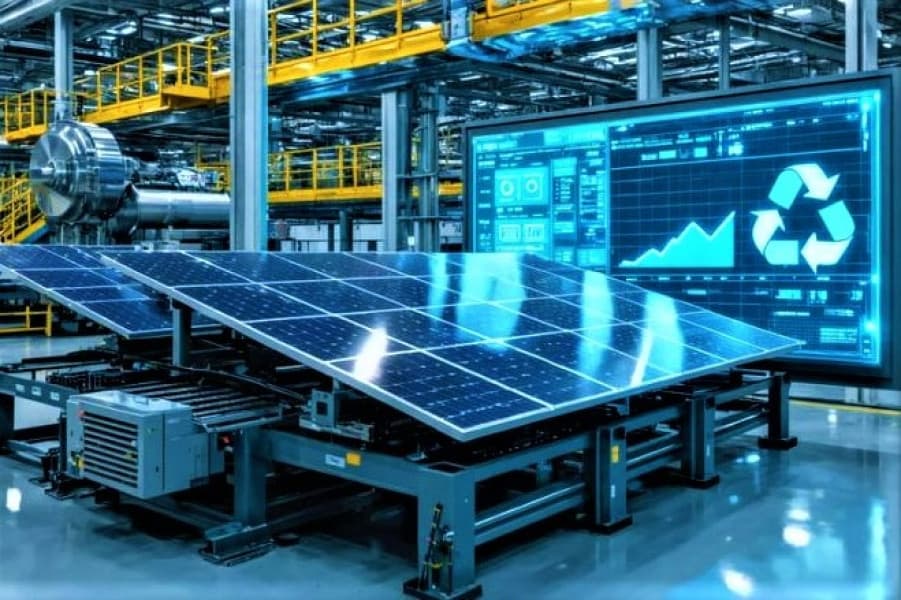
Ashgabat, December 22 | ORIENT. Central Asia is committed to implementing high-tech environmental solutions. The experience of South Korea, a recognized world leader in complex waste recycling, was on the agenda, according to the website of the Regional Environmental Center for Central Asia (CAREC). Participants were particularly interested in the technology for recycling used solar panels. Given the rapid growth of renewable energy in Central Asia, this issue is becoming strategic.
95% efficiency: South Korean systems allow for the recovery of almost all useful materials—aluminum, glass, and rare metals.
Eco-profit: The recycling process not only returns resources to production but also dramatically reduces CO₂ emissions.
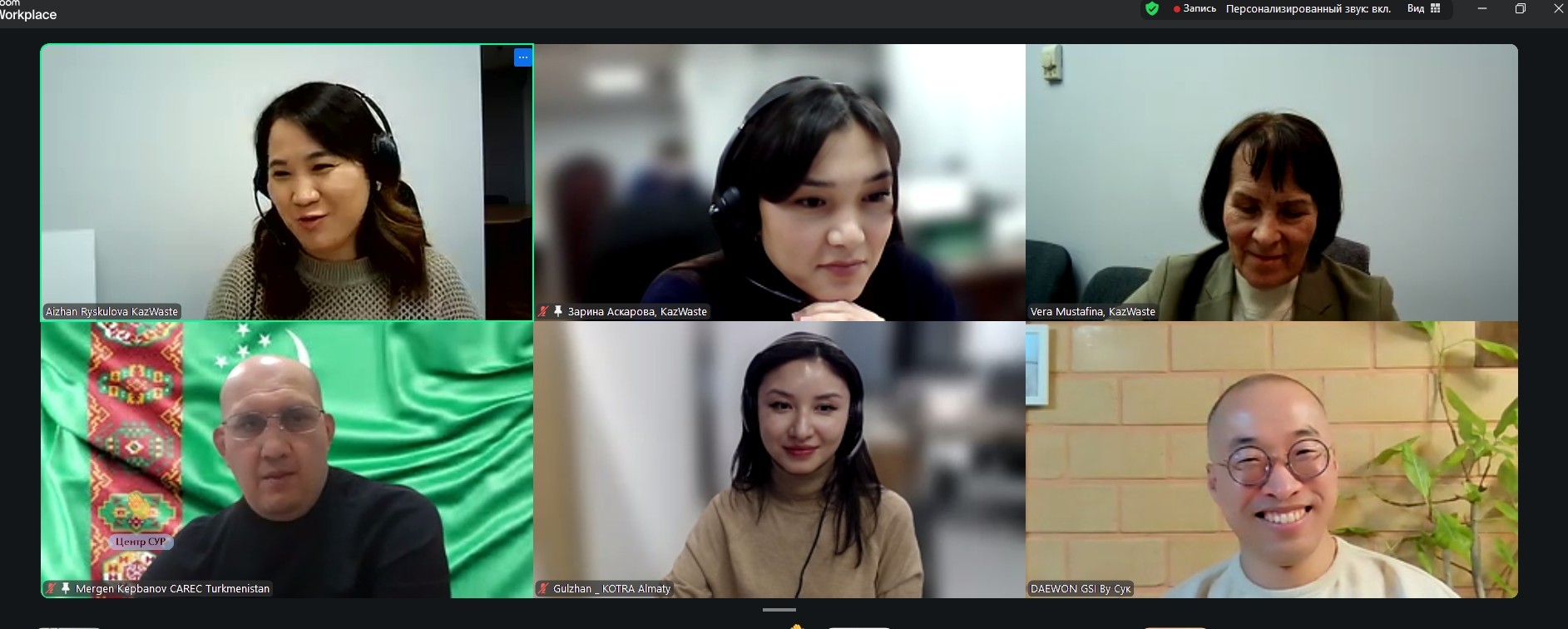
Mergen Kepbanov, Director of the CAREC Project Office in Turkmenistan, emphasized that the Korean approach is attractive for its pragmatism:
"South Korea's experience should be studied as the most high-tech and economically feasible. For our region, this is an important step toward a truly circular economy."
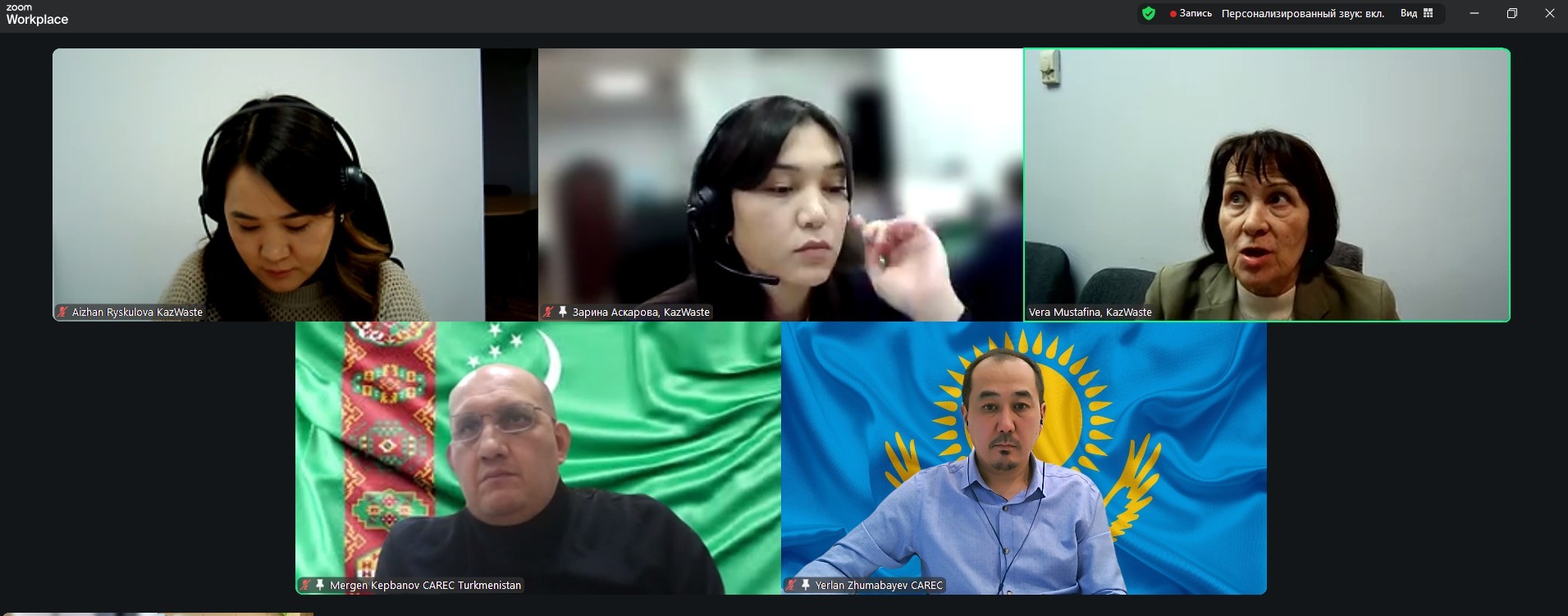
The Regional Environmental Center for Central Asia (CAREC) acts as a bridge for the transfer of these technologies. Erlan Zhumabayev, Director of the CAREC Office in Kazakhstan, noted its readiness to expand its partner pool, complementing existing projects with German colleagues with new Eastern innovations.
For Turkmenistan, which is building hybrid solar-wind power plants, the introduction of such waste management systems is an opportunity to create a clean energy production cycle from the start without accumulating environmental damage in the future.




 Chinese New Year