||




 Chinese New Year
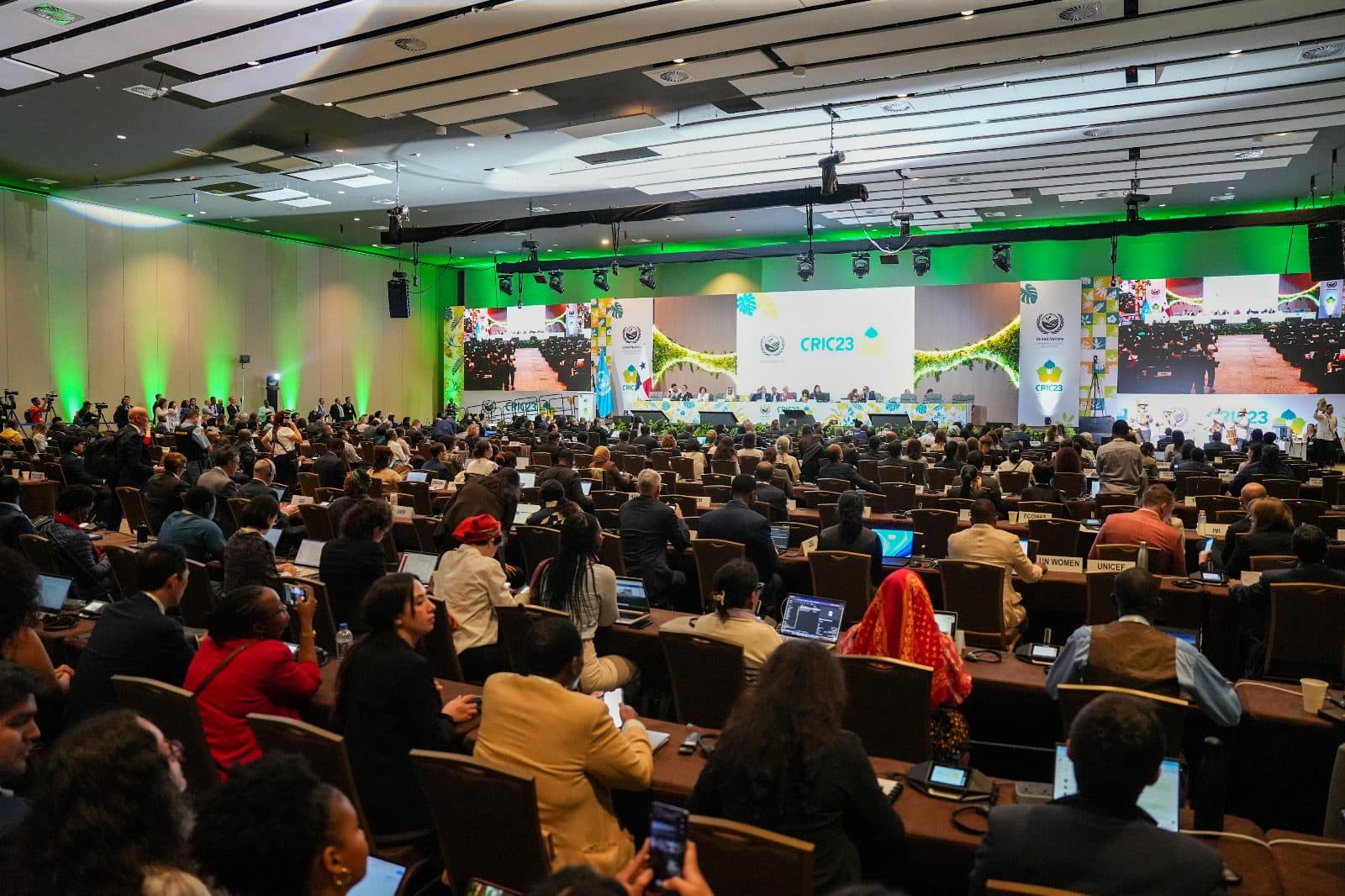
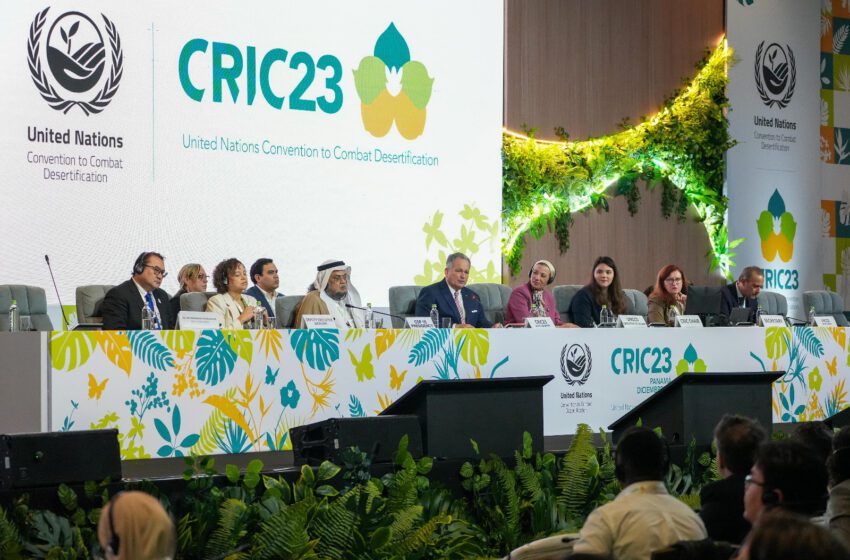
In its recent statement at the plenary session of the UN Convention to Combat Desertification (CRIC-23) in Panama, the Central Asia-Russia Interregional Group (IRG) formally presented a model for effective regional partnership to the global community. The six-country group emphasized that it has evolved into an effective mechanism for scientific and practical cooperation aimed at combating land degradation, droughts, and dust storms—threats that are critical for arid zones.
The Central Asia-Russia Interregional Group (IRG) is a sustainable structure established in 2019 within the framework of the UN Convention to Combat Desertification (UNCCD). Members: Kazakhstan, Kyrgyzstan, Russia, Tajikistan, Turkmenistan, and Uzbekistan. Mandate: To promote cooperation in the implementation of the UNCCD 2030 Framework Strategy, focusing on addressing transboundary environmental threats.
In a short period of time, the IRG has evolved from an expert platform to an institutionalized structure, approving its Operating Procedures and Roadmap to 2030. This enabled it to move toward implementing practical initiatives in thematic areas, which was presented to the UN as a reliable model of partnership integrating science, policy, and practice.
Country Contributions to Combating Land Degradation
The IRG operates on the basis of a clear division of responsibilities, ensuring maximum efficiency and the exchange of best national practices. Each participating country oversees and develops key thematic areas for the region.
For example, Kazakhstan is accumulating best practices in land monitoring and creating a regional database to standardize approaches to soil condition assessment.
Kyrgyzstan is focusing on mountain pasture management, promoting adaptive grazing practices and the restoration of high-mountain ecosystems, in line with the UN initiative for the Five Years of Mountain Development.
Russia is a key donor of knowledge and methodology, initiating the development of a multi-country guide to achieving Land Degradation Neutrality (LDN), and its experience in carbon-based agriculture and agroforestry serves as an important source of practical solutions.
Tajikistan is raising the issue of preserving glacial resources, which is key to the region's water security.
Turkmenistan is overseeing the sustainable use of desert pastures, demonstrating successful approaches to stabilizing shifting sands and proposing the creation of a Regional Climate Technology Center.
Uzbekistan is responsible for dust and sandstorm management, developing monitoring and early warning systems; its large-scale phytomelioration work on the bed of the desiccated Aral Sea is recognized as a global example of ecosystem restoration.
Flagship Initiatives and the Future
The IRG is already advancing two key projects: The Regional Land Resources Review and the Multi-Country LDN Methodological Guidelines. Their presentation is planned for COP-17 in Ulaanbaatar in 2026.
The IRG's strategic focus areas include expanding cooperation with relevant UN agencies (FAO, UNDP, UNEP) and developing new areas such as carbon agriculture and drought adaptation.
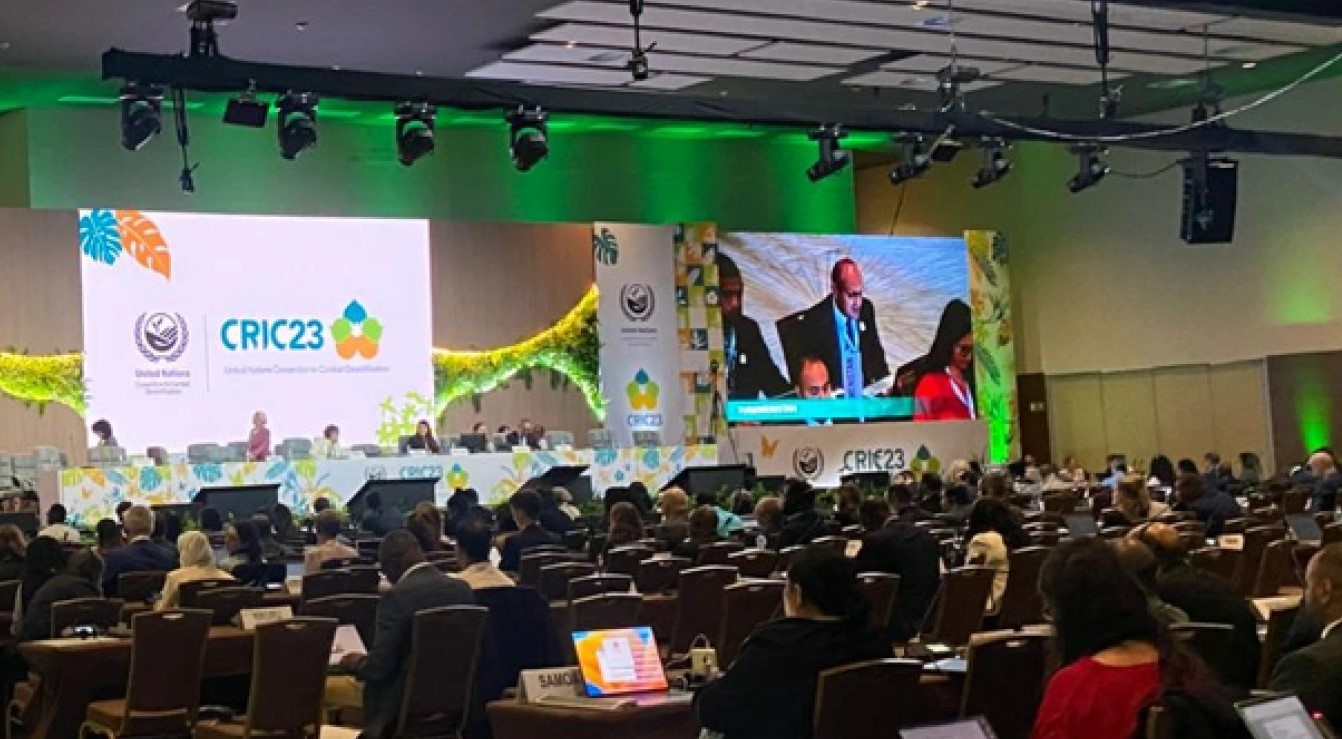
In his speech at CROC-23, Berdy Berdyev emphasized the IRG as a reliable partnership model and called on the international community to consider it as an effective tool for implementing UN climate and environmental initiatives.
ORIENT