||
On the last Sunday of May, Turkmenistan traditionally celebrates one of its most vibrant national holidays—Turkmen Carpet Day. The epicenter of the celebrations was the National Turkmen Carpet Museum in Ashgabat, where a large-scale exhibition unfolded, bringing together masterpieces of the classical heritage and bold works by contemporary artists.
The festive atmosphere captivated guests even as they approached the museum: in the adjacent square, artisans recreated a living historical panorama—the step-by-step process of creating a carpet, from preparing the wool yarn to tying the finest knots. All of this took place to the authentic musical accompaniment of creative groups.
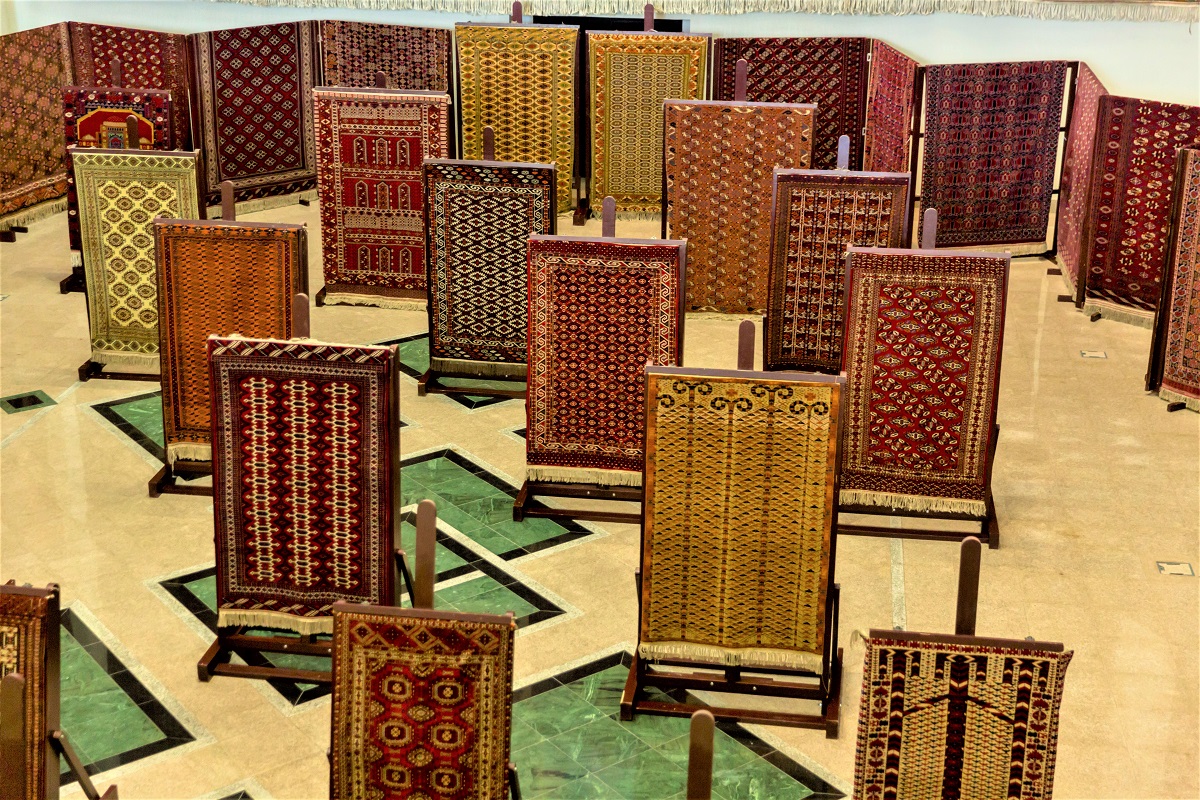
The exhibition's opening ceremony was attended by leaders of the Mejlis, ministries and agencies, public figures, as well as the heads of diplomatic missions and representative offices of international organizations accredited in the country. In his welcoming address to the event's participants, President Serdar Berdimuhamedov emphasized that the magnificent Turkmen carpet, born of the talent and wisdom of women, has long since transcended the boundaries of applied art, becoming an invaluable contribution to the treasury of universal civilization.
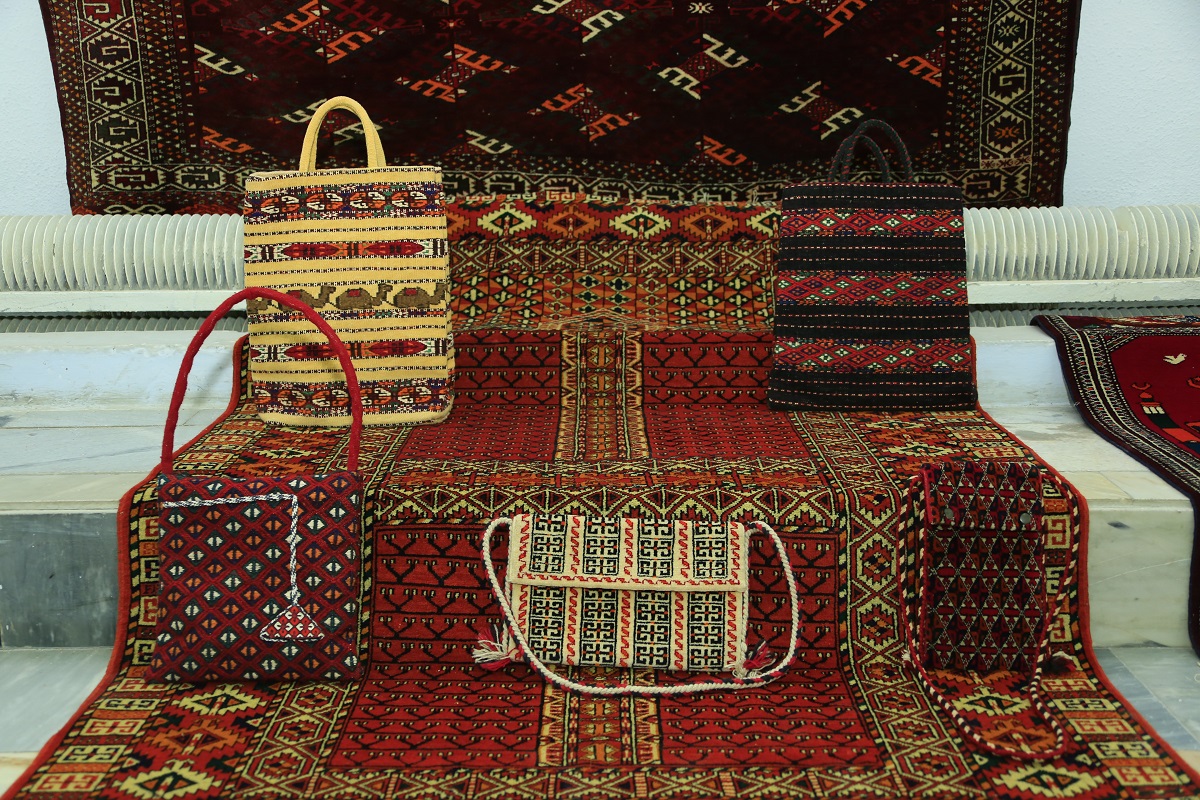
The exhibition was striking in its diversity. Alongside monumental canvases decorated with strict classical göls, the exhibit featured objects that have formed the basis of nomadic life for centuries: chuvals, horjuns, kilims, prayer rugs, and elegant horse harnesses. Domestic entrepreneurs presented a modern take on this ancient craft: their stands were adorned with carpet portraits, painted woven landscape panels, silk items, and exquisite handmade souvenirs.
The highlight of the morning session was a celebration of the carpet weavers themselves. By decree of the head of state, the best female workers in the industry were awarded the honorary title "Türkmenistanyň at gazanan halyçysy" ("Honored Carpet Weaver of Turkmenistan") for their many years of dedicated work and dedication to tradition
The celebration also took on a vibrant international dimension: Sultan Rayev, Secretary General of the International Organization of Turkic Culture (TURKSOY), presented the Türkmenhaly Association with a special diploma for its contribution to the development of carpet weaving in the Turkic world. The diplomat noted that the Turkmen carpet is more than just a textile product, but an encoded genetic code and spiritual heritage, and that Turkmenistan's experience in preserving this craft in modern times is unique.
In the afternoon, the professional discussion moved to the Türkmenhaly conference hall, where the 26th meeting of the World Association of Turkmen Carpet Connoisseurs opened. Scholars, art historians, historians, and representatives of the global business community discussed the demand for Turkmen carpets in the global market.
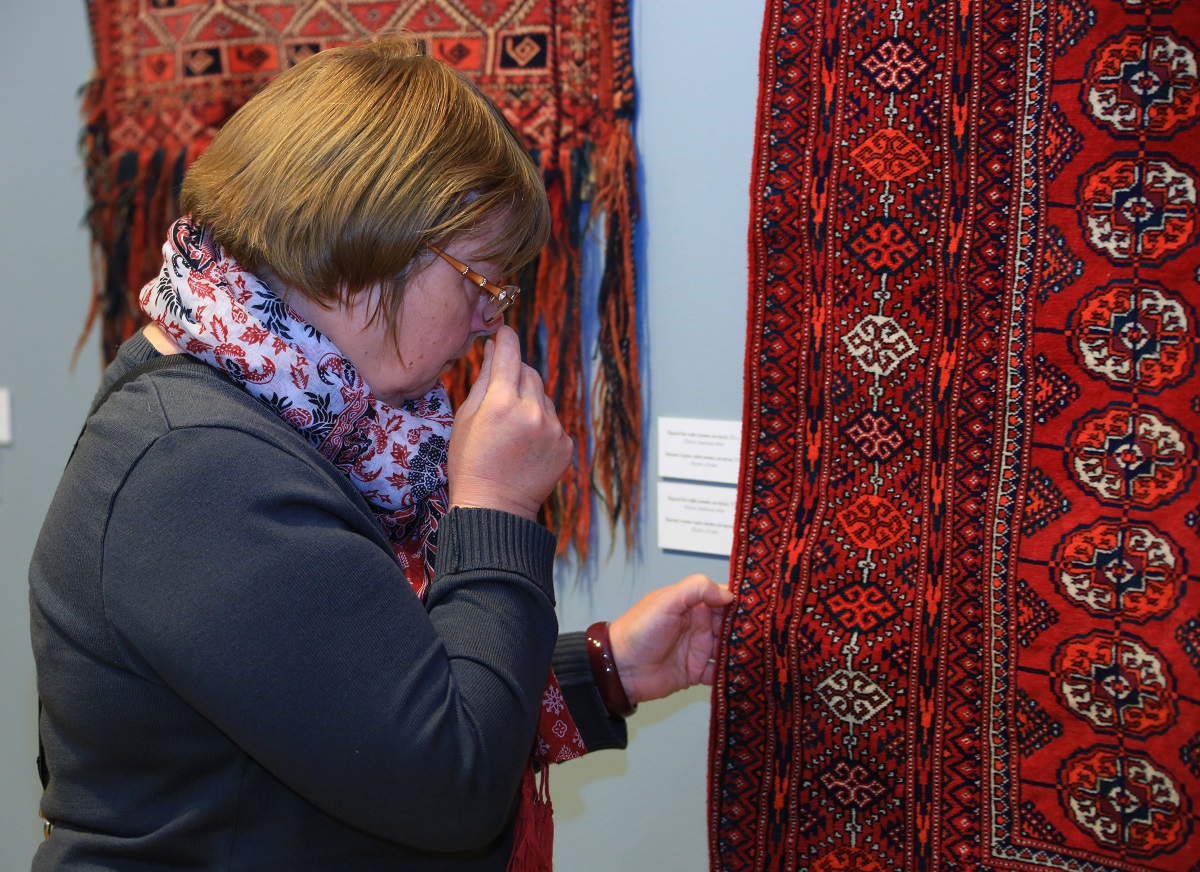
International experts agreed that the secret to their phenomenal durability and value lies in their commitment to environmentally friendly technologies: the use of exclusively natural raw materials and plant-based dyes.
Festive events, exhibitions, and scientific sessions swept the country that day, confirming that the ancient art of carpet weaving remains a vibrant and evolving part of modern Turkmen culture.