



On the occasion of International Children’s Day, the United Nations Development Programme (UNDP), jointly with the NGO “Yash Tebigatchy” (“Young Naturalist”), organized a climate education and awareness-raising session at the “Ish Nokady” coworking space in Turkmenbashi, Balkan velayat, within the framework of the regional project “Addressing Marine Litter and Marine Plastics - A Systemic Approach in the Caspian Sea.”
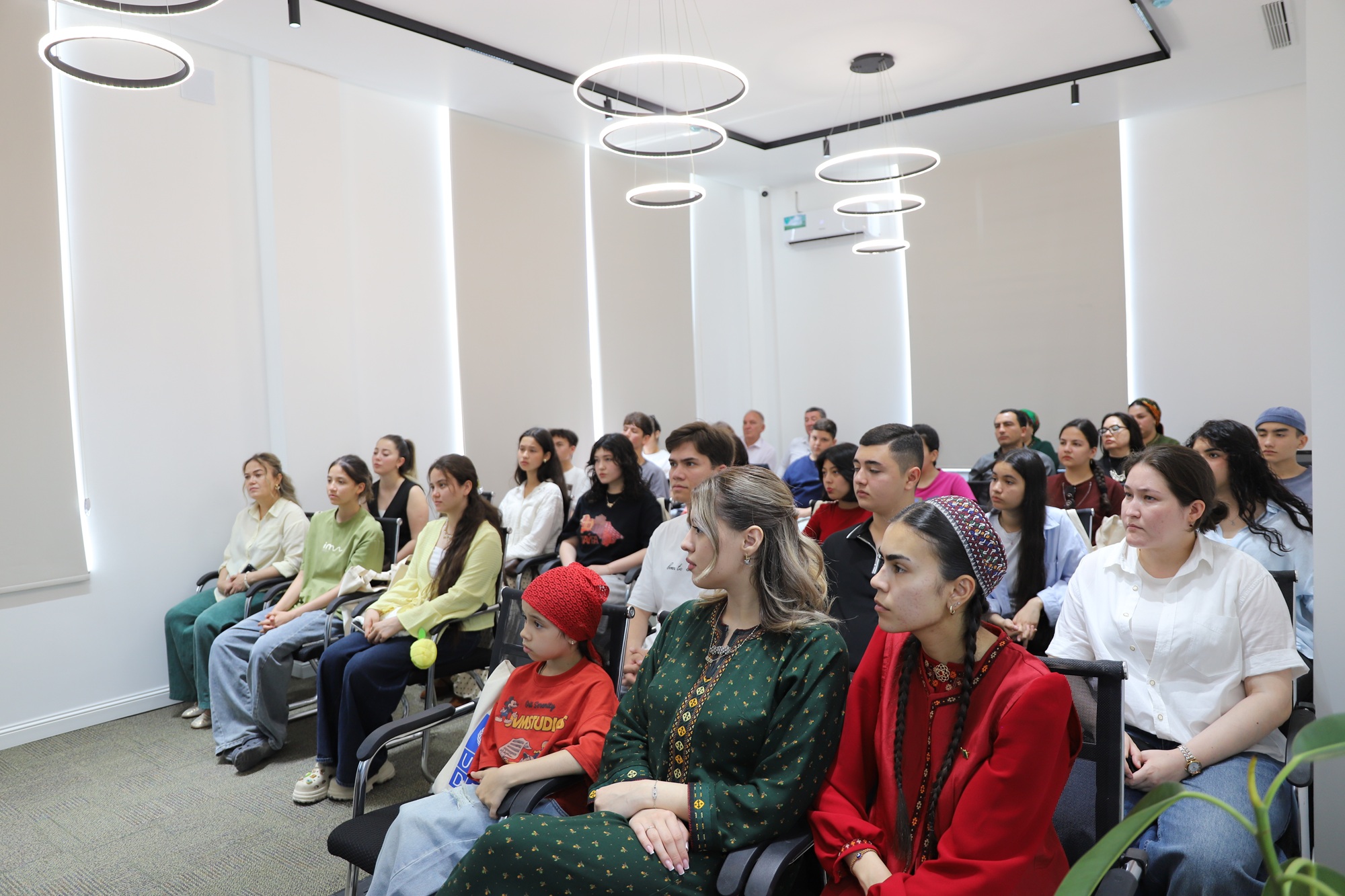
The event brought together eco-activists, representatives of the velayat and city hyakimliks, and members of local communities.
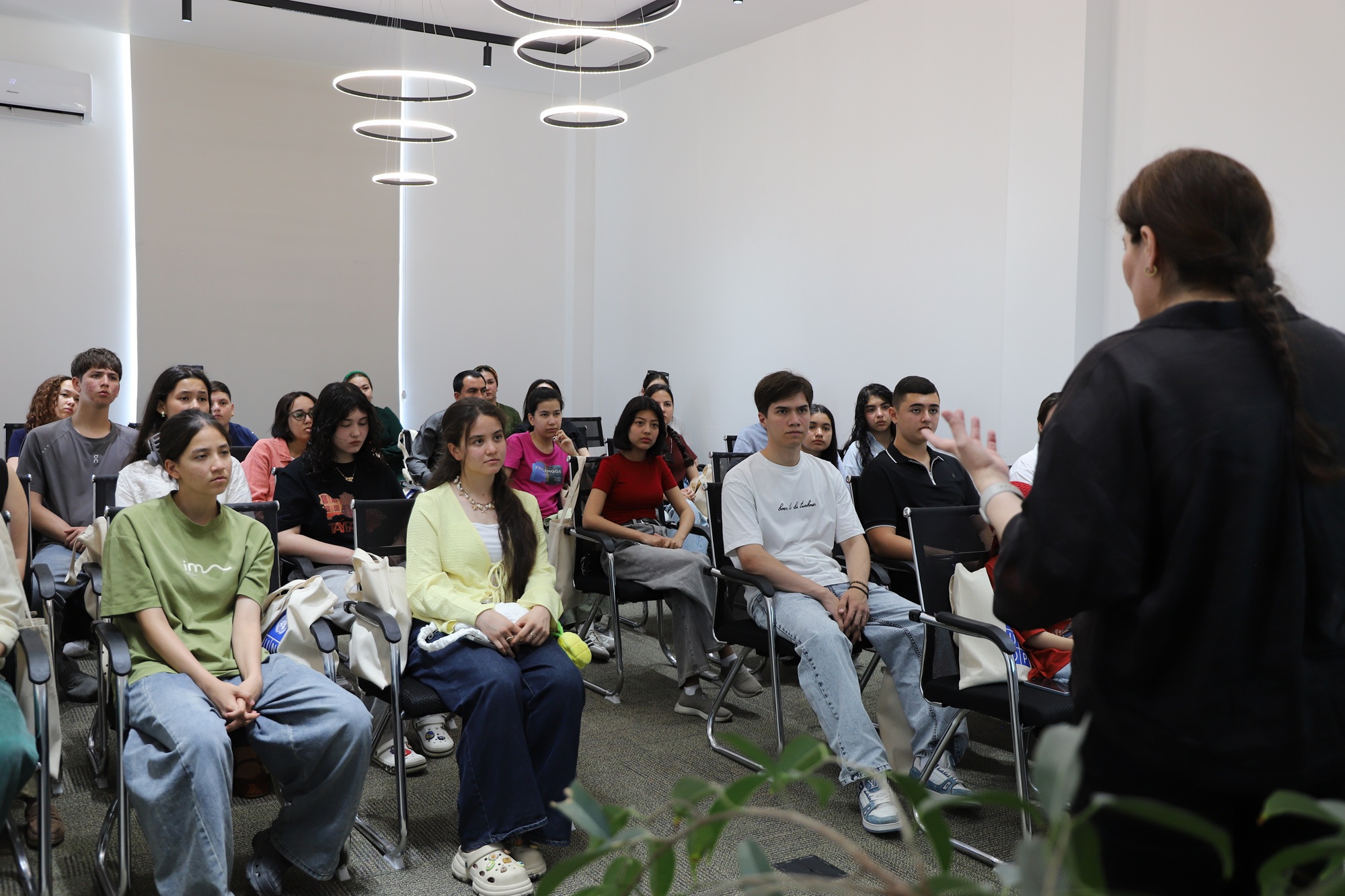
The initiative aimed to raise youth awareness about the problem of marine litter pollution and measures to combat it. An important part of the event also focused on raising awareness of climate change and promoting the “Climate Box” programme — a regional UNDP initiative funded by the Russian Federation Trust Fund that promotes climate education across the region. Overall, the session helped strengthen the link between environmental knowledge and practical actions to protect the Caspian region.
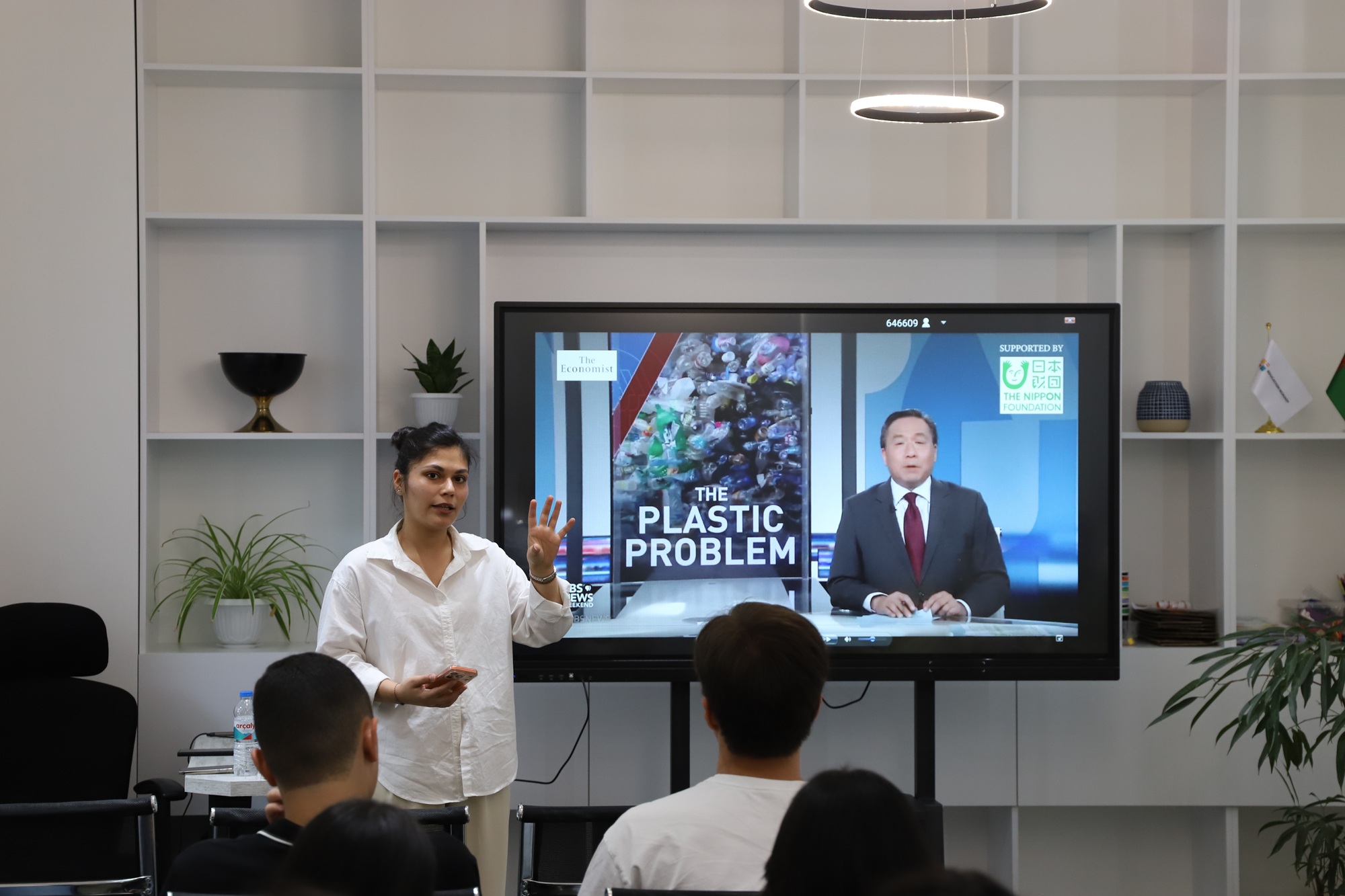
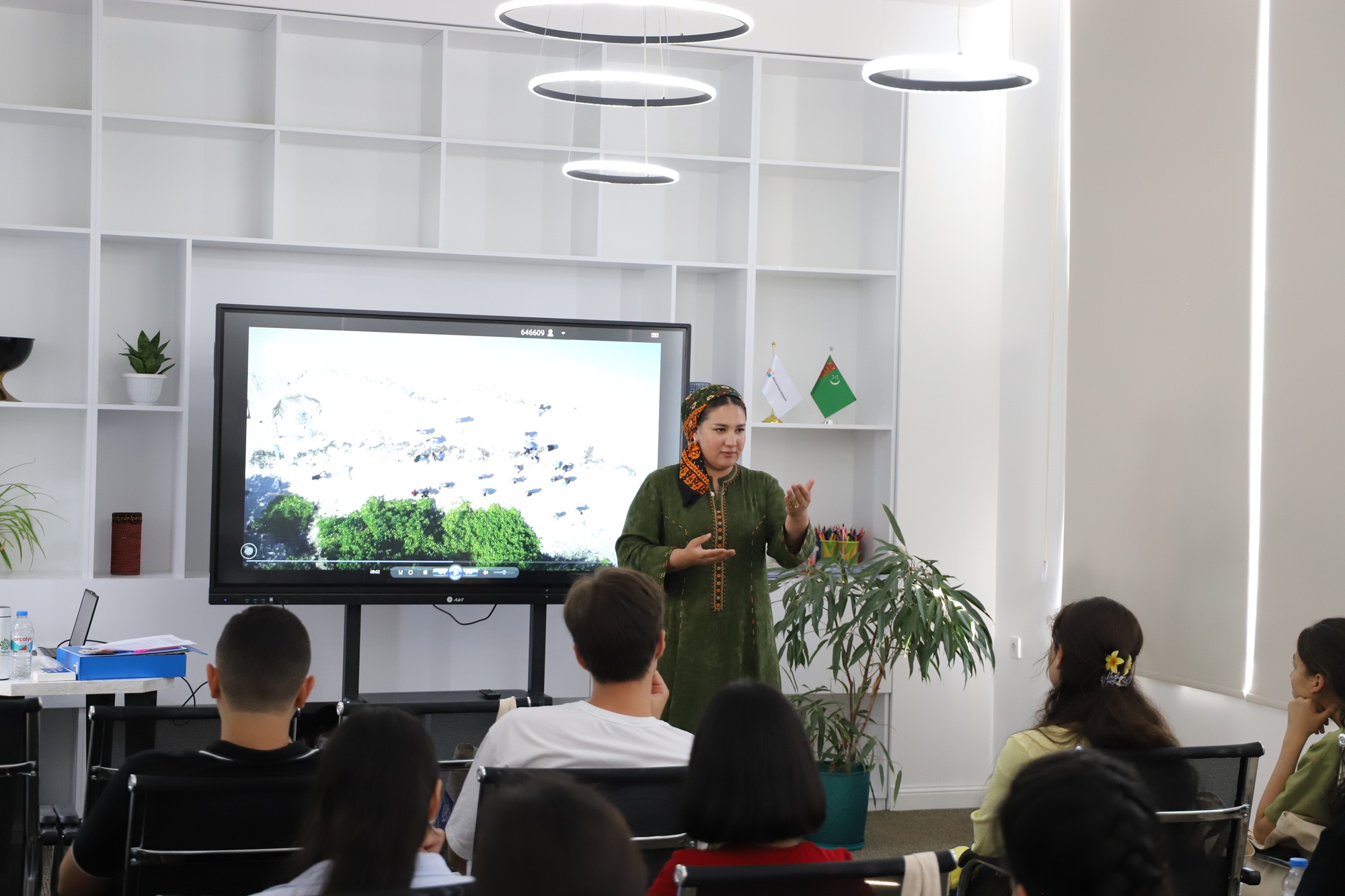
The educational session highlighted sustainable consumption, as well as new approaches to climate education, waste management, and responsible resource use. Participants watched motivational videos on environmental protection in Turkmenistan, discussed opportunities for youth engagement in environmental and volunteer activities, and explored innovative approaches to climate learning and action.
The regional project “Addressing Marine Litter and Marine Plastics – A Systemic Approach in the Caspian Sea,” launched in February 2026 by the United Nations Development Programme (UNDP) in partnership with the United Nations Environment Programme (UNEP), the Secretariat of the Framework (Tehran) Convention for the Protection of the Marine Environment of the Caspian Sea, and the Ministry of Environmental Protection of Turkmenistan, is funded by the Russian Federation and is being implemented in Azerbaijan, Iran, Kazakhstan, and Turkmenistan.
The project places a strong focus on addressing marine pollution originating from land-based sources. The initiative aligns with the ongoing efforts of the Caspian littoral states and builds on the experience of the Tehran Convention, including the implementation of its Protocol on Land-Based Sources of Pollution and the Strategic Action Programme.
