Women Leaders of Central Asia Discussed Promoting Gender Equality in Tashkent

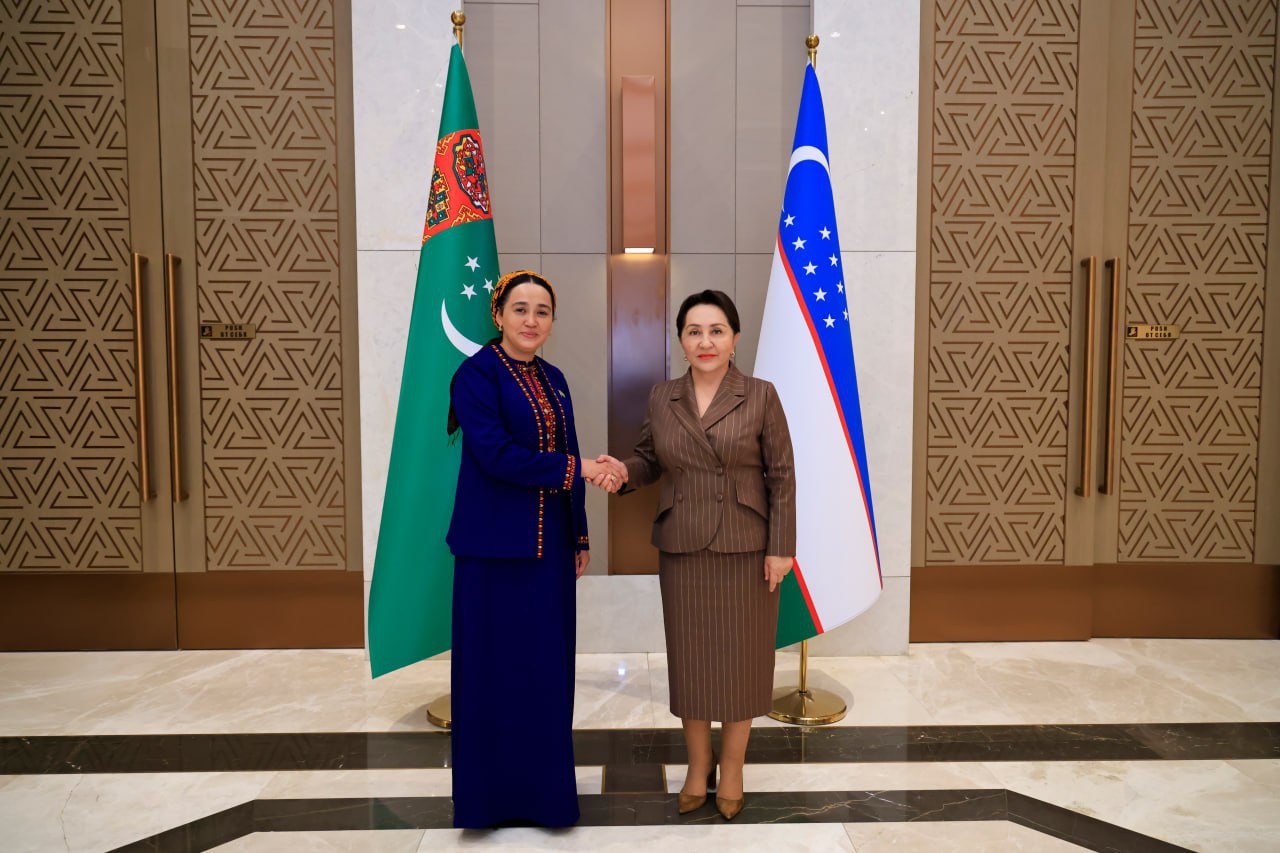
A delegation from the Mejlis of Turkmenistan, led by Bayramgozel Muradova, Chairperson of the Committee on Science, Education, Culture, and Youth Policy, participated in the Dialogue of Women Leaders of Central Asia, which took place today, on November 12, in Tashkent, Uzbekistan. The main goal of this important international event was to develop regional cooperation, expand women's participation in socio-political and economic life, and strengthen gender equality throughout the region.
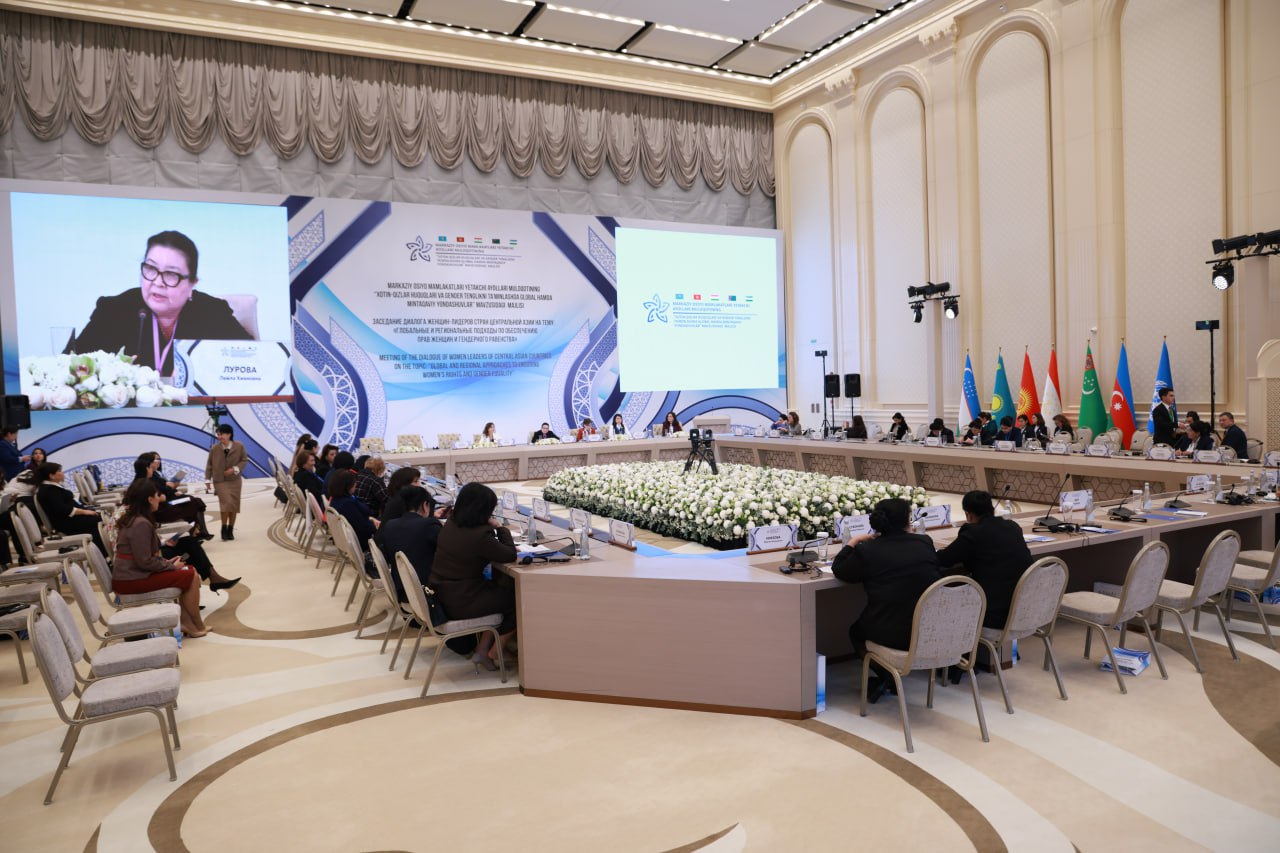
Representatives of parliaments from all Central Asian countries—Kazakhstan, Kyrgyzstan, Tajikistan, Turkmenistan, and Uzbekistan—participated in the meeting, as well as representatives of international organizations and civil society institutions. Participants praised the effective work being carried out in the region to empower women and strengthen their role in government and public life.
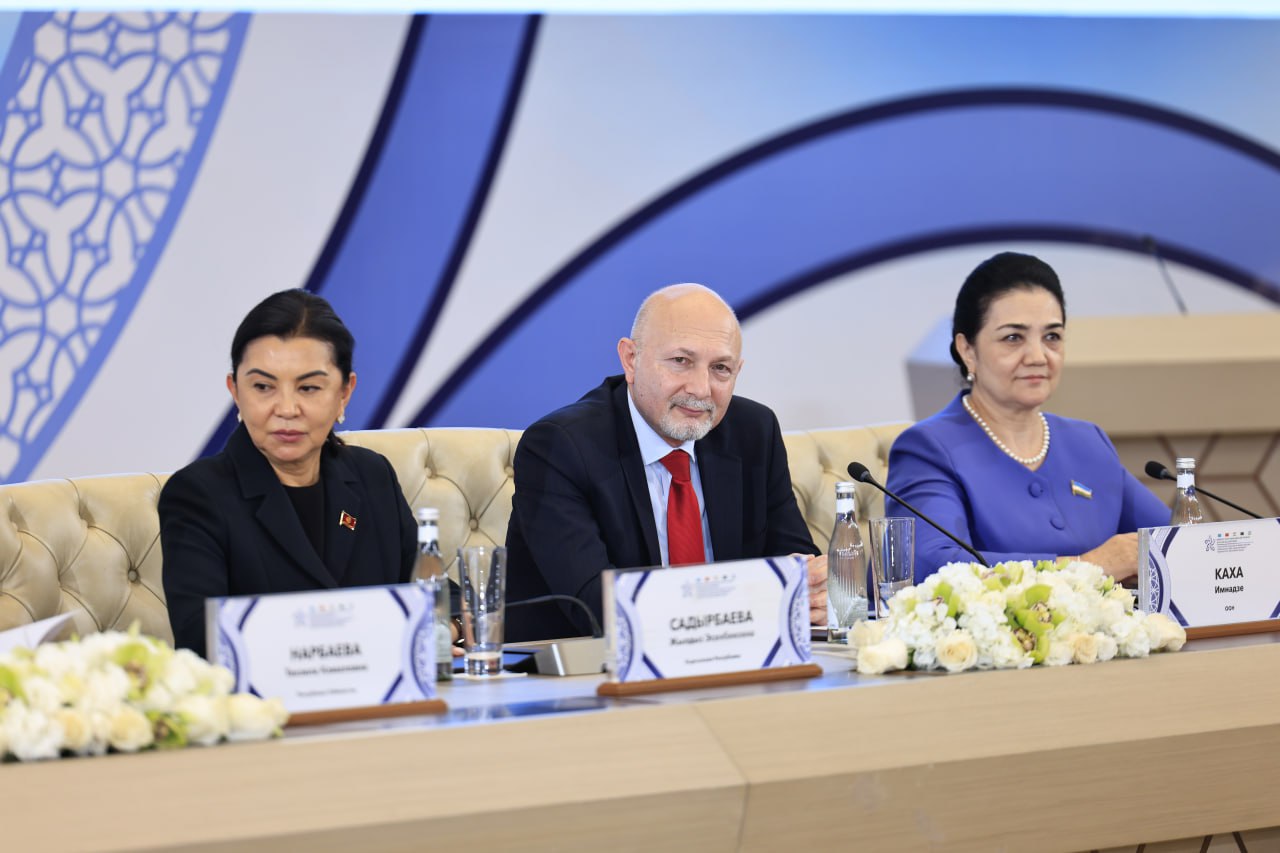
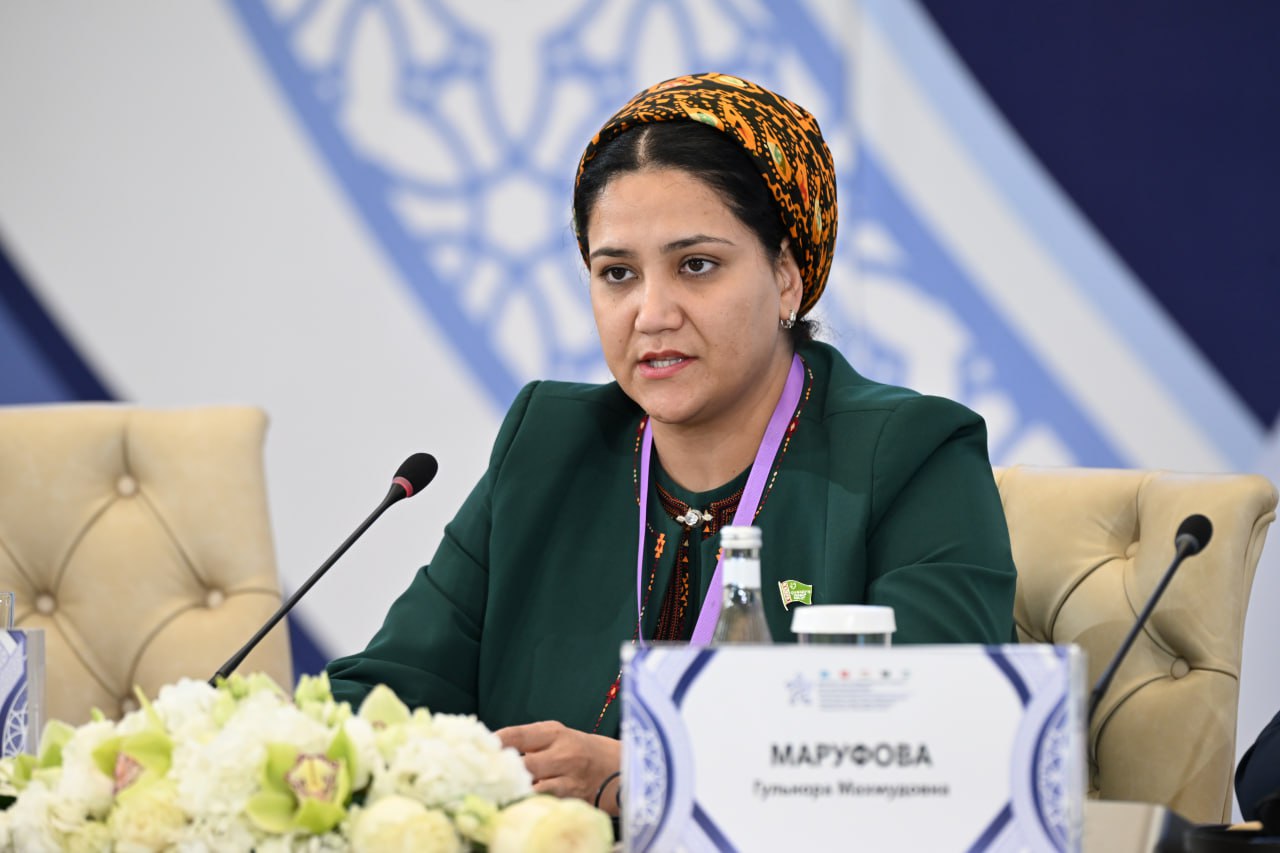
Representatives of the Mejlis of Turkmenistan, in turn, emphasized the importance of cooperation with international organizations in ensuring women's rights, continuously improving regulatory frameworks, and expanding women's participation in public administration and various economic sectors. They highlighted the National Action Plan for Gender Equality in Turkmenistan for 2021–2025, as well as the need to enhance the role of women in entrepreneurship, labor, social protection, education, and healthcare.
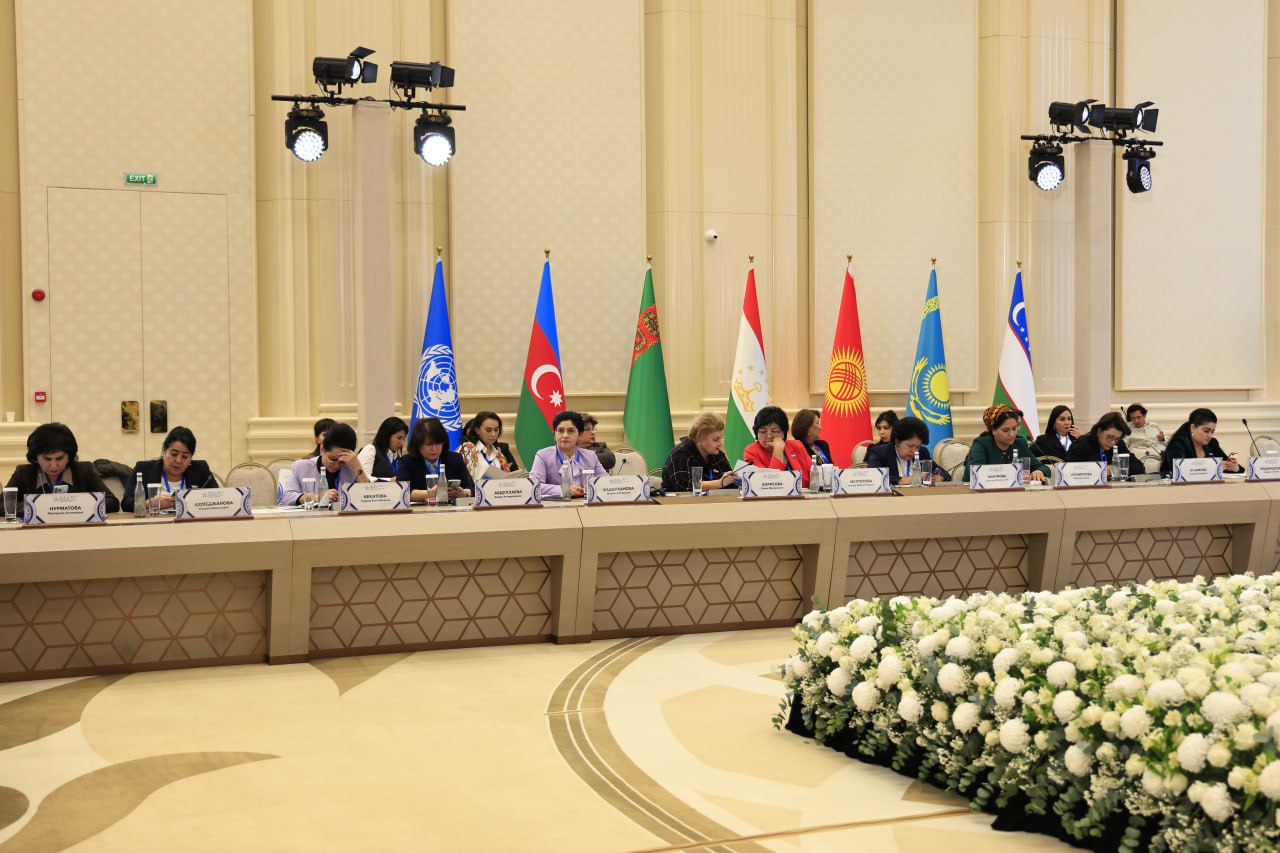
The Dialogue included five specialized sessions, during which participants discussed key issues such as women's participation in decision-making, women's entrepreneurship as a source of economic growth and social stability, education and reproductive health policies, and women's participation in innovation, media, and climate policy. Special attention was paid to women's legal protections.
Following the meeting, the Tashkent Declaration was adopted, recognizing regional efforts to advance women's rights, gender equality, and sustainable development. Women leaders of Central Asian countries also launched a joint initiative, sending an Address to the Leaders of Central Asian States aimed at further strengthening regional cooperation.
The participants agreed to develop a regional roadmap, including priority objectives in the areas of human rights protection, entrepreneurship development, expanding educational opportunities, innovation, and access to quality healthcare.
ORIENT


