Asset Diversification: The World Bank Proposes a New Strategy for the Eurasian Economy

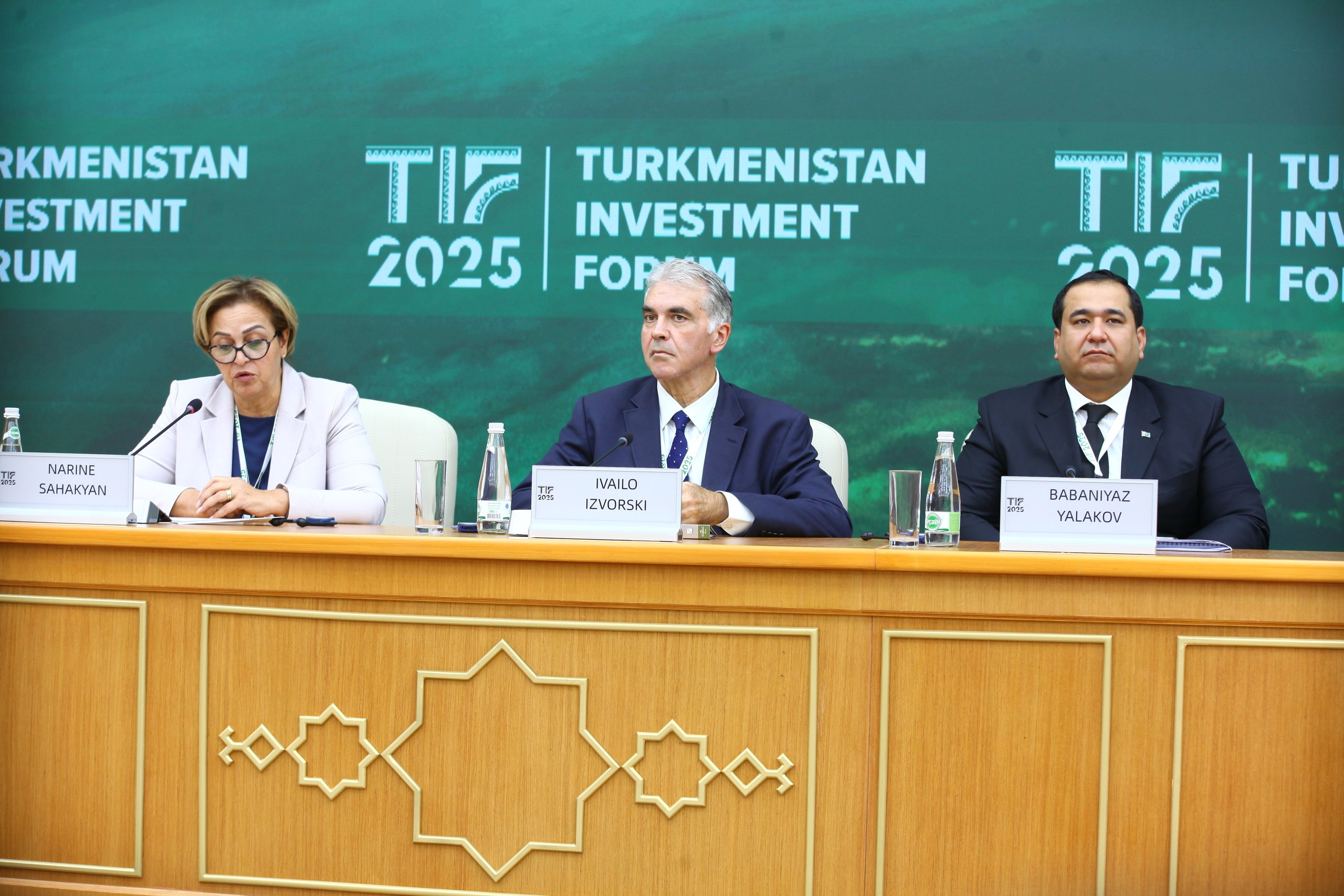
Avaza, September 19 | ORIENT. The Turkmenistan Investment Forum (TIF 2025) concluded with the final session, "Strategic Course for Economic Diversification." During the discussion, moderated by UNDP Resident Representative in Turkmenistan Narine Saakyan, leading experts shared their vision for long-term economic development.
The World Bank's Key Finding: Diversification Isn't What You Think
The keynote address was by Ivaylo Izvorski, World Bank Chief Economist for Europe and Central Asia. He noted the region's tremendous economic growth over the past quarter century, achieved largely thanks to natural resources. However, he argued that the traditional approach to economic diversification—through changing export or production structures—is neither necessary nor sufficient for prosperity.
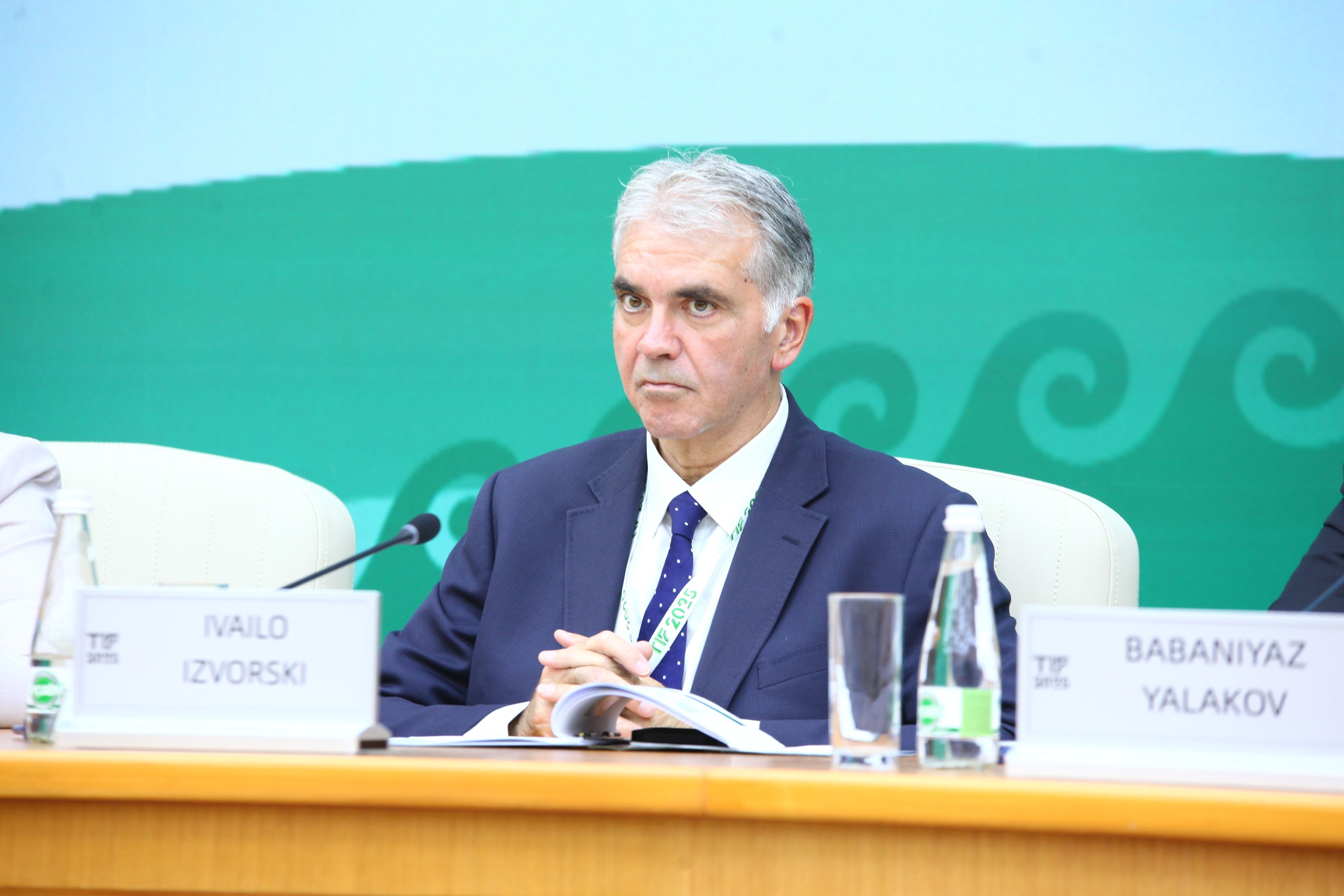
On the contrary, World Bank research shows that the path to sustainable development lies through diversifying national asset portfolios. This means achieving a balance between three key components:
-
Natural resources. The challenge is not to abandon them, but to manage them effectively, converting resource rents into other forms of capital.
-
Created capital. This includes physical (roads, telecommunications) and human (education, healthcare) infrastructure. Despite successes, their quality requires further improvement to ensure future productivity.
-
Economic institutions. This is the most important, yet often invisible, asset. These are the rules, governance, and regulatory mechanisms that ensure fair competition, transparency, and accountability. As in Chile, where strong institutions ensured development, these "intangible" assets are crucial.
UN: Trade as a Driver of Change
UN Resident Coordinator in Turkmenistan Dmitry Shlapachenko supported this idea. He emphasized that trade transforms diversification from a vision into real jobs and investment. According to him, Turkmenistan has enormous potential for development by expanding its exports of non-hydrocarbon products, including textiles, petrochemicals, and logistics services. The key objective is to reduce trade costs, which are 20-40% higher in Central Asia than in OECD countries.
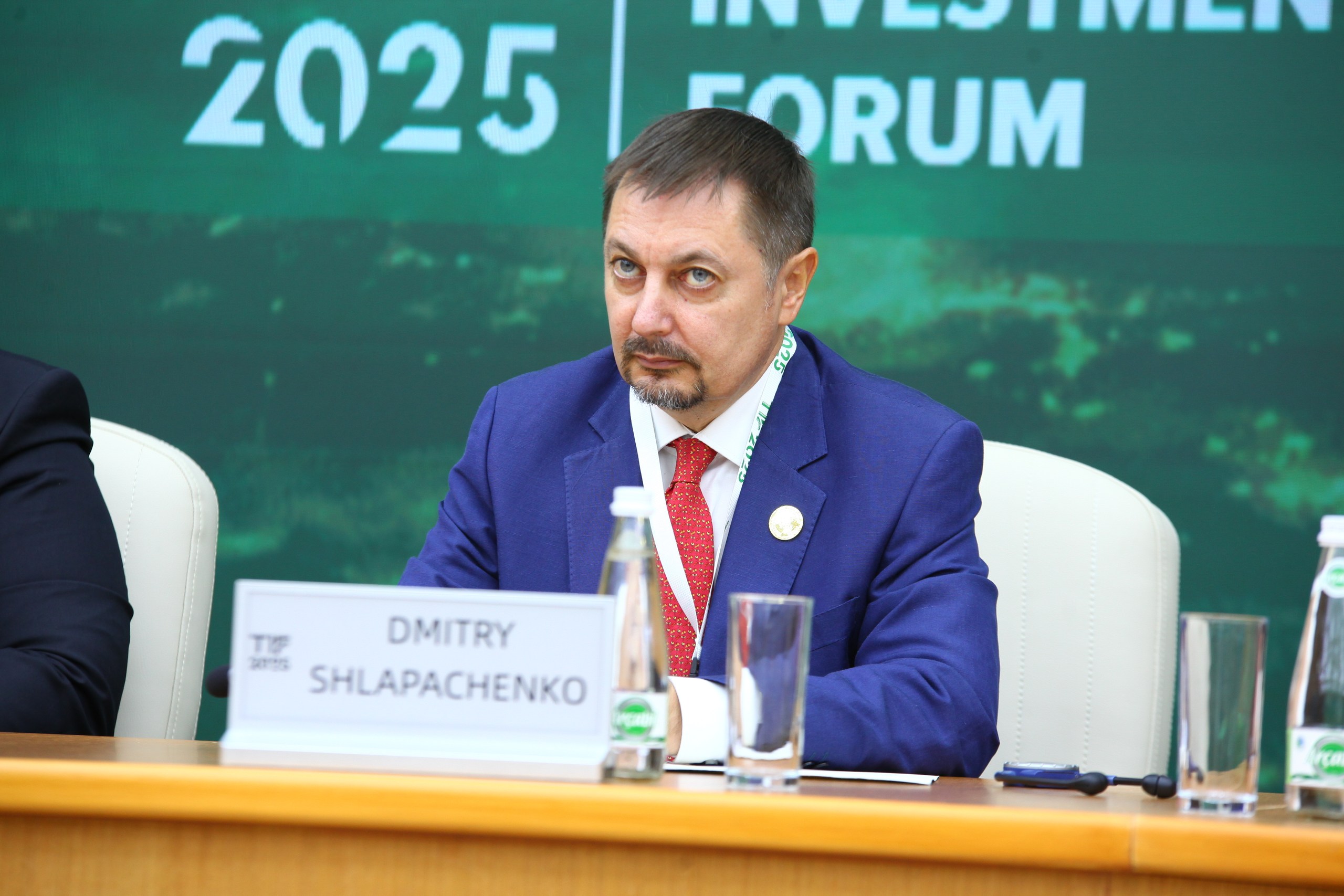
Shlapachenko highlighted specific steps taken by Turkmenistan:
— Modernization of the customs system: Implementation of advanced ASYCUDA solutions to simplify procedures and increase transparency.
— Rapprochement with the WTO: Development of a memorandum on foreign trade regulations, which is an important signal for investors and confirms the country's commitment to predictable and transparent integration.
The final session marked the logical conclusion of the TIF 2025 Investment Forum, which demonstrated Turkmenistan's readiness for systemic and strategic transformation. Experts' presentations demonstrated that the future economic growth of the country and the entire region depends not so much on the commodity market as on strengthening institutions and creating a modern trade infrastructure capable of transforming geographic location into a competitive advantage.
The official closing ceremony of the forum concluded two days of intensive discussions and business meetings, which laid a solid foundation for future partnerships and projects.


