How the pandemic has affected the culture of dialogue

Still in the ancient time the Chinese thinker Confucius noted that a dialogue with people – a great blessing and minutes of sorrow, and minutes of pleasure. Really, at all times it was important for people to communicate among themselves, to exchange thoughts, ideas, information, emotions. A dialogue is one of the natural social requirements for humans. Without dialogue life is not high-grade, thus a dialogue is not limited only to words. All know, it is possible that to communicate by means of signs, gestures, movements and sights.
Development of the social networks, which audience totals hundred millions of people, testifies to how people appreciate a dialogue and as its possibilities in the century of digital technologies have extended. But new realities change dialogue forms, make cardinal impact on its habitual norms. So, at the expense of growth virtual many consider restriction of live dialogue as accident and do not see sense to exist in a society where there will be no warm evenings at a cup of tea and conversations where artificiality will replace all sincere and real. According to such people, a dialogue in social networks, an exchange there the impressions and experience, the publication of photo and video should not turn into maniacal desire to receive superfluous «like», follow a heap of unknown people that they too have added you in the list of friends.
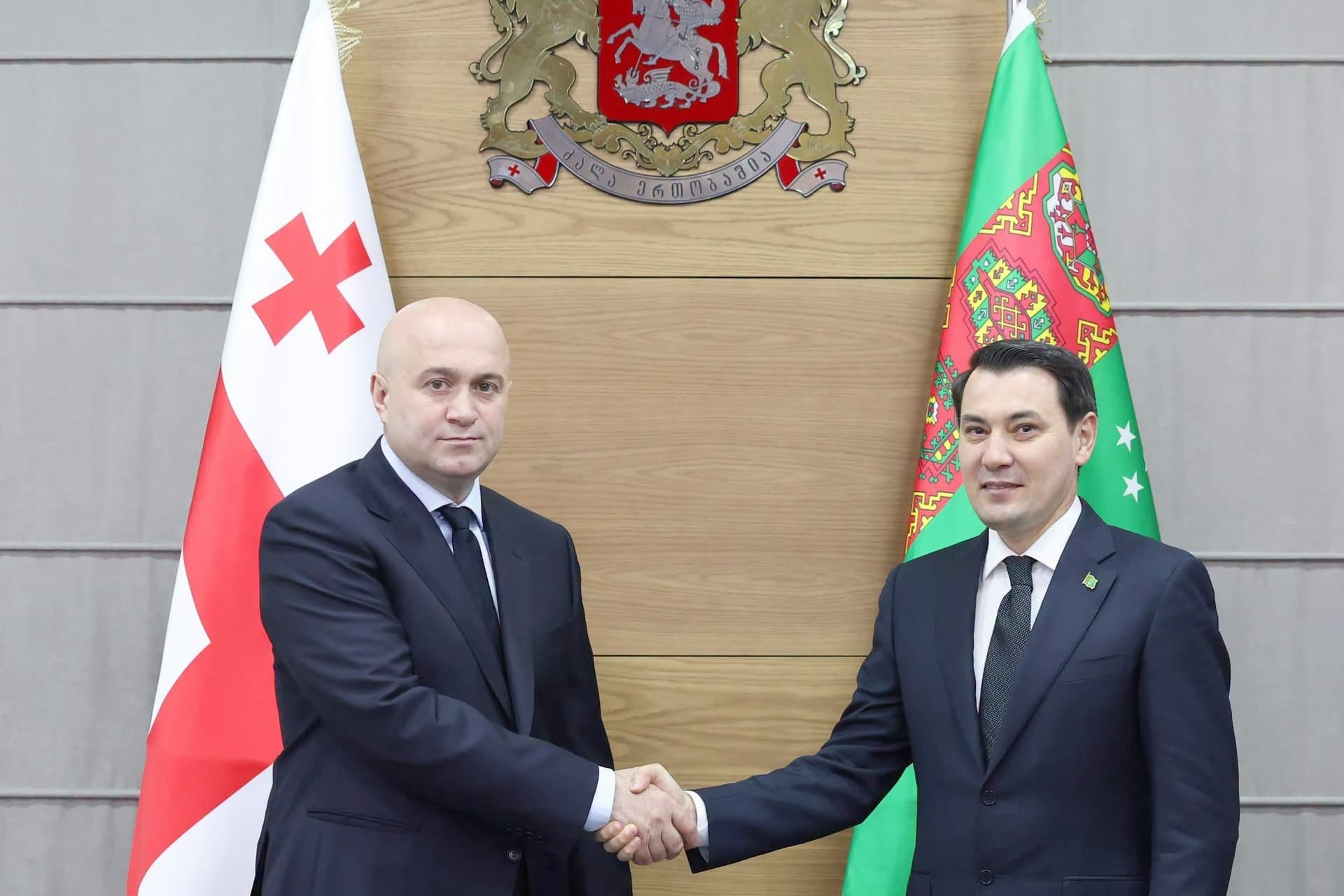
 The pandemic Covid-19 which has limited to a minimum live dialogue, forced to look into a new fashion and at such taken roots habits, as for example, blowing at candles on a pie when the noisy and cheerful company celebrates a birthday. The aggravated attention to issues of transfer of viruses and bacteria, to preventive measures was caused by discussions and about, whether will finish the Covid-19 handshakes for ever. And after all handshake was with mankind to an extent much centuries as a trust sign in dialogue and the standard of a greeting in the world of policy, business and society.
Occurrence of this habit connects what people wanted to show absence of weapon in a hand and to transfer a friendly spirit to dialogue. Handshake underlines coherence between people. As show researches, people are more adjusted to the subsequent cooperation with those who in the beginning of negotiations gives a hand to them. It is regarded as a spirit of mutual trust and future cooperation.
However, now experts in the field of public health services call with a view of safety to reconsider habitual ritual of greeting. In particular, Anthony Fauci - a key figure in development of anti-virus strategy of the USA told in his interview to the Wall Street Journal: If it is fair, I do not think that we should start again sometime in general to shake each other hands. «When you give a hand, you stretch a biological weapon» - such is opinion of the experts most considerably adjusted in this question.
During the pandemic the wide circulation was received by contactless forms of greeting during a dialogue, including habitual for India, Japan, China and some other countries. And considering their demographic, growing economic and political weight, some experts consider that customs of eastern cultures can quite become a new norm in a dialogue.
The pandemic Covid-19 which has limited to a minimum live dialogue, forced to look into a new fashion and at such taken roots habits, as for example, blowing at candles on a pie when the noisy and cheerful company celebrates a birthday. The aggravated attention to issues of transfer of viruses and bacteria, to preventive measures was caused by discussions and about, whether will finish the Covid-19 handshakes for ever. And after all handshake was with mankind to an extent much centuries as a trust sign in dialogue and the standard of a greeting in the world of policy, business and society.
Occurrence of this habit connects what people wanted to show absence of weapon in a hand and to transfer a friendly spirit to dialogue. Handshake underlines coherence between people. As show researches, people are more adjusted to the subsequent cooperation with those who in the beginning of negotiations gives a hand to them. It is regarded as a spirit of mutual trust and future cooperation.
However, now experts in the field of public health services call with a view of safety to reconsider habitual ritual of greeting. In particular, Anthony Fauci - a key figure in development of anti-virus strategy of the USA told in his interview to the Wall Street Journal: If it is fair, I do not think that we should start again sometime in general to shake each other hands. «When you give a hand, you stretch a biological weapon» - such is opinion of the experts most considerably adjusted in this question.
During the pandemic the wide circulation was received by contactless forms of greeting during a dialogue, including habitual for India, Japan, China and some other countries. And considering their demographic, growing economic and political weight, some experts consider that customs of eastern cultures can quite become a new norm in a dialogue.
 «The contusion from the pandemic will not pass at once», they speak, and it will be shown not only that many will be afraid to press each other hands and after the pandemic, but also concerning a dialogue distance. As it is marked in some publications when we will return to office, we should reconsider our understanding of personal space as our own, and in relation to another. The interpersonal space or quantity of physical space between people has a great value in a dialogue, and there is even a special theory of proximity by anthropologist Edward Twitchell Hall, based in the 1960-ties.
Hardly is it pleasant for someone, when before his nose they wave hands or breathe in a nape, interfering in his personal space. However the reasonable physical affinity in dialogue increases probability of that people become friends because they feel stronger communication with whom they are physically close. In a workplace personal contact can raise efficiency. A dialogue becomes easier; when team mate meets face to face and relations prosper that creates positive culture in the organisation.
The world quarantine has forced us to accept a new level of affinity - radical affinity in case of many families which members have been compelled to be twenty hours a day, or radical remoteness in case of those who lives in loneliness. The new social distance necessary for delay of distribution COVID-19 became a reference point in interpersonal space. The distance in two metres became norm in all countries, having captured all public places habitual for us - from parks to supermarkets.
The attention aggravated by the pandemic to personal space and norms of physical affinity at dialogue remains after returning in offices. As experts consider, the social experience found during the pandemic, promotes comprehension of our distinctions and focuses on creation more inclusive cultures. And inclusion practice of proximity in corporate norms and styles of team work benefits not only those who are disturbed by potential transfer of virus. It will be a step forward in adaptation of many other distinctions in our workplaces that they became more various, bright and productive.
«The contusion from the pandemic will not pass at once», they speak, and it will be shown not only that many will be afraid to press each other hands and after the pandemic, but also concerning a dialogue distance. As it is marked in some publications when we will return to office, we should reconsider our understanding of personal space as our own, and in relation to another. The interpersonal space or quantity of physical space between people has a great value in a dialogue, and there is even a special theory of proximity by anthropologist Edward Twitchell Hall, based in the 1960-ties.
Hardly is it pleasant for someone, when before his nose they wave hands or breathe in a nape, interfering in his personal space. However the reasonable physical affinity in dialogue increases probability of that people become friends because they feel stronger communication with whom they are physically close. In a workplace personal contact can raise efficiency. A dialogue becomes easier; when team mate meets face to face and relations prosper that creates positive culture in the organisation.
The world quarantine has forced us to accept a new level of affinity - radical affinity in case of many families which members have been compelled to be twenty hours a day, or radical remoteness in case of those who lives in loneliness. The new social distance necessary for delay of distribution COVID-19 became a reference point in interpersonal space. The distance in two metres became norm in all countries, having captured all public places habitual for us - from parks to supermarkets.
The attention aggravated by the pandemic to personal space and norms of physical affinity at dialogue remains after returning in offices. As experts consider, the social experience found during the pandemic, promotes comprehension of our distinctions and focuses on creation more inclusive cultures. And inclusion practice of proximity in corporate norms and styles of team work benefits not only those who are disturbed by potential transfer of virus. It will be a step forward in adaptation of many other distinctions in our workplaces that they became more various, bright and productive.