The Chinese experience in desert management is transforming African landscapes

Collaboration between China and African nations is converting barren deserts into vibrant ecosystems. The Xinjiang Institute of Ecology and Geography (XIEG) is applying Chinese desert management techniques to establish a groundbreaking China-Africa Green Technology Park in Mauritania, encompassing 6.58 acres of previously unusable desert land.
This initiative marks a significant step in addressing the escalating crisis of desertification in Africa through proven technologies developed in China's arid regions. The transfer of technology from China's Taklamakan Desert to the Sahara represents decades of research and practical application. XIEG scientists have adapted their successful desert management methods to African conditions.
China's desert management expertise has been refined through years of work in the Taklamakan Desert, where scientists have achieved remarkable success in stabilizing shifting sands and establishing sustainable agriculture. In the Taklamakan, similar projects have converted over 6,000 hectares of desert into productive land in the past decade, serving as a proof of concept for the African initiative.
These adaptations include specialized solar-powered systems designed for reliable operation in extreme desert environments. These systems power intelligent irrigation networks that maximize water efficiency—a crucial factor in regions where water scarcity threatens both agriculture and communities. The Chinese approach to desert management has demonstrated particular success in reducing water consumption by up to 60% compared to traditional irrigation methods.
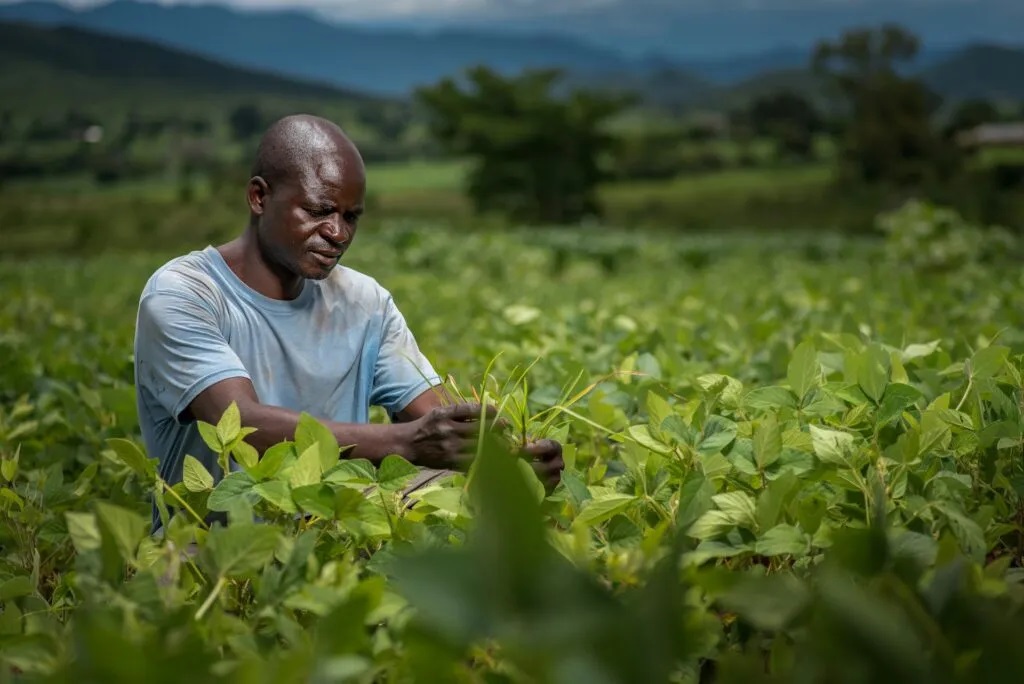
The facility comprises two distinct yet interconnected zones. The Green Technology Park serves as a research and development hub where scientists study desert ecosystems and develop innovative sustainable desert management techniques. Their focus is on adapting technologies to local conditions and training local experts in their application. The Carbon Forestry Demonstration Zone puts these technologies into practice, showcasing how desert lands can be transformed into productive spaces while simultaneously capturing carbon dioxide from the atmosphere.
Projects in the Taklamakan Desert have demonstrated a survival rate of over 85% for adapted plant species, a benchmark the African project aims to achieve.
Mauritania faces significant challenges from desertification, which threatens both food security and economic stability. The China-Africa Green Technology Park directly addresses these issues through advanced water-saving systems that maximize limited water resources, soil improvement techniques that render desert lands suitable for agriculture, and sustainable development practices that create local employment opportunities.
Solar-powered desert control incorporates renewable energy systems engineered for extreme desert conditions, generating electricity for irrigation and monitoring systems, and reducing environmental impact compared to traditional energy sources. Smart irrigation encompasses precision water delivery systems, real-time soil moisture monitoring, and adaptive watering schedules based on environmental conditions. Desert soil improvement involves specialized methods to enhance soil quality, natural techniques to increase organic matter content, and sustainable approaches to maintain soil fertility. Source: Happy Eco News


