Deputy Prime Minister Atagulyev outlined the types of international standards relevant for Turkmenistan

"Certification is ceasing to be a formal requirement, turning into a mandatory element of successful export orientation and, no less importantly, sustainable business development in the long term." This thesis became one of the central points in the report of Deputy Chairman of the Cabinet of Ministers of Turkmenistan Nokerguly Atagulyev at the plenary session of the International Conference "Quality Assurance in Accordance with International Standards in Turkmenistan" (QACIS-2025), which opened today, on April 29, in Ashgabat.
Welcoming the forum participants, the Deputy Prime Minister emphasized that the conference is being held during the International Year of Peace and Trust, proclaimed by the UN General Assembly on the initiative of Turkmenistan, which underlines the country's desire to strengthen mutual understanding and cooperation at the global level. The solid composition of the forum participants – representatives of government agencies, international standardization organizations, renowned world experts, and foreign business circles – testifies to the exceptional relevance and timeliness of the issues of quality assurance and certification discussed at the conference, not only for Turkmenistan, but also for the broad international business community.
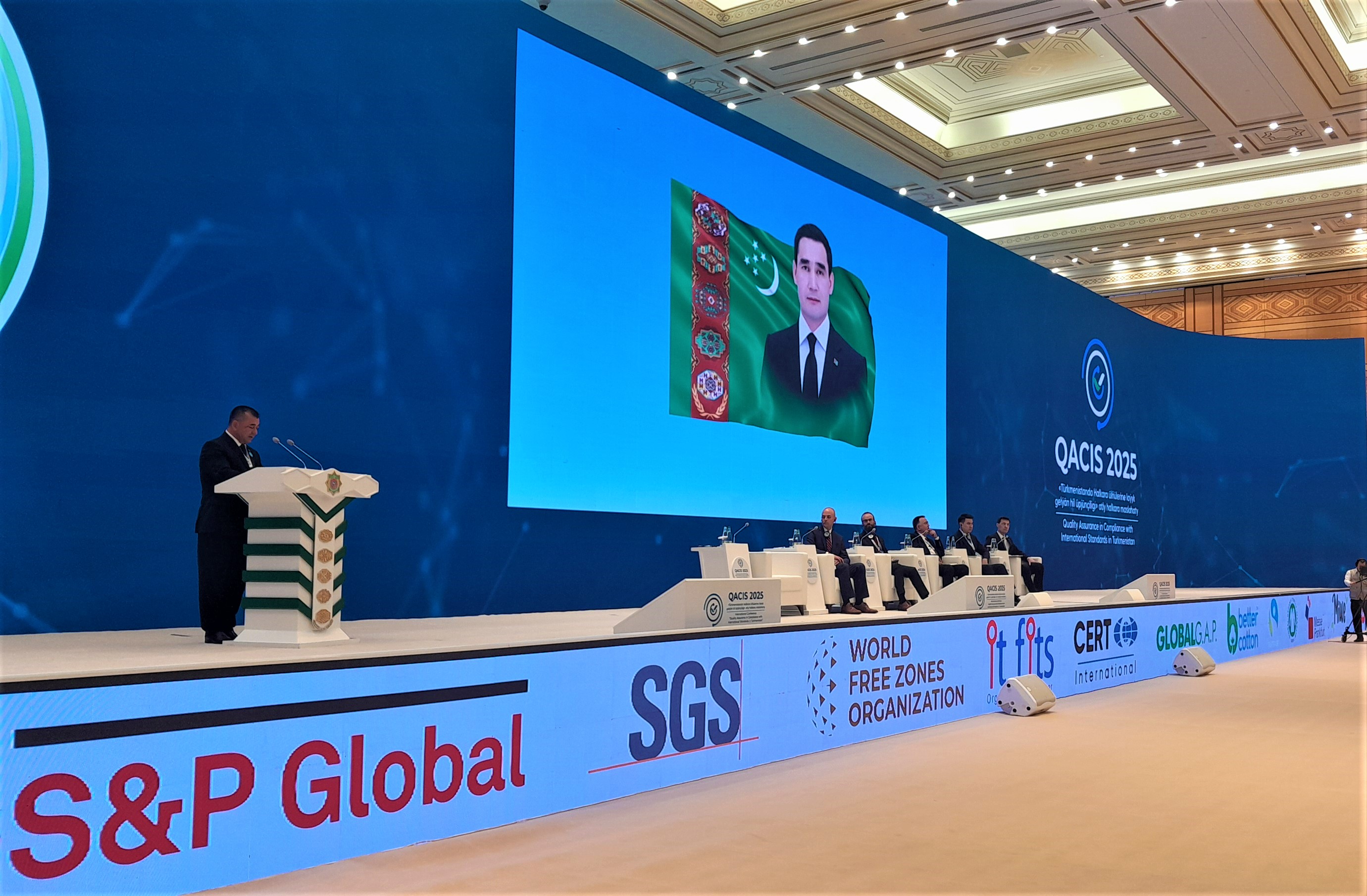
Nokerguly Atagulyev noted that the conference is of particular importance in the context of the dynamic development of the economy of Turkmenistan, where increasing competitiveness in global markets is one of the key national priorities. Following the program objectives set by the President of Turkmenistan, the country is actively implementing international standards in all major sectors of the economy. The Deputy Prime Minister emphasized that integration into the global economic system requires strict adherence to generally accepted international norms and standards, making the introduction of international certification systems not just a tool, but an urgent need to achieve sustainable economic growth and strengthen Turkmenistan's position on the world stage. International certification, in fact, is the key that opens the doors for Turkmen manufacturers to stable access to foreign markets, helping to overcome various barriers and ensuring well-deserved recognition of the high quality of products from foreign partners and consumers.
The report noted that today the relevance of strict compliance with environmental, social and governance (ESG) standards is growing. The Deputy Prime Minister outlined the types of international standards that are of particular importance for the economy of Turkmenistan.
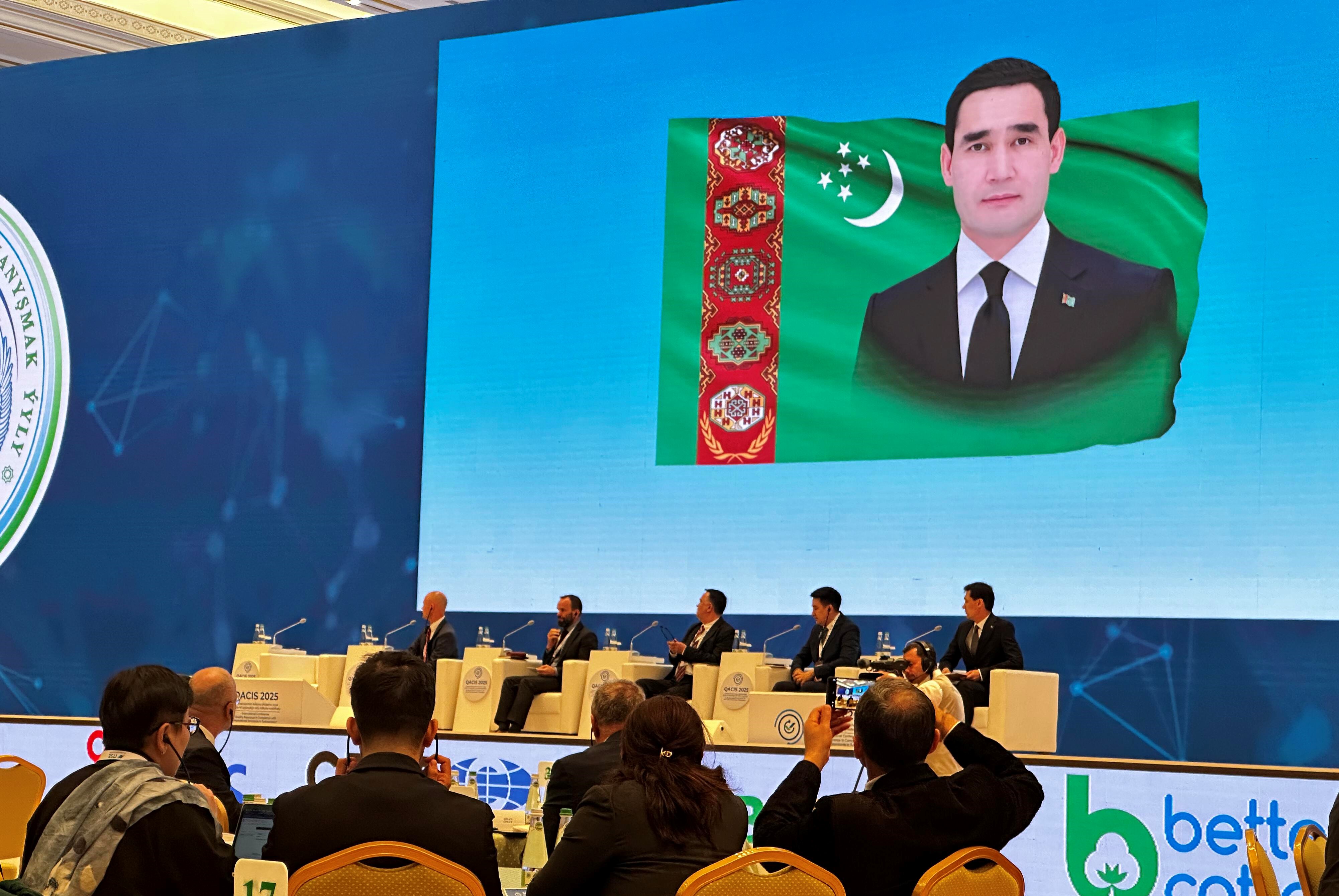
Thus, for the dynamically developing agriculture, the Global G.A.P. and Organic standards are relevant, confirming the environmental friendliness and safety of products. In the food industry, the introduction of ISO 22000 and other safety management standards, as well as Halal standards, is designed to expand markets and attract consumers. The textile and light industry will receive additional benefits thanks to OEKO-TEX and Better Cotton certifications. The oil and gas industry should continue to follow the ISO 9001, 14001 and 45001 standards, confirming its responsibility and safety. An important area is the certification of services (including logistics, tourism, education, healthcare), which is the key to increasing trust on the part of investors, partners and consumers.
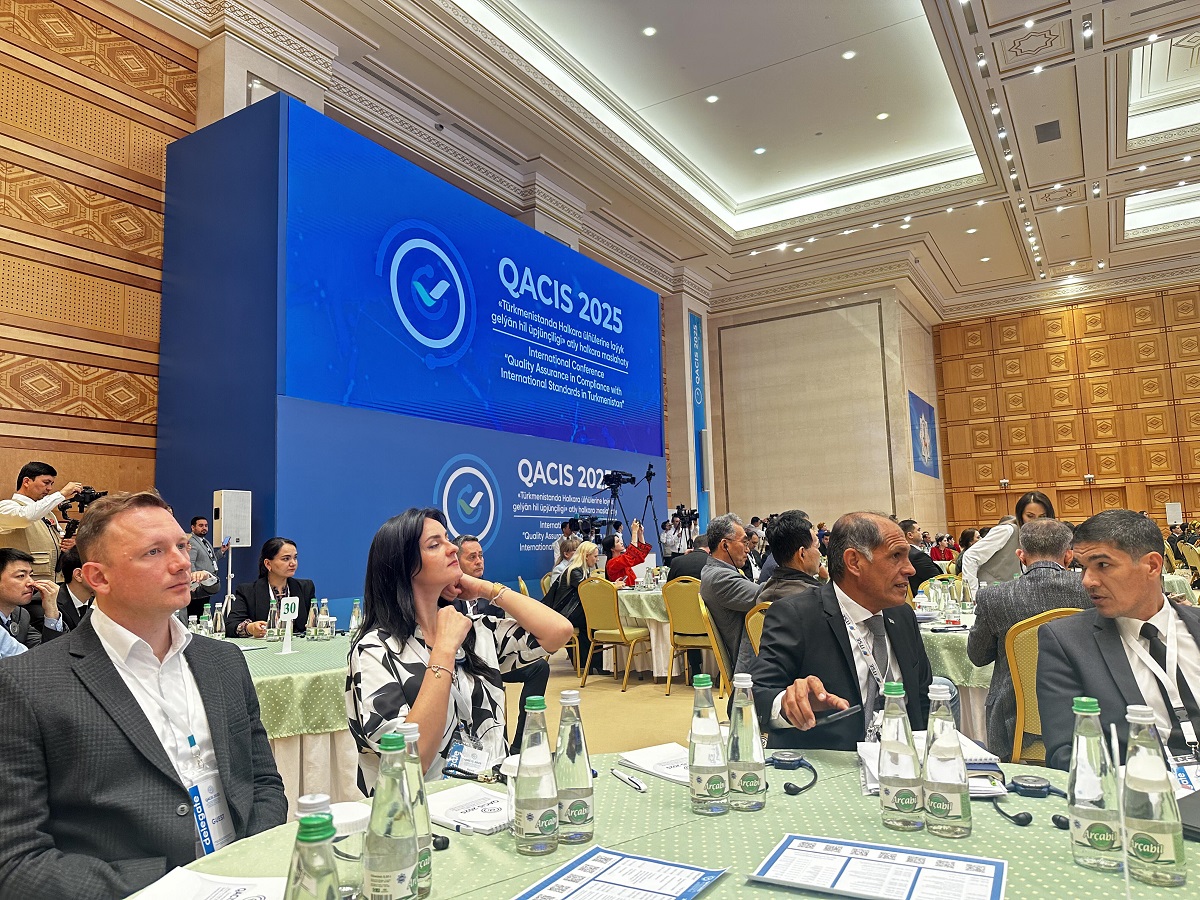
Nokerguly Atagulyev emphasized that state support plays a decisive role in this strategically important task. An effective infrastructure of quality and accredited certification is being formed in Turkmenistan; favorable conditions are being created for a wider implementation of advanced international standards. This will undoubtedly lead to increased confidence in Turkmen products in the most demanding international markets, that is, to a significant expansion of export potential, which will strengthen the country's economic stability and, as a result, improve the well-being of citizens.
The Deputy Prime Minister noted the unique opportunity to develop specific and effective recommendations on the sidelines of the forum for the organic integration of international standards into production processes.
ORIENT


