March 30 – International Day for a World Without Waste

The adoption of the Zero Waste resolution proposed by Turkey at the United Nations General Assembly as part of its sustainable development plan prompted the global community to celebrate on March 30 International Day for a World Without Waste for the second time.
By drawing attention to this issue, annual International Day for a World Without Waste represents a concerted effort to ensure that future generations inherit a clean and livable planet through sustainable waste management.
The Zero Waste movement proposes to prevent waste generation, reduce environmentally harmful waste, increase recycling rates, provide economic benefits, efficiently use natural resources and support sustainable development through all of these initiatives.
Zero-waste and low-waste Turkish cuisine
A zero-waste cuisine is a key component of a zero-waste lifestyle. Since less waste is generated daily in the kitchen, a zero-waste society and, as a result, a better world is possible. Understanding zero-waste restaurants, which are fundamental to a sustainable diet and future, is a key element in Turkish cuisine, which represents sustainable gastronomy on an environmental and cultural level.
Drawing on Turkey's fertile geography and Anatolia's rich cultural heritage, ancient Turkish culinary traditions use everything and produce no waste. Turkish cuisine, combining age-old processes with local ingredients and original recipes, has long been characterized by spontaneity and natural waste reduction. In Turkish cooking, leftover ingredients are transformed into new dishes. For example, vegetable peels are used in salads or alone, and fruit peels can be made into jam. Similarly, stale bread is used in various dishes and desserts, and leftover rice is consumed in soups or rice desserts. Thus, zero waste Turkish cuisine provides a culinary experience. It contributes to a more sustainable future by promoting lifestyles that take into account environmental and social responsibilities and make better use of food resources.
Turkey's Sustainable Tourism Program and Sustainable Transformation in Tourism
In recent years, Turkey, while helping to raise global awareness as part of the International Day for a World Without Waste on March 30, has also embarked on an extensive sustainable transformation of the tourism sector. In 2022, Turkey became the first country in the world to sign a government agreement with the Global Sustainable Tourism Council (GSTC), which sets and manages global standards for sustainable travel and tourism and has an exemplary roadmap that facilitates adaptation under the Sustainable Tourism Program. Starting with accommodation, the program is expanding to tour operators and destinations to embed sustainability principles throughout the tourism ecosystem. As of March 25, 2024, the total number of registered accommodation facilities in Turkey has reached 17,393. Waste management (reduce, segregate, reuse and recycle waste), which is a requirement of the Turkey Sustainable Tourism Program, is also a condition of the Zero Waste Movement to protect the environment. Thus, the Sustainable Tourism Program, implemented through legislative regulations, strengthens Turkey's zero-waste efforts and serves as an important model for sustainable cities and tourism.

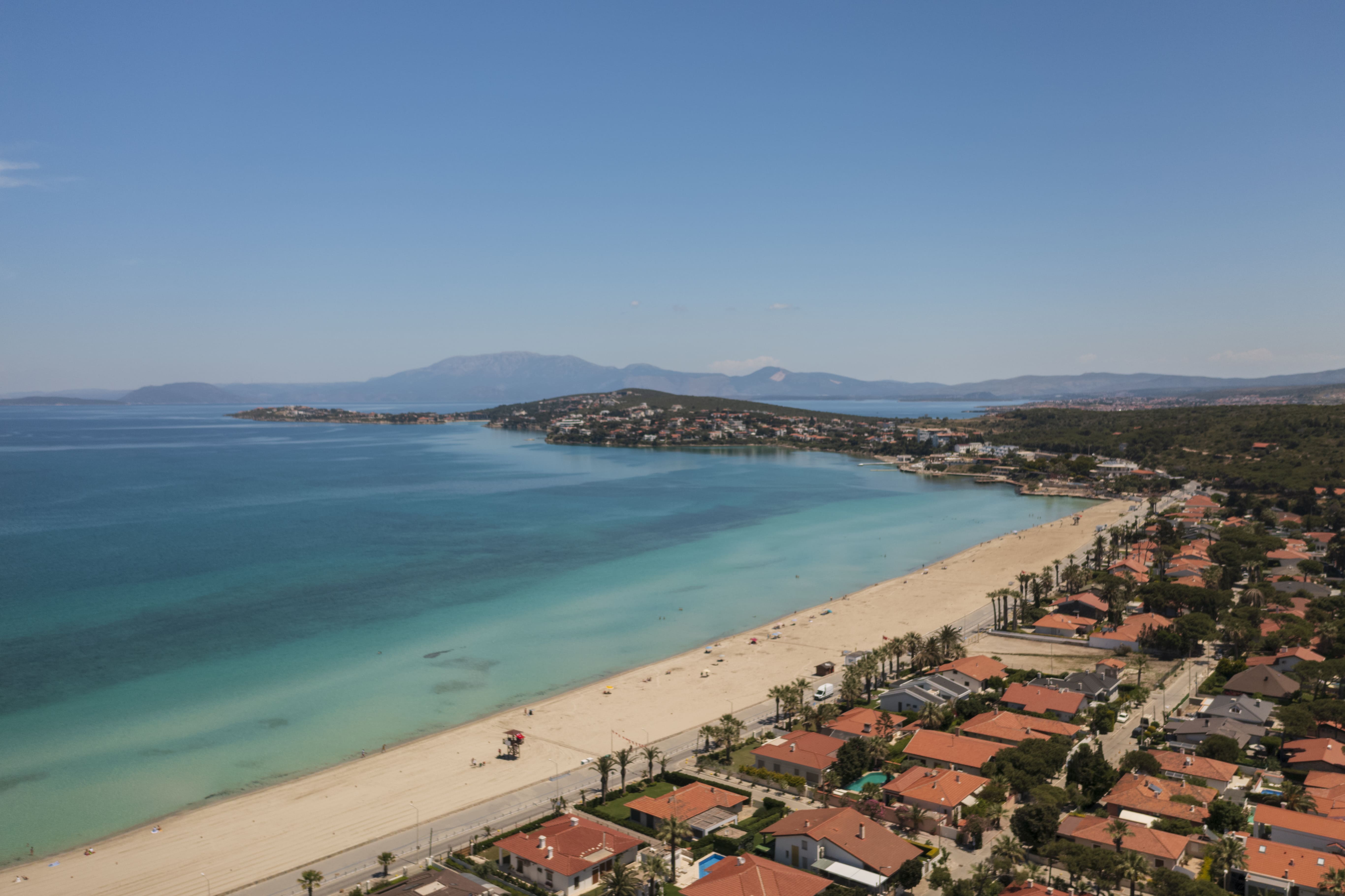
Turkey has long used eco-labels to certify its blue waters. With 551 Blue Flag beaches, Turkey has the third highest number of Blue Flag beaches in the world under the Blue Flag program, one of the most important environmental labels in the world. Turkey has also made significant strides in cultural sustainability in recent years, becoming the world's second-largest country with 21 UNESCO World Heritage sites and 30 UNESCO Intangible Cultural Heritage sites. Turkey aims to increase this number to 750 by 2024 and 800 by 2026.
ORIENT news


